
 English
  Polski
  Deutsch
  Nederlands
  Svenska
  Norsk
Norsk  Dansk
Dansk  Français
  Italiano
  Español
  Português
  Slovenčina
  Suomi
Suomi  Gaeilge
 Grow Oleander in Our Climate Without a Mediterranean Garden
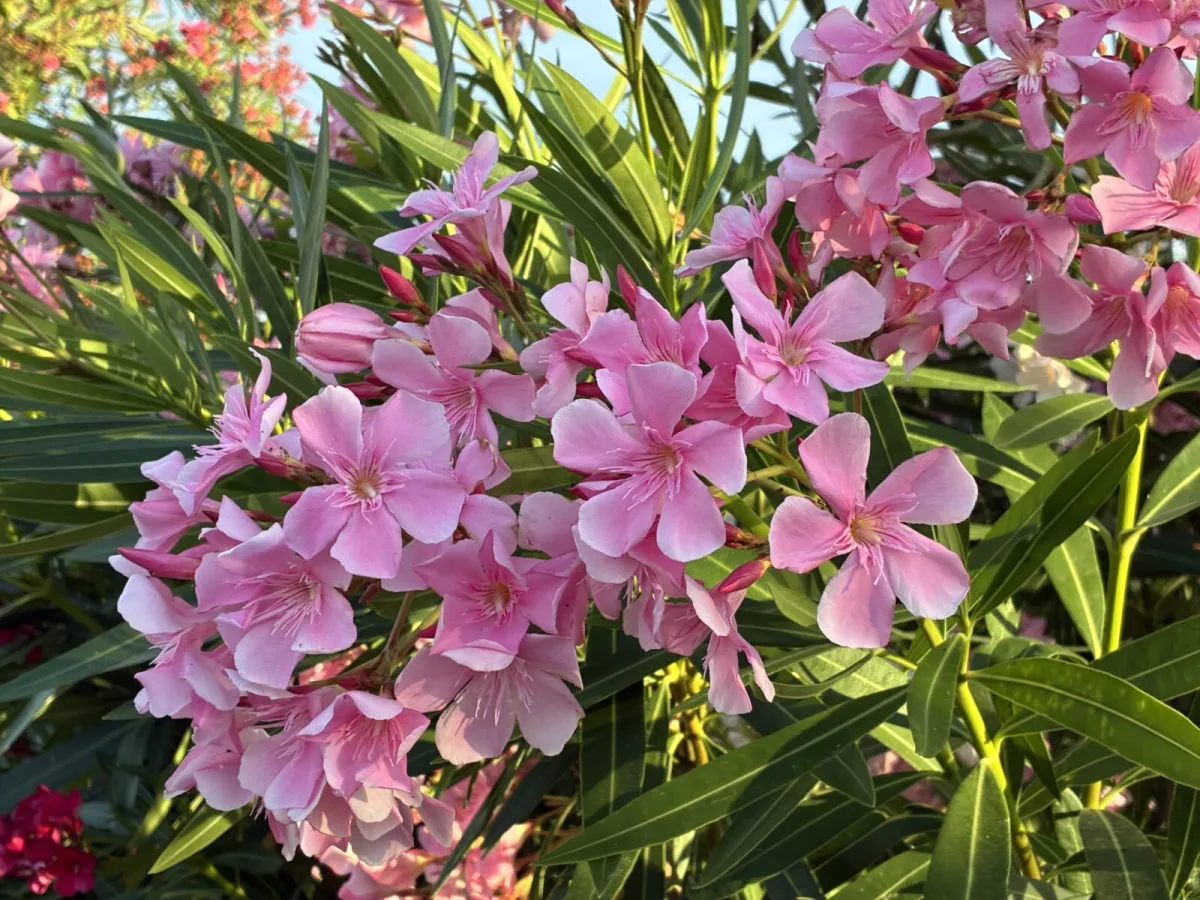
Oleander (Nerium oleander) is an evergreen, free-flowering shrub familiar from seaside promenades and warm regions. In our climate it usually can’t be grown outdoors in the ground all year round, because prolonged frost would damage the plant. That doesn’t mean you can’t enjoy it by a patio, on a balcony, or by the front door. The key is container growing and proper winter care. Your reward is elegant, narrow leaves and showy star-shaped flowers in shades of pink, white, red, salmon or yellow that, with good care, keep coming all summer and often beyond.
Oleander is also exceptionally tolerant of heat and drought, which is exactly why it suits spots where other flowering shrubs struggle in summer. When growing it, however, you must take its toxicity seriously and adapt both handling and placement accordingly.
Safety first: oleander is poisonous
All parts of oleander are highly toxic to people and pets. Even the milky, sticky sap can irritate skin in sensitive individuals. Don’t place oleander where children, dogs, cats or rabbits could nibble it, and wear gloves when pruning.
Never burn oleander prunings. Burning can release toxic substances into the air.
After handling the plant, wash your hands and tools. If you suspect anyone has ingested any part of the plant, contact a doctor or veterinarian immediately.
Where to give oleander the best conditions
Light and warmth
Oleander loves full sun. In sun it stays more compact and bushy, and flowers more heavily. It will tolerate partial shade, but this often leads to leggy growth and fewer blooms. A sheltered spot by a south-facing wall is ideal, where heat builds up and the plant is less exposed to wind.
Potting mix and drainage
Excellent drainage is essential. In a container, use a quality compost for patio/balcony plants or a general-purpose mix opened up with a coarser material so it doesn’t stay waterlogged. The pot must have drainage holes; waterlogging is a far more common cause of problems than short dry spells.
Choosing the right pot
Smaller plants do fine in a medium pot, while larger cultivars need a stable, heavier container so they don’t topple. Expect oleander to bulk up over time and for the root ball to fill quickly. When repotting, move up only slightly in size so the compost doesn’t hold unnecessarily high moisture.
How to plant oleander properly and when to start
The best time to plant or repot is spring, when the plant is waking up and regenerates roots easily. In cooler regions this also helps because oleander has the whole season to strengthen before winter. Position the plant so the top of the root ball sits level with the surface of the compost. Water thoroughly after planting and watch for a few days how quickly the pot dries out.
Wear gloves when handling, especially if you’ll be teasing out roots or removing old, damaged parts.
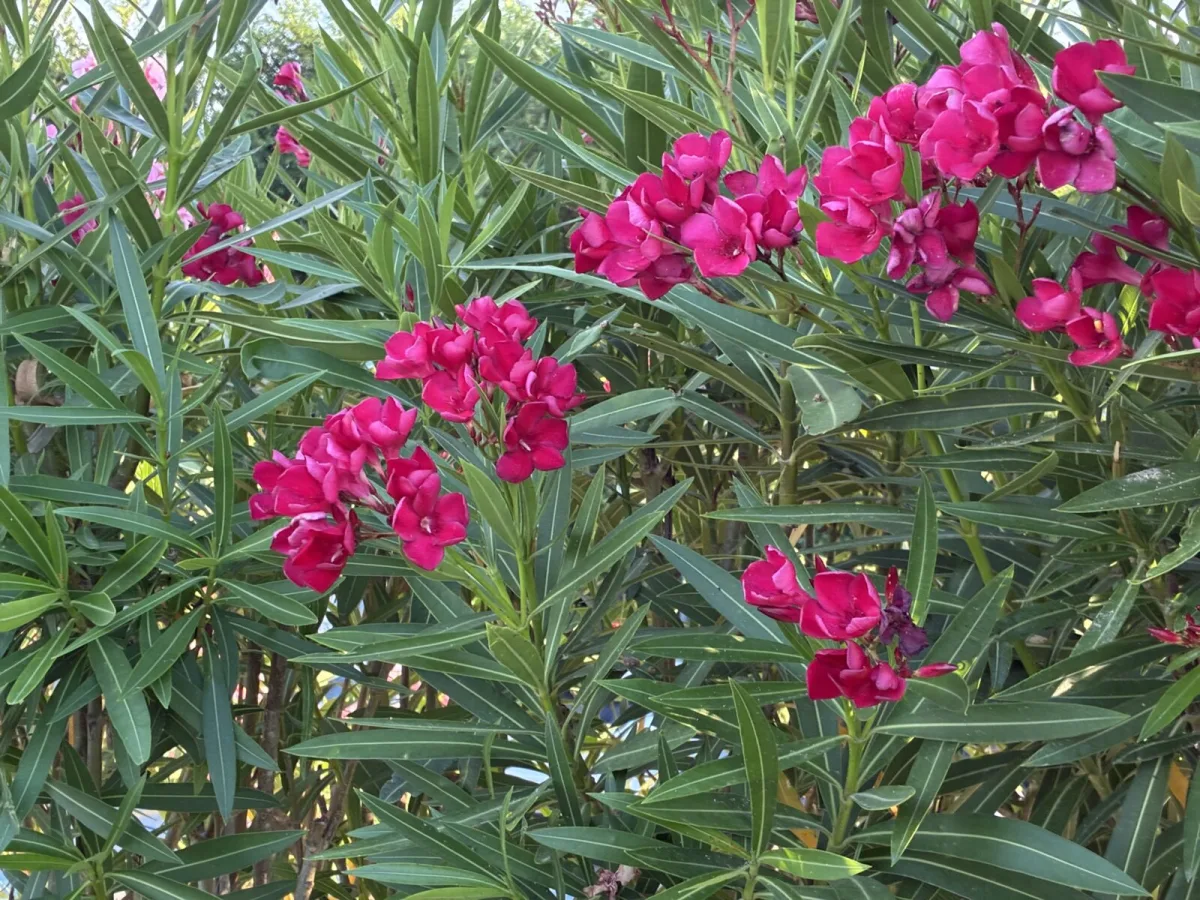
Watering: regularly, but sensibly
Oleander likes regular watering, but it can’t stand permanently soggy compost. The “water well, then let it dry a little” approach works best: water thoroughly, then water again once the top layer of compost has dried. In hot weather in full sun, pots can dry very quickly, so you may need to water more often. If leaves are yellowing while the compost is still wet, it’s a warning sign of overwatering and the risk of root rot.
Feeding for abundant flowering
In good compost, oleander often grows well even without heavy feeding, but for long, generous flowering, moderate nutrition pays off. In spring, apply a balanced fertiliser, and you can repeat at the end of summer if growth is weaker and flowering declines. Container plants typically need more nutrients because frequent watering gradually leaches them out. If the leaves look noticeably pale and flowers are scarce, it’s a classic signal that it’s time to adjust feeding.
Pruning oleander and encouraging new blooms
Oleander flowers on young shoots, so correct pruning is one of the main tools for keeping the plant compact and floriferous. You can remove spent flower clusters as you go, which encourages more buds and prevents the plant wasting energy on seed production. The main shaping prune is best done after the peak of flowering, usually from late summer into autumn.
On older or overgrown oleanders, renovation pruning works well: cut some of the oldest woody branches back hard, and shorten the remaining shoots only lightly. Always prune with gloves and wash thoroughly afterwards.
Overwintering: the deciding step in our climate
Oleander is most commonly grown as a moveable plant. As soon as cool nights arrive in autumn, it’s time to prepare it for winter. The ideal winter quarters are bright, cool and frost-free. In a warm flat with insufficient light, oleander often drops leaves and becomes more prone to pests. Over winter, reduce watering significantly, but don’t let the root ball dry out completely.
In spring, harden the plant off gradually. Put it outside in a sheltered spot for a few hours a day at first, and only leave it out permanently once temperatures have settled. A sudden move from indoors to strong sun can scorch the leaves.
Common pests and problems
In good conditions, oleander is fairly tough, but in containers you may see aphids, spider mites, mealybugs or scale insects, especially when overwintered in warmth and dry air. Regularly check the undersides of leaves, rinse the plant with a shower, and act promptly. Long-term waterlogging can lead to root rot and yellowing leaves; too little light, on the other hand, causes sparse foliage and weak flowering.
How to use oleander in the garden and on the balcony
In our climate, oleander is superb as a specimen in a large container on a patio, by a seating area or near a pool, where it looks wonderfully “holiday”. It also suits a sunny balcony, but do consider the pot’s stability and secure it against wind. If you want the look of a small standard tree, you can gradually train oleander onto a single stem and build a rounded head with regular pruning. For a long season of colour, combine it with other plants that tolerate sun and occasional drought to create a low-maintenance display.
A practical summary for success
The most important thing is to give oleander as much sun as possible, a free-draining compost and sensible watering. During the season, support flowering with moderate feeding, and after flowering don’t be afraid to prune, because young shoots carry the most blooms. In our climate, good overwintering is crucial: cool, bright conditions and reduced watering. Add caution due to its toxicity, and you’ll have an attractive, long-lived plant that brings a touch of the Mediterranean right to your home every year.
Source: Garden Desig, Plantura Magazine , Pestrazahrada.cz
Related articles
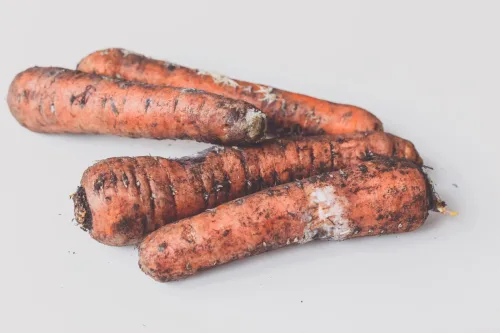
Next year you can harvest better if you don’t sow carrots where they won’t thrive
Carrot root fly can ruin carrots, parsley and celery from the inside out, often without obvious warning until harvest. Better site choice, rotation, later sowing and simple physical barriers can dramatically cut damage next season.
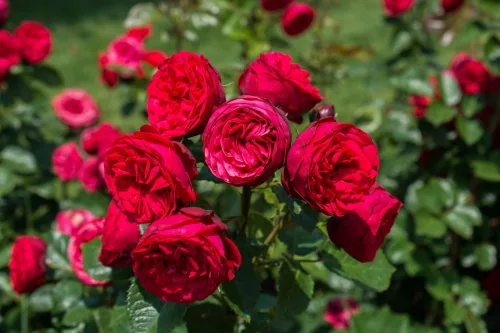
How to Propagate Roses from Cuttings at Home and Fill Your Garden with Blooms Almost for Free
Want more roses without paying for new plants? With a few healthy cuttings and a simple plastic-bottle mini greenhouse, you can root new bushes at home in just a few weeks.
Heathers can cope where other plants won’t, but one soil detail decides everything
Heathers and heaths are tough evergreen shrubs that can flower across the seasons when you choose the right types. Success hinges on matching the plant to your soil pH and ensuring free drainage.
Comments (0)
Be the first to comment.