
 English
  Polski
  Deutsch
  Nederlands
  Svenska
  Norsk
Norsk  Dansk
Dansk  Français
  Italiano
  Español
  Português
  Slovenčina
  Suomi
Suomi  Gaeilge
 Cinnamon to Protect Seedlings as a Natural Anti-Fungal Shield
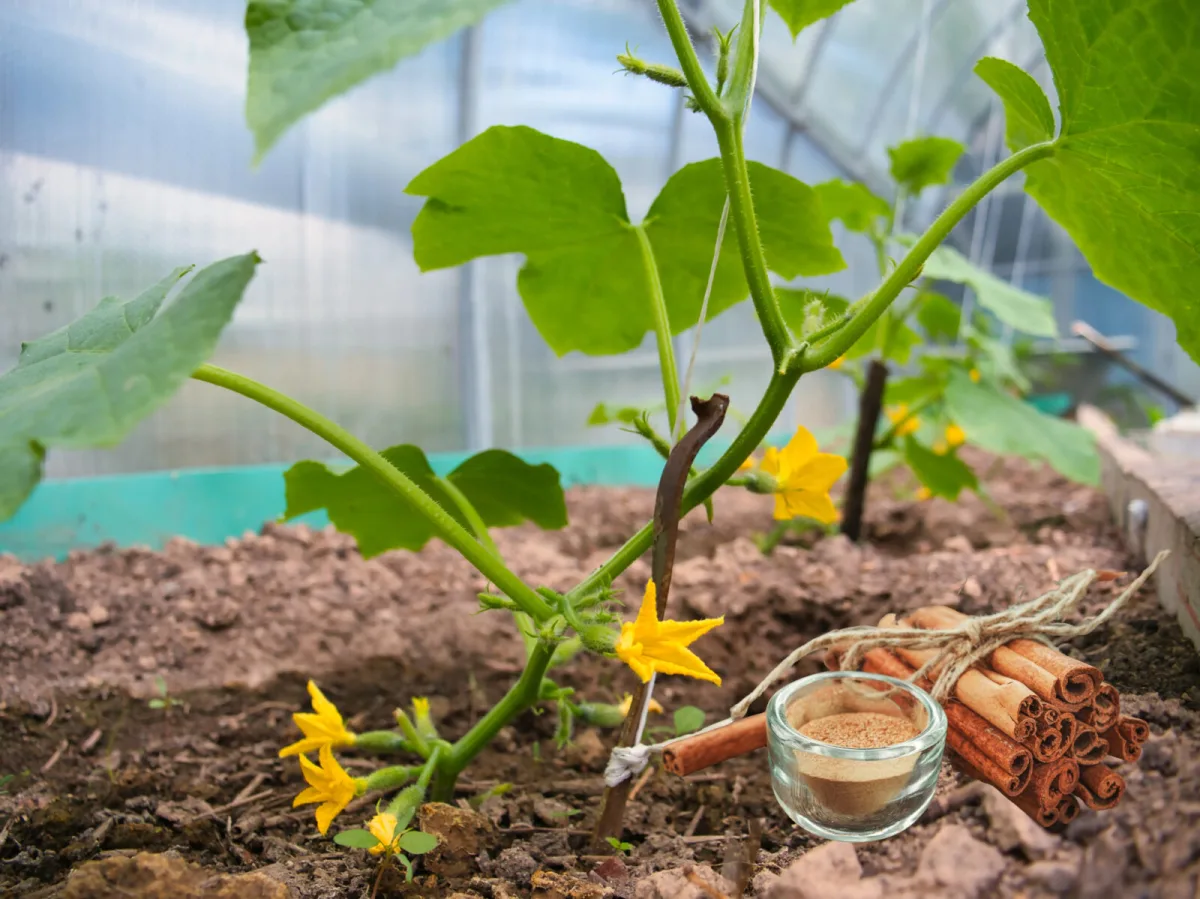
Young plants have delicate tissue and often grow in warm, humid conditions that are ideal for fungi to develop. A typical problem is damping-off, when the stem at soil level narrows, darkens, and the seedling collapses. All it takes is a slight imbalance in watering, poorer air circulation, or sowing too densely—and the risk of fungal diseases rises sharply. It’s exactly at this sensitive stage that it pays to reach for a simple, gentle, and readily available help.
Cinnamon as a natural anti-fungal shield
Cinnamon is best known as a spice, but in gardening it’s valued for its natural anti-fungal properties. It gently dries the surface of the potting mix and can limit the kind of environment where fungi multiply easily. At the same time, it’s a subtle intervention that doesn’t burden seedlings with harsh chemicals. In practice, cinnamon is used mainly as a preventive measure to support a healthier start and steadier growth in young plants.
Tip: With seedlings, prevention often makes the difference. A light protective dusting of cinnamon can be a simple “shield” that helps keep the soil surface in better condition.
How to use cinnamon correctly around seedlings
The simplest method is to dust it on. Sprinkle a very thin, even layer of ground cinnamon over the surface of the potting mix around the seedlings. The goal isn’t to create a thick crust—just a light dusting over the risk areas, especially around stems and in spots where moisture lingers. If you sow into trays, you can lightly dust the rows after sowing once the seeds are covered with potting mix. After watering, some of the cinnamon will soak in, so you can carefully repeat a light dusting later on, especially when conditions stay damp for a long time.
When it makes the most sense
Cinnamon is useful when raising seedlings on a windowsill, in a greenhouse, and in a cold frame, where air humidity is often higher. It can also help when rescuing sowings where you’re already noticing the first signs of surface mould on the potting mix. In that case, it’s best to adjust your watering routine at the same time and improve airflow, because cinnamon on its own can’t replace proper growing conditions.
Cinnamon and compost: why some people add it there too
Garden advice also mentions using cinnamon in compost. This mainly makes sense if you want to add a small “disinfecting” element to the compost while working with material that’s more prone to going mouldy. Here too, a small amount is enough, and more important than anything else is the right compost mix, good aeration, and moderate moisture.
What to watch out for and how to boost the effect
Cinnamon is a helper, not a miracle cure. Too thick a layer can unnecessarily restrict airflow at the surface of the potting mix or create an uneven “skin”. So stick to a light dusting. For better results, combine cinnamon with basic prevention: don’t overwater, use clean seed trays and pots, avoid overcrowding your sowings, and give seedlings plenty of light along with gentle ventilation. That way young plants will be more resilient, grow more evenly, and the risk of fungal problems will drop significantly.
A simple step towards stronger plants
If you’re looking for a natural, accessible way to support a healthy start for seedlings, cinnamon can be a very practical choice. A fine dusting around young plants helps keep fungal issues in check and protects fragile new growth. Combined with sensible watering and clean growing practices, you’ll create an environment where seedlings thrive and prepare better for transplanting and further growth.
Source: Home Decor Ideass, Pestrazahrada.cz

A lover of nature, gardens, and everything that moves, blooms, or grows. He literally grows everything, from herbs to rare species, and he enjoys caring for animals just as much. In his work, he connects modern technology with tried-and-tested grandmotherly methods and is happy when both paths lead to the same goal.
Related articles

Fighting moles tempts you into a quick fix that can put you on the wrong side of the law
Fresh molehills can ruin a lawn, but the common mole is a protected species and lethal control can be illegal. Learn how to tell a mole from a vole and which lawful, effective methods actually encourage it to move on.
Why the Tree That Feeds a Family for Generations Is Disappearing from Czech Gardens
The English walnut used to be a staple of larger gardens and farmyards, valued for its nutritious nuts and many practical uses. With the right site and variety, it remains one of the most rewarding long-lived trees you can plant.

How to Get Rid of Mice and Rats in the House, Loft and Garden Effectively
Mice and rats don’t leave quietly—scratching sounds, droppings and gnaw marks are clear warnings. A lasting solution comes down to three steps: block entry points, remove food sources, then use traps or professional control.
Comments (0)
Be the first to comment.