
 English
  Polski
  Deutsch
  Nederlands
  Svenska
  Norsk
Norsk  Dansk
Dansk  Français
  Italiano
  Español
  Português
  Slovenčina
  Suomi
Suomi  Gaeilge
 An Invisible Barrier Against Slugs That Works Even After a Day of Rain
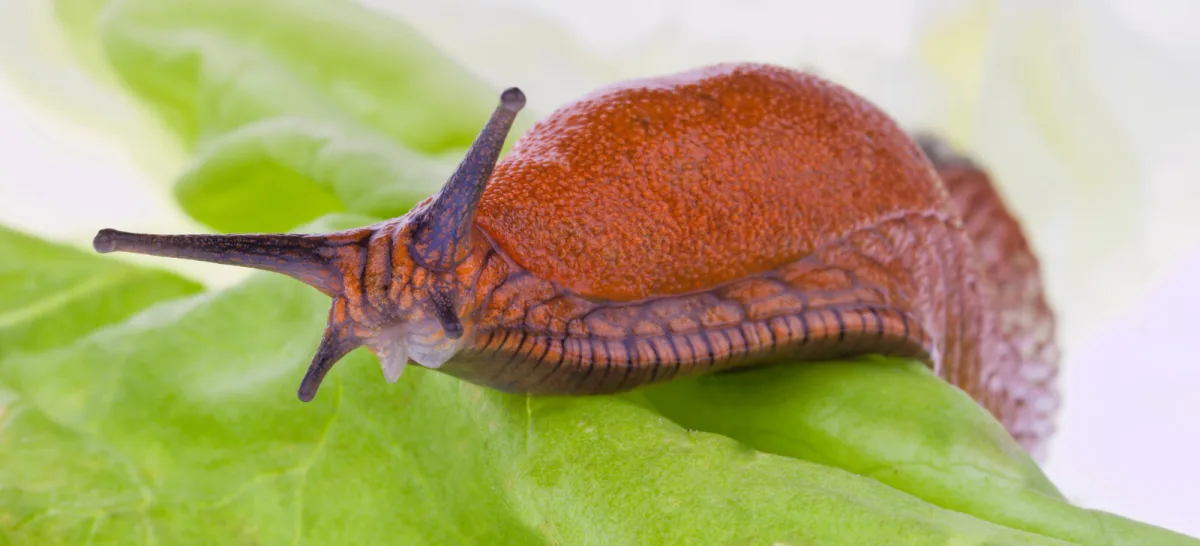
From spring through to late summer, the same scenario repeats itself in many gardens. During the day the beds look calm, but as soon as it gets dark and the soil is damp after watering, slugs start emerging from their hiding places and head for the most tender plants. It’s usually young seedlings, lettuces, strawberries, or freshly sown vegetable rows that take the hit. One night is enough for the damage to be surprisingly severe.
That’s why many growers reach for quick fixes—but not every option is ideal. Blue poison pellets may reduce slug numbers, but they can pose a risk to pets and wildlife. Beer traps often disappoint at the first rain or require frequent topping up. So it makes sense to look for a physical barrier that works without chemicals and lasts longer than a single night.
Gentler approaches and why a barrier is worth it
If you do want to use pellets, gentler options are usually products based on ferric phosphate. Even so, many people prefer methods that don’t kill slugs, or at least don’t rely on poison. This is exactly where barriers have the advantage. If a slug can’t reach the plant in the first place, you don’t have to deal with the aftermath—or the regular scattering of bait.
A good barrier should be continuous, durable, and ideally something rain won’t wash straight into the soil. And that’s precisely what a simple trick with petroleum jelly and salt delivers. It’s suitable for raised beds, window boxes, and pots. In practice, it’s an inconspicuous band along the top rim of a container or edging that a slug can’t easily get past.
The invisible trick with petroleum jelly and salt
The base is ordinary white petroleum jelly. It’s hydrophobic, meaning it repels water, so rain runs off it and the mixture doesn’t dissolve or disappear right away. When you mix fine table salt into the petroleum jelly, you create a sticky obstacle with salt crystals firmly embedded. That means the salt doesn’t wash out easily in rain or seep into the soil the way a simple salt sprinkle would.
As soon as a slug tries to crawl across the band, its moist body comes into contact with the salt held in the greasy base. That’s extremely unpleasant for it and usually stops it before it reaches your plants. The result is protection that isn’t obvious, yet can keep working for several weeks.
How to make and apply the barrier
First, prepare the place where you’ll apply the barrier. Using a dry cloth, carefully clean the upper outer rim of the pot or window box to remove dust, soil, and dried-on grime. For a raised bed or frame, do the same along the edge the slugs would climb. A clean surface matters so the mixture adheres well and doesn’t break up.
In a small bowl, mix about two tablespoons of petroleum jelly with one tablespoon of fine salt. Stir thoroughly so the salt is evenly distributed. Then put on gloves and, using a finger or an old brush, apply the mixture around the rim all the way around. Create a continuous strip about 2 cm wide. The key is to leave no gaps that a slug could use as a passage.
What to watch out for so the barrier works
Even though the mixture is durable and can handle repeated showers, it can fail because of one common mistake. The container or bed with the barrier must not touch anything that creates a bridge for slugs. If a window box touches a wall, railing, board, or is overlapped by a neighbouring plant’s leaf, a slug will use it as a bypass and reach the protected area from above.
Even a single blade of tall grass leaning against the edge can be enough. In that situation the band on the rim remains intact, but slugs simply go around it. It’s worth checking the surroundings regularly, trimming back overgrown grass, and keeping a small clear space around pots and raised beds.
The mixture usually stays sticky and effective for several weeks. If it gets dusty over time or is damaged mechanically, just top it up. At the end of the season, you can easily wipe it off with a paper towel and clean the surface in the usual way.
Where this protection works best
This method gives the best results where the barrier has a clear edge and the slug has to climb around the perimeter. Typically that means pots, patio planters, raised beds, or beds with a solid edging. In these cases, the salty petroleum jelly can form an unobtrusive but practically impassable line, helping plants get through the riskiest period without chewed leaves.
Source: Gardening Know How, Gardener’s World, Gardenery, Pestrazahrada.cz

A lover of nature, gardens, and everything that moves, blooms, or grows. He literally grows everything, from herbs to rare species, and he enjoys caring for animals just as much. In his work, he connects modern technology with tried-and-tested grandmotherly methods and is happy when both paths lead to the same goal.
Related articles
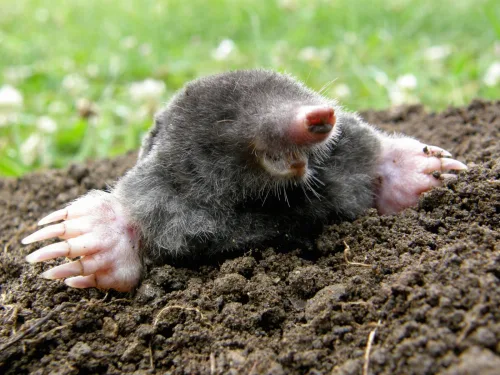
Fighting moles tempts you into a quick fix that can put you on the wrong side of the law
Fresh molehills can ruin a lawn, but the common mole is a protected species and lethal control can be illegal. Learn how to tell a mole from a vole and which lawful, effective methods actually encourage it to move on.
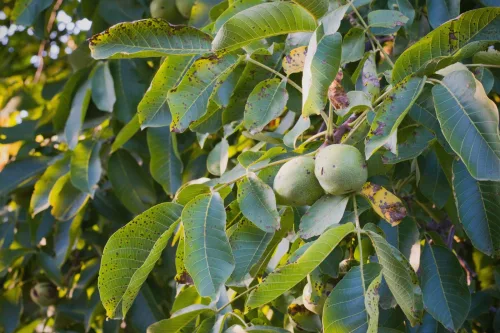
Why the Tree That Feeds a Family for Generations Is Disappearing from Czech Gardens
The English walnut used to be a staple of larger gardens and farmyards, valued for its nutritious nuts and many practical uses. With the right site and variety, it remains one of the most rewarding long-lived trees you can plant.
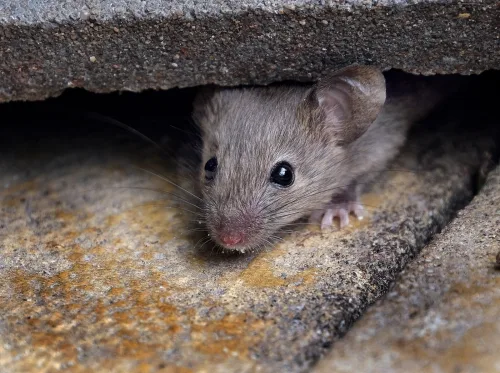
How to Get Rid of Mice and Rats in the House, Loft and Garden Effectively
Mice and rats don’t leave quietly—scratching sounds, droppings and gnaw marks are clear warnings. A lasting solution comes down to three steps: block entry points, remove food sources, then use traps or professional control.
Comments (0)
Be the first to comment.