
 English
  Polski
  Deutsch
  Nederlands
  Svenska
  Norsk
Norsk  Dansk
Dansk  Français
  Italiano
  Español
  Português
  Slovenčina
  Suomi
Suomi  Gaeilge
 Two Everyday Kitchen Ingredients That Make Basil Bushier and More Fragrant
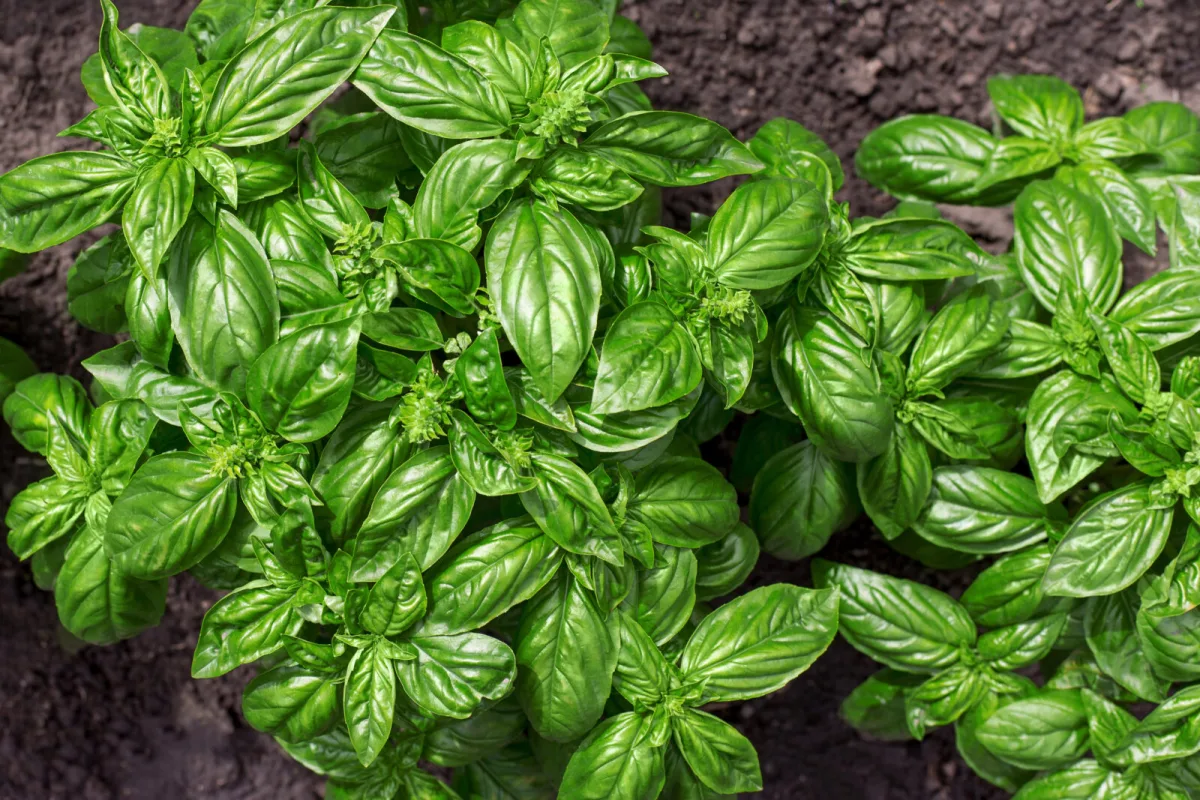
Basil is one of the most popular culinary herbs, but for it to truly thrive, it needs more than a warm spot and regular watering. Whether you’re growing it in a pot on a windowsill, on a balcony, or in a garden bed, the plant gradually uses up nutrients in the soil. The result can be paler leaves, slower growth, or a less dense, leggy plant. Instead of store-bought chemical products, you can reach for what almost everyone has at home and what often ends up in the bin. A great combination is used coffee grounds and eggshells, which give basil nourishment as well as a little extra protection.
Coffee grounds as a gentle leaf-boosting fertilizer
Used coffee isn’t just waste. Coffee grounds contain a range of minerals plants can use, such as nitrogen, phosphorus, potassium, calcium, and magnesium. For basil, nitrogen matters most because it supports leafy growth and helps maintain a deep green colour. The basic rule is simple: let the grounds dry first so they don’t go mouldy in the pot, then only occasionally work a very small amount lightly into the surface layer of the potting mix.
It’s important not to overdo the quantity. Too-frequent or heavy applications can gradually make the soil more acidic, which may not suit basil. That’s exactly why it makes good sense to pair coffee with a second kitchen ingredient that balances the effect.
Eggshells add calcium and may discourage pests
Eggshells are a natural source of calcium. Calcium contributes to strong cell walls, so the plant can look more vigorous and resilient. Beyond nutrition, eggshells also have a practical benefit: if you crush them into small, sharper pieces and spread them on the soil surface, they can make it harder for unwanted visitors to reach the plant. It’s not an impenetrable shield, but as an extra barrier it can work surprisingly well, especially outdoors in garden beds.
Before using them, rinse the shells, let them dry thoroughly, then crush them. The smaller the pieces, the more easily they’ll break down in the soil over time and release nutrients.
Best results come from using both together as a light mulch
The most practical approach is to combine both ingredients. Mix dry coffee grounds with crushed eggshells and make a thin layer around the basil. This simple mulch helps retain moisture, reduces overheating at the surface of the potting mix, and gradually breaks down. That way, basil doesn’t get a one-off hit, but a steady, gentle feed, which is often better for sensitive herbs.
Alongside the nutrient boost, the soil itself improves. The mix can help create a better structure in the potting mix, making it looser and more free-draining. This is especially helpful for basil grown in pots, where the compost tends to compact over time and becomes less aerated.
Why choose natural feeding
This method is a good example of how plant care can go hand in hand with reducing waste. What would otherwise end up in the bin turns into a useful source of nutrients. It’s also a gentler option than harsh synthetic fertilisers, which, if misapplied, can stress the soil and disrupt its natural balance. Basil, as an aromatic but fairly sensitive herb, typically responds better and more consistently to mild feeding.
A simple habit that shows in flavour and fragrance
The big advantage is that you don’t need any special equipment or expensive products. Just remember two small things: always let coffee grounds dry, and clean and crush eggshells beforehand. Then simply top up a thin layer of the mix around the plant from time to time, or lightly work it into the soil surface.
Next time you make coffee and have eggshells left over, try not to throw them away. Your basil will reward you with denser, sturdier, and noticeably more fragrant leaves.
Source: MyPlantin, Gardener’s World, Pestrazahrada.cz

A lover of nature, gardens, and everything that moves, blooms, or grows. He literally grows everything, from herbs to rare species, and he enjoys caring for animals just as much. In his work, he connects modern technology with tried-and-tested grandmotherly methods and is happy when both paths lead to the same goal.
Related articles
Next year you can harvest better if you don’t sow carrots where they won’t thrive
Carrot root fly can ruin carrots, parsley and celery from the inside out, often without obvious warning until harvest. Better site choice, rotation, later sowing and simple physical barriers can dramatically cut damage next season.
How to Propagate Roses from Cuttings at Home and Fill Your Garden with Blooms Almost for Free
Want more roses without paying for new plants? With a few healthy cuttings and a simple plastic-bottle mini greenhouse, you can root new bushes at home in just a few weeks.
Heathers can cope where other plants won’t, but one soil detail decides everything
Heathers and heaths are tough evergreen shrubs that can flower across the seasons when you choose the right types. Success hinges on matching the plant to your soil pH and ensuring free drainage.
Comments (0)
Be the first to comment.