
 English
  Polski
  Deutsch
  Nederlands
  Svenska
  Norsk
Norsk  Dansk
Dansk  Français
  Italiano
  Español
  Português
  Slovenčina
  Suomi
Suomi  Gaeilge
 Forgotten Fruit from Grandma’s Garden A Small Miracle for Health
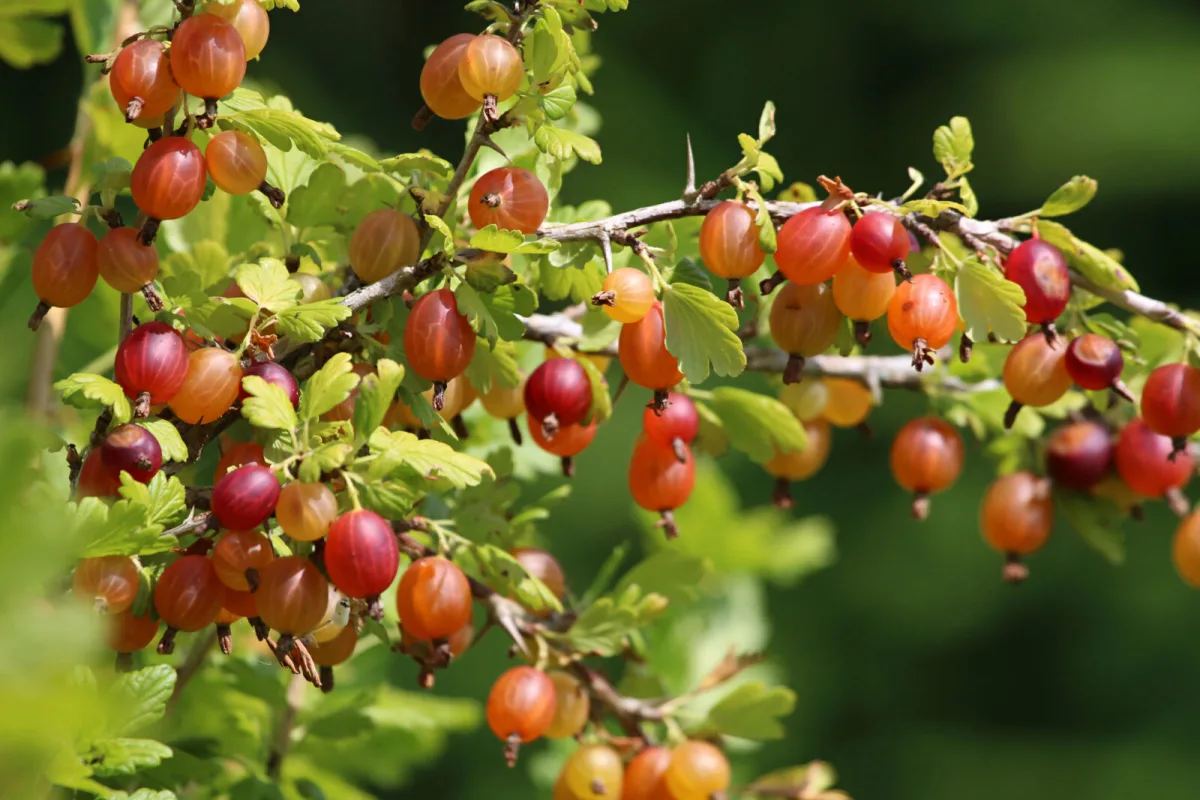
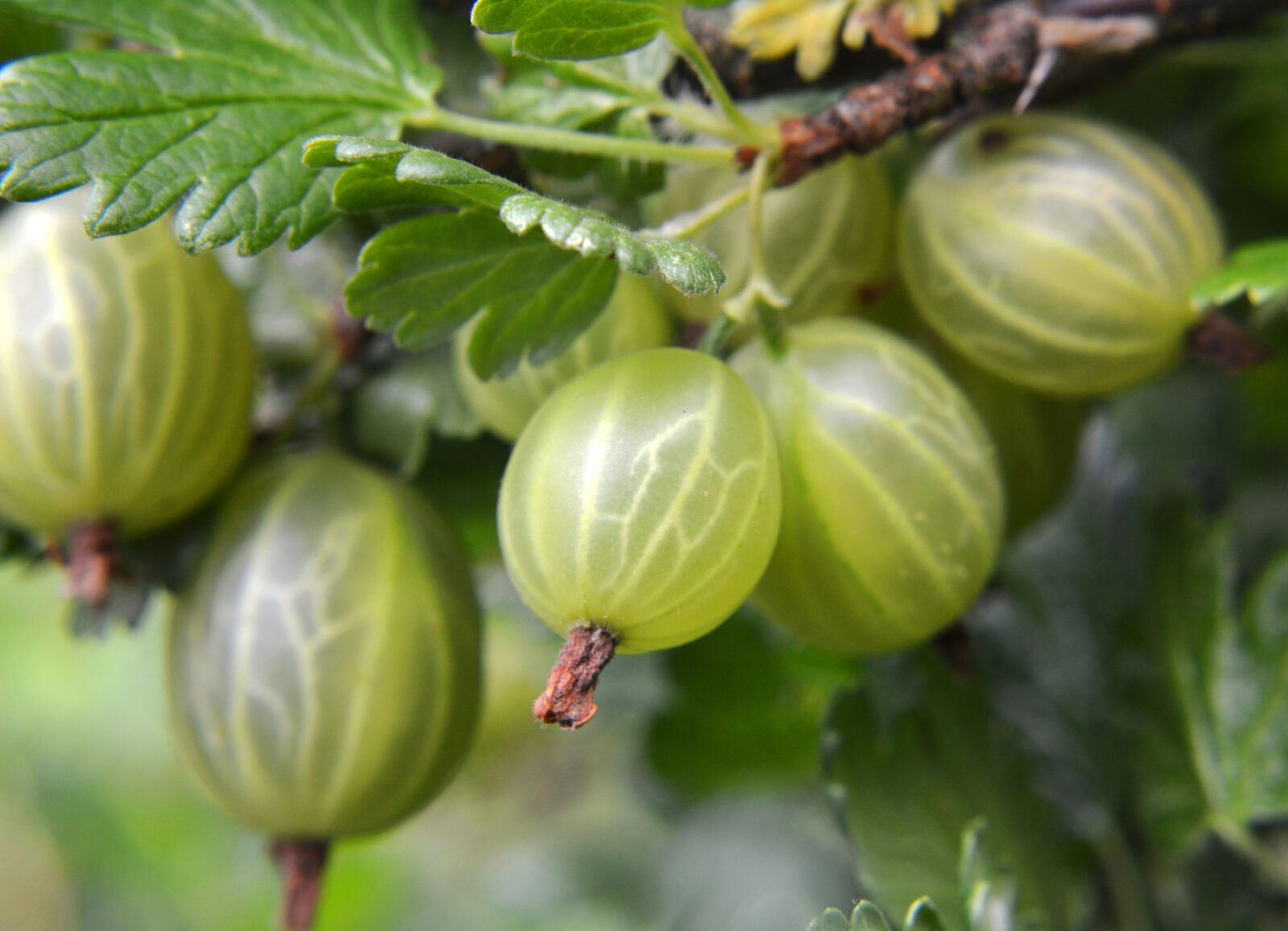
Gooseberries are something many people associate with childhood and Grandma’s bushes at the back of the garden. These days they’re far less common in home gardens, even though they’re an understated fruit with striking benefits. If you include them in your diet mainly in season, they can give the body surprisingly noticeable support. Often all it takes is a small portion, about a handful a day, and there’s no need to eat them consistently all year round.
Why gooseberries are special and easy to grow
There are green, yellow and red varieties, but their benefits don’t differ so much that it makes sense to choose solely by colour. Our ancestors grew them as a matter of course, because the bushes don’t require complicated care and, in a good spot, can crop very reliably. It’s exactly this combination of low-maintenance growing and nutritional value that makes gooseberries a fruit worth bringing back into our gardens.
What gooseberries can do for the body
Gooseberries are traditionally associated with supporting the liver, heart and kidneys, as well as better digestive function. In folk practice, syrups were made from them and used for colds, inflammation and fevers. Their ability to help the body settle and cool down more quickly during high temperatures is also mentioned, which is why it’s recommended not to overdo the amount if you’re not used to them.
Their antioxidant strength and vitamin C content are important too. Sources often note that it can be remarkably high in this respect, which is why gooseberries are linked to immune support and protecting cells from the unwanted effects of free radicals.
Vitamins, minerals and help with weight loss
Gooseberries contain a range of vitamins, especially A, some B vitamins, plus C, D and E, while having a relatively low energy value. That makes them suitable for people looking to lose weight without giving up a fruity taste. They also contain pectin and minerals such as potassium, phosphorus and calcium. Pectin is commonly associated with supporting bowel function and may also help maintain healthier cholesterol levels.
Support for the urinary tract, blood vessels and blood formation
Less well known is the connection between gooseberries and urinary tract comfort. Traditionally, they’re said to help flush out unwanted bacteria while also encouraging the excretion of excess water, which can be useful when you feel water retention. Gooseberries are also mentioned in connection with strengthening blood vessels and providing support with higher blood pressure.
If you struggle with anaemia, gooseberries may be of interest thanks to their iron content. Beyond that, they’re credited with a beneficial effect on the appearance of skin, hair and nails, so sometimes it’s enough to include fruit regularly rather than relying only on cosmetic treatments.
Not only the fruit, but the leaves are useful too
Gooseberry leaves contain vitamin C, tannins, flavonoids and mineral salts as well, for example manganese and magnesium. Thanks to this, infusions and decoctions are prepared from them and traditionally used for their disinfectant and anti-inflammatory effects. In practice, they can be used externally on small cuts and grazes or as a gargle for irritation in the mouth.
Gooseberry leaf tea and when it’s useful
Leaf tea is described as a drink that promotes sweating and acts as a mild diuretic, which can help remove excess water and flush the urinary tract. It’s also mentioned for constipation and sluggish digestion. Regular drinking is also cited as a supplement for prevention with lifestyle-related issues, for example fluctuating blood pressure or metabolic strain, and it’s often recommended especially in colder months, when the body is more prone to colds.
Basic infusion preparation: dried leaves are steeped briefly in hot water so the active compounds are released, but the drink doesn’t become unnecessarily astringent.
Compresses and baths from the leaves
A leaf decoction is also used in traditional practice as a compress for overworked joints, typically knees, where the warm decoction and leaves help to warm the area through. In a bath, leaves are added to soothe irritated skin, as they may ease itching, redness and discomfort that can accompany various forms of dermatitis.
How to include gooseberries sensibly
The simplest approach is to make the most of the season and enjoy gooseberries fresh, ideally in smaller amounts. If you opt for leaf teas or external use, it’s wise to watch how your body responds and stick to moderation. Even with natural remedies, strong effects often mean you need a sensible dose so the support is beneficial rather than excessive.
Source: Zahrádkářův rok, Zdravé tipy, Pestrazahrada.cz

A lover of nature, gardens, and everything that moves, blooms, or grows. He literally grows everything, from herbs to rare species, and he enjoys caring for animals just as much. In his work, he connects modern technology with tried-and-tested grandmotherly methods and is happy when both paths lead to the same goal.
Related articles

Fighting moles tempts you into a quick fix that can put you on the wrong side of the law
Fresh molehills can ruin a lawn, but the common mole is a protected species and lethal control can be illegal. Learn how to tell a mole from a vole and which lawful, effective methods actually encourage it to move on.
Why the Tree That Feeds a Family for Generations Is Disappearing from Czech Gardens
The English walnut used to be a staple of larger gardens and farmyards, valued for its nutritious nuts and many practical uses. With the right site and variety, it remains one of the most rewarding long-lived trees you can plant.

How to Get Rid of Mice and Rats in the House, Loft and Garden Effectively
Mice and rats don’t leave quietly—scratching sounds, droppings and gnaw marks are clear warnings. A lasting solution comes down to three steps: block entry points, remove food sources, then use traps or professional control.
Comments (0)
Be the first to comment.