
 English
  Polski
  Deutsch
  Nederlands
  Svenska
  Norsk
Norsk  Dansk
Dansk  Français
  Italiano
  Español
  Português
  Slovenčina
  Suomi
Suomi  Gaeilge
 Homemade Pickled Gherkins Just Like Grandma’s, Crunchy and Sweet-and-Sour
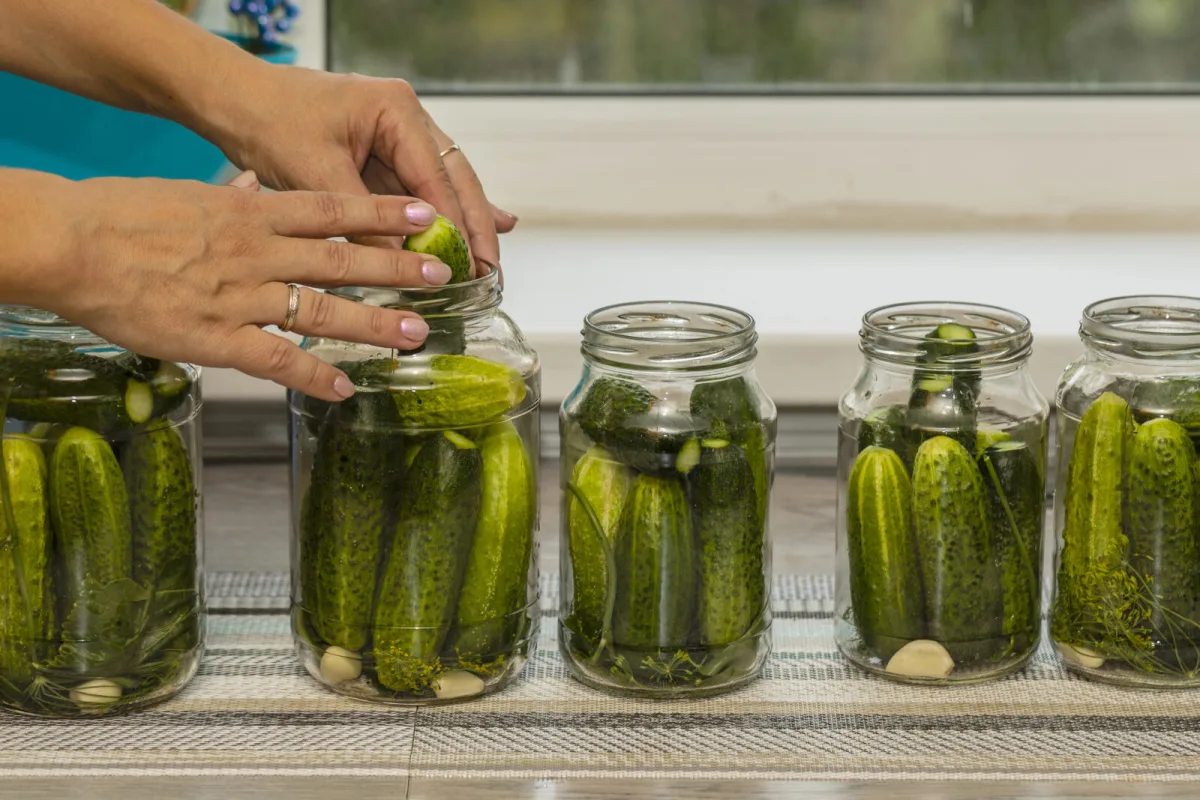
Pickled gherkins are made in many families using a recipe passed down through generations. Even if you don’t have a trusted method at home, you can prepare your own jars with a flavour you usually won’t get from the supermarket. Homemade gherkins tend to be much crunchier, sweet-and-sour exactly to your preferences, and you also have control over what actually goes into the brine.
There are ready-made brine mixes for sale that you simply dilute and briefly boil. They often contain preservatives that aren’t necessary in a home kitchen if you keep jars clean and sterilise properly. That’s why it pays to make your brine the traditional way from water, vinegar, sugar, salt and spices, ideally a little ahead of time so the flavours can meld nicely.
Make the brine in advance and let it cool
The key to success is a well-balanced brine. In a large pot, combine 3 litres of water, 0.75 litres of 8% vinegar, 330 grams of sugar and 130 grams of salt. Add the spices that give classic pickled gherkins their flavour: 4 teaspoons of mustard seeds, about 20 black peppercorns, 20 allspice berries, 5 cloves and 4 bay leaves. Bring the mixture to the boil, simmer gently for about 15 minutes, then let it cool completely so the gherkins don’t soften unnecessarily when you pour it over them.
Choose the right size gherkins and clean them thoroughly
For bottling, smaller, firm, crisp gherkins work best, about 5 to 10 centimetres long. They pack well into the jar, hold their shape better, and stay pleasantly crunchy after sterilising. Larger, overgrown cucumbers are better for quick fermentation, or you can process them separately, sliced into spears or rounds.
Even more important than size is thorough washing. Rinse the gherkins repeatedly in several changes of water and, if needed, gently scrub them with a brush, especially if they’re muddy. Finally, remove any stem ends and check that no dirt remains on the skin, as it can reduce shelf life.
Traditional jar add-ins and variation ideas
Typical pickled gherkins include carrot, onion and dill, ideally with part of the flower head. Peel the carrot and onion and slice them into rounds; usually two to three carrot slices and a few onion rings per jar are enough. Add dill both as stems and a small piece of the flower, because that’s what provides the familiar aroma.
If you like a bolder flavour, you can add a hot chilli, a piece of horseradish, or a clove of garlic. The important thing is not to overdo it, so the seasonings don’t overpower the gherkins and the brine stays balanced.
Jars and lids must be perfectly clean
Cleanliness is crucial when preserving. Wash the jars and lids carefully and, if you can, boil them to sterilise. A dishwasher on the hottest programme can also help. Classic jars of about 0.7 litre with screw-top lids are practical, easy to handle and quick to work with.
Filling the jars and covering with cooled brine
Put the prepared carrot, onion and dill at the bottom of the jar, along with any other flavourings to taste. Then pack the gherkins upright as tightly as possible to use the space well and keep them stable during sterilising. Pour in the cooled brine so the level ends about 0.5 to 1 centimetre below the rim. Wipe the jar mouth completely clean with a paper towel and screw the lid on firmly.
Sterilising at the right temperature decides the crunch
Sterilise the jars for about 20 minutes at 80 °C. It’s worth monitoring the temperature with a thermometer, because overheating can dull the colour and take away the crunch. Once done, remove the jars immediately, turn them upside down and let them cool. Then store them in a dark, cool place, such as a pantry or cellar.
An alternative is preserving in the oven, where jars are usually processed at a higher temperature for longer. Whichever method you choose, the most important things are steady temperature and cleanliness while filling.
When the gherkins taste best and how to speed things up
Ideally, wait and open the first jar after about a month, when the brine and spices have fully infused the gherkins. If you want them to take on flavour a little faster, lightly pierce them with a fork in a few places before packing. The brine will penetrate the flesh more easily, and the result will taste fuller sooner.
Homemade pickled gherkins come down to three things: the right size and cleanliness of the gherkins, a balanced, fully cooled brine, and gentle sterilising that preserves both colour and crunch.
Source: Jídlo, Pestrá zahrada, Pestrazahrada.cz

A lover of nature, gardens, and everything that moves, blooms, or grows. He literally grows everything, from herbs to rare species, and he enjoys caring for animals just as much. In his work, he connects modern technology with tried-and-tested grandmotherly methods and is happy when both paths lead to the same goal.
Related articles
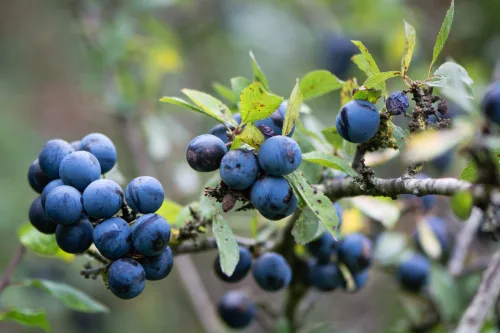
The Most Overlooked Shrub in the Czech Landscape Sloe Feeds Bees Shelters Birds and Bears Fruit Few People Know
Blackthorn (sloe) is an unassuming, thorny shrub that supports wildlife early in the season and yields dark, frosted fruits in autumn. Once touched by frost, its astringent sloes become a valued ingredient for preserves, drinks, and traditional remedies.
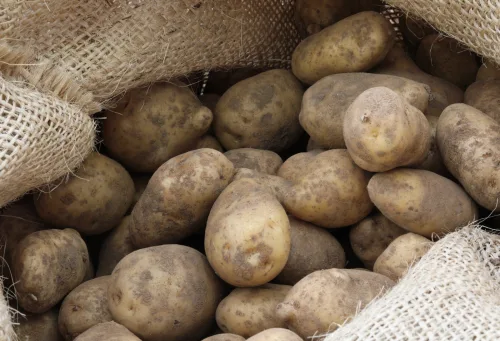
How to Choose a Sack for Storing Potatoes So They Don’t End Up in the Compost in a Few Weeks
The right storage sack helps protect potatoes from light and excess moisture, two common reasons they spoil. Learn when to choose a jute sack or a paper sack and how to keep your crop sound for months.
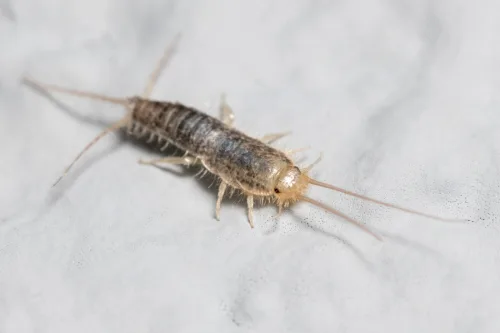
Silverfish Appear at Night and Vanish into Cracks Get Rid of Them with One Change Not a Spray
Silverfish thrive in dark, damp corners and often show up only at night. Long-term control comes from drying the space and removing hiding places, not just spraying chemicals.
Comments (0)
Be the first to comment.