
 English
  Polski
  Deutsch
  Nederlands
  Svenska
  Norsk
Norsk  Dansk
Dansk  Français
  Italiano
  Español
  Português
  Slovenčina
  Suomi
Suomi  Gaeilge
 Spaniards Grow the Sweetest Strawberries Thanks to One Thing They Add to the Soil
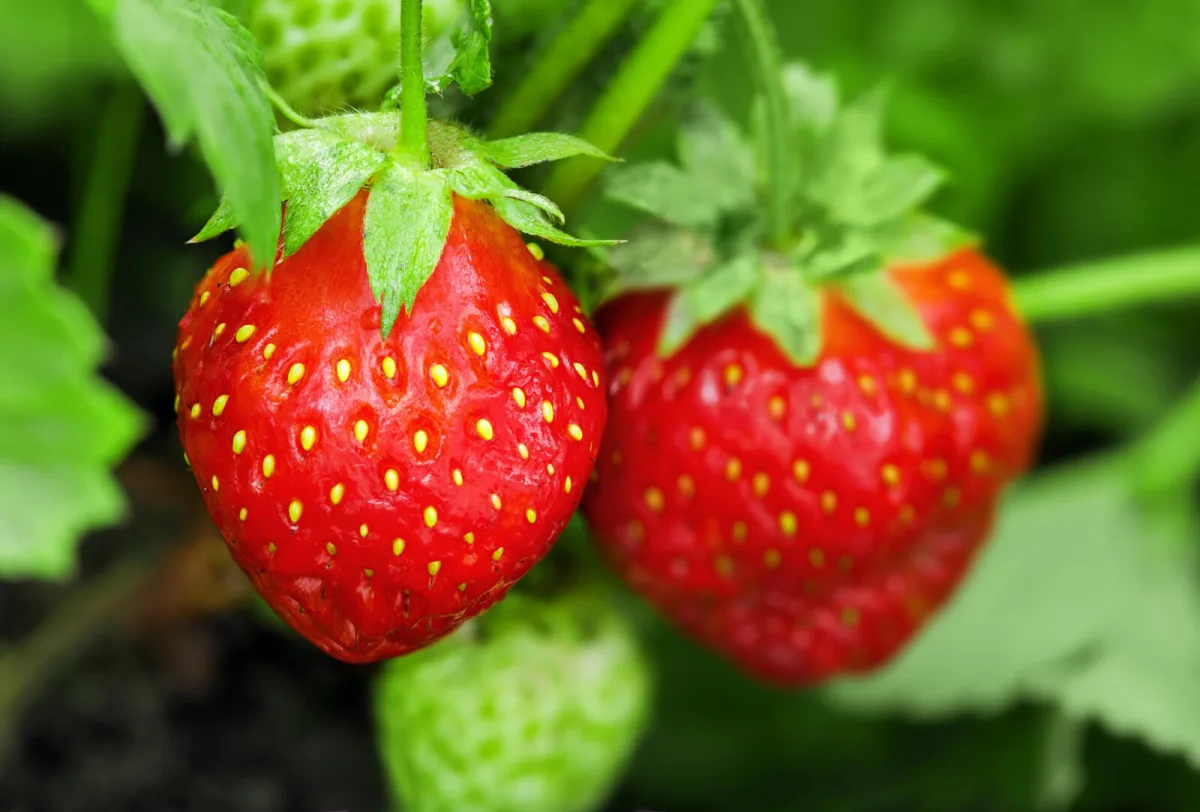
Strawberries are among the most widely grown fruits in the world, and they hold pride of place in our gardens too. Yet few people realise how long a journey this fragrant fruit has made through history. Archaeological finds suggest people were gathering strawberries as far back as prehistory, and it’s also certain they were known to the ancient Romans. They valued them not only for their taste, but also credited them with a reputation as an energising fruit. Strawberries began to be cultivated more widely in Europe later on, especially in the late Middle Ages, when they appeared in monastery gardens. Today it’s no longer just about tradition, but above all about proper care, which determines whether the fruit will be watery or, on the contrary, sweet and juicy.
Conditions in which strawberries thrive best
The key to success is understanding what strawberry plants need. They do best in a temperate climate, where there’s no extreme heat and the soil doesn’t dry out unnecessarily. When it comes to siting, it’s important that the soil isn’t waterlogged, because strawberries don’t tolerate standing in water for long periods. The ideal is a well-drained loam rich in organic matter—able to hold moisture while still letting excess water escape.
Soil reaction matters too. Strawberries prefer slightly acidic conditions, roughly in the pH range 5.5 to 6.5. If the soil is too acidic or otherwise outside that range, the plant may struggle to take up certain elements. In practice this often means strawberries begin to lack, for example, phosphorus or calcium, even if those nutrients are technically present in the soil.
Nutrients that decide the flavour and size of the fruit
Strawberries need balanced nutrition, because sweetness and juiciness don’t happen by accident. Key macronutrients include nitrogen, which supports growth and overall vigour—but in excess it can push the plant into producing leaves rather than fruit. Phosphorus is important for roots, and therefore for the ability to take up both water and nutrients. Potassium helps transport sugars into the fruit, which is why it’s so often linked with better flavour and higher sugar content.
Alongside that, strawberries benefit from calcium, which strengthens cell walls and improves resilience to certain issues; magnesium, which is essential for processes tied to photosynthesis; and sulphur, which plays a role in protein formation. Micronutrients are just as important, especially iron, manganese and boron. Even though they’re applied in small amounts, deficiencies can quickly show up in the condition of the plants and the quality of the crop.
How to feed strawberries for a heavy, sweet crop
Simply knowing which elements strawberries need doesn’t automatically guarantee excellent fruit. The method of feeding and the timing are what matter. Many growers reach for ready-made fertilisers formulated specifically for strawberries, which are usually designed to provide a balanced ratio of nutrients and support plants through different stages of growth and fruiting. It’s an easy solution, but the key is not to overdo the dose and to stick to the manufacturer’s recommendations.
An interesting inspiration comes from Spain, where growers—alongside standard blends—often rely on organic nutrition. Local producers pay close attention to making sure the bed itself contains a quality organic component from the start. This isn’t just about supplying nutrients; it also improves soil structure, which has a direct impact on roots, water management and overall plant vitality.
The Spanish method with compost and well-rotted manure
One of the most common approaches is to place a layer of compost at the bottom of the prepared bed. Compost releases nutrients gradually, supports soil life, and helps the soil retain moisture without turning into an airless sludge. That keeps roots in a stable, fertile environment, allowing the plant to focus on producing flowers and fruit.
A second option the Spanish use before planting is truly well-rotted cattle manure. It’s crucial that it’s fully decomposed, because fresh manure can damage roots and cause more problems than it solves. The best approach is to work the manure into the soil well in advance, mix it thoroughly with the existing soil, and then water well. This improves soil structure and creates a nutrient base from which strawberries can draw steadily, rather than receiving a one-off shock.
Why organic feeding often works better than quick top-ups
Organic fertilisers have one big advantage: they work over the long term and improve the soil as a whole, not just the plant’s immediate growth. A well-prepared bed with compost or well-rotted manure is typically crumbly, manages water better, and lets roots penetrate more easily. The result is often not only a bigger harvest, but also more pronounced flavour, because the plant isn’t forced into rapid growth at the expense of quality. So if you want strawberries that are genuinely juicy and sweet, it pays to take inspiration from the Spanish approach and start at the roots—literally and figuratively.
Source: ISHS, Herogra Especiales, RHS, Pestrazahrada.cz

A lover of nature, gardens, and everything that moves, blooms, or grows. He literally grows everything, from herbs to rare species, and he enjoys caring for animals just as much. In his work, he connects modern technology with tried-and-tested grandmotherly methods and is happy when both paths lead to the same goal.
Related articles
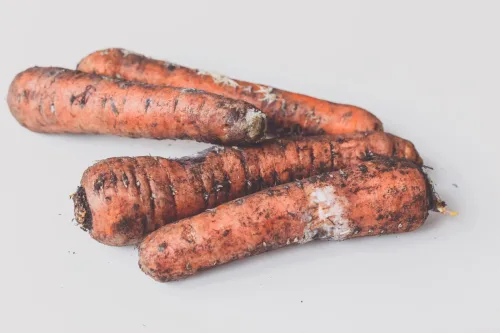
Next year you can harvest better if you don’t sow carrots where they won’t thrive
Carrot root fly can ruin carrots, parsley and celery from the inside out, often without obvious warning until harvest. Better site choice, rotation, later sowing and simple physical barriers can dramatically cut damage next season.

How to Propagate Roses from Cuttings at Home and Fill Your Garden with Blooms Almost for Free
Want more roses without paying for new plants? With a few healthy cuttings and a simple plastic-bottle mini greenhouse, you can root new bushes at home in just a few weeks.
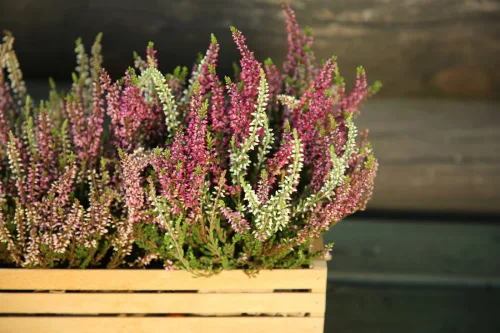
Heathers can cope where other plants won’t, but one soil detail decides everything
Heathers and heaths are tough evergreen shrubs that can flower across the seasons when you choose the right types. Success hinges on matching the plant to your soil pH and ensuring free drainage.
Comments (0)
Be the first to comment.