How to Grow Cauliflower in the Garden for Firm, Tight Heads
Cauliflower needs steady moisture, fertile soil, and even temperatures to form dense, well-shaped heads. Learn how to time sowing and planting so the curds develop in the best conditions.
June is a make-or-break month for tomatoes, when fast growth and heavy flowering set the stage for the harvest. Two simple homemade feeds—banana peel with yeast, then wood ash—can boost bloom, fruit set, and flavour.
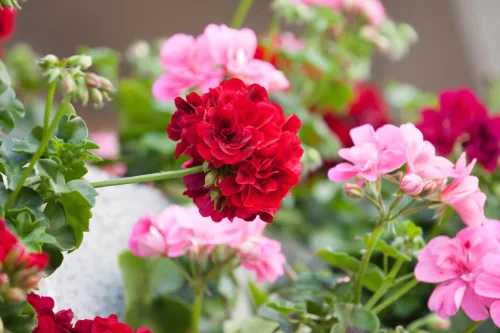
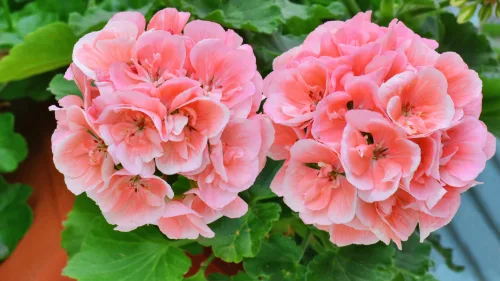
Lush, cascading trailing geraniums aren’t about a secret variety—they’re the result of a good start, timely pinching, and steady feeding. Give them room, sun, and the right nutrients, and small plants quickly bulk up into long, flower-packed trails.
Sensitive skin or a dislike of the typical pool smell doesn’t mean you have to rely on heavy chemicals. With strong filtration, good circulation and the right low-chemical tech, you can keep pool water clear for the whole season.
A neatly clipped boxwood ball brings structure and elegance to entrances, courtyards, and formal front gardens. With young plants and light, regular trimming, you can achieve a dense sphere without hard pruning.
Rhododendrons will only flower well when their key needs are met: acidic soil, steady moisture, and the right light. Here’s what most often stops them blooming and what you can fix immediately.
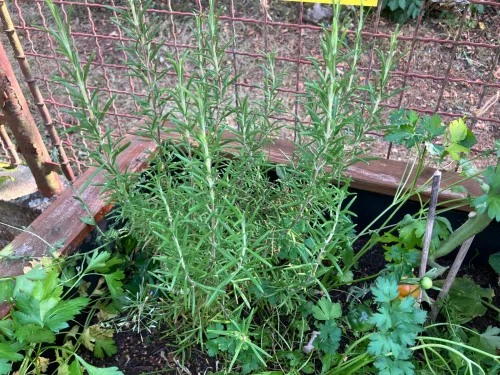
Herbs are easy to grow almost anywhere and bring fragrance, flavour and real benefits to your home. Here are seven practical reasons to start growing them right now, from saving money to supporting wildlife.
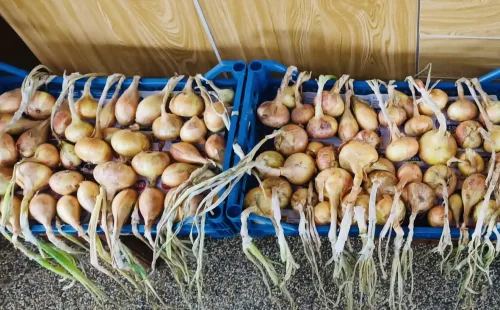
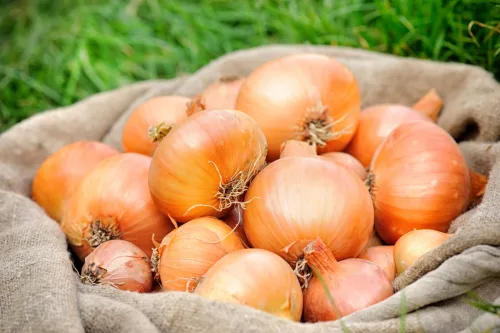
Onions can be brilliantly reliable, but only if the variety suits your day length and you get the basics right. Here are the most common growing slip-ups that lead to lots of leaves and disappointing bulbs, plus straightforward fixes.
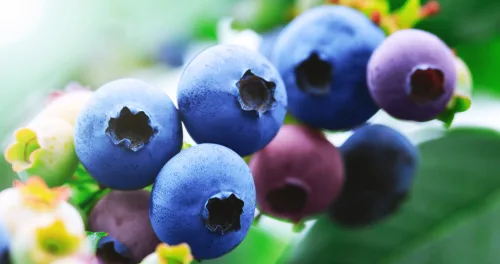
Rusty colouring on blueberry leaves is usually a sign the plant is stressed and not taking up nutrients properly. Correct the soil pH, fine-tune watering, and watch for pests and disease to restore healthy growth and protect your harvest.
Ranunculus rewards you with richly coloured, rose-like blooms when you give it sun, free-draining soil and careful watering. Learn when to plant the tubers, how to feed and overwinter them, and how to keep stems strong for cutting.
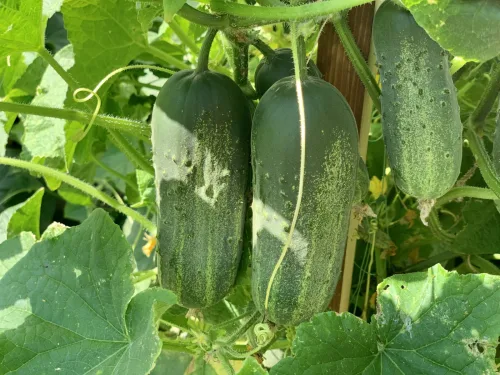
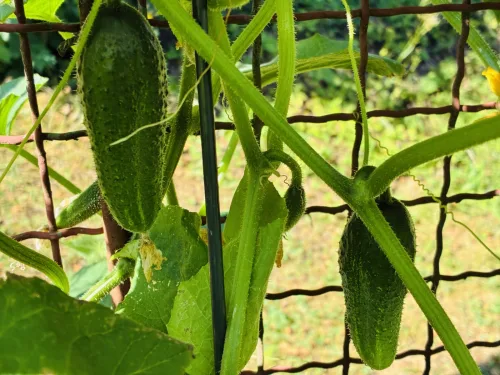
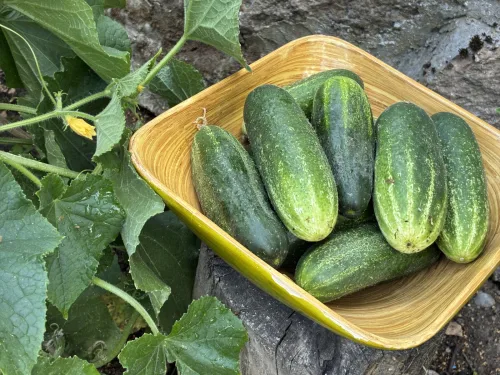
Cucumbers are quick and generous, but they punish cold snaps and uneven watering. Learn the key growing basics and the simple habits that keep fruit crisp, sweet, and bitterness-free.
For Dracaena marginata, correct watering is the single most important factor for long-term health. Learn how light, season and simple checks help you water at exactly the right time.
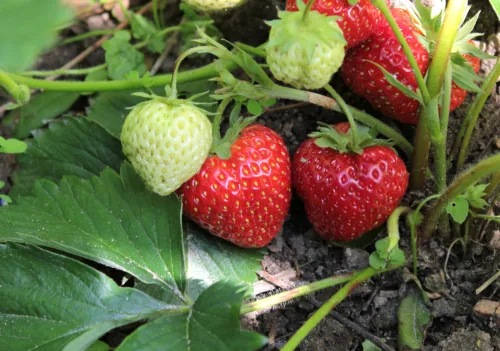
Strawberries are easy-going, but a few key steps make the difference between a so-so crop and baskets of sweet fruit. Get the site, planting depth, watering, mulching and disease prevention right, and the bed will improve year after year.
Cordoned (indeterminate) tomatoes need regular sucker removal to stay airy, productive, and less prone to fungal disease. Done early and by hand, it leaves smaller wounds and reduces the risk of infection spreading.
If you pinch out tomato side shoots, don’t send them straight to the compost. Steep them to make a simple, effective homemade spray that helps deter common garden pests.
Philadelphus coronarius (mock orange) is a classic deciduous shrub prized for its clouds of white, powerfully scented flowers in late spring and early summer. Learn how to site, plant, water and prune it correctly for reliable, fragrant bloom year after year.
If your rhododendron’s young leaves show green veins but yellowing between them, it’s usually chlorosis caused by iron being unavailable in the soil. Correct the pH, improve watering, and support the plant with iron to restore healthy growth.
Not all “jasmine” is the same. Learn which Jasminum species suit outdoor walls and pergolas, winter colour, or indoor growing—and how to site and care for them so they flourish.
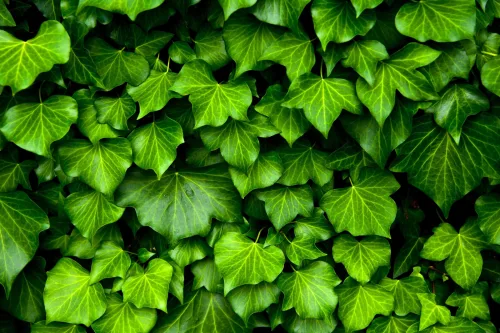
English ivy is a superb evergreen cover, but its vigour can bring real headaches—from damaged render and overloaded fences to pests indoors and invasive spread in borders. Here’s how to spot the most common issues and keep ivy healthy and under control.
Browning thuja in summer is most often linked to drought stress, poor spacing, or unsuitable soil, but it can also point to pests or nutrient shortages. With the right watering, planting distances, gentle pruning, and targeted feeding, most hedges can recover their colour and vigour.
Marsh marigold is a tough, low-maintenance perennial that thrives where soil stays consistently wet. It brings bright spring colour to pond edges, ditches and other waterlogged spots where many plants struggle.
Garlic often starts yellowing in May after heavy rain and cold nights, usually from a temporary nitrogen shortage rather than disease. A quick foliar feed can stop the decline within days and keep bulbs sizing up properly.
Cucumbers hate cold, but you can still get a head start by soaking the seeds before sowing. With the right warmth afterwards, seedlings can emerge about a week earlier and bring harvests forward.
Limescale can clog kettles, showerheads and appliances, but you don’t always need pricey specialist cleaners. Used correctly, everyday white vinegar is an inexpensive, highly effective way to dissolve mineral build-up with minimal scrubbing.
Tomatoes thrive when they’re planted into properly warmed soil and then given consistent, practical care. These proven basics help build stronger plants, improve flowering and deliver a bigger, healthier harvest.
Planting in groups of odd or even numbers can completely change how cohesive and intentional a border looks. Use odd-numbered groupings for a natural flow, and even numbers where symmetry and structure are the goal.
Flies thrive anywhere they can find food, warmth and breeding spots. Reduce odours and use strongly scented plants around windows, doors and seating areas to create a natural, chemical-free barrier.
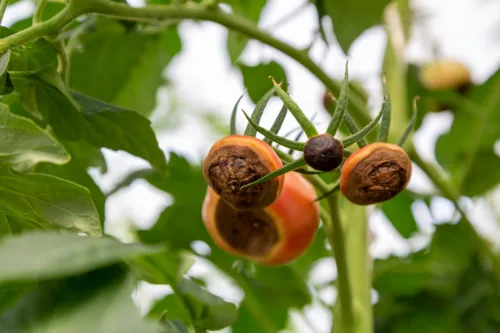
Tomatoes can deliver a heavy crop, but they are also quick to succumb to fungal and bacterial diseases in warm, humid weather. A well-timed copper spray used preventively can help reduce infection pressure during the most critical part of summer.
Garden dill is easy to grow and can be sown for much of the season. For the best results, focus on the right sowing depth, a sunny spot, and staggered sowings for a steady harvest.
Choose strong plants, pot them up properly, and place them in the right light to get geraniums that flower hard all summer. A few simple watering and care tweaks can noticeably increase the number of blooms.
Peas are one of the most rewarding first crops, thriving in cool weather and delivering outstanding flavour when picked at the right moment. This guide covers pea types, sowing, care, pest and disease prevention, harvesting, and storing your crop.
Stinging nettle is far more than a pesky weed. Learn where it grows, what it contains, and how to use it for herbal tea, hair care, cooking, and natural feeding and plant protection in the garden.
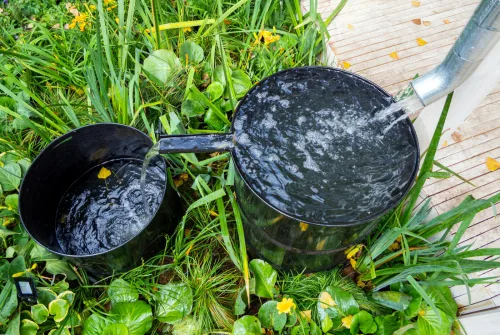
In hot, dry spells, a simple water dish can be a lifeline for birds, pollinators and other helpful garden wildlife. Here’s how to set up a safe drinking and bathing spot and keep the water fresh.
Raspberries need extra nutrition during flowering and fruiting to size up and sweeten properly. Potato peelings can be a simple, low-cost way to add useful nutrients without relying on mineral fertilisers.
A few small habits make a big difference to cucumber health and yield. Learn how to train growth, manage side shoots, and harvest gently so plants keep cropping for longer.
Carrot seed is tiny and slow to sprout, which makes even sowing tricky. These practical methods help you get straight rows, even germination and well-shaped roots with less thinning and hassle.
Strawberries attract far more than just people once they start to ripen. Learn how to protect your crop with simple, gentle methods that rely on prevention, barriers, and good garden hygiene rather than heavy chemistry.
Grass clippings are packed with nitrogen and other nutrients you’ve already paid for in time and care. Use them as compost, mulch, lawn feed or even liquid fertiliser to cut waste and boost soil health.
Pick-your-own strawberry season is a favourite way to bring home fruit at its very freshest. With the right timing, containers and picking technique, you’ll avoid bruised berries and go home with firm, beautiful harvests.
Sun and warmth help, but tomatoes still need a steady supply of nutrients once they take off. This simple fermented, plant-based feed made from grass, nettles and sugar supports vigorous growth and reliable fruit set.
Molehills are a common sign that a mole has moved in and started tunnelling. A castor-oil drench may discourage activity, but results depend on timing, application, and site conditions.
Tomato crop rotation is often treated as an unbreakable rule, but in small home gardens it may do far less than people think. Healthier soil and good plant hygiene can matter more than moving plants every year.
Freshly picked strawberries spoil fast if they’re bruised or stored damp. With careful sorting, dry storage and smart washing right before use, you can keep them fresh for an extra day or two.
A partially shaded corner doesn’t have to be wasted space. With the right crops, you can harvest tender, flavoursome leaves and avoid bolting in summer heat.
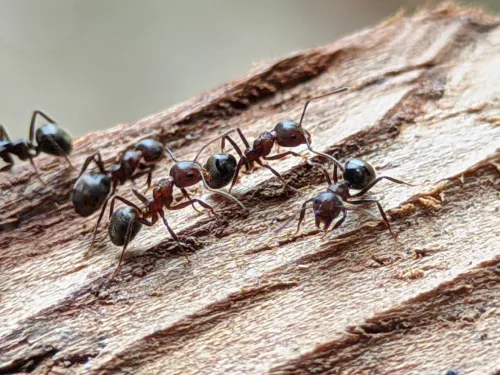
Ants in fruit trees often farm aphids, weakening growth and reducing the crop. Try a kinder, longer-lasting barrier using petroleum jelly and lavender oil instead of sticky bands.
Seedlings can droop soon after planting out, but it’s usually transplant shock rather than disease. Give them temporary shade and deep, targeted watering so roots can recover and strengthen.
Rooting a pineapple crown is an easy at-home project that even beginners can manage. With warmth, bright light and patience, your leafy rosette can eventually flower and set a real pineapple.
Laying tomato seedlings on their side at planting can boost root growth and improve stability in warm soils. But in short, cool seasons it may delay flowering and ripening, cutting the final harvest.
When chives start to bloom, many gardeners cut the flowers off and bin them—or let them set seed and spread. Yet chive blossoms are edible, useful for pollinators, and easy to put to work in the kitchen and garden.
Giant wine cap (Stropharia rugosoannulata) is one of the easiest mushrooms to grow outdoors, even for beginners. With fresh plant material, steady moisture, and good spawn, it can reward you with impressive caps and generous harvests.