
 English
  Polski
  Deutsch
  Nederlands
  Svenska
  Norsk
Norsk  Dansk
Dansk  Français
  Italiano
  Español
  Português
  Slovenčina
  Suomi
Suomi  Gaeilge
 How to Clean a Garden Pool Without Chemicals and Keep the Water Clear Long Term
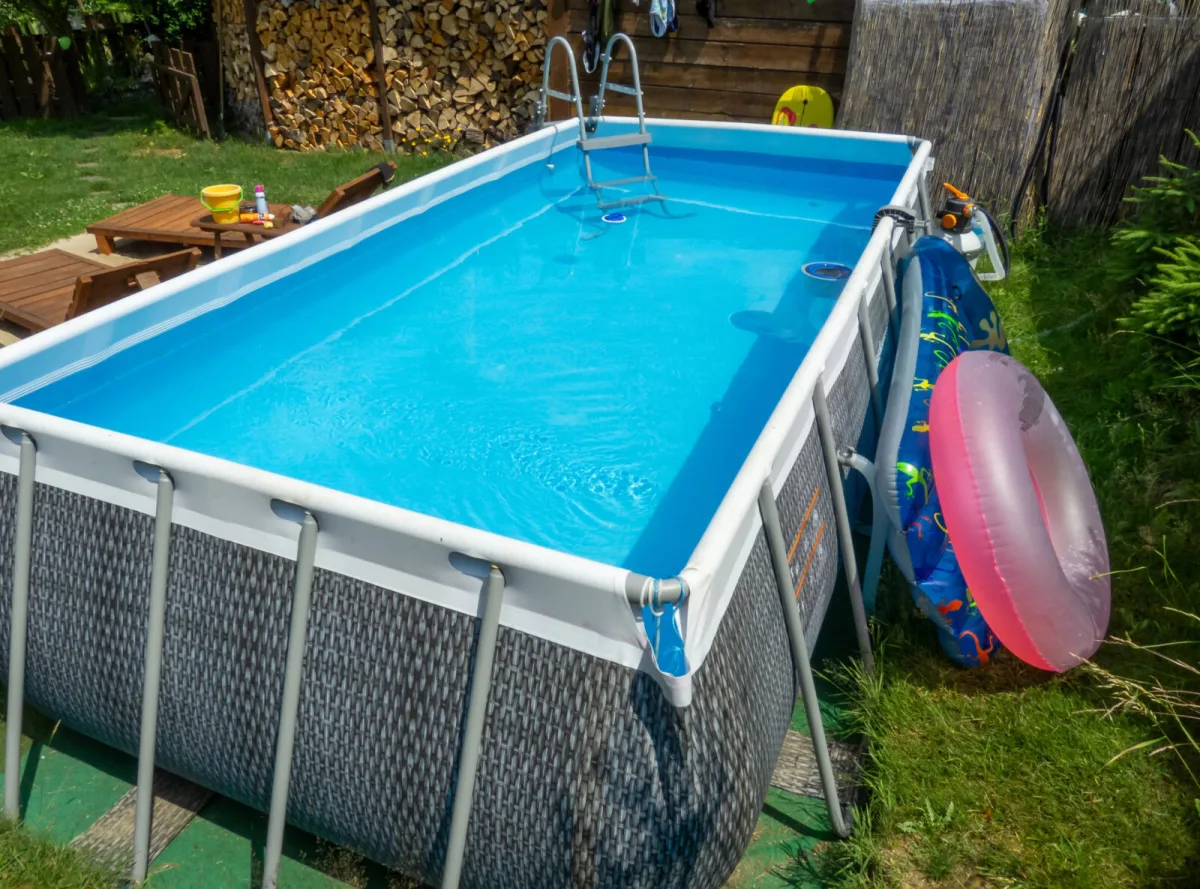
Sensitive skin, a chlorine allergy, atopic eczema, or simply a dislike of that typical “pool” smell leads many people to ask whether a garden pool can be kept clean without conventional chemicals. Completely hands-off usually isn’t realistic, because water is a living environment and microorganisms multiply quickly in warm conditions. The good news is that there are routines and technologies that can significantly reduce the chemical load—and in some setups keep you well away from standard chlorine.
What contaminates pool water the most
Dirt doesn’t just drop in from trees. Pools collect pollen, dust, insects, grass clippings, leaves and sometimes bird droppings. In practice, though, the biggest “load” is usually people: sweat, body oils, dead skin, residues of soaps and shampoos, and especially sunscreen. These substances cloud the water, clog filtration and create ideal conditions for algae. That’s why prevention matters more than trying to “put out fires” once the water turns green or milky.
A low-chemical approach starts with filtration and circulation
The gentlest route starts with the basics: a functioning filter system and enough filtration time every day. Without regular water movement, even the best low-chemical methods fall short, because debris stays in the pool and microbial growth takes off locally in warm, stagnant spots. Filter maintenance is just as important—backwashing and checking the filter media—because a clogged filter may be circulating water without actually cleaning it.
Mechanical cleaning that makes a surprisingly big difference
Skim the surface regularly with a net and vacuum the floor. Biofilm and any slippery coating on the walls needs brushing, because microorganisms cling to surfaces most readily. Covering the pool with a cover when it’s not in use also helps: it reduces the input of pollen and organic debris, and it limits evaporation and temperature swings.
Chlorine-free and “lower-chemical” disinfection options
If you want to treat your pool more gently, the most common approach is to pair filtration with a modern disinfection method. These systems often reduce the need for traditional products, but they have limits and require correct setup and ongoing water checks.
UV lamp
UV light can effectively disrupt the DNA of microorganisms, so water passing through a UV unit is disinfected without adding anything to the pool. The downside is that UV doesn’t provide a lasting residual throughout the whole pool volume—it works mainly at the point of flow—so good circulation is essential. In practice, algae prevention is often still needed, because UV alone sometimes isn’t enough to keep walls free of film under heavy use.
Ozone
Ozone is a very powerful oxidiser and can quickly break down organic contaminants and some microbial pollution. It works well within the water-treatment loop, but like UV it doesn’t always provide long-term residual protection throughout the pool. A high-quality unit and safe installation are important, because ozone at higher concentrations is not healthy to inhale.
Copper and silver ionisation
An ioniser (including solar versions) releases ions that inhibit algae and some bacteria. It’s a gentle method suitable for more sensitive swimmers, but it requires discipline with mechanical cleaning and stable circulation. If brushing and filtration are neglected, ionisation on its own won’t rescue water that’s heavily contaminated.
Salt water with a salt chlorinator
It’s often seen as “chemical-free”, but in reality a salt chlorinator produces free chlorine from dissolved salt by electrolysis. For many people, it still feels more pleasant: the water smells less and is often better tolerated by skin and eyes. Do bear in mind the higher demands on materials—salt water can speed up corrosion of metals and requires the pool and accessories to be compatible.
pH is the key to clear water—even without standard chemicals
Even in a “no chlorine” approach you must keep an eye on pH, because it affects bathing comfort, water clarity and the effectiveness of any disinfection method. A sensible range is typically around 6.8 to 7.6, with neutral water at pH 7. Water that’s too acidic can damage materials and fade swimwear; water that’s too alkaline, on the other hand, encourages cloudiness and reduces the effectiveness of water treatment.
Baking soda can help raise alkalinity and stabilise pH, but it won’t solve algae or a “green pool”. Use it only based on measurements and add it gradually with the circulation running.
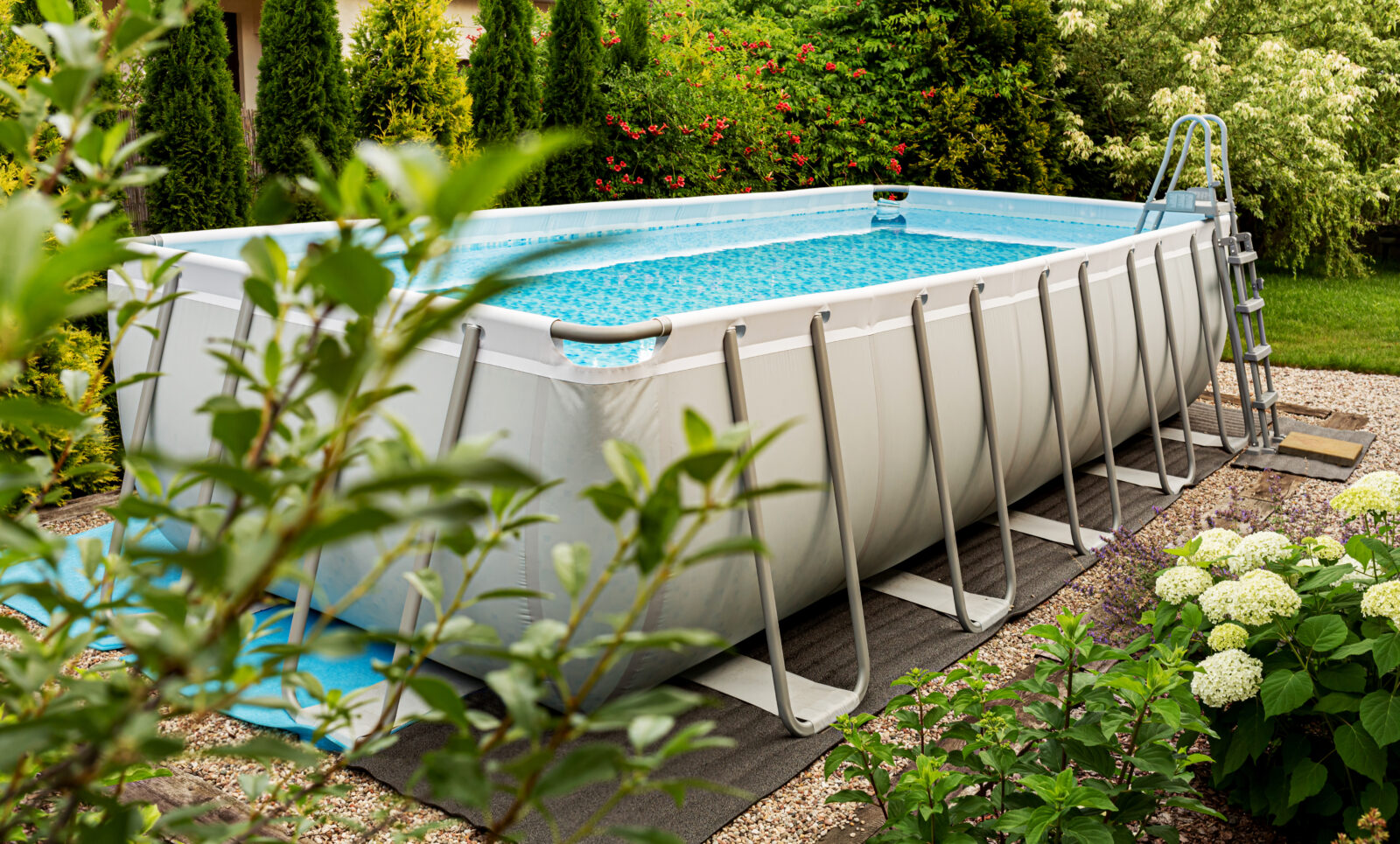
What to do when the water is deteriorating but you don’t want standard chlorine
If you see cloudiness, slippery walls or the first hint of greening, act quickly regardless of which “chemical-free” technology you’re using. Shorten the intervals between mechanical cleaning, extend filtration time, clean the skimmer and pump strainer basket, and check pH. Partial water replacement often helps too, especially in smaller pools where it’s economically and practically manageable. With badly affected water, it’s fair to accept that a purely natural approach may not be enough and a more decisive intervention will be needed.
The best strategy is prevention and a consistent routine
If you want to keep a garden pool clean without conventional chemicals, build your maintenance around three pillars: reliable filtration and circulation, regular mechanical cleaning, and ongoing pH testing. Add a suitable technology such as UV, ozone or ionisation depending on your budget and pool type. At the same time, reduce what gets into the water: shower before swimming, limit creams, keep the surface covered, and remove debris quickly. The result is usually water that feels kinder on skin, irritates less, and still stays clear all season.
Source: Instructables, Deník, AquamarineSpa, Pestrazahrada.cz

A lover of nature, gardens, and everything that moves, blooms, or grows. He literally grows everything, from herbs to rare species, and he enjoys caring for animals just as much. In his work, he connects modern technology with tried-and-tested grandmotherly methods and is happy when both paths lead to the same goal.
Related articles
Why the Tree That Feeds a Family for Generations Is Disappearing from Czech Gardens
The English walnut used to be a staple of larger gardens and farmyards, valued for its nutritious nuts and many practical uses. With the right site and variety, it remains one of the most rewarding long-lived trees you can plant.
How to Get Rid of Mice and Rats in the House, Loft and Garden Effectively
Mice and rats don’t leave quietly—scratching sounds, droppings and gnaw marks are clear warnings. A lasting solution comes down to three steps: block entry points, remove food sources, then use traps or professional control.

Two Mistakes When Harvesting Onions Can Cut Your Supply by Months
With good growing and the right handling, onions can turn into a near year-round pantry staple. These simple harvest and curing steps determine whether they keep for weeks or for months.
Comments (0)
Be the first to comment.