
 English
  Polski
  Deutsch
  Nederlands
  Svenska
  Norsk
Norsk  Dansk
Dansk  Français
  Italiano
  Español
  Português
  Slovenčina
  Suomi
Suomi  Gaeilge
 How to Provide Birds and Insects with Water in Hot Weather and Keep It Clean
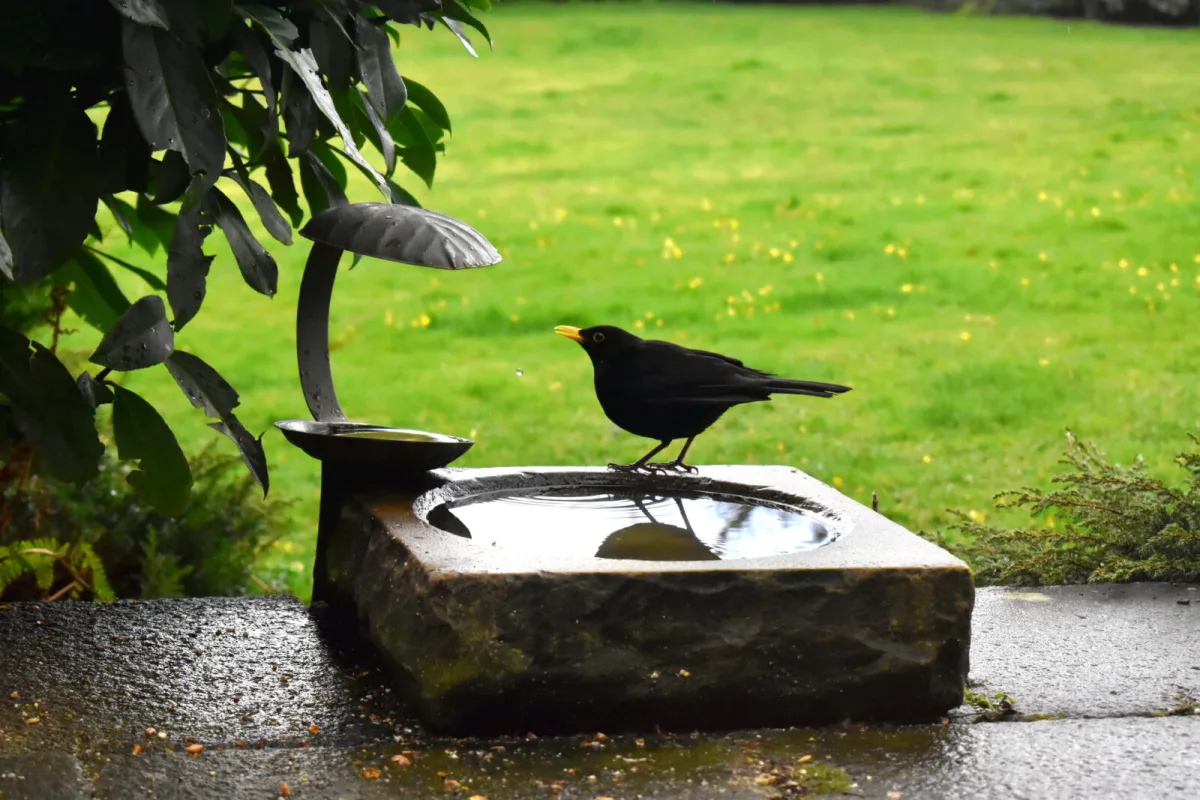
During dry, hot days, clean water quickly disappears from the surroundings and becomes a rarity for birds and beneficial insects alike. Although birds get some fluids from their food, having the chance to drink and bathe is essential. Water helps them cool down, regulate body temperature properly and digest food. In the same way, insects—especially pollinators—need a safe place to access moisture without the risk of drowning.
Even an ordinary bowl of water can make the difference between life and exhaustion for dozens of tiny garden visitors during a heatwave. And it doesn’t take much—your water station can be made from things you already have at home.
What you can easily make a water station from
The foundation is a suitable container. For birds, a shallow ceramic or plastic bowl, a plant saucer, a low plate, or even a wider flowerpot adapted as a water dish works well. For insects, an even shallower option is better, so they can grip easily and won’t slip into the water. Add small gravel, pebbles, or a short twig inside to create safe landing and perching spots.
Rules for keeping the water station safe
Place the water station where animals have calm access, but also a good view of the surroundings. A raised spot or shade under a shrub or tree is ideal, where the water won’t overheat as quickly. It’s also important to think about predators—especially cats—and not leave the bowl where they can easily sneak up on it.
It’s practical to put a larger stone in the centre of the container. It acts as a stabilising weight to prevent tipping and also as an “island” that insects and smaller birds can stand on. In the cooler part of the year, it’s worth using frost-resistant containers. If you want to hang the water station, sturdy string or twine wrapped around the container will help.
Five ideas for homemade water stations
Two-flowerpot bird bath
Take two terracotta flowerpots of the same size. Turn the bottom one upside down and place the second on top to create a stable pedestal. Set a plant saucer on top, pour in some river gravel and place a larger stone in the middle. Then simply add water. If you want the structure to be even sturdier, you can glue the pots together and finish the look with a small decorative touch.
A small brick wall with a water dish and shelters
Old bricks can be stacked into a low wall so that gaps remain between the individual pieces. Fill these with straw, cones and twigs to create a simple insect refuge. On top, place a shallow bowl or even an old roasting-pan lid, add small gravel, moss, a few twigs and a larger stone. Finally, add water so that some of the stones stay above the surface.
A self-topping-up version
If you want to reduce quick drying out, an ordinary plastic bottle of about 1.5 litres helps. Fill it with water, place a shallow dish against the neck and quickly flip the whole thing upside down. A vacuum forms in the bottle and water will refill the dish gradually as the level drops. Here too, it’s worth adding pebbles or gravel so the edge is safe for insects.
A simple water dish for hedgehogs
Hedgehogs usually do fine with a low, stable bowl placed directly on the ground. Choose a shady spot under a shrub or tree where the water won’t overheat. The bowl should be shallow so a hedgehog can reach it comfortably, while also reducing the risk of a smaller animal drowning.
A hanging water station from a wreath base
A wreath base can serve as the frame—straw, birch, willow or other woven twigs work well. Place a plant saucer inside, with a stone in the middle as a weight. Attach twine around the edge so the water station can be hung from a branch or hook. Once filled with water, you’ll have a practical bird bath that’s also harder for cats to reach.
Cleanliness matters as much as the water itself
In hot weather, water in a bowl goes off quickly—algae appear and bacteria multiply. Dirty water doesn’t appeal to birds or insects, and it can also contribute to the spread of disease. Ideally, change the water every day, or at least top it up so it’s always fresh.
It’s a good idea to scrub the container regularly with a brush. Vinegar works well too, helping remove deposits and limescale while also partly disinfecting the water station. After cleaning, it’s important to rinse everything thoroughly with clean water.
An anti-algae trick that helps keep water clean for longer
A simple aid can be a copper coin placed on the bottom of the container. Copper in water limits the growth of algae and bacteria, because copper ions slow down microorganisms and reduce the formation of a slippery film. In low concentrations it is generally safe for birds and insects, but it shouldn’t be relied on as a substitute for routine maintenance.
A copper coin may slow algae growth, but regular water changes and cleaning the water station remain the basics.
A small help with a big impact on the garden
When you offer a safe water source in the garden, your reward will be a livelier space full of pollinator buzz and birdsong. Birds also help reduce pest numbers, and pollinators support fruit and vegetable yields. All it takes is a few stones, a bowl and a brief daily moment of care to turn an ordinary corner of the garden into a place that quite literally saves lives on sweltering days.
Source: Záhrada, Umíme fakta, Pestrazahrada.cz

A lover of nature, gardens, and everything that moves, blooms, or grows. He literally grows everything, from herbs to rare species, and he enjoys caring for animals just as much. In his work, he connects modern technology with tried-and-tested grandmotherly methods and is happy when both paths lead to the same goal.
Related articles
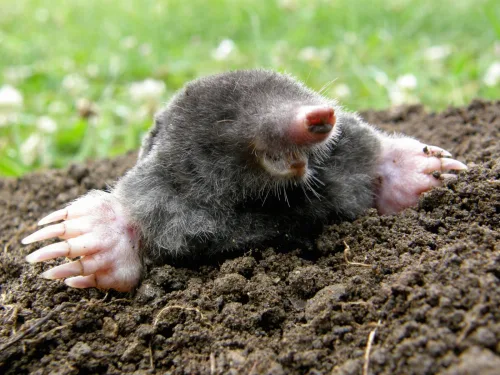
Fighting moles tempts you into a quick fix that can put you on the wrong side of the law
Fresh molehills can ruin a lawn, but the common mole is a protected species and lethal control can be illegal. Learn how to tell a mole from a vole and which lawful, effective methods actually encourage it to move on.
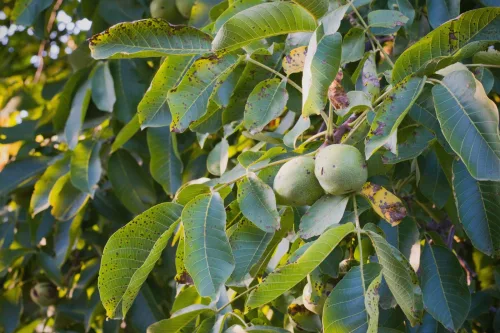
Why the Tree That Feeds a Family for Generations Is Disappearing from Czech Gardens
The English walnut used to be a staple of larger gardens and farmyards, valued for its nutritious nuts and many practical uses. With the right site and variety, it remains one of the most rewarding long-lived trees you can plant.
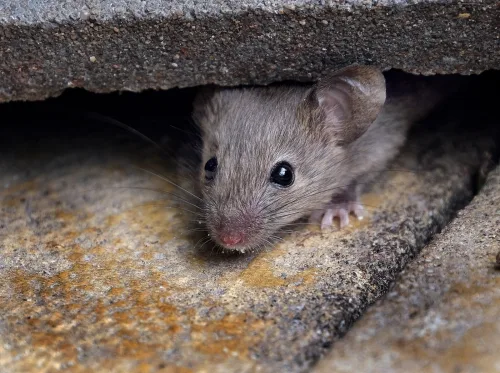
How to Get Rid of Mice and Rats in the House, Loft and Garden Effectively
Mice and rats don’t leave quietly—scratching sounds, droppings and gnaw marks are clear warnings. A lasting solution comes down to three steps: block entry points, remove food sources, then use traps or professional control.
Comments (0)
Be the first to comment.