
 English
  Polski
  Deutsch
  Nederlands
  Svenska
  Norsk
Norsk  Dansk
Dansk  Français
  Italiano
  Español
  Português
  Slovenčina
  Suomi
Suomi  Gaeilge
 June Homemade Tomato Feeding for More Flowers and Sweeter Fruit
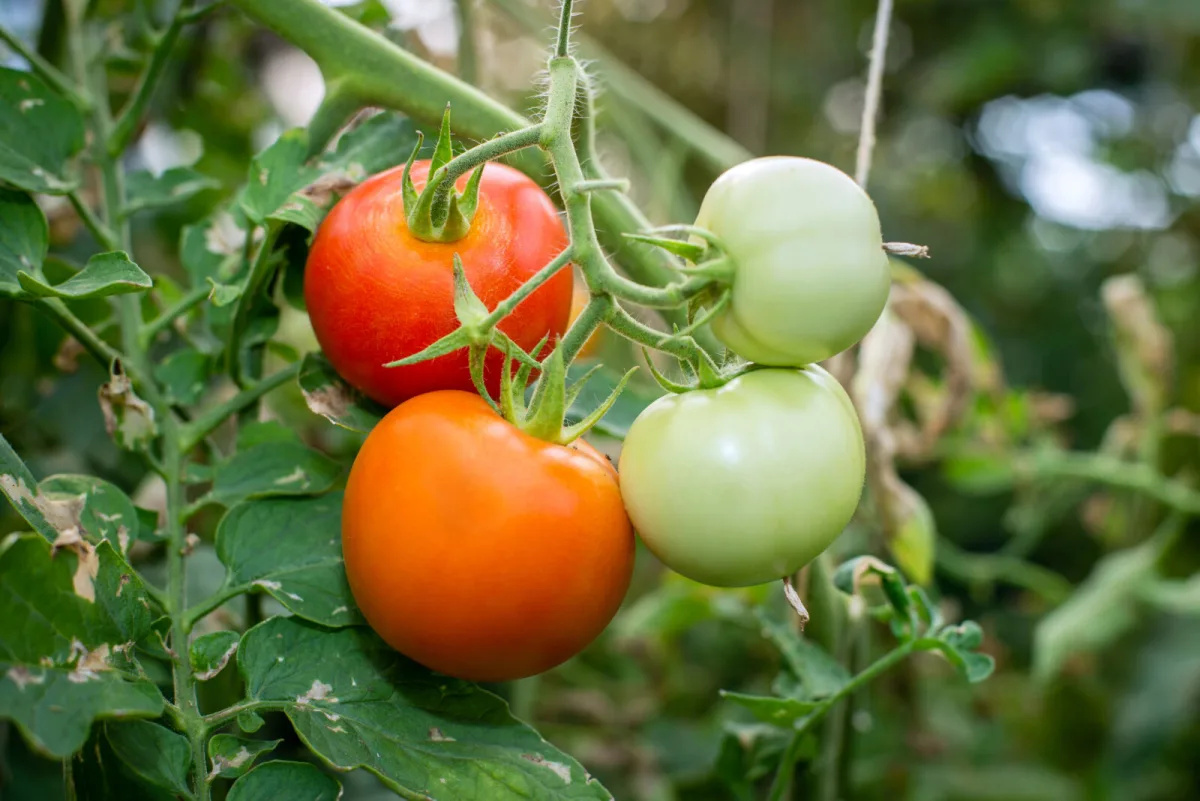
June is one of the most important periods of the entire season for tomatoes. Plants put on growth quickly, set more flowers, and gradually begin to form the first fruits. If they get the right nutrition right now, it shows not only in the number of flowers, but also in the overall strength of the plants, better fruit set and, later on, flavour. Instead of complicated products, you can reach for two inexpensive homemade fertilisers that complement each other well.
Homemade fertiliser from banana peels and yeast
This mix is best during the growth and flowering stage. The goal is to support roots, plant vigour, and flower retention so those blooms can turn into fruit later. The base is banana peels and fresh yeast stirred into lukewarm water.
How to make the extract and how to dilute it
Prepare 300 ml of lukewarm water, 1 cube of fresh yeast, peels from 5 bananas, and another 1 litre of water. First, thoroughly dissolve the yeast in the lukewarm water. Cut the banana peels into smaller pieces, pour the yeast mixture over them, top up with the additional litre of water, and leave to steep for 24 hours. Before use, the extract must be diluted at a ratio of 1 litre of extract to 10 litres of water.
Dosage for individual plants
For each plant, you typically use about 1 litre of the finished diluted feed. Application is especially suitable at the beginning of June and during intense flower production.
What tomatoes get from it
Banana peels naturally contain mainly potassium, phosphorus, magnesium, calcium, and trace elements. Yeast supplies B vitamins, amino acids, enzymes, and beneficial microorganisms that help support soil life.
What effect you can expect
Phosphorus supports the formation of flower buds and can increase the number of blooms. Yeast activates soil microorganisms, helping roots take up nutrients more efficiently and making the plant look more vigorous. The potassium from the peels helps the plant hold onto more flowers and reduces flower drop, which later translates into better fruit set. Overall, plants may be more resilient to heat stress and short-term drought.
Wood-ash fertiliser when fruit begins to form
As soon as the first small fruits appear on the plants, it pays to switch to the second feed. Wood ash works as a natural mineral blend that mainly targets fruit growth and quality. It’s important to remember that ash contains no nitrogen, so it doesn’t encourage excessive leafy growth, but rather ripening and nutrition during the fruiting period.
Preparing an ash infusion
You will need about 200 g of wood ash and 10 litres of water. Pour water over the ash, let it stand for 24 hours, and stir thoroughly before use so the minerals disperse evenly in the water.
How much to pour at each plant
About 500 ml of the infusion per plant is sufficient. At this stage, consistency is better than overdoing the dose, because the aim is steady, long-term support for fruit development.
Which minerals ash provides
Ash typically contains the most potassium, phosphorus, calcium, and magnesium, and it may also contain iron, manganese, boron, zinc, and other trace elements. This combination often shows up in both flavour and firmness of the tomatoes.
What improves in the fruit and in the harvest
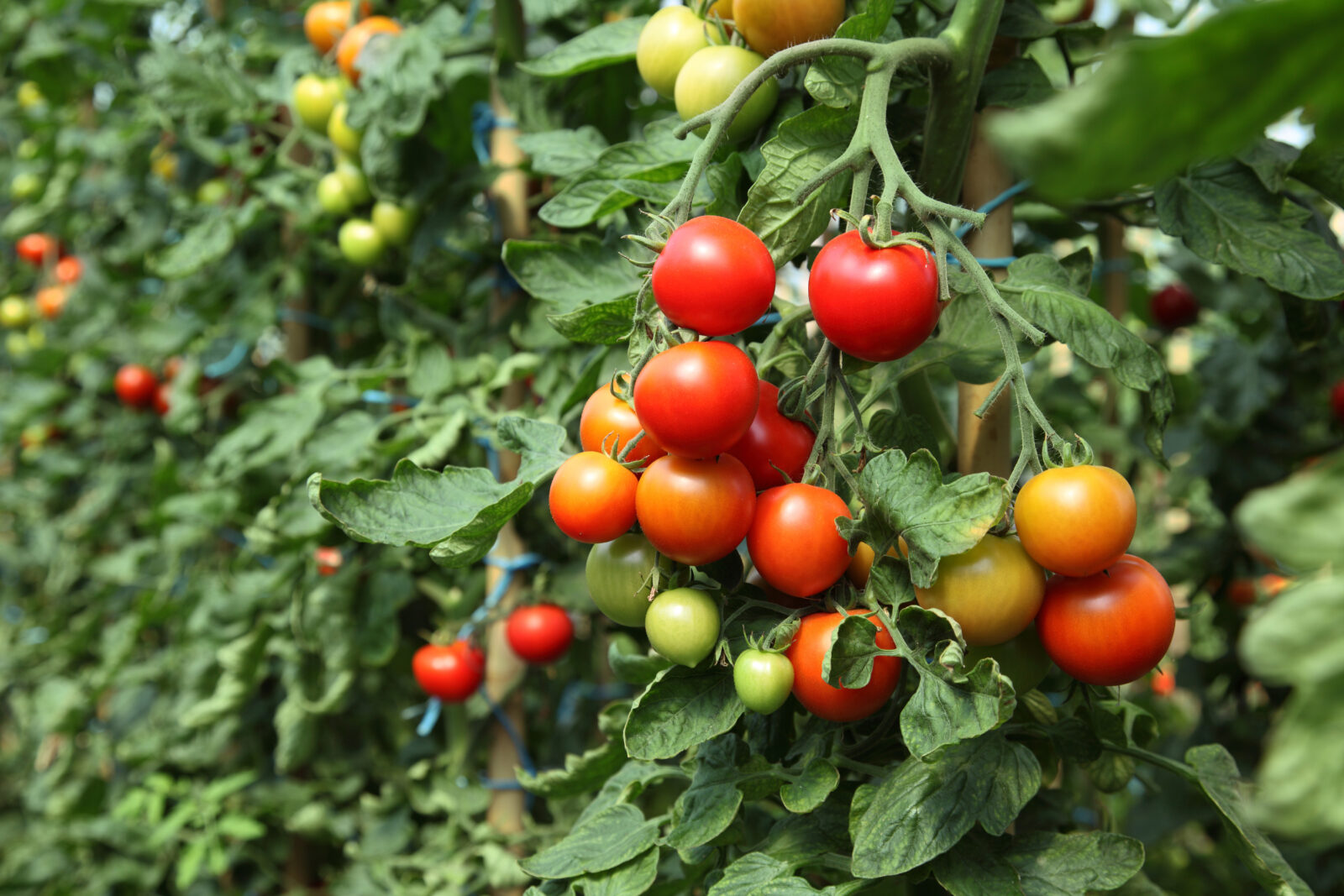
Potassium is key for fruit growth and sizing up, and it also supports sugar formation, so tomatoes may be sweeter and more aromatic. Fruits often ripen more evenly and develop deeper colour. Calcium contributes to firmer flesh, reduces cracking, and helps prevent blossom end rot. Together with phosphorus, it improves the plant’s nutrition at the time it is carrying its heaviest load.
Why this pair of fertilisers works so well together
The banana-and-yeast extract is best for kick-starting the season, building roots, producing flowers, and setting fruit reliably. The ash infusion, by contrast, takes over when it’s about fruit size, sweetness, firmness, and smooth ripening. The first feed helps create the foundation for abundant flowering, and the second supports turning those flowers into a full, juicy harvest.
When and how often to feed for best results
Use the banana-and-yeast extract at the beginning of June and during flowering about once every 10 to 14 days. Add the ash infusion after the first fruits appear, roughly once every 2 to 3 weeks. Apply both feeds to moist soil, ideally in the evening or early morning, so nutrients are used more efficiently and plants don’t suffer heat shock.
Source: The Spruce, To je nápad, GrowVeg, Pestrazahrada.cz

A lover of nature, gardens, and everything that moves, blooms, or grows. He literally grows everything, from herbs to rare species, and he enjoys caring for animals just as much. In his work, he connects modern technology with tried-and-tested grandmotherly methods and is happy when both paths lead to the same goal.
Related articles
Next year you can harvest better if you don’t sow carrots where they won’t thrive
Carrot root fly can ruin carrots, parsley and celery from the inside out, often without obvious warning until harvest. Better site choice, rotation, later sowing and simple physical barriers can dramatically cut damage next season.
How to Propagate Roses from Cuttings at Home and Fill Your Garden with Blooms Almost for Free
Want more roses without paying for new plants? With a few healthy cuttings and a simple plastic-bottle mini greenhouse, you can root new bushes at home in just a few weeks.
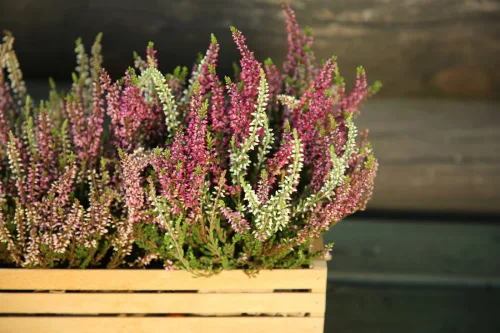
Heathers can cope where other plants won’t, but one soil detail decides everything
Heathers and heaths are tough evergreen shrubs that can flower across the seasons when you choose the right types. Success hinges on matching the plant to your soil pH and ensuring free drainage.
Comments (0)
Be the first to comment.