
 English
  Polski
  Deutsch
  Nederlands
  Svenska
  Norsk
Norsk  Dansk
Dansk  Français
  Italiano
  Español
  Português
  Slovenčina
  Suomi
Suomi  Gaeilge
 Why Garlic Turns Yellow in May and How to Quickly Stop the Leaf Tips Drying Out
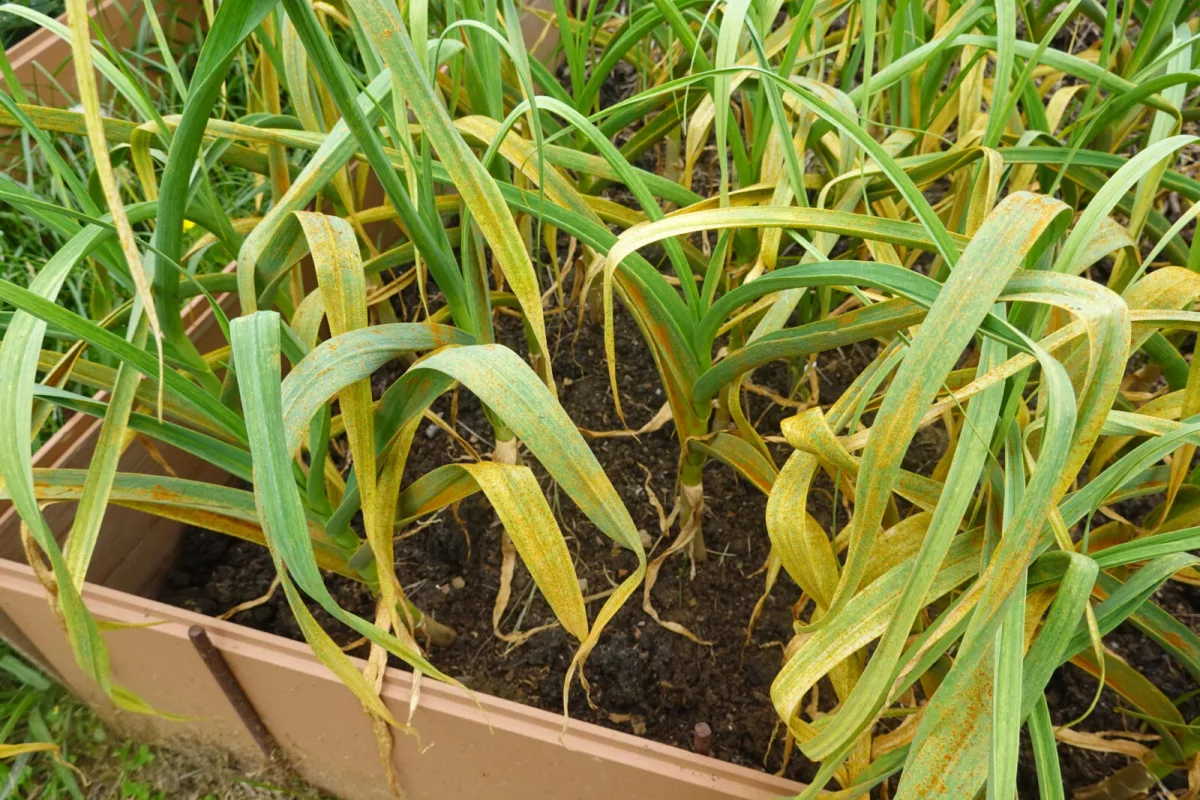
Growing garlic often feels like a sure thing for many gardeners, but spring can still throw a spanner in the works. After a short warm spell, May frequently brings torrential downpours and then cold nights. The result can unsettle even experienced growers: leaf tips fade, yellow, dry out and sometimes even twist. In most cases it’s not a disease, but the plant’s response to weather swings and temporarily reduced nutrient uptake. If you do nothing, though, garlic can slow down and form smaller, weaker bulbs.
The most common cause is a sudden nitrogen shortage
Loss of that deep green colour is usually down to an acute lack of nitrogen. That can be surprising, because the bed is often well prepared in autumn or spring. In May, however, two situations commonly occur that make nitrogen practically unavailable to garlic.
Nutrients leached out after heavy rain
Nitrogen is very mobile in soil. When a long spell of heavy rainfall arrives, water can wash it out of the top layer and deeper into the soil profile. Young garlic roots, meanwhile, tend to stay closer to the surface and simply can’t reach nutrients that have moved down. The plant then starts to conserve resources, and the first warning sign shows up right at the leaf tips.
Temperature shock and sluggish roots in cold, wet soil
After warm days, a cold snap can follow and the soil remains waterlogged and chilly. The root system slows down and nutrient uptake stalls, even if there is still some nitrogen in the ground. Garlic then compensates by shifting what it can from older tissue to younger growth, which shows up as drying tips and paler older leaves.
Why a standard soil feed won’t help much at this point
If roots are weakened after rain and the soil is cold, sprinkling granular fertiliser around plants usually won’t bring quick relief. Nutrients take time to break down and become available, and the garlic won’t access them well anyway with slowed roots. In this situation, foliar feeding is more effective, because leaves can absorb nutrients very quickly and the plant can recover within a day or two.
Fast help: foliar feeding with an emphasis on nitrogen
The most reliable approach is to supply nitrogen as a spray. Apply it evenly over the leaves so the plant strengthens and starts producing a rich green centre again.
Urea as the quickest intervention
Urea is one of the чистest sources of nitrogen for rapid greening-up. Mix a weak solution at about 0.5 to 1%. In practice, that means dissolving roughly 50 to 100 grams of urea in 10 litres of settled water. With more sensitive plantings, it’s safer to start with the weaker mix and, if needed, repeat the treatment after a few days.
An option with sulphur for better vigour and flavour
Ammonium sulphate can be a good choice where you want to add not only nitrogen but also sulphur. Sulphur is linked to garlic’s characteristic aroma and supports the formation of compounds responsible for its punchy flavour. Here too, it’s better to stick to a gentler concentration and treat carefully rather than aggressively.
A natural option without industrial fertilisers
If you avoid mineral products, you can use nettle tea (a fermented nettle feed). The key is that it should be well fermented, diluted about 1:10 with water and strained through a fine sieve. Otherwise, you risk clogging the sprayer nozzle and applying it unevenly.
How to apply the spray without scorching the leaves
It’s best to spray in the evening or on an overcast day. Direct sun can heat the droplets on the leaves and cause scorch. Set the sprayer to the finest mist possible, because garlic leaves tend to have a smooth, slightly waxy surface and larger droplets run off quickly. Fine droplets cling better and the plant can use them more effectively.
Once the soil dries, light cultivation helps too
When the soil around the garlic has dried a little after rain, it’s worth gently loosening it. This breaks any surface crust, lets oxygen reach the roots and helps the ground warm up more quickly. That’s exactly what garlic needs after a cold, wet spell to restart nutrient uptake naturally.
What to expect after a week
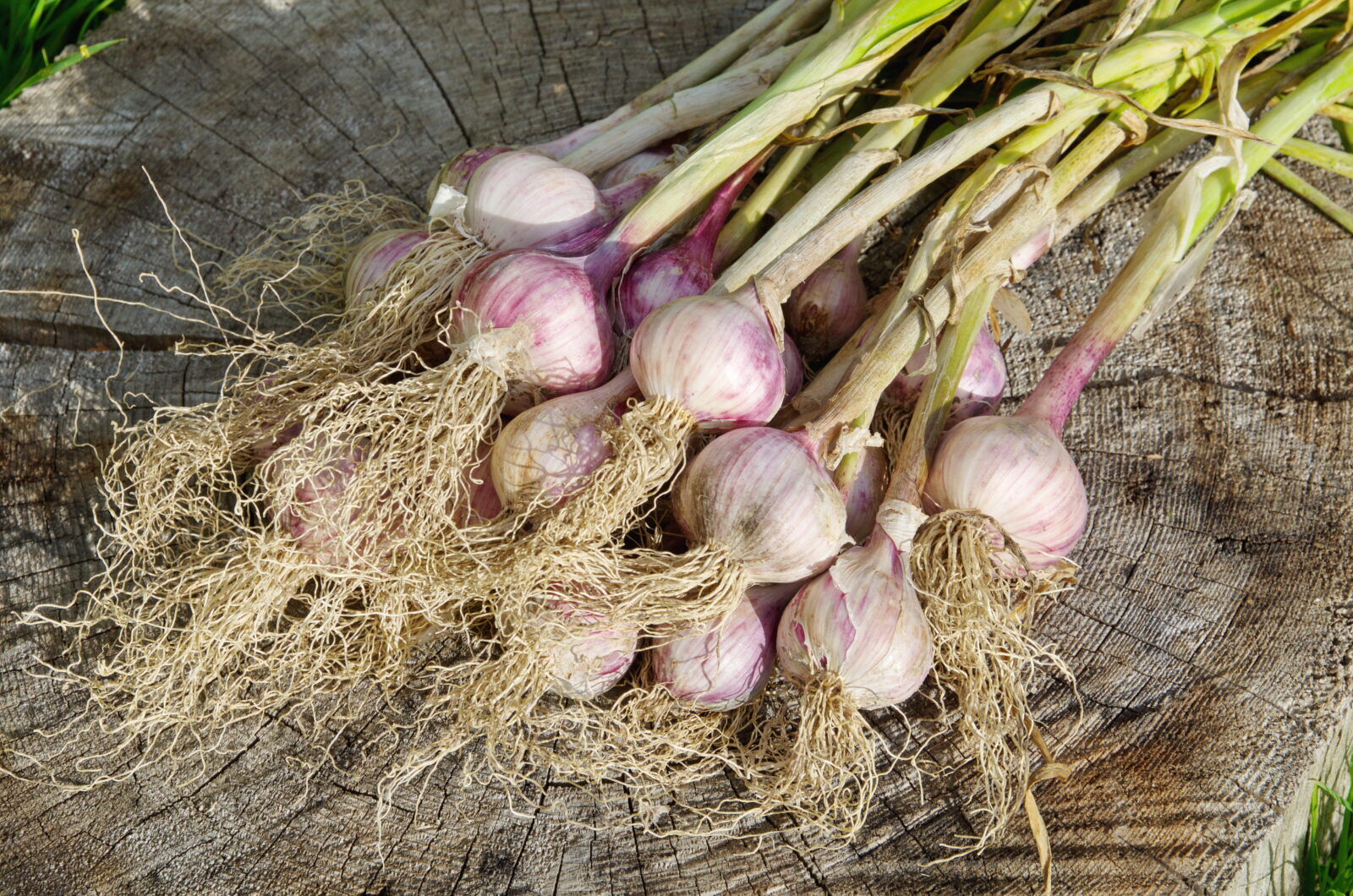
With timely action, yellowing usually stops and new central leaves start growing in a healthier, darker green. A brief bit of May care can decide whether you harvest small bulbs in summer or firm, large, well-developed heads.
Source: The Spruce, To je nápad, Pestrazahrada.cz

A lover of nature, gardens, and everything that moves, blooms, or grows. He literally grows everything, from herbs to rare species, and he enjoys caring for animals just as much. In his work, he connects modern technology with tried-and-tested grandmotherly methods and is happy when both paths lead to the same goal.
Related articles
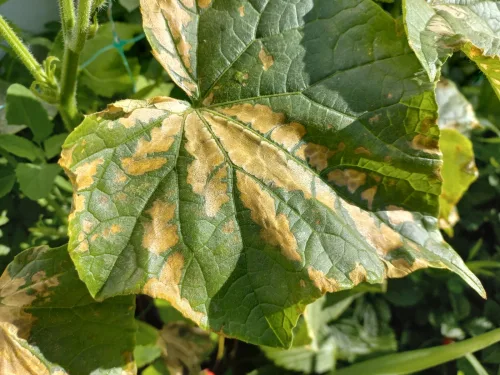
Yellowing cucumber leaves have a clear cause and with the right response plants recover quickly
Cucumber leaves turn pale and yellow when the plant is under stress—most often from watering mistakes, nutrient imbalance, or sudden temperature swings. Spot the pattern early and you can restore growth and protect your harvest fast.
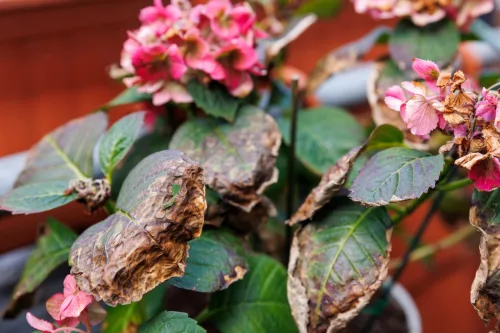
How to Get Browning Hydrangeas Back on Track Without Chemicals
Brown leaf edges or spots on hydrangeas usually point to a simple mismatch in light, watering, or airflow rather than a lost cause. Learn how to read the symptoms and restore your shrub quickly with gentle, practical fixes.
Turn Ground Cinnamon Into a Secret Weapon for Stronger, Tougher Plants
Ground cinnamon isn’t just for baking—it can help protect houseplants and garden plants from mould and fungal issues, support cuttings, and even act as quick first aid for minor wounds. Used lightly, it’s an affordable, gentle, natural add-on to good growing practice.
Comments (0)
Be the first to comment.