
 English
  Polski
  Deutsch
  Nederlands
  Svenska
  Norsk
Norsk  Dansk
Dansk  Français
  Italiano
  Español
  Português
  Slovenčina
  Suomi
Suomi  Gaeilge
 Why it pays to protect tomatoes before problems appear
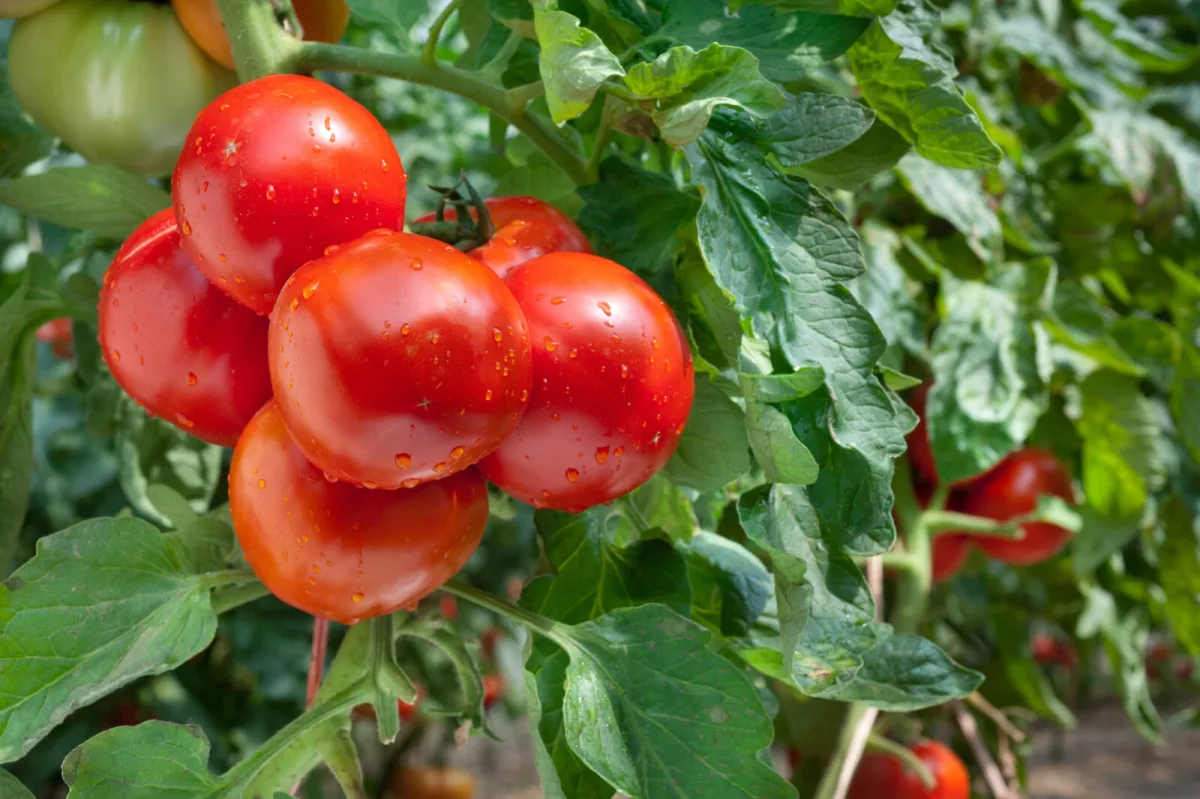
Tomatoes can reward you with a generous harvest, but they’re also among the plants that readily succumb to fungal and bacterial diseases. A few rainy days, higher temperatures and increased humidity are enough for the first spots or other signs of infection to appear quickly on the leaves. That’s why many gardeners don’t rely only on action once things go wrong, but choose timely prevention.
One long-used option is a copper-based spray. When timed and applied correctly, it can significantly reduce the risk that diseases will take hold during the most critical part of summer. It’s not a miracle cure for everything, but a protective step that can help plants cope with challenging weather and pathogen pressure.
When the first copper spray on tomatoes makes the most sense
In our conditions, tomatoes often struggle mainly during warm, humid summers. The biggest fear is blight, but other leaf spot diseases and bacterial problems can also cause trouble. That’s exactly why copper products are used earlier in the growing season, before an infection fully shows itself.
Timing is crucial. Spraying too early can be pointless, because the protection won’t be in place when disease pressure is highest. On the other hand, a late application often can’t stop an infection that’s already running. The most suitable moment for the first preventive application is generally considered to be when tomatoes begin to flower.
The ideal time for the first preventive copper spray is commonly considered to be the start of tomato flowering, when it pays to protect the plant before the main summer infections arrive.
How copper products work and what to expect from them
Copper-based products act primarily as protectants. They create a layer on leaves and stems that makes it harder for disease spores and bacteria to establish and develop. It’s important to understand that this is mainly prevention, not something that will reliably cure plants that are already badly affected.
An advantage is that some copper products may also be permitted for organic growing, but it always depends on the specific product and its registration. That’s why it’s essential to follow the manufacturer’s instructions and not use anything beyond the recommended dose.
Correct spraying matters more than the product itself
Conditions during application have a major impact on both effectiveness and safety. Spraying should not be done in strong sun or heat, when tissues can be scorched and the spray can evaporate quickly. Early morning or evening is better, when the weather is calm, there’s little to no wind, and the leaves are dry. In general, it’s recommended to apply only when the temperature is at least a few degrees above freezing, typically above 6 °C.
The solution should cover the entire plant evenly, including the undersides of leaves, but without unnecessary run-off. In a greenhouse or polytunnel, an approximate rate of around 3 g of product per 1 litre of water is often used, but the label on the specific product is what matters.
The most important thing is to follow the manufacturer’s directions, recommended doses and application method, because products can differ in concentration and rules of use.
How many times per season and the spacing between applications
Copper sprays are usually not repeated frequently. In practice, it’s recommended to apply them no more than two to three times per season, with a gap of about 7 to 10 days between treatments. More frequent use can be unnecessary and increases the risk of unwanted burden on the environment and on the plants themselves.
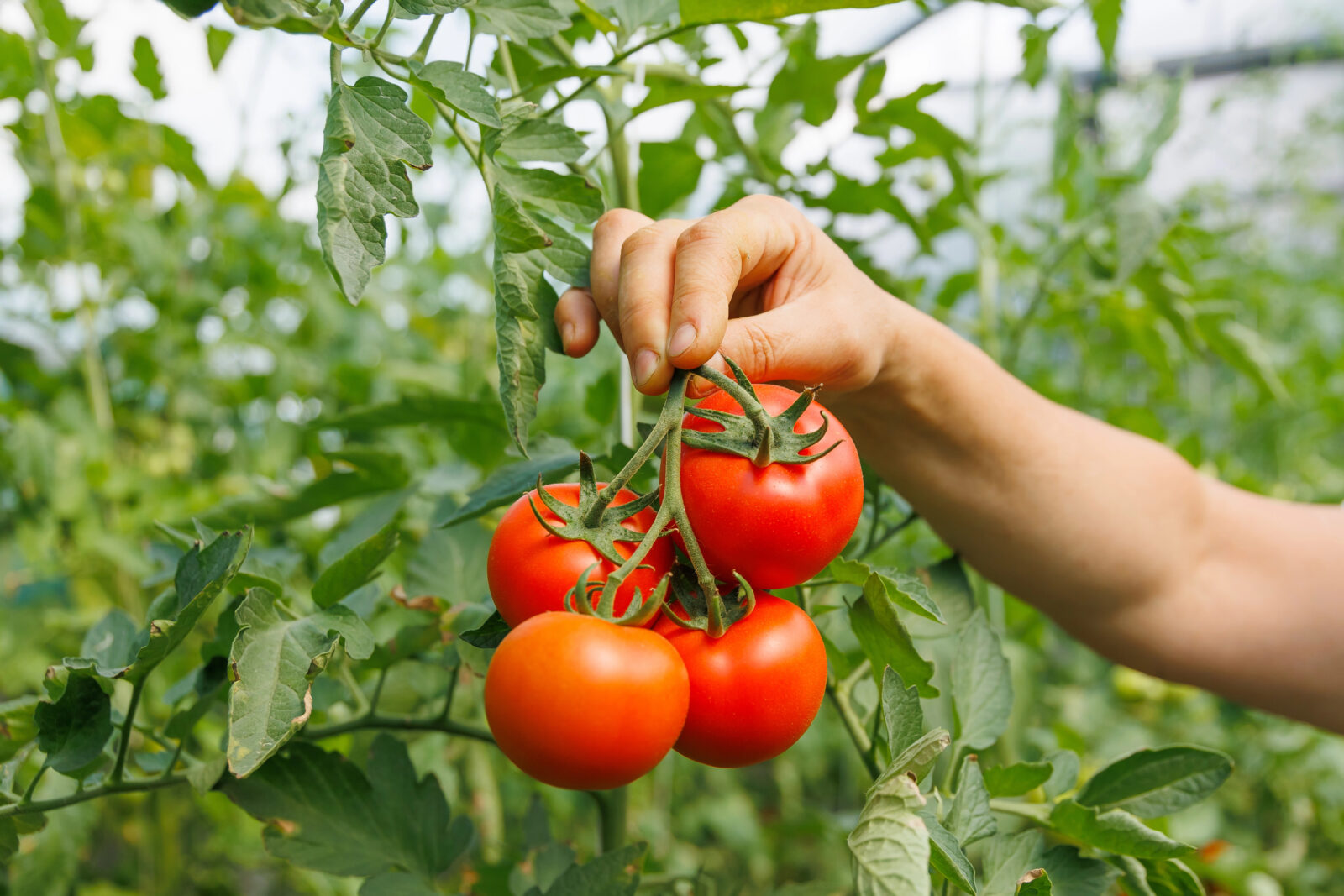
You also need to keep the pre-harvest interval in mind. At least a week should pass between the last spray and picking, so the fruit is safe to eat and everything complies with the use instructions for the product.
What to watch for with pollinators and in the greenhouse
Copper products can pose a risk to bees and other pollinators. So it’s best not to spray during peak insect activity, and to choose a time when pollinators are least likely to be moving through the crop. That reduces the chance they will be hit by the spray.
When growing in a tunnel or greenhouse, it’s important to ventilate well after spraying. The aim is to reduce excess humidity, which on its own encourages disease spread. A correctly applied spray typically won’t harm the flowers, and may actually increase the likelihood that plants stay healthy and crop steadily throughout the summer.
Source: Fakt, Gardener’s World, Pestrazahrada.cz

A lover of nature, gardens, and everything that moves, blooms, or grows. He literally grows everything, from herbs to rare species, and he enjoys caring for animals just as much. In his work, he connects modern technology with tried-and-tested grandmotherly methods and is happy when both paths lead to the same goal.
Related articles
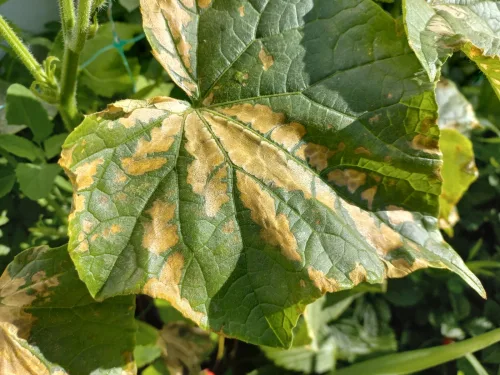
Yellowing cucumber leaves have a clear cause and with the right response plants recover quickly
Cucumber leaves turn pale and yellow when the plant is under stress—most often from watering mistakes, nutrient imbalance, or sudden temperature swings. Spot the pattern early and you can restore growth and protect your harvest fast.
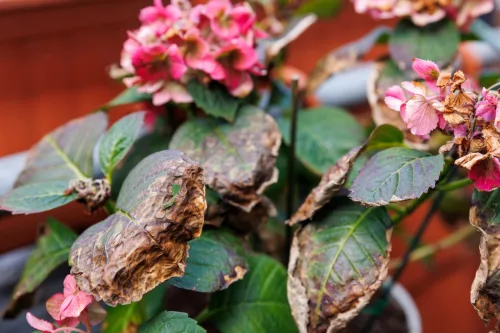
How to Get Browning Hydrangeas Back on Track Without Chemicals
Brown leaf edges or spots on hydrangeas usually point to a simple mismatch in light, watering, or airflow rather than a lost cause. Learn how to read the symptoms and restore your shrub quickly with gentle, practical fixes.
Turn Ground Cinnamon Into a Secret Weapon for Stronger, Tougher Plants
Ground cinnamon isn’t just for baking—it can help protect houseplants and garden plants from mould and fungal issues, support cuttings, and even act as quick first aid for minor wounds. Used lightly, it’s an affordable, gentle, natural add-on to good growing practice.
Comments (0)
Be the first to comment.