
 English
  Polski
  Deutsch
  Nederlands
  Svenska
  Norsk
Norsk  Dansk
Dansk  Français
  Italiano
  Español
  Português
  Slovenčina
  Suomi
Suomi  Gaeilge
 Everyday White Vinegar as a Smart Way to Beat Limescale at Home
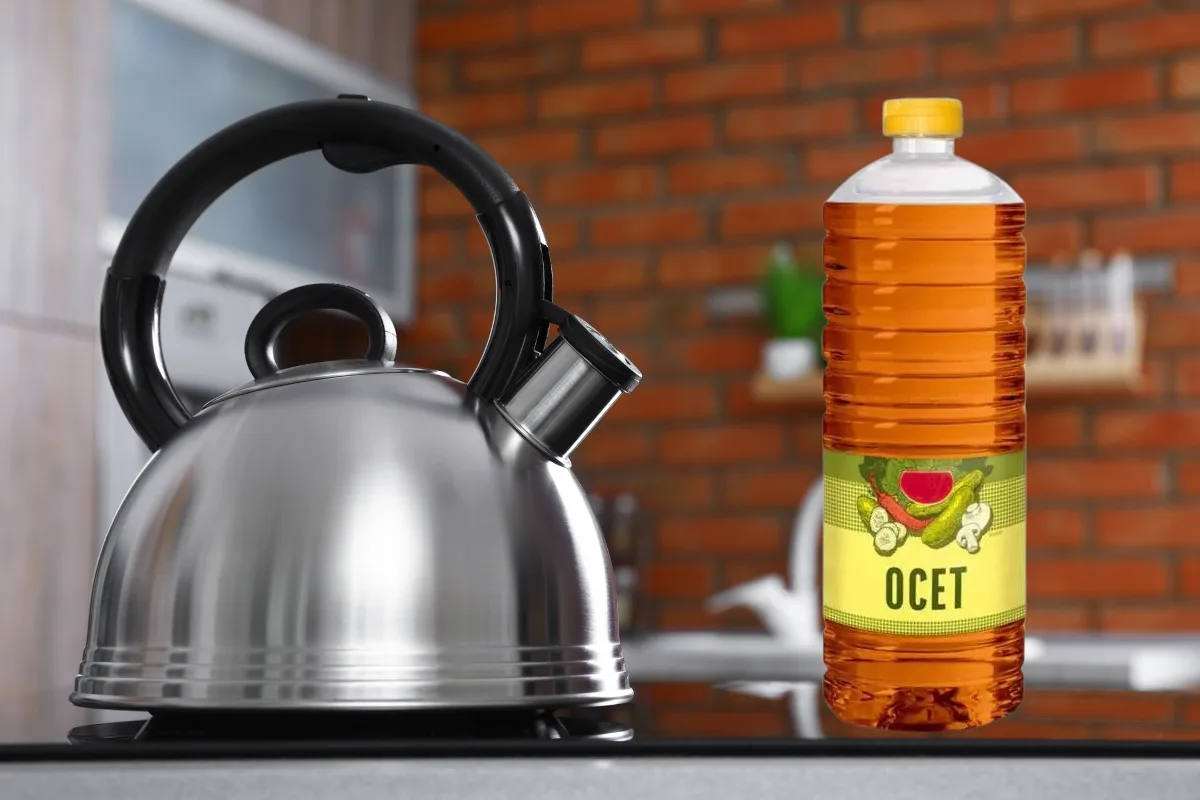
Limescale can be a real nuisance in electric kettles, showerheads, taps and even washing machines. That’s why many people reach for specialised cleaners that cost more and often promise miracles. Yet the simplest solution has usually been sitting in the kitchen all along. Everyday white vinegar is inexpensive, easy to find, and very effective when used properly. You just need a few reliable methods so it works consistently, without unnecessary scrubbing.
A kettle clean in no time
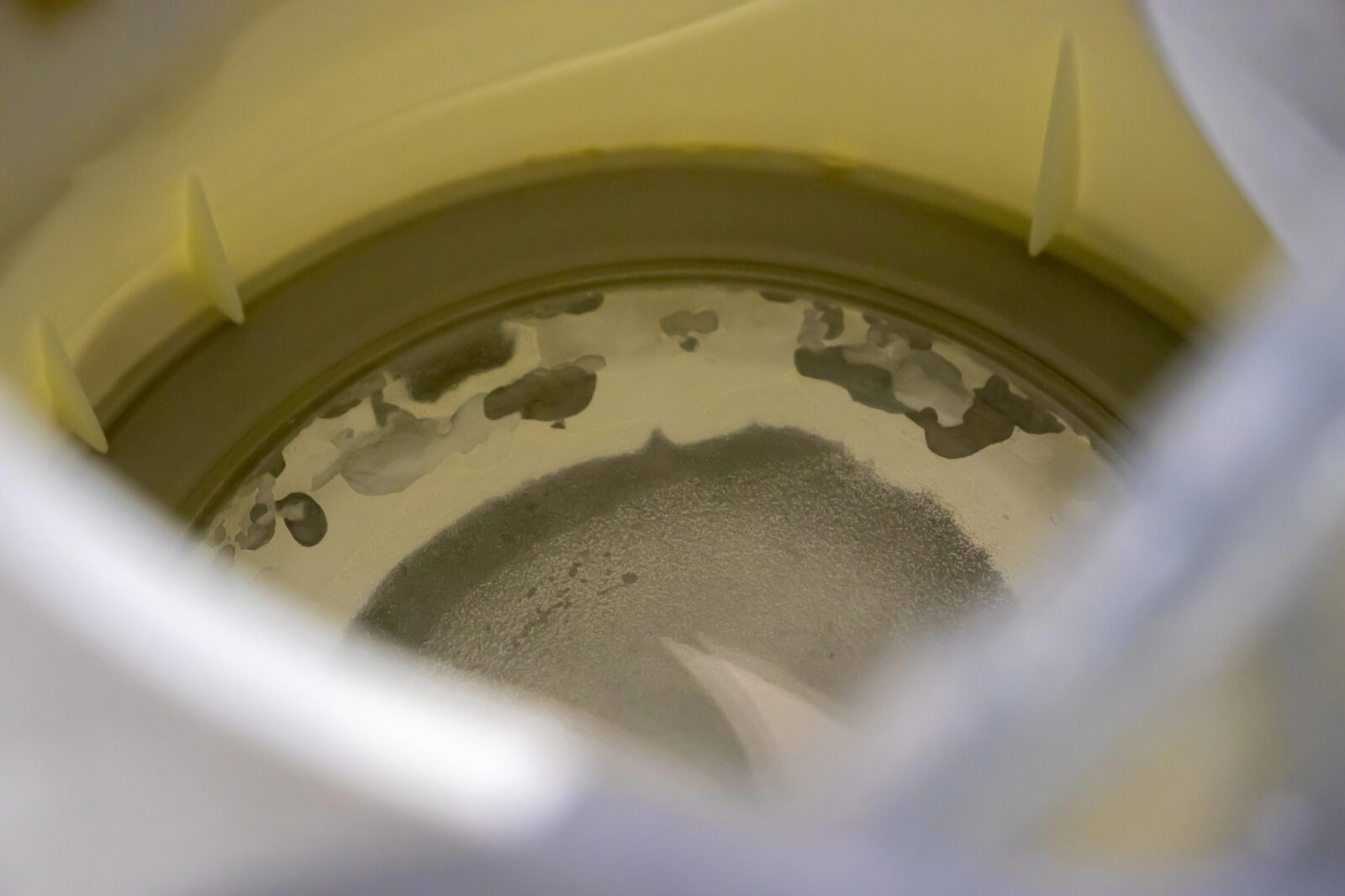
Limescale builds up quickly in a kettle, especially if you have hard water. Instead of harsh chemicals, use a half-and-half mix of water and vinegar, poured in so it covers the scaled areas. If the build-up is heavy, you can increase the vinegar ratio, for example to two thirds. Bring the mixture to the boil, then leave it to work for a few minutes. Pour it out, rinse the kettle thoroughly, and boil a full kettle of clean water once more to remove any lingering smell. You’ll usually be left with a visibly cleaner interior with very little effort.
A showerhead and jets without blockages
When your shower starts losing power, it’s often not the water pressure but minerals blocking the tiny holes. A simple trick helps: pour vinegar into a bag, hold it over the showerhead and secure it firmly. Depending on how badly it’s scaled up, the vinegar can be used undiluted. After one to two hours, remove the bag, run the water, and gently rub the jets with your fingers. The deposits usually loosen on their own and the showerhead works like it used to.
A washing machine without smells and without build-up on the heating element
If your washing machine starts to smell unpleasant or laundry loses its freshness, the cause can be limescale deposits and greasy residue where bacteria readily multiply. A practical fix is an empty maintenance cycle. Pour about half a litre of vinegar directly into the drum and run a 60 °C programme with no laundry inside. This loosens deposits and cleans the interior. With very hard water, it’s worth repeating once every one to two months, but not more often, so the seals aren’t stressed unnecessarily. Over time, this also helps the machine last longer, because the heating element won’t be coated in a hard crust.
Chrome taps and stainless steel regain their shine
Dull marks on taps, stainless steel and other shiny surfaces are often not dirt, but dried limescale. Soak a cloth in vinegar, lay it over the affected area, and leave it for around twenty to thirty minutes. Then simply wipe the surface and rinse with water. If the spots are more stubborn, repeat the process or use a soft old toothbrush to clean around joints and edges, but without aggressive scrubbing.
Tiles, corners and grout in the bathroom without the grey film
Limescale also clings to tiles and in corners where water often evaporates. A sponge soaked in warm vinegar helps—wipe over the problem areas. Dull-looking grout can gradually brighten without the need for strong abrasive products. For really stubborn areas, you can make a thicker mix by combining vinegar with salt. Apply the paste, leave it for about fifteen minutes, then rinse and wipe clean.
When it’s better to avoid vinegar
Vinegar is effective, but it’s not suitable for every material. Don’t use it on natural stone such as marble or granite, because the acid can etch and dull the surface. Caution is also needed with aluminium, which can lose its finish and be damaged over time. With rubber seals, an occasional washing machine clean is fine, but frequent use can shorten their lifespan. If you’re unsure, test the method first on a small, less visible area.
Why vinegar works on limescale
Vinegar’s main strength lies in acetic acid. It reacts with calcium carbonate, which makes up a significant part of limescale. During the reaction, the hard deposit breaks down into substances that dissolve more readily in water, and carbon dioxide can be released—so you may sometimes see the characteristic bubbles. That’s exactly why vinegar often works even where a simple rinse isn’t enough.
Vinegar isn’t a universal solution for everything, but for limescale it’s one of the simplest and cheapest options you can use at home.
A simple household helper worth keeping to hand
If you’re tired of spending money on ever more cleaning products, vinegar is a safe bet. Used sensibly, it’s effective, kind to your wallet, and often kinder to the environment too—because it avoids unnecessary extra chemicals. Next time you spot that white film on your kettle or taps, you’ll know the solution can be surprisingly simple.
Source: The Guardian, Instructables, Pestrazahrada.cz

A lover of nature, gardens, and everything that moves, blooms, or grows. He literally grows everything, from herbs to rare species, and he enjoys caring for animals just as much. In his work, he connects modern technology with tried-and-tested grandmotherly methods and is happy when both paths lead to the same goal.
Related articles

Fighting moles tempts you into a quick fix that can put you on the wrong side of the law
Fresh molehills can ruin a lawn, but the common mole is a protected species and lethal control can be illegal. Learn how to tell a mole from a vole and which lawful, effective methods actually encourage it to move on.

Why the Tree That Feeds a Family for Generations Is Disappearing from Czech Gardens
The English walnut used to be a staple of larger gardens and farmyards, valued for its nutritious nuts and many practical uses. With the right site and variety, it remains one of the most rewarding long-lived trees you can plant.

How to Get Rid of Mice and Rats in the House, Loft and Garden Effectively
Mice and rats don’t leave quietly—scratching sounds, droppings and gnaw marks are clear warnings. A lasting solution comes down to three steps: block entry points, remove food sources, then use traps or professional control.
Comments (0)
Be the first to comment.