
 English
  Polski
  Deutsch
  Nederlands
  Svenska
  Norsk
Norsk  Dansk
Dansk  Français
  Italiano
  Español
  Português
  Slovenčina
  Suomi
Suomi  Gaeilge
 How to Shape Boxwood into a Perfect Ball with Minimal Effort
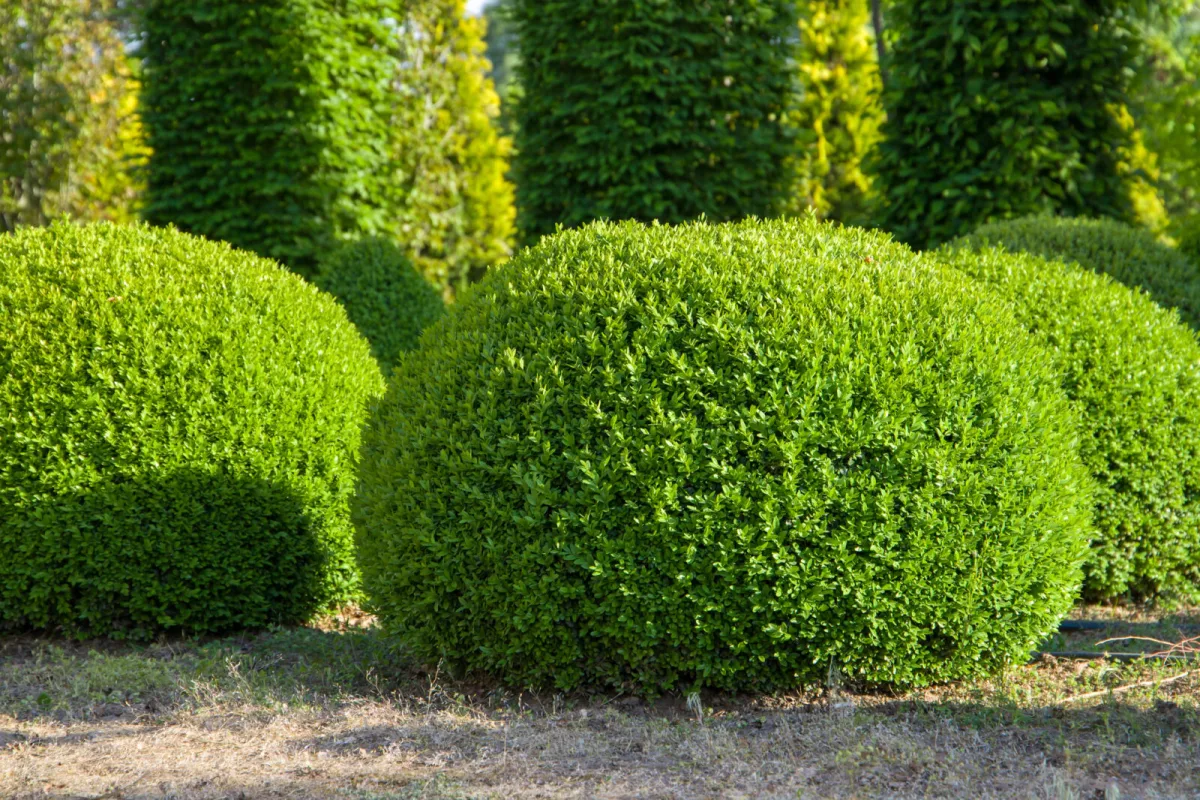
Boxwood (Buxus), one of the most popular shrubs for topiary, is hard to beat for clean, sculpted shapes. Even a single well-maintained plant can give a space order, elegance, and a clear structure. Strictly clipped forms aren’t right everywhere, though. They look best where the garden has a more formal, showpiece character, such as by the entrance, in a courtyard, in the front garden, or in the front part of the plot. In more remote areas meant to feel relaxed and natural, a formal ball can look out of place.
Boxwood balls are used as a contrast to perennials and ornamental grasses, they also look great in containers, and they work well in groups planted into gravel. The advantage is that you can get a beautiful result without complicated methods if you start with young plants and keep up with regular, light trimming.
When to trim boxwood and why the rule is little but often
Boxwood is most often kept in shape with pruning twice a year, typically in spring in May and then again in late summer or early autumn, often in September. The exact timing can be shifted slightly depending on how quickly the plant is growing and the conditions it’s grown in.
The key rule for a good-looking ball is to trim lightly, but frequently. In practice, that means removing mainly the soft, fresh tips of the shoots and not cutting deep into older wood. If you leave the shrub untouched for a long time, it starts to lose its shape and become uneven, and correcting it later requires a harder cut that can reduce both appearance and density. Pinching out the growing tips between trims also helps, encouraging branching so the plant thickens up.
How to grow and shape a boxwood ball
Start with rooted cuttings and encourage fullness from the base
For shaping, young plants or rooted cuttings are ideal. Plant these first into smaller pots around 10 cm across. Right from the start, give them a light trim to encourage branching low down so the plant doesn’t stay thin at the base. Place the pots outdoors or in a sheltered spot and keep up with regular watering and moderate feeding.
Pot several plants close together into a larger container
After about two to three months, when roots begin to grow out of the original pots, it’s time to pot on. A common method is to place four young plants into one larger container, for example about 28 cm in diameter, set close together. Over time they visually merge into one compact whole. At this stage, it’s important to keep pinching the shoots so growth stays dense and even.
Regularly shape only the new growth
Through the season, keep moisture even and top up nutrients so the plants grow steadily. When shaping, work gently and often. Always cut only the new growth, usually just about 2 to 3 cm. This kind of trim is kind to boxwood and at the same time forces it to branch, which is the basis of a firm, dense ball. If you feel the shape is pulling to one side, trim that faster-growing part a little more often to bring it back into balance.
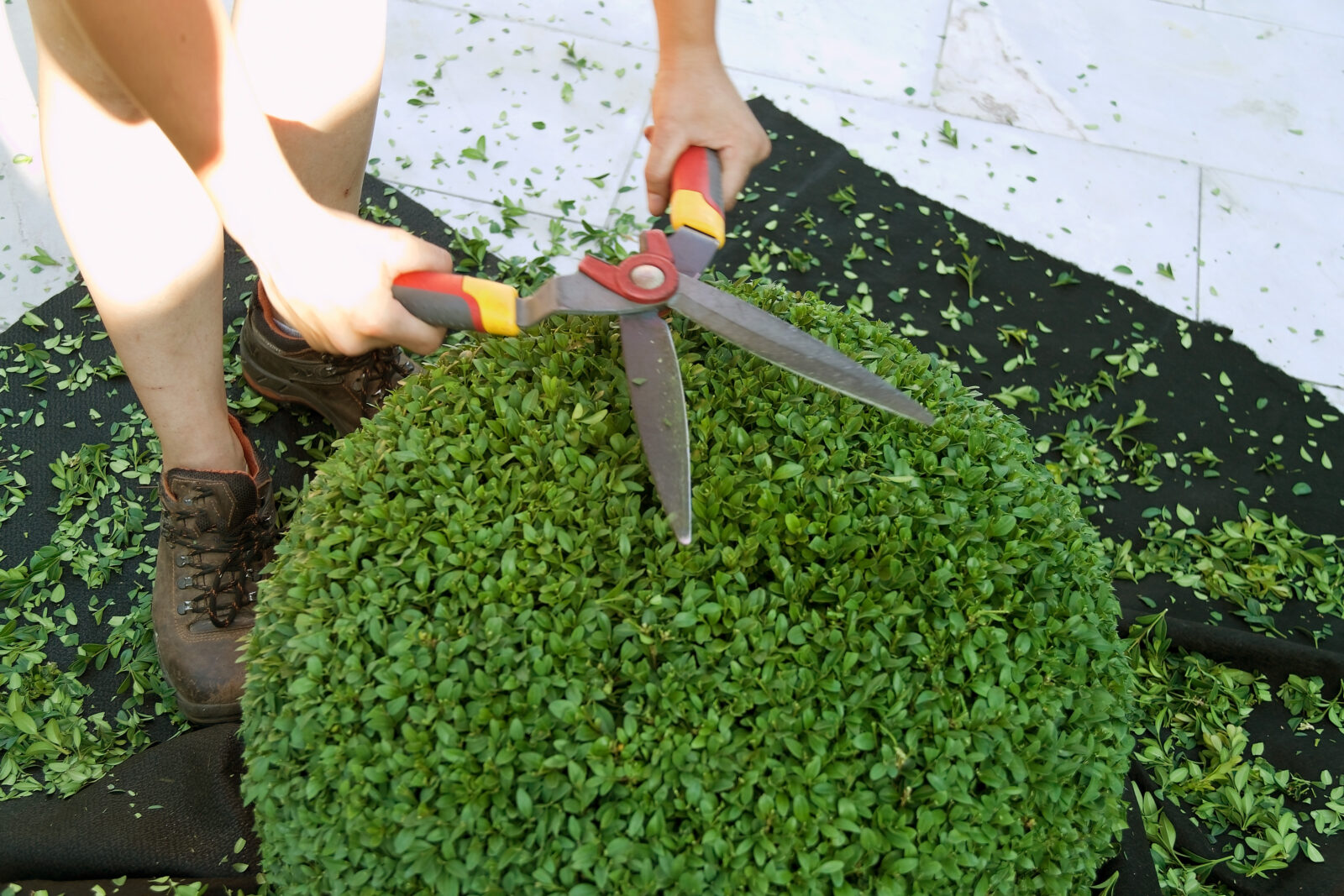
In two to three years you’ll have a dense ball and upkeep is easy
Usually after two to three years of regular shaping, you’ll have a compact, dense ball that you can keep in its container or transplant into a bed or an even larger pot. Once the form is stable, a maintenance trim twice a year is generally enough. To keep boxwood holding its colour and density long term, it pays to remember regular feeding and watering during dry spells, especially for plants grown in containers.
What else can be shaped into a ball without boxwood
If you don’t want boxwood or you’re looking for an alternative, you can achieve a similar effect with other small-leaved evergreen shrubs or subshrubs that tolerate clipping well and thicken up nicely. Good options include drought-tolerant cotton lavender (Santolina) or the fast-growing box-leaved honeysuckle (Lonicera nitida). Japanese holly is also commonly used, as it resembles boxwood in appearance. Pittosporum, myrtle, lavender, hebe, or rosemary are sometimes clipped into balls too, but you’ll need to adjust how often you trim based on their growth and requirements so they keep a compact shape.
Practical tip: Don’t chase perfection with one drastic cut. The nicest boxwood ball is built patiently, with small touches throughout the season.
Source: Záhrada, The Spruce, Pestrazahrada.cz

A lover of nature, gardens, and everything that moves, blooms, or grows. He literally grows everything, from herbs to rare species, and he enjoys caring for animals just as much. In his work, he connects modern technology with tried-and-tested grandmotherly methods and is happy when both paths lead to the same goal.
Related articles
In September, One Simple Step Decides Whether Your Christmas Cactus Blooms in Winter
With Christmas cactus, winter flowering isn’t mainly about watering or feeding—it’s about uninterrupted darkness after dusk. Start in September to trigger bud set and enjoy a full display in December.
A Simple Trick to Help Geraniums Survive Winter Without Water or Soil
Store geraniums bare-root in a cardboard box over winter—no watering, no pots, and hardly any space needed. With the right cool, frost-free spot, they’ll wake up quickly in spring and flower strongly again.
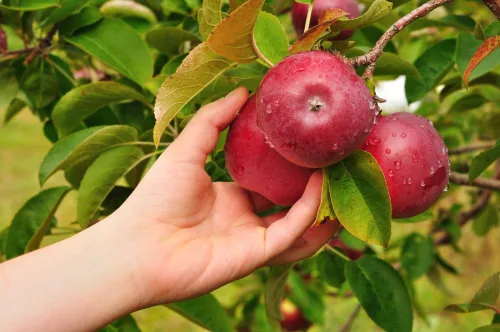
Picking Apples Without Mistakes Helps Keep Your Harvest Fresh and Rot-Free for Longer
How you handle apples at harvest has a huge impact on how long they keep. Gentle picking, careful sorting and the right storage conditions will help prevent rot and unnecessary losses.
Comments (0)
Be the first to comment.