
 English
  Polski
  Deutsch
  Nederlands
  Svenska
  Norsk
Norsk  Dansk
Dansk  Français
  Italiano
  Español
  Português
  Slovenčina
  Suomi
Suomi  Gaeilge
 Stop Throwing Away Grass Clippings and Smart Ways to Return Them to the Soil for Better Harvests
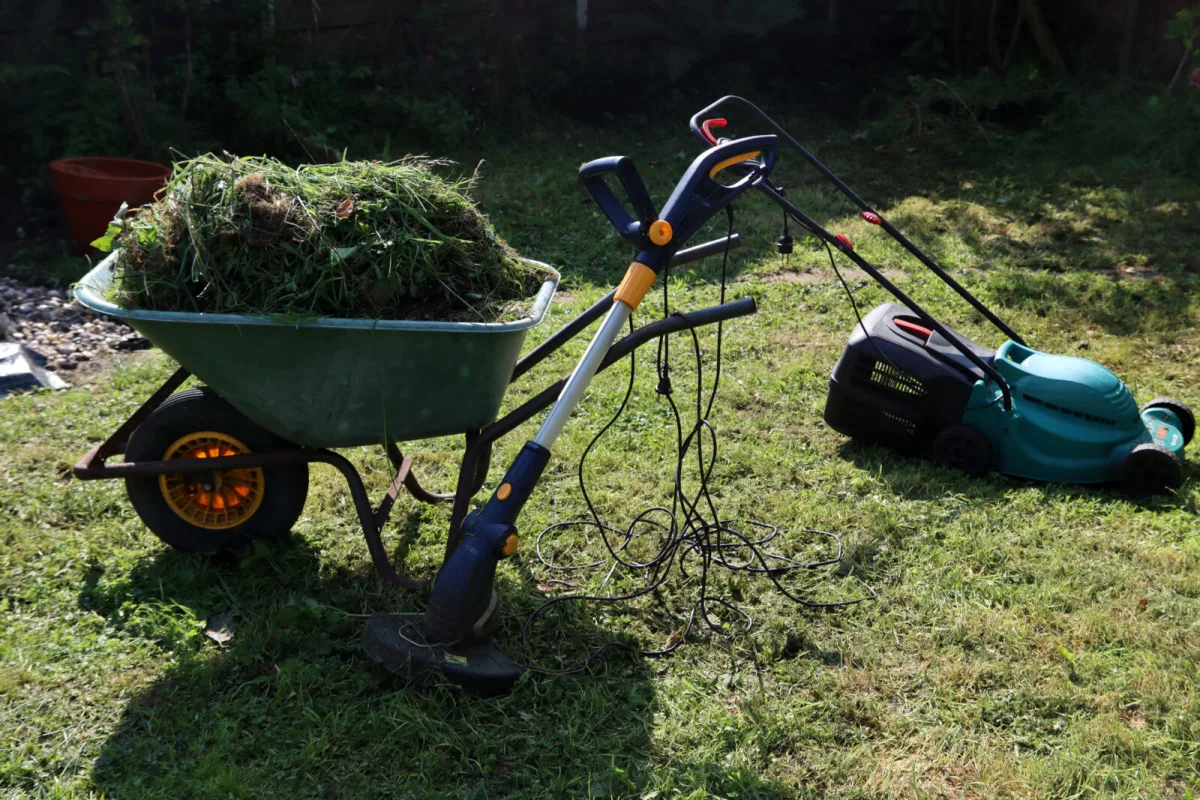
A neat, freshly cut lawn looks fantastic—but the more often you mow, the faster that pile of clippings grows. Many people automatically dump them into green waste, and in doing so they throw away nutrients that were already on the property. Grass clippings contain mainly nitrogen, but also other substances essential for plant growth and good soil condition.
If you handle them wisely, you can reduce your reliance on fertilisers, hold moisture in beds more effectively, and support soil life. Below are several practical ways to use grass at home in the garden so it saves you both time and money.
Composting as the most versatile solution
Grass clippings are excellent in compost because they are a so-called “green” material rich in nitrogen. The key is not to add them in large, wet clumps that mat together, start to smell, and instead of breaking down turn into a slimy mass. It’s also not ideal to leave long clippings lying on the lawn, where they can smother the grass and block light.
Layering works best: alternate fresh grass with “brown”, carbon-rich ingredients such as leaves, straw, small twigs, or shredded cardboard and paper. Aerate the heap regularly by turning it, keep moisture at a reasonable level, and site it in partial shade so it doesn’t overheat. Avoid grass from chemically treated or diseased lawns, and also any types that could re-root.
Grass mulch helps against weeds and drought
After mowing, grass can easily be turned into mulch for ornamental beds, vegetables, and around shrubs. Mulch limits weed germination, slows soil drying, buffers temperature swings, and as it breaks down it feeds the soil—especially with nitrogen and potassium.
So the mulch doesn’t become an impermeable, slippery layer—and so you don’t unnecessarily attract slugs—apply grass only in thin layers, roughly 2 to 5 cm. Ideally, let the clippings dry briefly in the sun, because drier grass mats less and decomposes more evenly. Use only material free of chemical sprays and invasive contaminants.
The simplest option is to leave the clippings on the lawn
If you mow regularly and the clippings are short—around up to 3 cm—you can leave them where they fall. This method is known as grasscycling and it often works surprisingly well. The clippings break down quickly and return nutrients to the soil, reducing the need for feeding and improving soil structure whether it’s sandy or clay-based.
For it to work, mow so you don’t remove more than a third of the grass height, use a sharp blade, and don’t mow wet grass. If the lawn is affected by disease or has been treated with herbicides, it’s safer to collect the clippings. Near drainage channels and places where material could be washed into water, it’s also better to clear the grass away.
Liquid fertiliser from grass, also known as grass tea
You can make a simple natural fertiliser from fresh grass. Put the clippings into a container, cover with water—ideally rainwater—so they are fully submerged, and leave to steep for several days up to two weeks. Nutrients such as nitrogen, potassium and phosphorus gradually leach into the water, along with other growth-supporting substances.
Strain the liquid when it’s ready and use it as a concentrate, best diluted at roughly 1 part extract to 10 parts water. It’s useful on beds, flowers and the lawn. Add the plant residues left after straining to the compost, where they will continue to break down. If the grass stays below the surface throughout, this usually also reduces the risk of any unwanted species taking root again.
Using clippings as feed for livestock
Fresh, unsprayed grass can also serve as natural feed. Chickens and geese appreciate it, as do goats, sheep or cattle. For small mammals, longer clippings dried into hay are more commonly used, as they tend to be more practical and stable.
Another option is to process it into silage for livestock. Properly made silage can have a high protein content and is usually easy to digest, so mown grass can be turned into a valuable resource this way too.
A no-dig lasagne-style bed
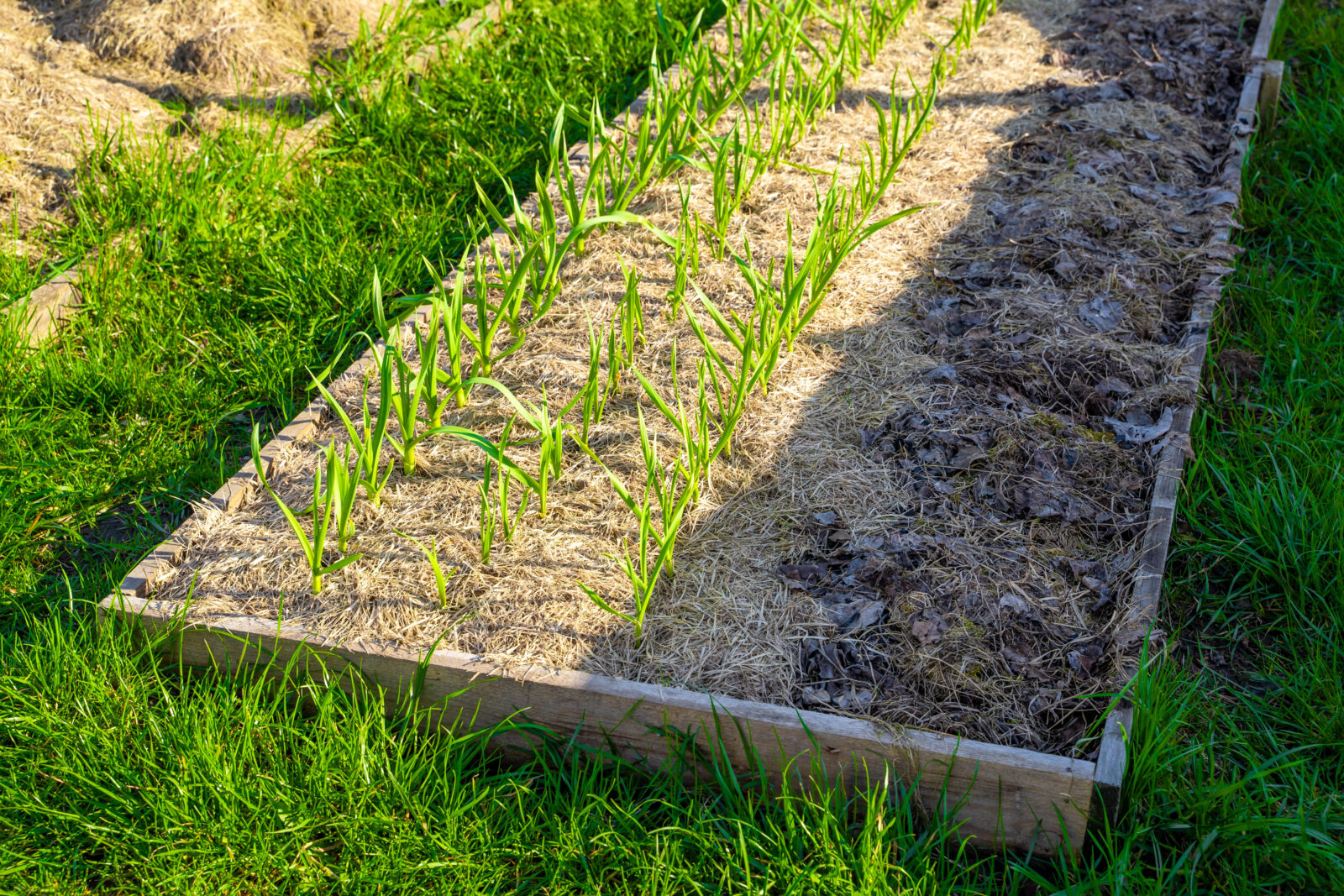
So-called lasagne gardening is based on layering organic materials, much like the layers in the dish it’s named after. You don’t need to dig or turn the soil in the traditional way; instead you build a raised bed from brown and green layers—such as leaves, straw, grass and other garden waste. With the right moisture, the layers start to decompose and gradually form a rich growing medium.
Once the bed settles over time and the material begins to turn into a loose, crumbly mass, you can plant into it. This approach helps save water, reduces the need for fertilising, and supports long-term fertility. Make sure the materials you use aren’t contaminated, and leave out meat and dairy scraps, which attract pests. It’s best to start this kind of bed in a sunny spot, and each year it’s worth adding another layer—ideally in autumn, when there are plenty of leaves and twigs.
A small habit change, a big gain for the soil
Grass clippings can be a valuable home-grown resource that benefits the lawn, beds and compost alike. Whether you leave them in place, use them as mulch, turn them into liquid feed, or build a layered bed with them, you’re always returning nutrients to the garden’s natural cycle. The result is less waste, healthier soil and more resilient plants throughout the season.
Source: GrowVeg, Lawn Starter, Pestrazahrada.cz

A lover of nature, gardens, and everything that moves, blooms, or grows. He literally grows everything, from herbs to rare species, and he enjoys caring for animals just as much. In his work, he connects modern technology with tried-and-tested grandmotherly methods and is happy when both paths lead to the same goal.
Related articles
Picking Apples Without Mistakes Helps Keep Your Harvest Fresh and Rot-Free for Longer
How you handle apples at harvest has a huge impact on how long they keep. Gentle picking, careful sorting and the right storage conditions will help prevent rot and unnecessary losses.
A Lawn Without Bare Patches Depends on Two Things People Rarely Mention
Sowing a lawn from seed is affordable and flexible, but success hinges on careful soil preparation, the right seed mix, and patient aftercare. Follow proven timing and sowing techniques to get a dense, even sward without bare patches.
September Pruning Can Be Fatal for Shrubs Leave These Types Alone
Early autumn can tempt you to tidy shrubs with the secateurs, but September pruning can trigger soft new growth, weaken plants for winter, and cost you next spring’s flowers. For many shrubs, waiting until after flowering or until spring is the safer choice.
Comments (0)
Be the first to comment.