
 English
  Polski
  Deutsch
  Nederlands
  Svenska
  Norsk
Norsk  Dansk
Dansk  Français
  Italiano
  Español
  Português
  Slovenčina
  Suomi
Suomi  Gaeilge
 Mock Orange at Its Best Proven Growing Guide Step by Step
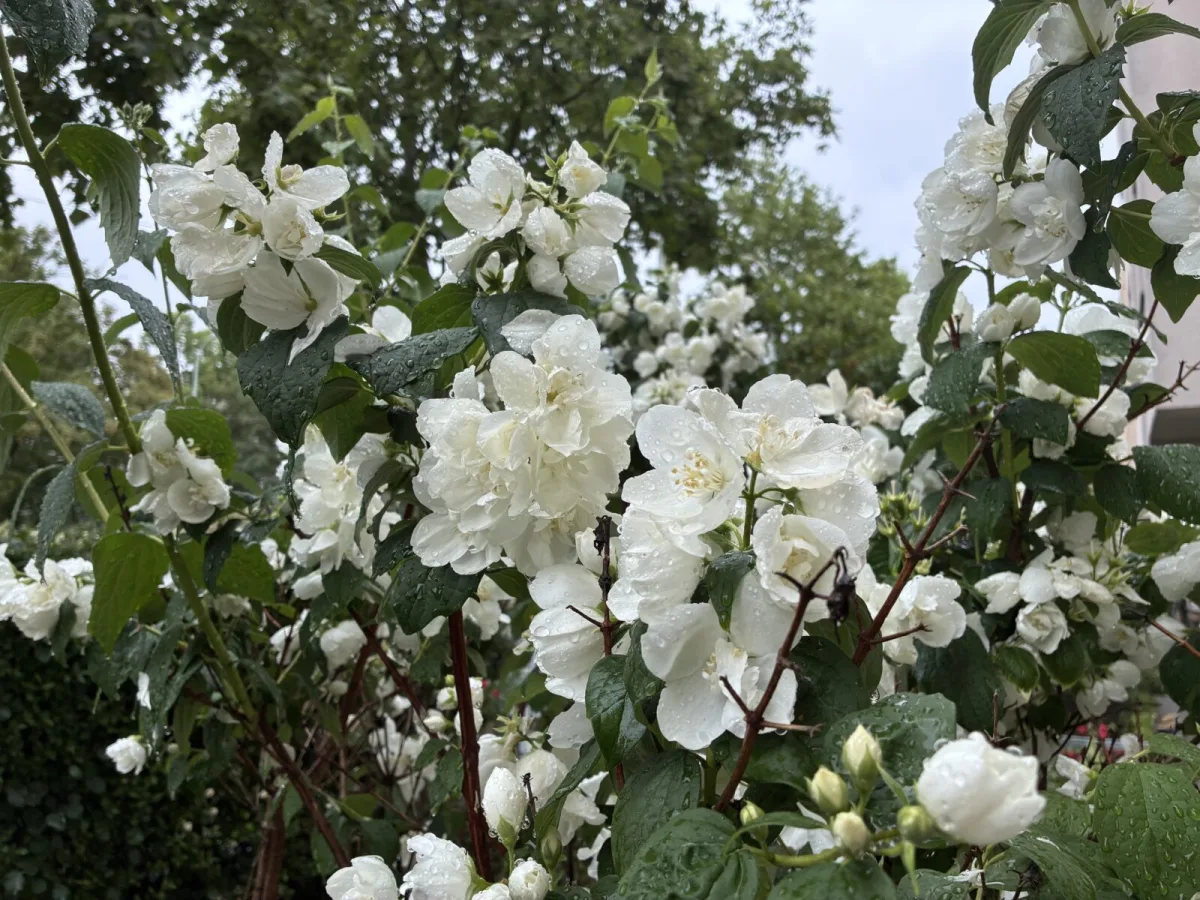
Philadelphus coronarius, commonly known as mock orange, is one of the most popular deciduous ornamental shrubs. The reason is simple: in late spring and early summer it is covered in masses of white flowers with a strong, sweet fragrance that is most intense on warm evenings. In flower it can scent a large part of the garden and it also attracts pollinators and other small wildlife.
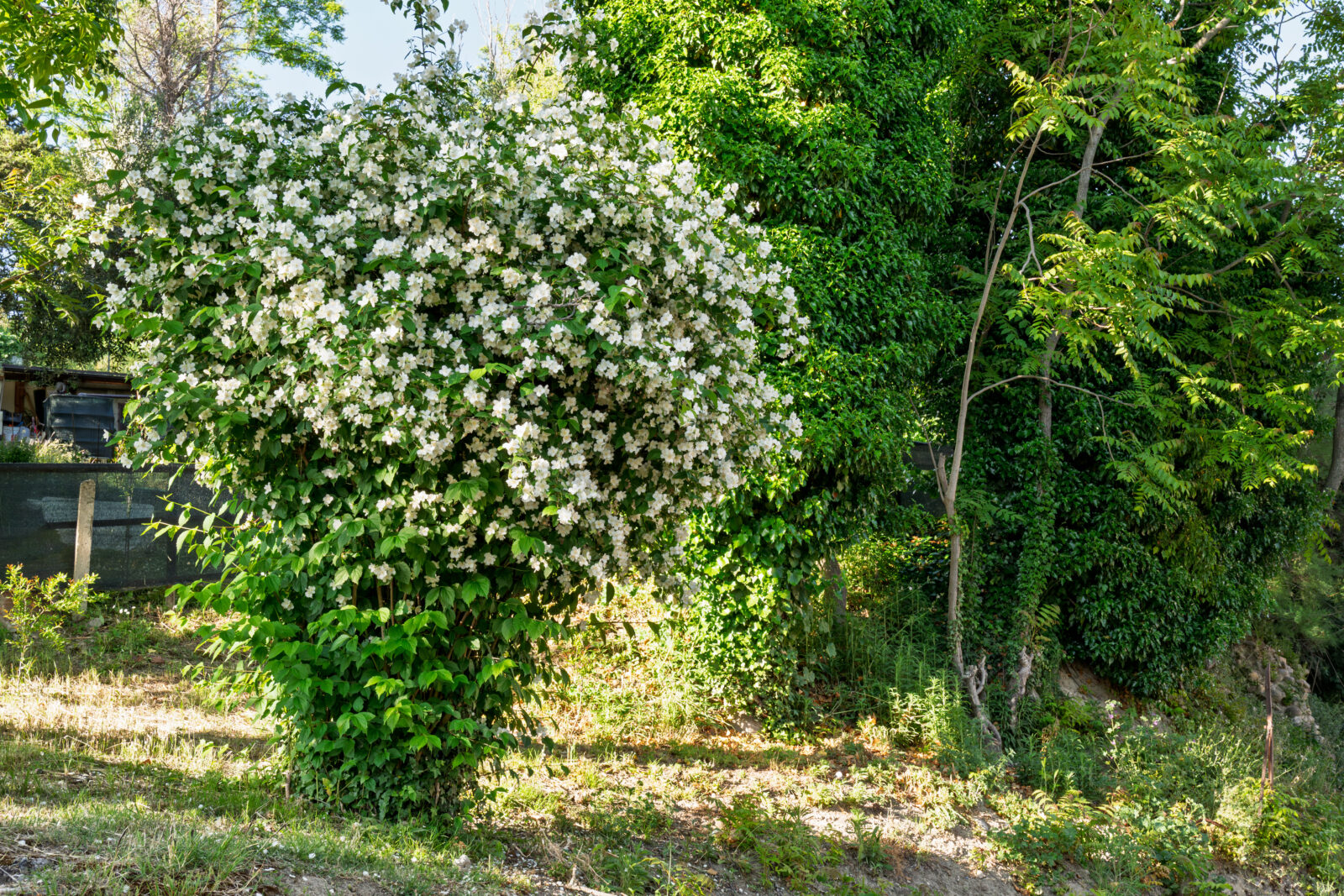
After flowering it becomes a reliable “backdrop shrub” for borders: a dense green mound that makes a great setting for perennials, roses or summer-flowering shrubs. In autumn it drops its leaves and rests through winter, which is a real advantage for pruning and shaping.
Position and light
Mock orange tolerates full sun and partial shade. For the best flowering, choose a sunny to lightly shaded spot, for example with morning or afternoon sun. In deeper shade it usually flowers less and the shoots may become more sparse. In terms of aspect, east-, south- and west-facing positions all work; what matters most is that the shrub isn’t crowded by competition and has room to develop its natural shape.
If you grow golden-leaved cultivars such as Philadelphus coronarius ‘Aureus’, bear in mind that fierce all-day sun can scorch the delicate foliage during hot spells. In that case, light partial shade or a spot with dappled light is better.
Soil and planting
Philadelphus coronarius is a rewarding shrub because it will grow in most garden soils. It copes with slightly acidic to alkaline soil, and it will tolerate heavier, clayier ground as long as it isn’t waterlogged for long periods. Ideally, provide humus-rich, medium-textured soil that stays evenly moist but drains well. In very dry, sandy soils, growth is slower and flowering can be less impressive unless you water during dry periods.
Container-grown shrubs can be planted almost any time in the season, as long as the ground isn’t frozen and you can keep up with watering. However, establishment is usually best with planting in spring or autumn. Dig a hole roughly twice as wide as the root ball and deep enough so the shrub sits at the same level as it did in the pot. It helps to lighten and enrich the backfill with well-rotted compost. Water thoroughly after planting and apply mulch to reduce drying out and weed pressure.
The biggest mistake at planting is underestimating the shrub’s eventual width. Even if a young plant looks modest, within a few years it can become a substantial shrub that needs open space and good airflow.
Watering, mulching and feeding
After planting, keep the soil evenly moist, especially in the first few weeks and throughout the first summer. Once established, the shrub is fairly drought tolerant and usually only needs watering during prolonged dry spells, particularly on light soils. It’s better to water less often but deeply, so moisture reaches down and encourages deeper rooting.
A mulch of compost, leaf mould or well-rotted bark helps retain moisture and gradually improves soil structure. In terms of nutrients, mock orange isn’t usually demanding. If it’s growing in poor soil or looks weak, you can apply a general-purpose fertiliser for ornamental shrubs in spring. Overfeeding with nitrogen can lead to lush leafy growth at the expense of flowers, so keep applications modest.
Pruning and shaping for abundant flowering
The key to regular flowering is getting the timing right. Philadelphus coronarius blooms on last year’s and older, mature wood, so it should be pruned after flowering, usually in early summer. Pruning in spring would remove the flower buds and you’d lose both scent and bloom.
Pruning young shrubs
With young plants, focus mainly on health and formative pruning. After flowering, remove dead, damaged or diseased branches, and shoots that cross and thicken the centre of the shrub. The aim is an open, airy framework that lets light in, improving both flowering and overall vigour.
Pruning older and overgrown shrubs
Older shrubs benefit from ongoing renewal. After flowering, shorten spent flowering shoots back to a strong bud or to a younger side shoot lower down the branch. At the same time, each year cut out some of the oldest stems right at the base so the shrub renews from the bottom and produces fresh flowering wood. A practical rule is to remove around one fifth of the oldest stems each year, which avoids the shock of an overly drastic cut.
Hard renovation is possible, but it’s better spread over two to three years. The shrub may flower less temporarily, but it will then rejuvenate and thicken up.
Flowering and where to place it in the garden
Mock orange usually flowers for several weeks, most often in late spring and early summer. In garden design it works beautifully at the back of mixed borders, along fences, or as a free-growing flowering screen. Because of its fragrance, it makes a lot of sense to plant it near paths, benches, patios and places where you spend time. In bloom it turns an ordinary corner of the garden into something memorable; for the rest of the year it provides a calm green backdrop.
Some cultivars are also suitable for larger containers, especially if you have a sheltered spot with plenty of light and regular watering. In a pot, however, the plant dries out faster and needs closer attention.
Propagation from cuttings
The simplest way to get more plants is to take cuttings in early summer. Use softwood cuttings from this year’s growth, while the shoots are still not fully mature. With suitable humidity and a light rooting mix, they usually root well. However, young plants are rarely ready to plant out in the garden until the following season, and you often wait two to three years for the first really good flowering while they build strength.
Common problems and pests
Philadelphus coronarius is generally a robust shrub, but aphids can appear, especially in spring and early summer. You’ll notice them by curled young leaves and sticky residue. In most cases it isn’t a serious issue and the plant will cope, often with help from natural predators. If infestation is heavy, washing them off with a jet of water or a targeted, gentle treatment can help.
For long-term health, avoid overwatering in heavy soils, keep the shrub open by thinning regularly, and don’t let it suffer prolonged drought in the first few years after planting.
Year-round care rhythm
In spring, check the shrub after winter, top up the mulch, and if the soil is poor add a light dose of a general-purpose fertiliser. As buds break and before flowering, keep an eye on moisture for newly planted shrubs. After flowering comes the main pruning window, which determines how the shrub will look and flower next year. In autumn, it’s enough to keep the area weed-free and refresh the mulch if needed; the shrub is hardy and will get through typical winters without protection.
If you give it the right position, sensible moisture, and an annual post-flowering prune, Philadelphus coronarius will reward you with a dependable, intensely scented flush of white flowers—one of the unmistakable signatures of early summer.
Source: Gardeners World, Rhs , Pestrazahrada.cz
Related articles
Next year you can harvest better if you don’t sow carrots where they won’t thrive
Carrot root fly can ruin carrots, parsley and celery from the inside out, often without obvious warning until harvest. Better site choice, rotation, later sowing and simple physical barriers can dramatically cut damage next season.
How to Propagate Roses from Cuttings at Home and Fill Your Garden with Blooms Almost for Free
Want more roses without paying for new plants? With a few healthy cuttings and a simple plastic-bottle mini greenhouse, you can root new bushes at home in just a few weeks.
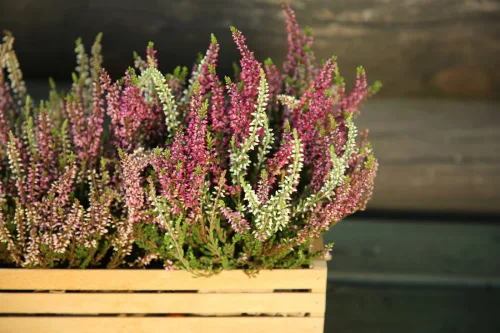
Heathers can cope where other plants won’t, but one soil detail decides everything
Heathers and heaths are tough evergreen shrubs that can flower across the seasons when you choose the right types. Success hinges on matching the plant to your soil pH and ensuring free drainage.
Comments (0)
Be the first to comment.