
 English
  Polski
  Deutsch
  Nederlands
  Svenska
  Norsk
Norsk  Dansk
Dansk  Français
  Italiano
  Español
  Português
  Slovenčina
  Suomi
Suomi  Gaeilge
 Proven tips to strengthen tomatoes, boost flowering and increase yields
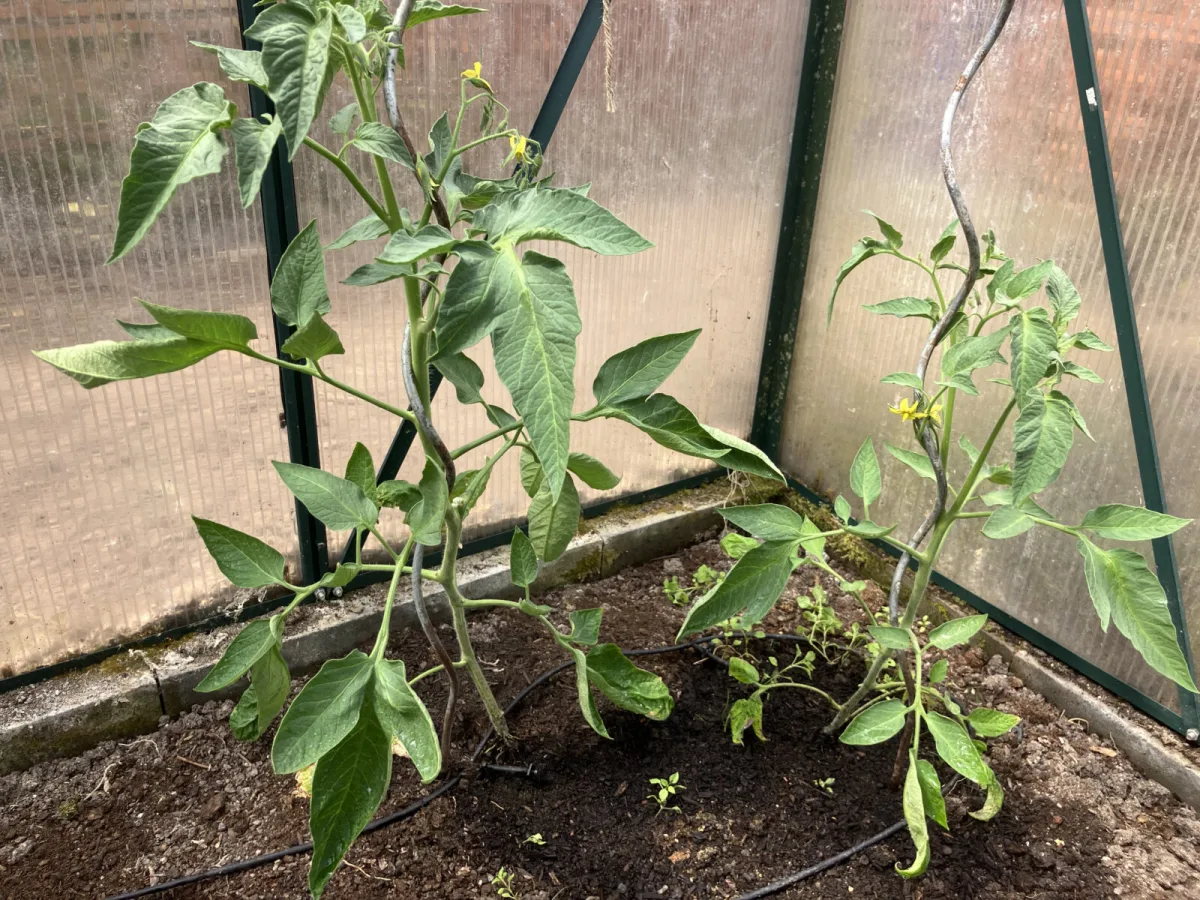
Tomatoes are truly heat-loving plants that hate cold soil and chilly nights. That’s why they should only go into the bed once the risk of ground frosts has passed and the soil has properly warmed up. In practice, that’s most often the second half of May, and in cooler areas it can easily be as late as early June. Correct timing often makes the difference between plants that are simply lush and green and plants that also set plenty of fruit.
Planting is the foundation for strong roots
When you plant, take extra care in the first few minutes because they affect rooting for weeks to come. First dig a hole and water it thoroughly so the roots can connect with the surrounding soil more quickly. Right afterwards, it’s practical to drive in a support next to the plant so you don’t damage the root ball later.
Remove the seedling gently. A proven method is to hold the pot from above so the stem sits between your fingers, turn the container upside down, and release the root ball with a gentle squeeze. You can plant a tomato deeper, even up to the first true leaves. The stem can produce additional roots, making the plant more stable and better able to manage water.
After planting, water again and lightly pull a thin layer of drier soil over the surface. This layer helps slow evaporation and keeps moisture where the plant needs it most.
Tying to a support to prevent breakage and keep shape
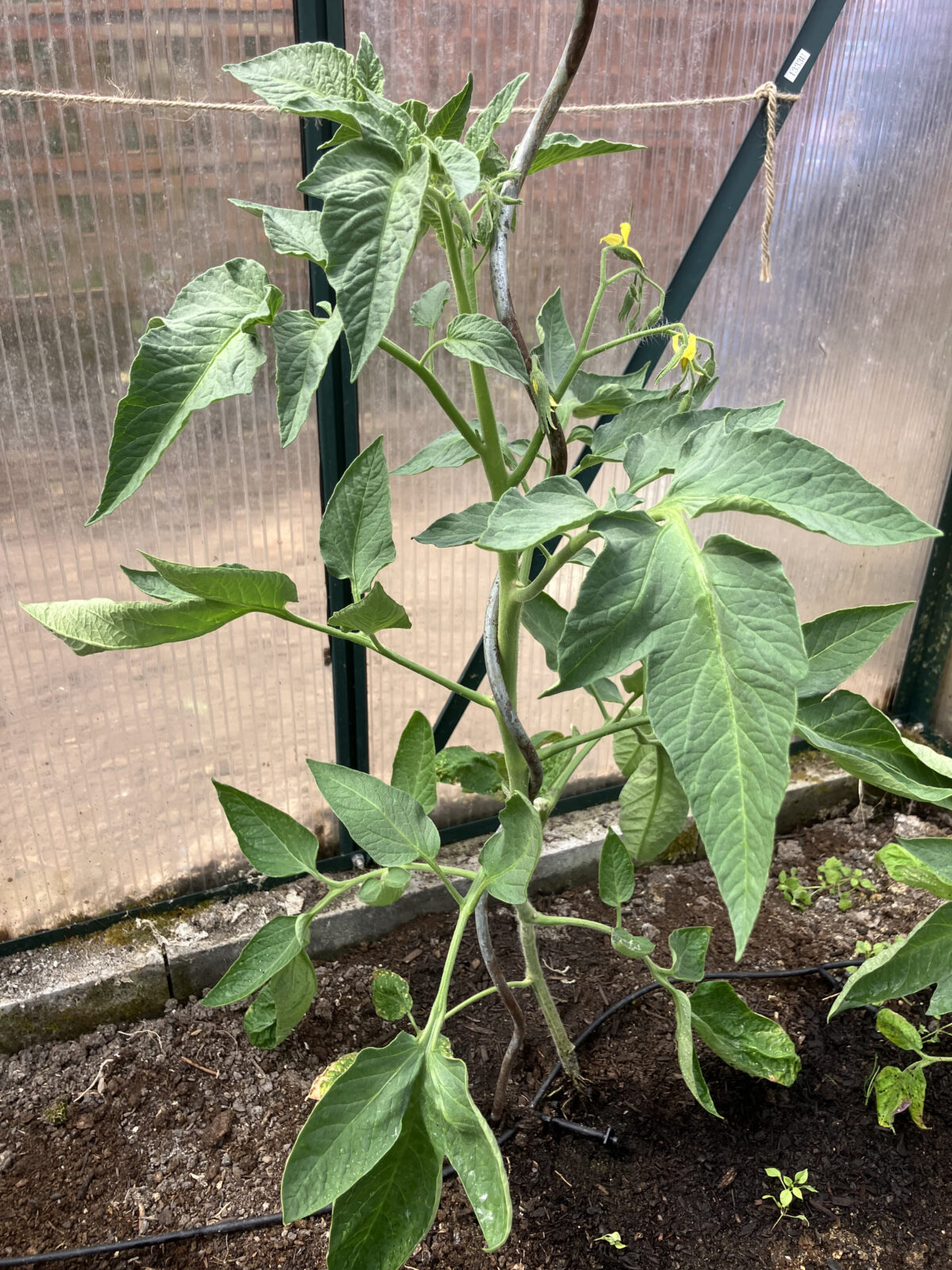
It’s best to tie tomatoes to their support right after planting. Wind can easily knock over young plants, and repeated rocking slows establishment. Use a soft string, a fabric tie, or special clips, always in a way that won’t cut into the stem and allows for thickening as it grows.
Check ties regularly, ideally about every two weeks or whenever the main shoot has noticeably grown. If you have sensitive skin, gloves can be helpful, because the fine hairs on the stem can irritate some people.
Pinching out side shoots and managing lateral growth
With cordon types, meaning indeterminate varieties that keep growing, it’s important to keep an eye on side shoots. These are small shoots that form in the leaf axils. If left unchecked, the plant becomes unnecessarily crowded, dries more slowly after rain, and the fruit ends up shaded. This can reduce fruit set and increase the risk of fungal problems because airflow is poorer.
Side shoots are easiest to remove with your fingers while they’re still short and soft, just a few centimetres long. At that stage they snap out cleanly and the wound dries quickly. Scissors are usually not recommended for this job, because moving from plant to plant can spread viral diseases.
In recent years, some growers have chosen a compromise and leave 1 to 2 stronger side shoots, especially in a greenhouse or where there’s plenty of space. This can increase the number of fruits, but it requires closer attention to overcrowding, as well as sufficient feeding and light so the plant doesn’t become stressed and start dropping flowers.
Removing lower leaves for a drier crop and fewer infections
As a tomato grows, the lowest leaves gradually lose their importance. They often yellow, curl, or develop small spots. If it’s only the bottom layer, it’s usually natural ageing of the tissue rather than a clear sign of disease. Even so, it pays to remove these leaves because they hold moisture close to the ground, get splashed with soil during watering or rain, and when they touch the soil they can become an entry point for moulds and bacteria.
Cut off lower leaves regularly with clean, sharp scissors as close to the stem as possible. Don’t tear them off by hand, because the tissue can be damaged and the wound heals more slowly. In a greenhouse or polytunnel, this step matters even more because it improves airflow and reduces the chance that blight and other fungal diseases will spread quickly through the plants.
Harvesting individual fruits and what to watch for at the end of summer
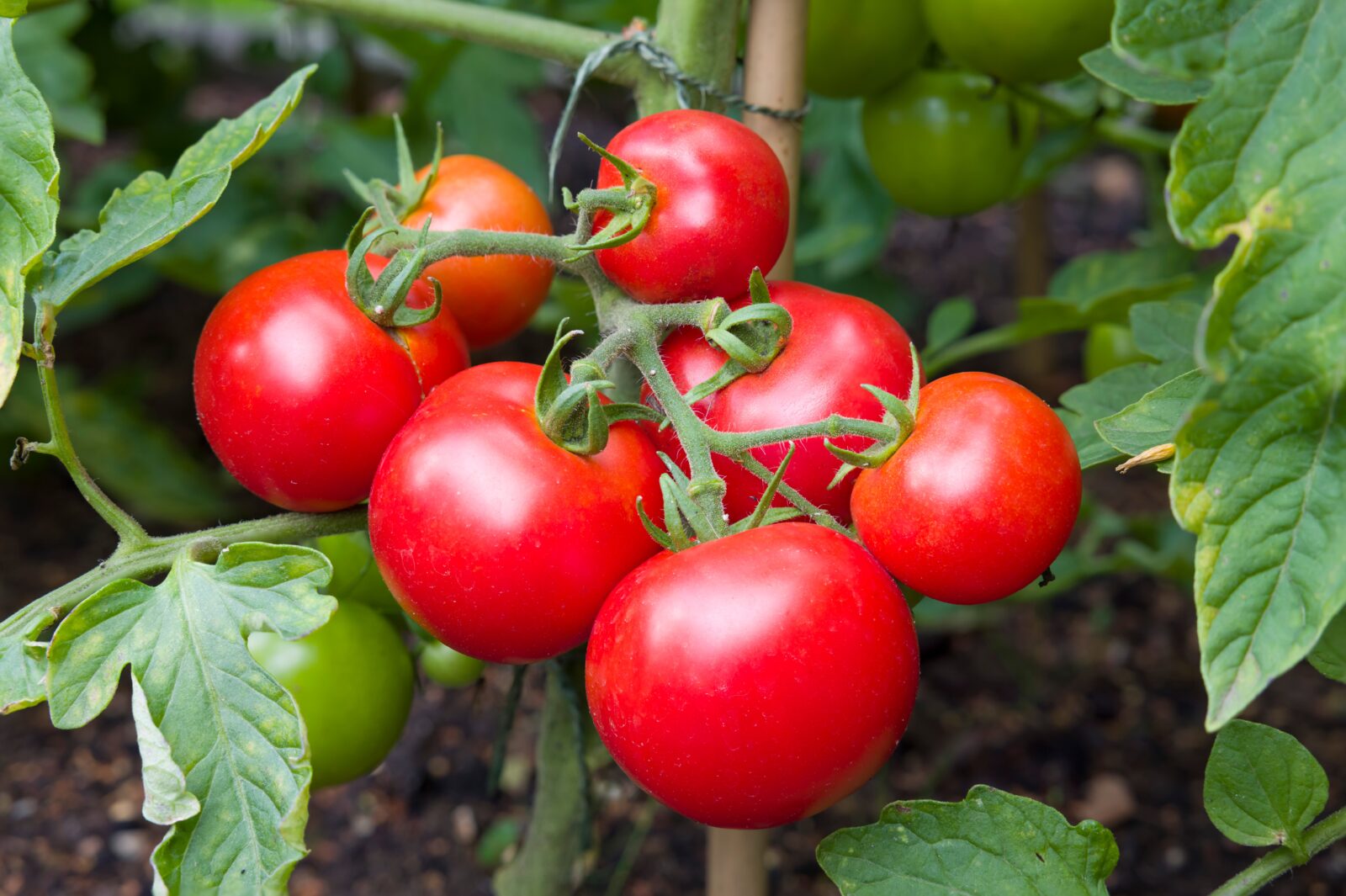
Pick tomatoes gradually as they ripen. A ripe fruit can usually be snapped off easily at the little joint just above the fruit. If it holds tight, use scissors instead so you don’t tear part of the stem or damage the whole truss. Dry weather is best, and picking in the morning helps, when fruits are firm and less prone to bruising.
Towards the end of summer, the question arises whether to pinch out the growing tip. In the past, this was recommended almost automatically so the plant would stop producing new flowers and put its energy into ripening the fruits already formed. Today, a more individual approach is common. If the plant is vigorous and there’s still a longer warm spell ahead, it can continue growing. Topping makes the most sense when the upper flowers no longer have a realistic chance of turning into ripe fruit.
Harvesting whole trusses on cluster varieties
On some varieties, especially so-called cluster types, several fruits on one truss ripen at roughly the same time. In that situation, it’s often more practical not to keep picking individual tomatoes, but to cut off the whole truss at once. The fruits usually keep longer, store better, and suffer less bruising during handling.
When cutting, leave a short piece of stem on the truss. It makes carrying and storing easier and reduces the risk of damage around the stalk end. Right at the end of the season, when temperatures drop and the plant has formed about six to eight trusses, you can again consider topping so the fruits already hanging on the plant will ripen. As with indeterminate varieties, though, the deciding factors are the specific weather pattern and the plant’s condition.
Why it pays to return to the basics
Success with tomatoes usually doesn’t come down to one miracle trick, but to the sum of small, regular tasks. The right planting date, planting deeper for better roots, ongoing tying in, sensible removal of side shoots, removing lower leaves, and careful harvesting are steps that together greatly increase the chance of healthy plants and baskets full of fruit. If you remind yourself of them now and then and adapt them to current conditions, they can even rescue a season that didn’t look promising at the start.
Source: Fakt, The Spruce, Gardening Know How, Pestrazahrada.cz

A lover of nature, gardens, and everything that moves, blooms, or grows. He literally grows everything, from herbs to rare species, and he enjoys caring for animals just as much. In his work, he connects modern technology with tried-and-tested grandmotherly methods and is happy when both paths lead to the same goal.
Related articles
Next year you can harvest better if you don’t sow carrots where they won’t thrive
Carrot root fly can ruin carrots, parsley and celery from the inside out, often without obvious warning until harvest. Better site choice, rotation, later sowing and simple physical barriers can dramatically cut damage next season.

How to Propagate Roses from Cuttings at Home and Fill Your Garden with Blooms Almost for Free
Want more roses without paying for new plants? With a few healthy cuttings and a simple plastic-bottle mini greenhouse, you can root new bushes at home in just a few weeks.
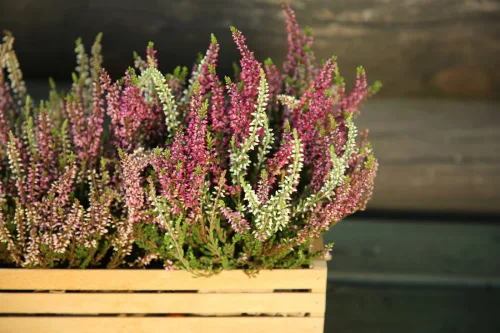
Heathers can cope where other plants won’t, but one soil detail decides everything
Heathers and heaths are tough evergreen shrubs that can flower across the seasons when you choose the right types. Success hinges on matching the plant to your soil pH and ensuring free drainage.
Comments (0)
Be the first to comment.