
 English
  Polski
  Deutsch
  Nederlands
  Svenska
  Norsk
Norsk  Dansk
Dansk  Français
  Italiano
  Español
  Português
  Slovenčina
  Suomi
Suomi  Gaeilge
 How to Make the Most of Partial Shade and Grow Tasty Vegetables
Do you have a corner of the garden where it stays dim for most of the day and, so far, it’s been mostly weeds? There’s no reason to write it off. As soon as the spot gets light for at least part of the day, it can still be put to good use for growing. The key is simply to choose crops that don’t need full-day direct sun and can cope with slightly cooler, damper conditions.
Partial shade often comes from the shadow of a house, a tall fence, or the canopy of a tree. An evenly sunlit productive garden isn’t a given, so it pays to look at the darker areas through a different lens than just as a patch for shade-tolerant lawn.
When partial shade can actually be an advantage for growing
In partial shade, the soil usually doesn’t dry out as quickly as it does in direct sun. That’s good news for plants that are sensitive to drying out, which easily wilt or stop growing in hot weather. It’s also typically a few degrees cooler, which is especially useful in late spring and summer, when some crops suffer from scorch and heat stress.
Another plus is slower bolting. For leafy vegetables, this is a major advantage, because once they start to flower, the leaves often become tougher and can turn bitter. In cooler partial shade, they tend to stay tender, juicy, and pleasantly flavoured for longer.
You can’t do without light, but a few hours is often enough
A simple rule applies: if a spot is in permanent deep shade, the harvest will be poor or non-existent. Vegetables need light to grow. At the same time, it isn’t necessary for the bed to have sun from morning to evening. Light conditions change during the day as the sun moves, and even a seemingly dark corner can brighten up for a few hours in the afternoon. Those are exactly the conditions that are perfectly workable for many crops.
Partial shade is a compromise: growth is often slower, but leaf quality and a lower risk of bolting often more than make up for it.
Which vegetables are best suited to partial shade
In the darker parts of the garden, it usually isn’t worth planting fruiting vegetables that need lots of sun to ripen, such as tomatoes or peppers. Similarly, root crops like carrots or parsley tend to grow faster and size up better in sun. In partial shade, however, leafy crops in particular do very well, along with a few quick-growing vegetables where tenderness and steady moisture are especially valued.
Head lettuce and loose-leaf lettuce
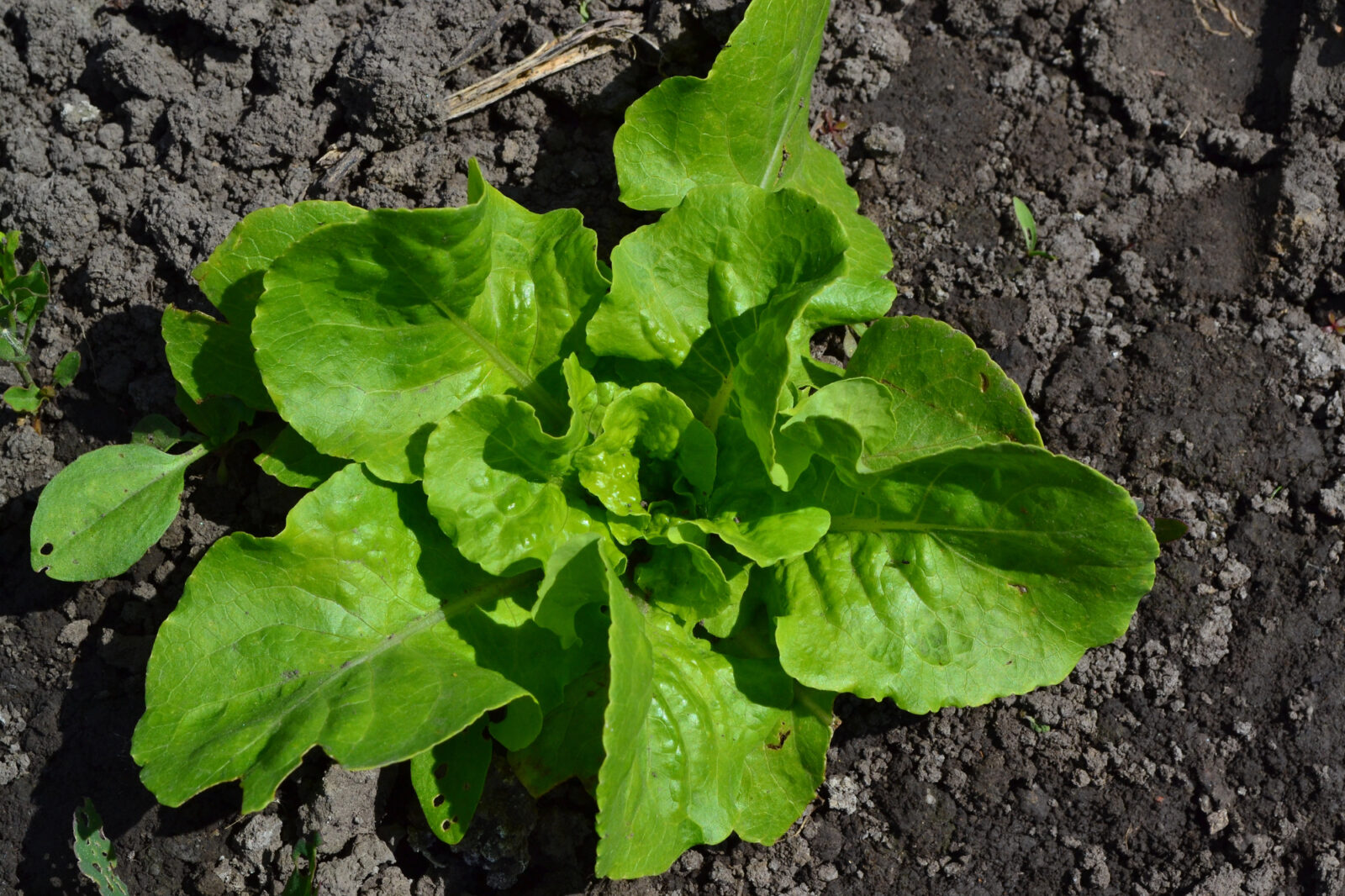
Lettuces generally don’t like relentless scorching sun. In partial shade they’ll grow a little more slowly, but they won’t bolt as quickly. In practice, that means a longer harvesting window and leaves that stay crisp, tender, and free of unnecessary bitterness.
Spinach and Swiss chard
Spinach and Swiss chard are classic crops that prefer cooler conditions and even moisture. In partial shade, they find it easier to keep their leaves juicy and are less threatened by the soil drying out quickly. With these crops, you’ll often find that less direct sun can mean better texture and a longer harvesting period.
Rocket and Asian salad leaves
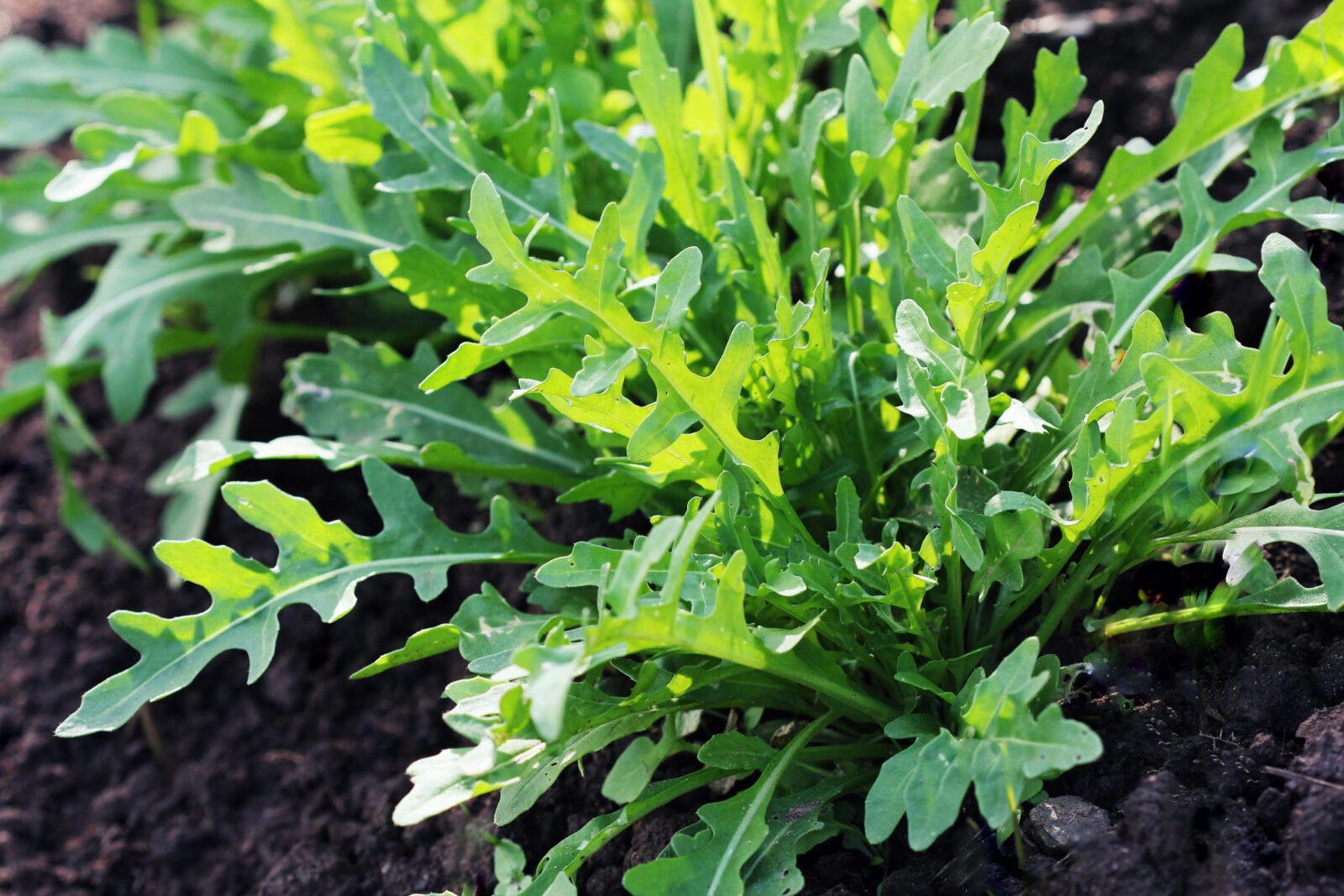
Strongly flavoured leafy greens, such as rocket or various Asian salad leaves, often taste sharper when grown in full sun—sometimes even overly pungent. In partial shade, their flavour is usually milder and more balanced, which you’ll especially appreciate if you’re harvesting young leaves little and often.
Curly kale
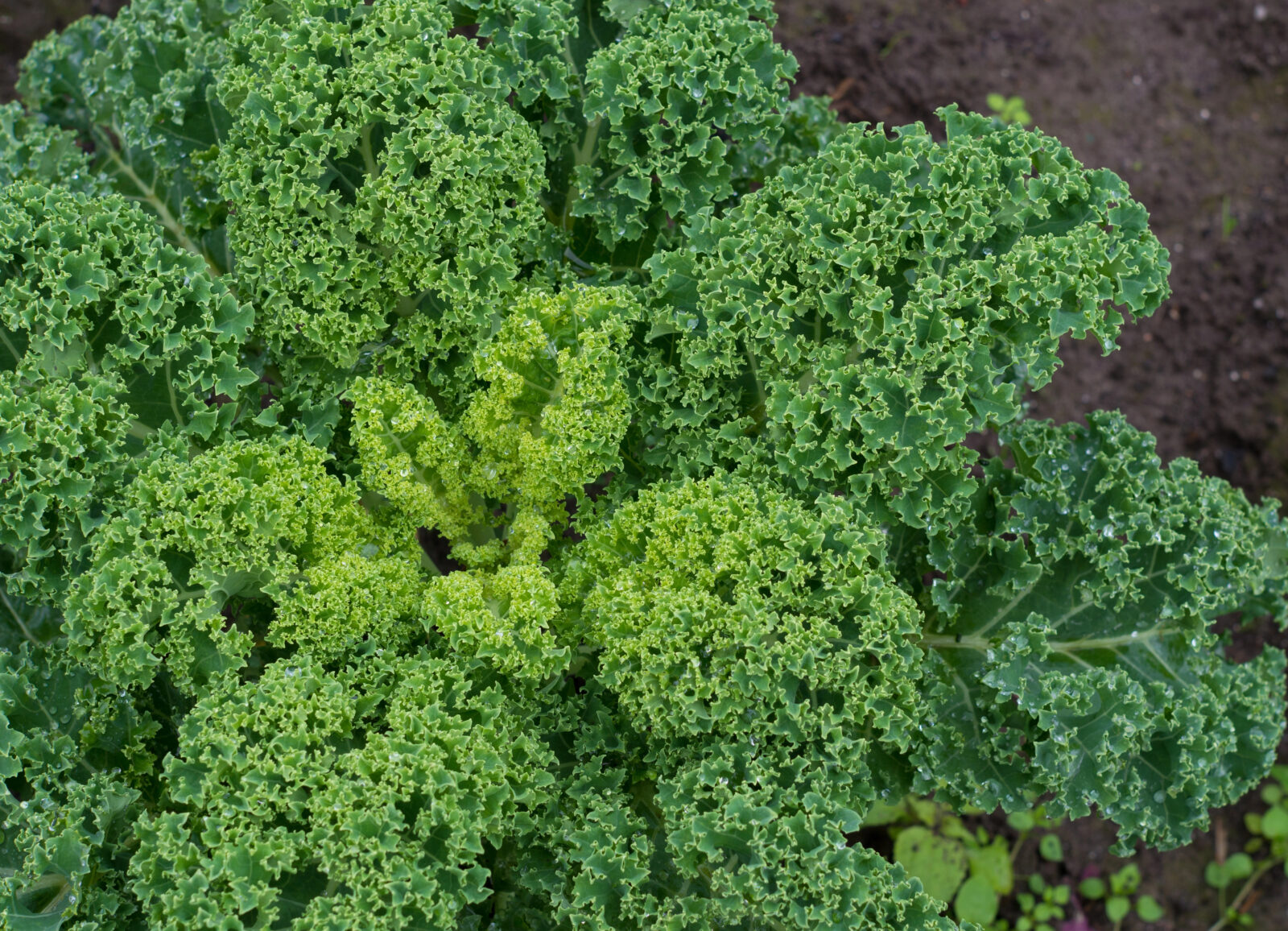
Curly kale is among the hardy crops that can cope with a spot where the sun arrives for only a few hours—often not until later in the afternoon. In partial shade it grows steadily and, with good care, provides a reliable leaf harvest.
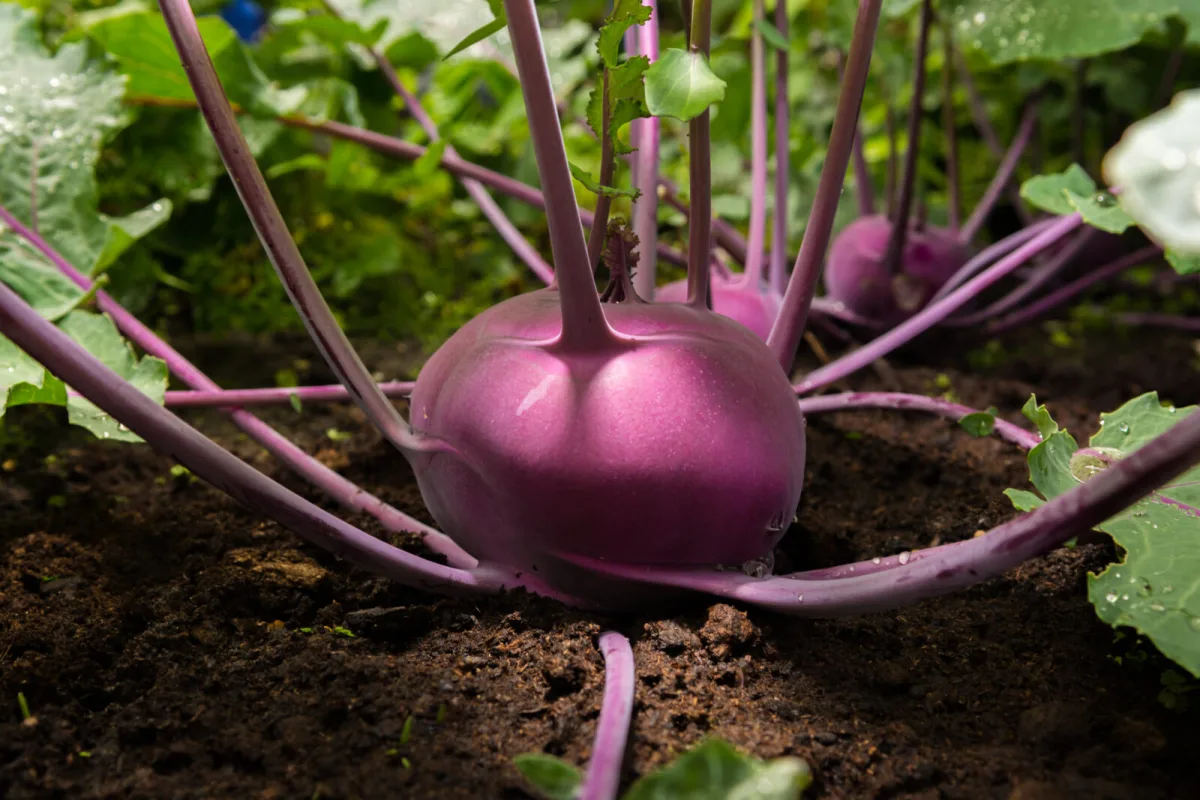
Kohlrabi
Kohlrabi does need a solid few hours of light each day, but if you’re not chasing the fastest possible growth and you want to reduce the risk of splitting or becoming woody, light partial shade can be surprisingly suitable. With more even moisture and less temperature stress, it can swell into a nicely juicy bulb.
Radishes
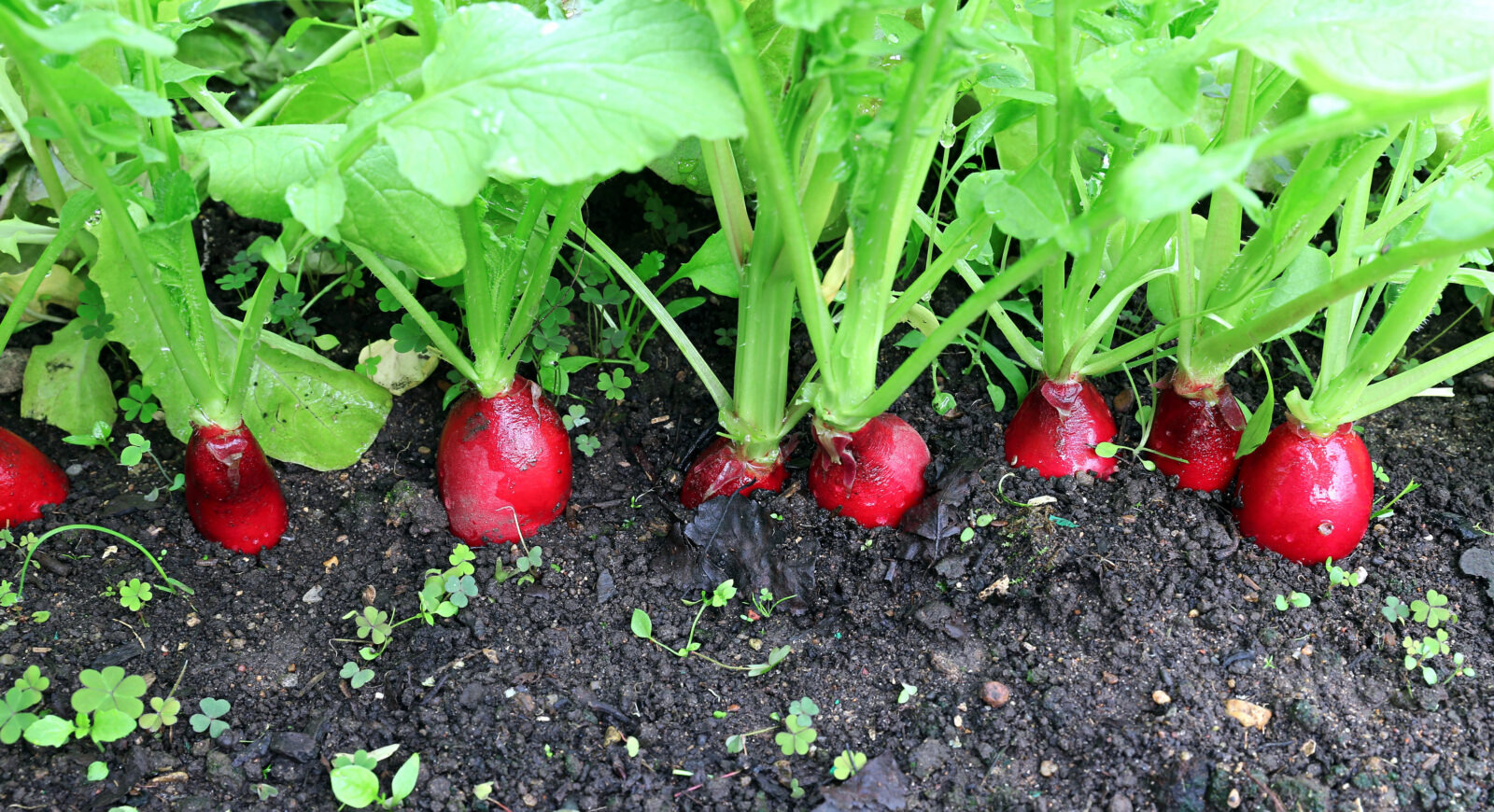
For later sowings—your second or third round in the season—partial shade at the end of spring and into the first half of summer is often better than full sun. Radishes may size up more slowly, but they’re less likely to bolt and their flavour is usually more even, without excessive sharpness.
Herbs as an easy, reliable choice for shadier corners
If vegetables consistently struggle in that spot, consider planting herbs that tolerate alternating shade and short windows of sunshine. Mint, lemon balm, chives, parsley leaf, chervil, or wild garlic (ramsons) all work well. These plants usually adapt quickly, and they’ll give the shadier parts of the garden a clear purpose—and plenty of fragrance.
A practical takeaway for planning your beds
Before you permanently reserve darker areas only for ornamental planting, pay attention to how many hours of light actually reach them each day. As long as it’s partial shade rather than all-day gloom, you have a decent chance of success. Focus mainly on leafy vegetables, expect slower growth, and your reward will be more tender leaves, steadier moisture, and often a longer harvest season.
Source: RHS, GrowVeg, Food Garden Life, Pestrazahrada.cz

A lover of nature, gardens, and everything that moves, blooms, or grows. He literally grows everything, from herbs to rare species, and he enjoys caring for animals just as much. In his work, he connects modern technology with tried-and-tested grandmotherly methods and is happy when both paths lead to the same goal.
Related articles
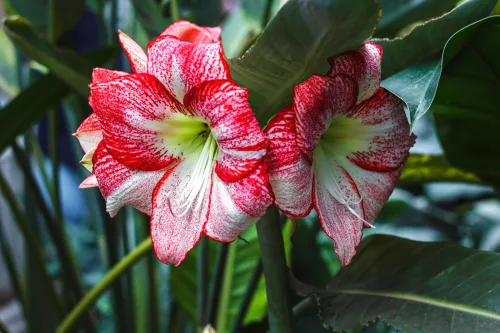
The Christmas Amaryllis That Can Bloom for Years but Most People Throw It Away After Flowering
Hippeastrum is a spectacular winter-blooming bulb that, with the right care, will flower again year after year. Learn how to plant it correctly, look after it after flowering, and bring it into dormancy so it reliably reblooms.
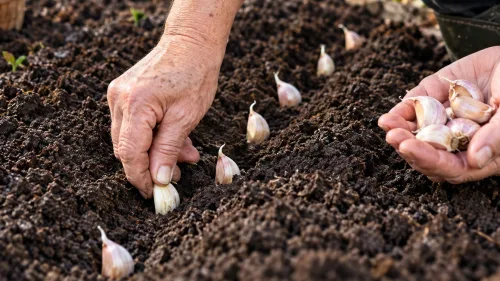
How to Grow Winter Garlic for a Much Bigger Harvest
Autumn planting is the key to strong, healthy winter garlic, but the details make all the difference. With the right timing, bed choice, seed-clove treatment and a simple bicarbonate trick, you can noticeably boost yield.
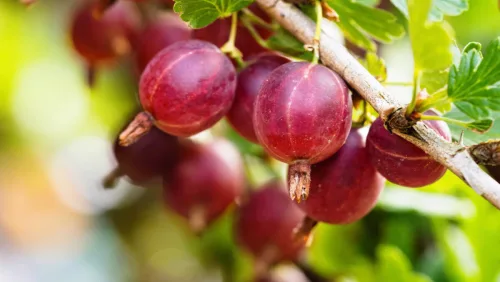
A tree or shrub planted properly in autumn can outpace spring stock and improve fruiting
Many fruit trees and soft-fruit shrubs establish better when planted in autumn, because roots keep growing while the top is dormant. Done well, this head start means stronger spring growth, less watering, and a healthier first year.
Comments (0)
Be the first to comment.