
 English
  Polski
  Deutsch
  Nederlands
  Svenska
  Norsk
Norsk  Dansk
Dansk  Français
  Italiano
  Español
  Português
  Slovenčina
  Suomi
Suomi  Gaeilge
 How to Choose a Fragrant Jasmine for a Balcony, Patio and Garden That Will Thrive
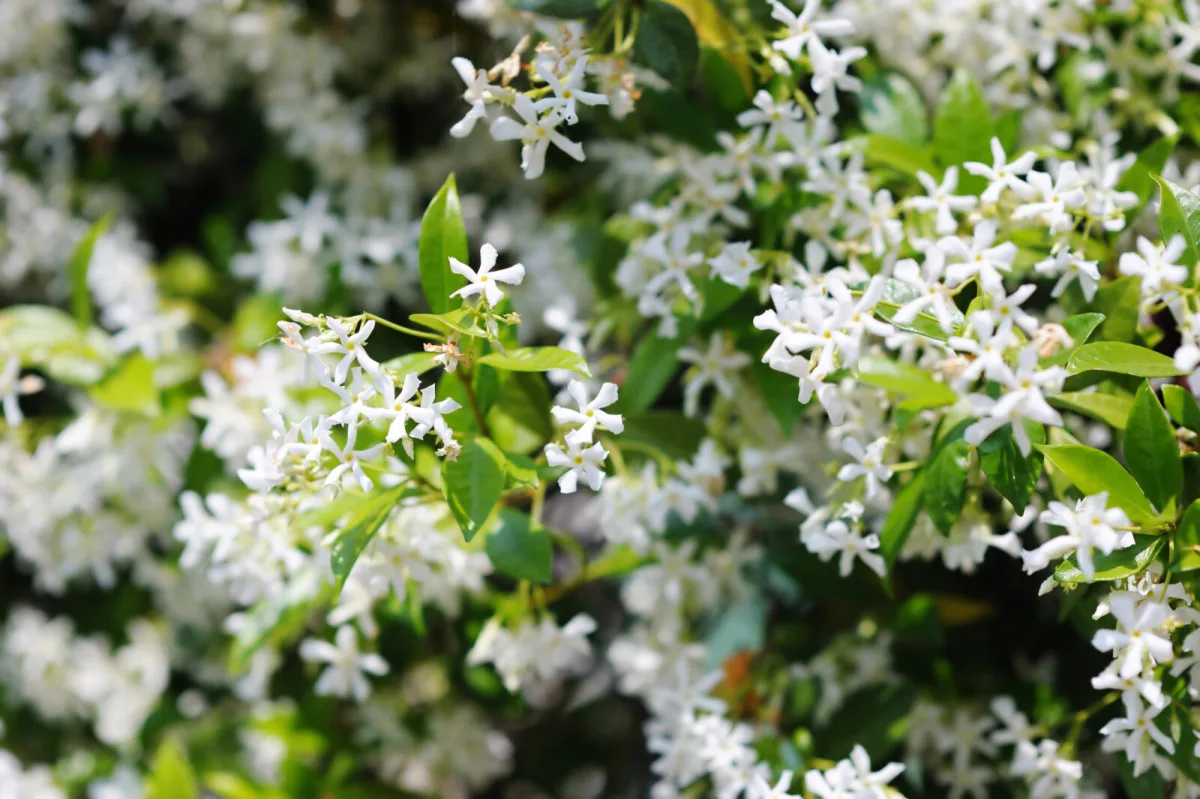
Jasmine is one of those plants people associate with an intoxicating fragrance and the romantic feel of a garden. Under the name jasmine, however, there are several species in the Jasminum genus, differing in appearance, scent and growing requirements. Some are climbers, smothered in starry flowers in summer; others form a shrub and bloom in the depths of winter on bare stems. Alongside outdoor types, there are also tender jasmines suited to the home, a conservatory or a heated greenhouse.
They do share one thing: with the right position and basic care, they’re generally rewarding plants that can turn walls, pergolas and balconies into a living backdrop full of flowers.
The most commonly grown types and what they’re best for
Common jasmine, also known as poet’s jasmine
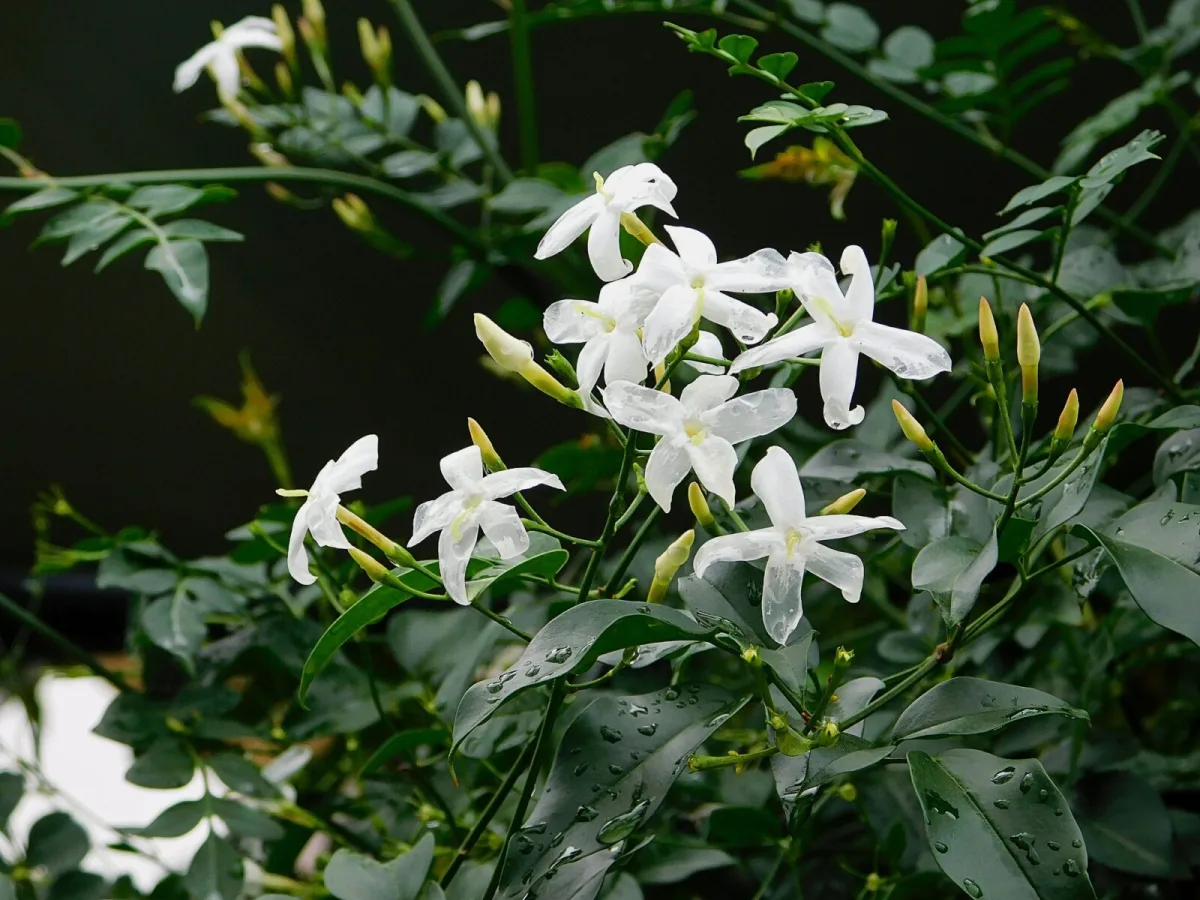
Jasminum officinale is a vigorous climbing plant with white, strongly scented summer flowers. It’s ideal for pergolas, trellis, arches and warm house walls. Once established, it can grow quickly and needs a sturdy support.
Winter jasmine
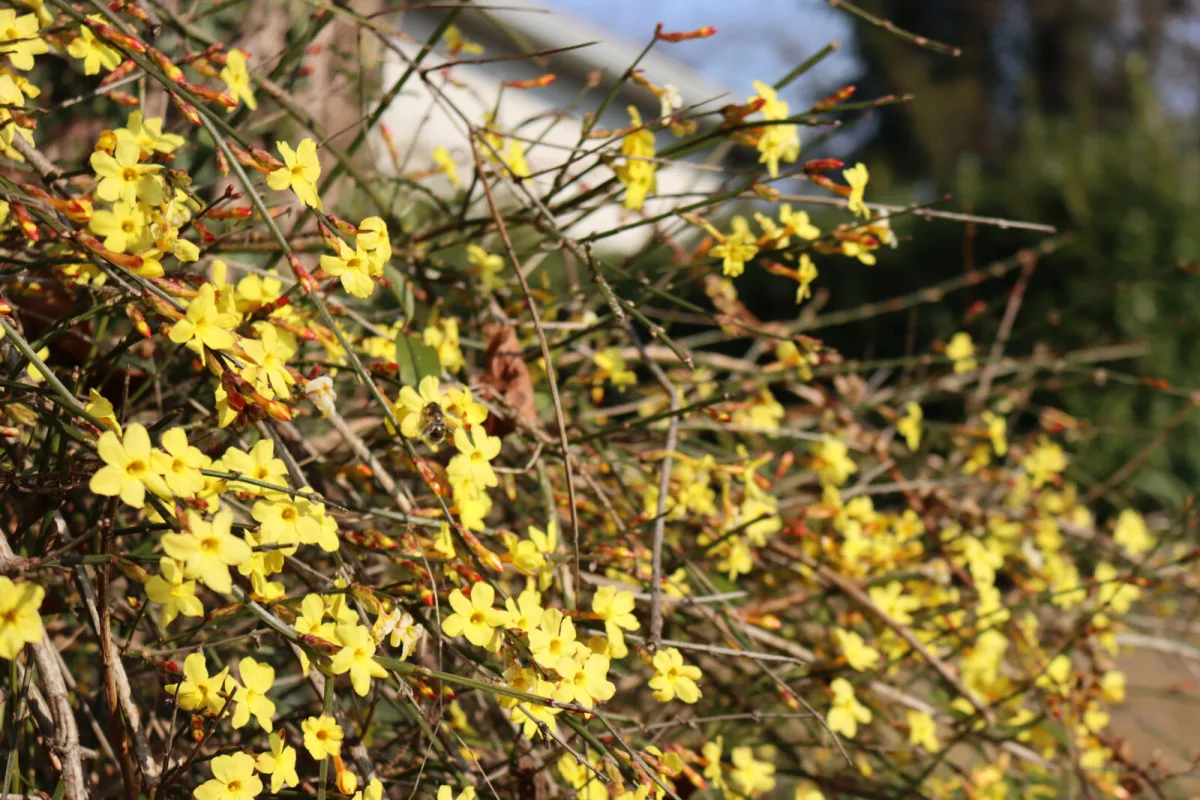
It grows more as a spreading, arching shrub. Its yellow flowers appear in winter and early spring on bare shoots. The scent is usually faint, but the splash of colour when the garden is asleep is exceptional. It’s often used as ground cover, on slopes, to spill over walls, or tied in against a wall.
Chinese jasmine for indoors
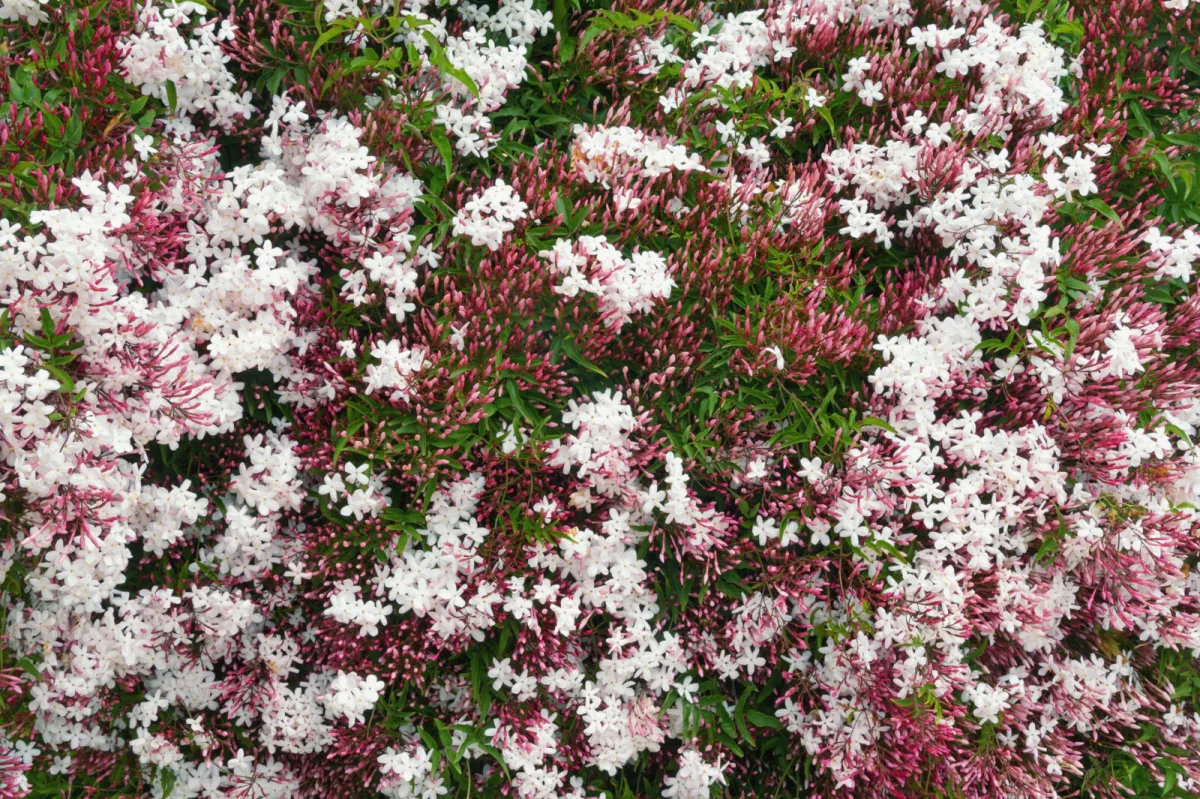
This is a popular houseplant jasmine with pink buds and white, highly fragrant flowers in late winter and early spring. It needs good light, regular watering and steady warmth, so it’s mainly grown in a pot.
Types with pink or yellow flowers
Garden centres also stock species such as Jasminum beesianum or J. × stephanense with softly pink summer flowers, or Jasminum humile with yellow blooms. With these plants, it’s important to check hardiness, because not all are reliably winter-hardy in every location.
Not every “jasmine” is botanically a jasmine. For example, so-called star jasmine is often sold under a similar name, but it belongs to a different genus. When buying, it’s best to go by the Latin name.
Where jasmine will grow best
Most jasmines appreciate full sun to light shade and free-draining, reasonably fertile soil. The key is to avoid places where winter damp and frost linger. Summer-flowering climbing jasmines do best in a warm, sheltered spot, ideally by a wall that stores heat during the day. Winter jasmine is more tolerant and will cope with less-than-ideal sites, but it still benefits from being out of icy winds.
Tender types grown in containers belong in a bright place with good air movement. In summer they can be outdoors, but at night they need bringing in on time as soon as temperatures drop towards cooler levels.
When and how to plant so it establishes quickly
Summer jasmines are best planted in spring or autumn. Winter jasmine is often planted in autumn right through to winter, as long as the soil isn’t frozen. Plants are usually sold container-grown, so planting is straightforward: dig a hole slightly larger than the rootball, plant at the same depth, water thoroughly, and for climbers prepare a support straight away. With pergolas and trellis it pays to plan ahead, because a mature jasmine can be heavy and wind can move it around significantly.
In a container, drainage and a quality potting mix matter—one that holds moisture but doesn’t stay waterlogged. Overgrown plants are worth repotting into a larger container in time, refreshing part of the compost.
Watering, feeding and mulching through the year
The first year after planting, regular watering is crucial so the roots grow out into the surrounding soil. Once jasmine is established, in the ground it usually manages without frequent irrigation, except during prolonged summer droughts. Container plants, by contrast, need watering consistently throughout the season because they have a limited volume of compost.
Feeding matters most in pots. To encourage flowering, a fertiliser higher in potassium helps, typically similar to what’s used for fruiting vegetables. For plants in the ground, an annual addition of organic matter is often enough.
In autumn it’s worth adding a mulch of well-rotted compost or another organic material. Mulch reduces swings in soil moisture, suppresses weeds and, for less hardy types, partly protects the crown from frost. Leave a small gap right at the base so stems don’t rot.
Overwintering and protection from cold
Hardy types such as common jasmine and winter jasmine usually overwinter outdoors without trouble, provided they aren’t newly planted in an extremely exposed position. More sensitive types need extra attention: in containers it’s safer to move them to a bright, frost-free place. Plants left outdoors should have their roots protected with a thicker mulch layer and a site free of standing winter water.
Pruning and tying-in for fuller flowering
Regular pruning keeps jasmine vigorous, airy and flowering lower down, where you can enjoy the scent best. The basic rule is to shorten spent flowering shoots back to a strong side shoot, and remove damaged, weak or crossing branches at the same time.
Pruning summer jasmines
Summer types are pruned after flowering, usually in late summer to early autumn. The plant then has time to produce mature shoots for earlier flowering next season.
Pruning winter jasmine
Winter jasmine is pruned in spring immediately after flowering. It blooms on last year’s wood, so timing is crucial to avoid removing the next crop of flower buds.
Hard renovation of overgrown plants
If jasmine outgrows its space, it can cope with a fairly drastic cut-back. After a hard prune it will reshoot quickly, but returning to full flowering may take two to three seasons while the new growth matures.
Propagation and common issues
Jasmine can be propagated by layering or from cuttings. With outdoor types, hardwood cuttings in winter often work well; with tender indoor forms, softwood to semi-ripe cuttings in spring and summer are usually better. Success improves with a clean cut, an open, free-draining medium and even moisture without saturation.
In the right conditions, jasmine is rarely troublesome. Outdoors, aphids may sometimes appear on young shoots, but it’s usually not a serious threat. Indoors, sap-sucking pests can join in, so regular checks of leaves and shoots are needed to catch them early. In our conditions, the most common problem is cold damage in less hardy types, or a combination of frost and winter wet.
Why it’s worth planting jasmine right now
Jasmine can cover a bare wall, perfume a seating area and bring flowers into months when other plants are quiet. Whether you choose a summer climber for a pergola, winter jasmine for yellow blooms in the cold season, or Chinese jasmine as a fragrant houseplant, the reward is a long-lasting, striking plant that becomes more beautiful with sensible care.
Source: Almanac, Rhs , Pestrazahrada.cz
Related articles
Next year you can harvest better if you don’t sow carrots where they won’t thrive
Carrot root fly can ruin carrots, parsley and celery from the inside out, often without obvious warning until harvest. Better site choice, rotation, later sowing and simple physical barriers can dramatically cut damage next season.
How to Propagate Roses from Cuttings at Home and Fill Your Garden with Blooms Almost for Free
Want more roses without paying for new plants? With a few healthy cuttings and a simple plastic-bottle mini greenhouse, you can root new bushes at home in just a few weeks.
Heathers can cope where other plants won’t, but one soil detail decides everything
Heathers and heaths are tough evergreen shrubs that can flower across the seasons when you choose the right types. Success hinges on matching the plant to your soil pH and ensuring free drainage.
Comments (0)
Be the first to comment.