
 English
  Polski
  Deutsch
  Nederlands
  Svenska
  Norsk
Norsk  Dansk
Dansk  Français
  Italiano
  Español
  Português
  Slovenčina
  Suomi
Suomi  Gaeilge
 How to Grow Dense Trailing Geraniums That Cascade with Flowers
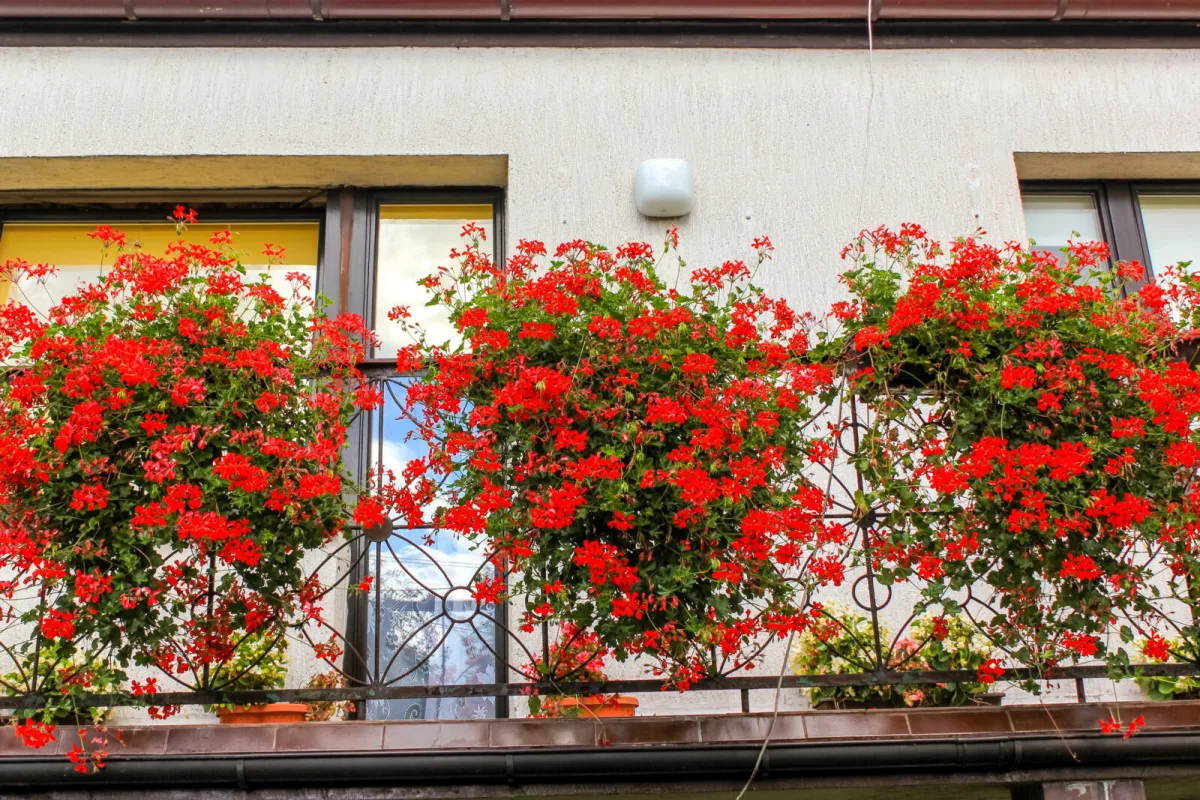
On many streets, you’ll always find a house whose windowsills or balcony are dressed in truly impressive cascades of trailing geraniums. It’s not magic or a secret cultivar, but the combination of a few simple steps. When geraniums get the right start, branching is encouraged regularly, and nutrients are topped up on time, small young plants turn into vigorous specimens that quickly put on volume and, over the season, produce long trailing growth.
The foundations are root space and a quality compost
Although geranium seedlings are often small when you buy them, once they’re potted into a window box or container they immediately start growing hard and quickly use up both water and nutrients. Old compost left from other plants, or ordinary garden soil, isn’t ideal for them. For the best start, it’s worth using a quality compost formulated specifically for pelargoniums, which typically contains a pre-mixed nutrient charge for the first three to four weeks.
It’s also important not to cram the planting. Space individual plants about 15 to 20 cm apart so they have room to branch, and so the planting stays healthier with less unnecessary rotting.
If the windowsill or balcony allows, choose containers at least 15 cm deep. It’s a direct relationship: the stronger and more developed the root system, the more substantial the top growth. When roots are cramped, a geranium will survive, but it will struggle to build truly generous volume.
Pinching is the key to dense growth
A common reason geraniums look sparse is that they grow into just a few long, leggy shoots. Right after buying young plants, one intervention that looks drastic at first but is highly effective is to pinch out the growing tip at the end of each shoot. These are the newest little leaves at the very top of the stem, which you can easily remove with your fingernails or scissors.
After pinching, the plant redirects energy into side buds, most often in the leaf axils closer to the base. Within one to two weeks, new branches begin to appear on what was previously a thin shoot, the box fills faster, and the whole plant gains bulk.
If you want an even bushier habit, you can repeat this process two to three times, again only on the tips of the new stems. Keep an eye on balanced shape. If the plant grows strongly to one side, it can topple more easily in wind or snap. If the geranium looks uneven, it’s better to shorten some stems a little more so it stays stable.
Feeding determines growth speed and flower quantity
Watering alone isn’t enough. Once the nutrients in fresh compost are used up after about a month, growth slows noticeably and flowering becomes inconsistent. To support leaves and stems early in the season, use a fertiliser with a higher nitrogen content, typically about once a week, always following the instructions for the product you’re using.
From around the second half of June, it’s a good idea to switch to a fertiliser with a higher proportion of phosphorus and potassium. Phosphorus helps with bud formation, while potassium contributes to richer flower colour, firmer and more flexible stems, and better tolerance of drought, heat, and some diseases. Regular weekly feeding will usually keep geraniums flowering steadily right through to the end of the season.
Practical principles that make the biggest difference
Don’t feed dry compost
Never pour fertiliser onto bone-dry compost. First water the geraniums with plain water, let it soak in, and only then apply water with fertiliser. Otherwise, concentrated minerals can damage fine roots.
Regularly remove spent flowers and dry leaves
Each week, remove spent flower heads right down to the stalk, and pinch out dry or damaged leaves at the same time. The plant won’t waste energy on seed production and will form new buds faster.
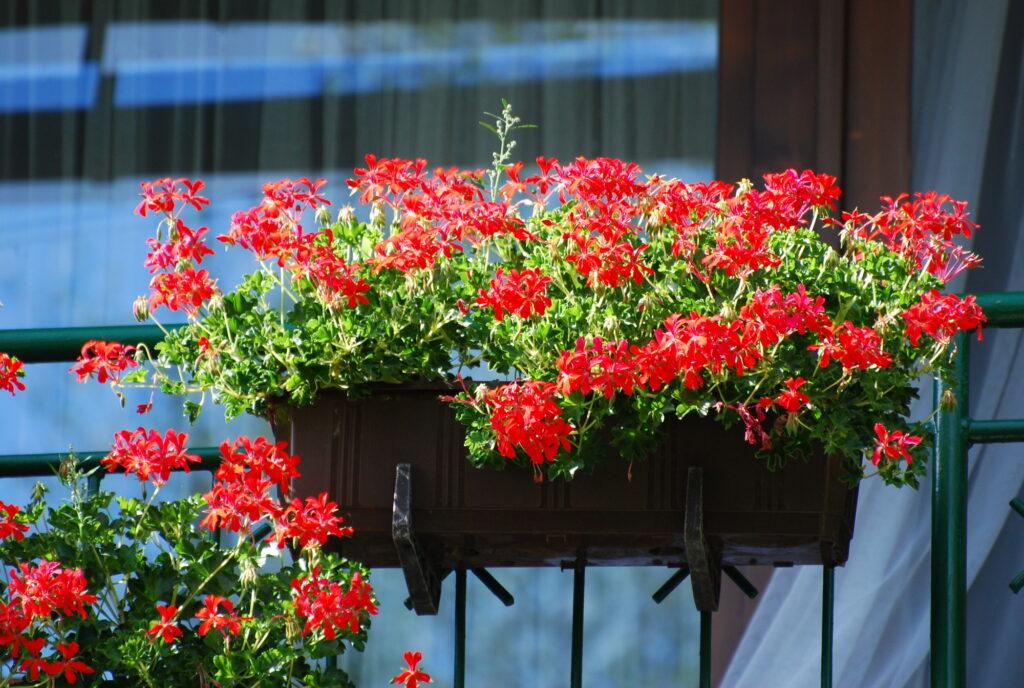
Plenty of sun is essential for heavy flowering
Trailing geraniums do best on a south-, south-east-, or south-west-facing aspect. Ideally they should get at least six hours of direct sun a day. In partial shade, they often push out long green shoots, but flowering tends to be weaker and the overall effect less striking.
Watch out for overwatering and standing water
Trailing geraniums usually cope better with short dry spells than with prolonged waterlogging. The biggest risk is repeated standing water in saucers, which encourages root rot. A drainage layer in the bottom of the container helps by reducing root contact with stagnant water. It also adds weight to the window box, which is handy as prevention against tipping over in windy weather.
If you combine enough space, regular pinching, the right feeding, and sun, your geraniums will thicken up, flower reliably, and form trails that catch the eye from a distance.
Source: Urob si sám, Gardening Know How, Pestrazahrada.cz

A lover of nature, gardens, and everything that moves, blooms, or grows. He literally grows everything, from herbs to rare species, and he enjoys caring for animals just as much. In his work, he connects modern technology with tried-and-tested grandmotherly methods and is happy when both paths lead to the same goal.
Related articles
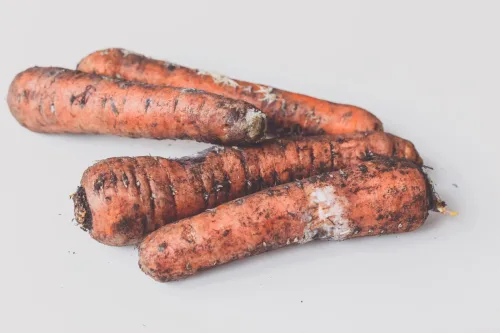
Next year you can harvest better if you don’t sow carrots where they won’t thrive
Carrot root fly can ruin carrots, parsley and celery from the inside out, often without obvious warning until harvest. Better site choice, rotation, later sowing and simple physical barriers can dramatically cut damage next season.
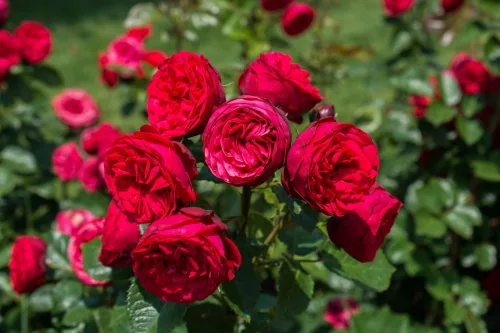
How to Propagate Roses from Cuttings at Home and Fill Your Garden with Blooms Almost for Free
Want more roses without paying for new plants? With a few healthy cuttings and a simple plastic-bottle mini greenhouse, you can root new bushes at home in just a few weeks.
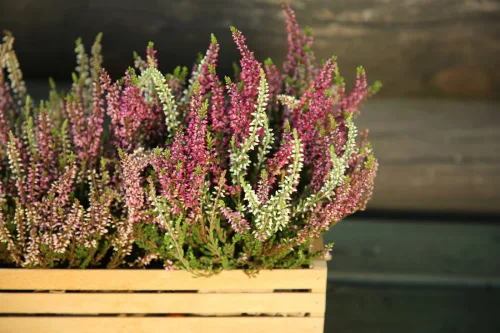
Heathers can cope where other plants won’t, but one soil detail decides everything
Heathers and heaths are tough evergreen shrubs that can flower across the seasons when you choose the right types. Success hinges on matching the plant to your soil pH and ensuring free drainage.
Comments (0)
Be the first to comment.