
 English
  Polski
  Deutsch
  Nederlands
  Svenska
  Norsk
Norsk  Dansk
Dansk  Français
  Italiano
  Español
  Português
  Slovenčina
  Suomi
Suomi  Gaeilge
 Don’t Throw Away Flowering Chives, Learn How to Make the Most of Them
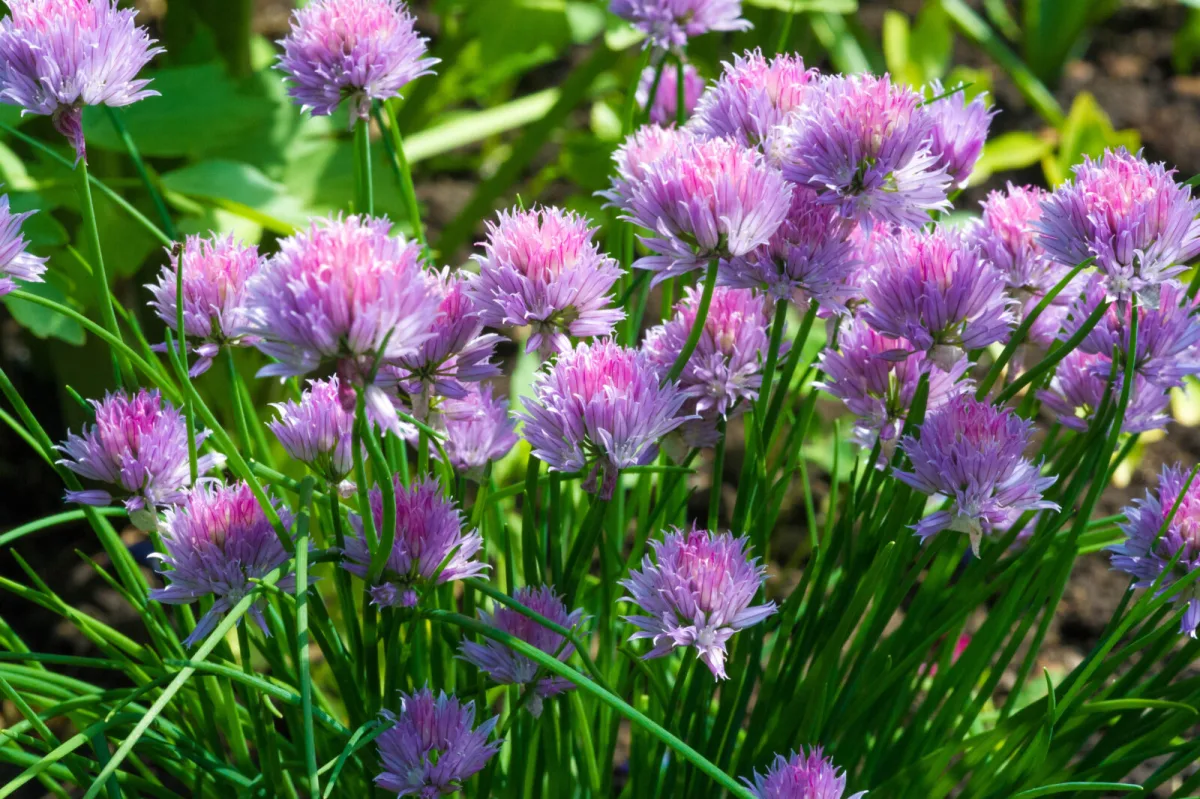
Chives are among the most rewarding herbs you can grow. They more or less look after themselves, keep going for ages, and give dishes a gentle onion-to-garlic note. But as soon as the round purple flowers appear in early summer, many growers make the same mistake. They snip the blooms off without a second thought and throw them away—or they leave them so long that the plant sets seed and starts spreading through the beds more than you’d like.
In reality, you can get far more out of flowering chives. The blossoms are edible, decorative, and at the same time valuable for pollinators. You simply need to know when to cut—and when it’s worth leaving a few blooms in place.
When chives flower and what happens afterwards
The flowering period usually runs from May to August. It depends on the weather and on where you’re growing your chives. In warmer areas they start earlier; in higher, cooler locations they may get going later. Flowers appear gradually—first in the middle of the clump and later on other shoots.
Once the blooms are past their best, the plant redirects energy into seed production. That’s handy if you want to propagate chives, but less ideal if you grow them mainly for tender leaves. It’s also true that flowering chives often produce tougher stems and the flavour can be more pungent.
The right way to cut chives so the leaves stay tender
If you want to harvest mainly young leaves, regular cutting pays off. Ideally, cut about every two to three weeks once the growth reaches roughly 15 to 20 cm. Cut low, but not right down to the roots—leave about 2 to 3 cm so the chives reshoot quickly.
If you’ve neglected cutting and the chives have flowered, after flowering it’s often best to cut the whole clump back. This encourages the plant to push fresh green shoots. With enough nutrients and moisture, you may even get a second, lighter flush of flowers.
The most common mistake is letting the flowers go to seed when you don’t actually want to propagate chives. They can then spread easily into places you don’t want them.
Why you shouldn’t throw the flowers away they’re edible and surprisingly useful
Chive flowers aren’t just pretty. They have a mild onion flavour and can be used both as a seasoning and a garnish. Nutritionally, they contain a range of vitamins—especially C, A and K—plus B vitamins including folate. They also provide minerals such as potassium and calcium, along with antioxidants.
If you don’t enjoy their taste, you can still leave them in the bed. They’re very attractive to bees and other pollinators, and from a biodiversity point of view, a few flowering clumps are a real asset in the garden. And if you do cut them, they also make a lovely table decoration or a small vase arrangement.
Health benefits associated with chive flowers
Chive blossoms contain antioxidants, including flavonoids and compounds such as quercetin, which help the body cope with oxidative stress. Because of this, they’re often linked with supporting prevention of some lifestyle-related issues, particularly those involving the heart and blood vessels. Typical sulphur compounds found in the Allium family are also noted for anti-inflammatory and antimicrobial effects.
The flowers also contain small amounts of choline, which is associated with proper nervous system function. In addition, the carotenoids lutein and zeaxanthin are mentioned in connection with supporting eyesight and protecting the retina, especially later in life. Treat this as a nice bonus within a varied diet, not a miracle cure.
How to use chive blossoms in the kitchen and the garden
A delicate finishing touch for plated dishes
Simply pull the round flower head apart into individual tiny florets and sprinkle over salads, spreads, or finished dishes. You’ll get a striking look and a light seasoning without needing extra onion.
Homemade chive butter
Mix softened butter with chopped stems and flowers, season with salt, and let it sit for a while. It’s great on bread or as a base for meat or fish. You can also store it in the fridge and use it gradually.
Chive blossom pesto
The flowers can be blended with oil and seeds or nuts, combined with leafy greens, and seasoned with a hard cheese and a little lemon. The result is a fragrant sauce for pasta, salads, or as a marinade.
Vinegar with a purple tint
Gently bruise the flowers, put them into a sealable jar, and cover with white vinegar or apple cider vinegar so they’re fully submerged. After about two weeks in a dark place, strain. The vinegar will take on a mild onion flavour and an interesting colour that lifts dressings and marinades.
A simple natural spray
Both flowers and leaves can be briefly simmered in water, left to cool, and strained. In the evening, the infusion can be used as a supportive spray against certain fungal issues—typically on plants prone to powdery mildew. It’s not a replacement for specialist products, more a gentle addition to prevention.
When to leave the flowers and when to remove them
If you mainly want chives for tender leaves, snip the flowers off as they appear and don’t let them set seed. If, on the other hand, you also want to support pollinators and add variety to the garden, let a few blooms open and cut the rest. This keeps the clump vigorous, limits self-seeding, and at the same time gives you an edible ingredient that would be a shame to waste.
Source: Záhrada, Gardening Know How, Pestrazahrada.cz

A lover of nature, gardens, and everything that moves, blooms, or grows. He literally grows everything, from herbs to rare species, and he enjoys caring for animals just as much. In his work, he connects modern technology with tried-and-tested grandmotherly methods and is happy when both paths lead to the same goal.
Related articles
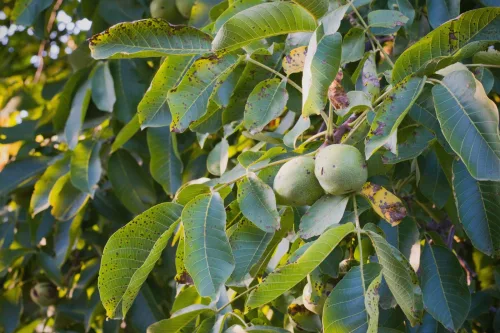
Why the Tree That Feeds a Family for Generations Is Disappearing from Czech Gardens
The English walnut used to be a staple of larger gardens and farmyards, valued for its nutritious nuts and many practical uses. With the right site and variety, it remains one of the most rewarding long-lived trees you can plant.
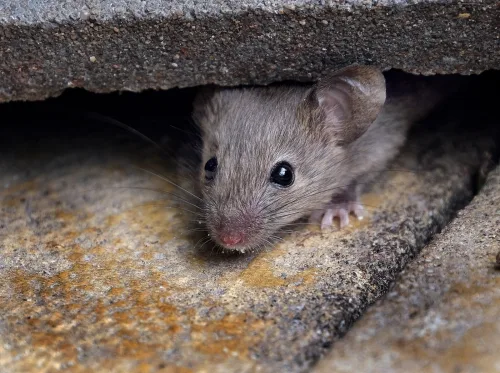
How to Get Rid of Mice and Rats in the House, Loft and Garden Effectively
Mice and rats don’t leave quietly—scratching sounds, droppings and gnaw marks are clear warnings. A lasting solution comes down to three steps: block entry points, remove food sources, then use traps or professional control.
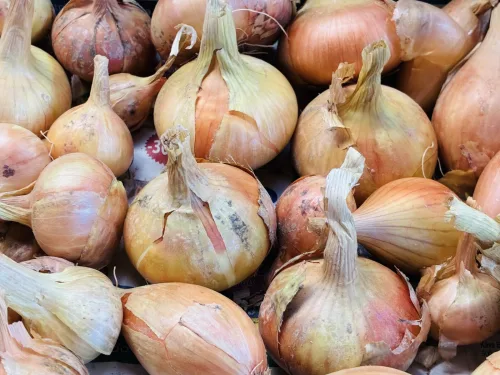
Two Mistakes When Harvesting Onions Can Cut Your Supply by Months
With good growing and the right handling, onions can turn into a near year-round pantry staple. These simple harvest and curing steps determine whether they keep for weeks or for months.
Comments (0)
Be the first to comment.