
 English
  Polski
  Deutsch
  Nederlands
  Svenska
  Norsk
Norsk  Dansk
Dansk  Français
  Italiano
  Español
  Português
  Slovenčina
  Suomi
Suomi  Gaeilge
 How to Save Freshly Picked Strawberries So They Don’t Go Mouldy by Tomorrow
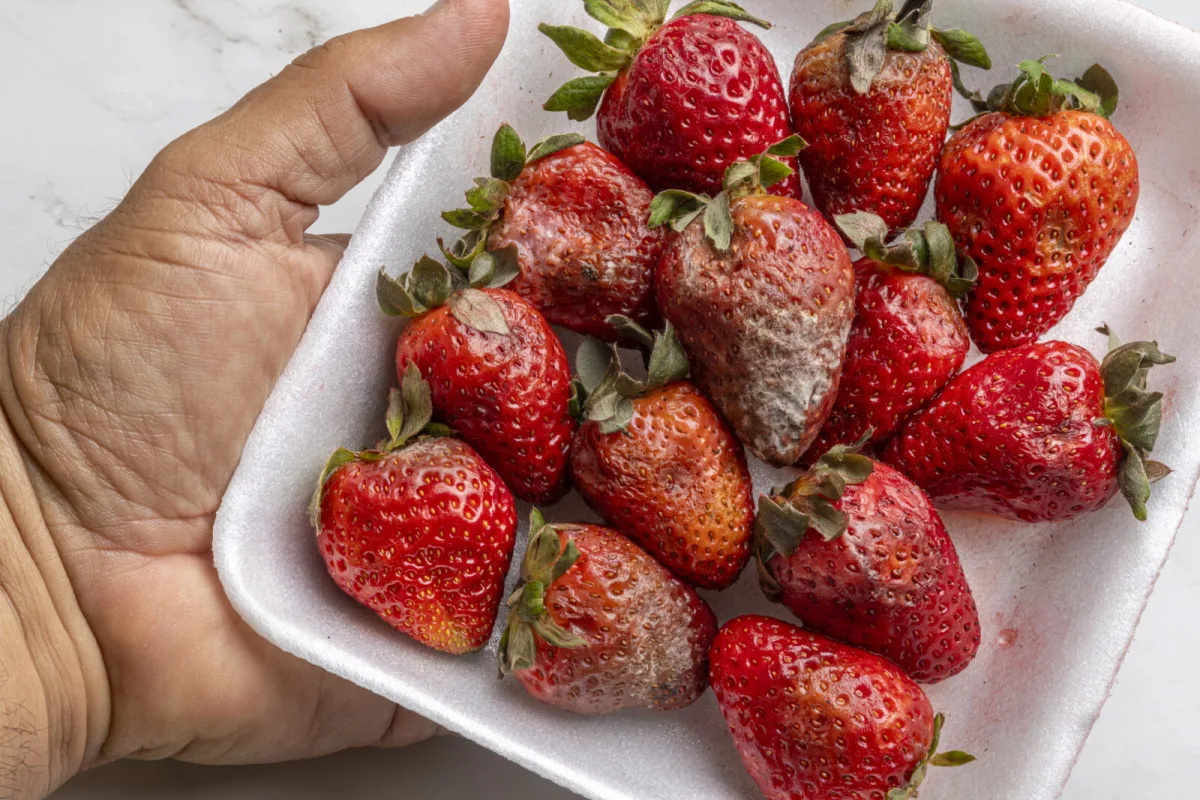
Warm, sunny days speed up ripening, and during pick-your-own season it’s easy to come home with a whole basket. The trouble is, strawberries are among the most delicate fruits. They don’t have a tough skin, and it only takes a little moisture or bruising for mould and rot to set in quickly. If you can’t use them right away, the goal is to slow the spoilage by at least one to two days while losing as few berries as possible.
The most common mistakes that ruin strawberries for no reason
Rough handling and leaving damaged berries in the batch
Strawberries hate pressure and being tipped about. Don’t squeeze them as you handle them, and sort through them as soon as you get home. Put any berries showing the first signs of mould, rot, or cracks to one side and use them immediately. One bad berry can speed up spoilage in the rest.
Washing before storing in the fridge
If you won’t be eating or cooking the strawberries straight away, don’t wash them in advance, especially not under a strong stream of water. Water easily bruises them, damages the tender flesh, and any weakened spots start to soften rapidly. Extra moisture also creates ideal conditions for mould.
Chilling them when they’re wet or sweaty
Strawberries that are visibly wet or damp don’t belong in the fridge. If they’ve already come into contact with water, gently pat them dry with kitchen paper. It’s also important to spread them out so they aren’t piled deep and won’t get squashed under their own weight.
Removing the green tops too soon
The green calyx isn’t just decoration. Once you pull it off, you leave an open spot where bacteria and mould spores can easily enter the flesh. The calyx also helps keep the berry naturally juicy. That’s why it’s best to leave the tops on until you’re ready to use the strawberries properly.
How to store strawberries in the fridge so they last
Take a shallow container and line the bottom with kitchen paper to catch excess moisture. Arrange the strawberries ideally in a single layer, at most two. Don’t seal the container airtight, because strawberries need to breathe. In a closed space, moisture quickly condenses, creating dampness, and the fruit spoils much faster.
When it’s time to wash them, and a smarter way to do it
Washing should only happen when you’re about to eat, freeze, or process the strawberries further. A quick rinse in a colander doesn’t always clean every crease around the seeds. That’s why it pays to choose a method that loosens dirt more thoroughly while still being gentle on the fruit.
A short vinegar bath as simple sanitising
Mix a solution of 1 part white or apple cider vinegar to 3 parts cold water. Submerge the strawberries for about 5 minutes and gently swirl them in the bowl to lift dirt from the surface. Then move them briefly into clean cold water to rinse. Finally, spread them out on kitchen paper and let them dry thoroughly. Any lingering vinegar smell will disappear once they’re dry.
A gentler option with bicarbonate of soda for hidden grime
If vinegar isn’t for you, use bicarbonate of soda. Pour cold water into a large bowl and add 1 tablespoon of bicarbonate of soda per 1 litre. If the strawberries are very muddy, quickly dunk them in plain water first, discard it, and only then make the soda bath.
Keep the fruit whole, ideally with the calyxes still on. Soak them for 5 to 10 minutes and occasionally stir them very gently with your hand so dirt flushes out from around the seeds too. When you’re done, dry the strawberries carefully again, because leftover water is the most common trigger for rapid spoilage.
A small extra plan if you know you won’t eat them soon
If you already suspect the basket won’t be gone by tomorrow, it’s worth directing part of the harvest straight into quick processing. Even simply separating the ripest, softest berries and using them right away will reduce waste. Store the rest by the rules: unwashed, in a low layer, with a dry base and access to air. These small steps can extend the strawberries’ shelf life and help you avoid unnecessary mould.
Source: Urob si sám, Foodie, Pestrazahrada.cz

A lover of nature, gardens, and everything that moves, blooms, or grows. He literally grows everything, from herbs to rare species, and he enjoys caring for animals just as much. In his work, he connects modern technology with tried-and-tested grandmotherly methods and is happy when both paths lead to the same goal.
Related articles
Why the Tree That Feeds a Family for Generations Is Disappearing from Czech Gardens
The English walnut used to be a staple of larger gardens and farmyards, valued for its nutritious nuts and many practical uses. With the right site and variety, it remains one of the most rewarding long-lived trees you can plant.
How to Get Rid of Mice and Rats in the House, Loft and Garden Effectively
Mice and rats don’t leave quietly—scratching sounds, droppings and gnaw marks are clear warnings. A lasting solution comes down to three steps: block entry points, remove food sources, then use traps or professional control.
Two Mistakes When Harvesting Onions Can Cut Your Supply by Months
With good growing and the right handling, onions can turn into a near year-round pantry staple. These simple harvest and curing steps determine whether they keep for weeks or for months.
Comments (0)
Be the first to comment.