
 English
  Polski
  Deutsch
  Nederlands
  Svenska
  Norsk
Norsk  Dansk
Dansk  Français
  Italiano
  Español
  Português
  Slovenčina
  Suomi
Suomi  Gaeilge
 A Fragrant Home and Kitchen and Seven Reasons to Start Growing Herbs Now
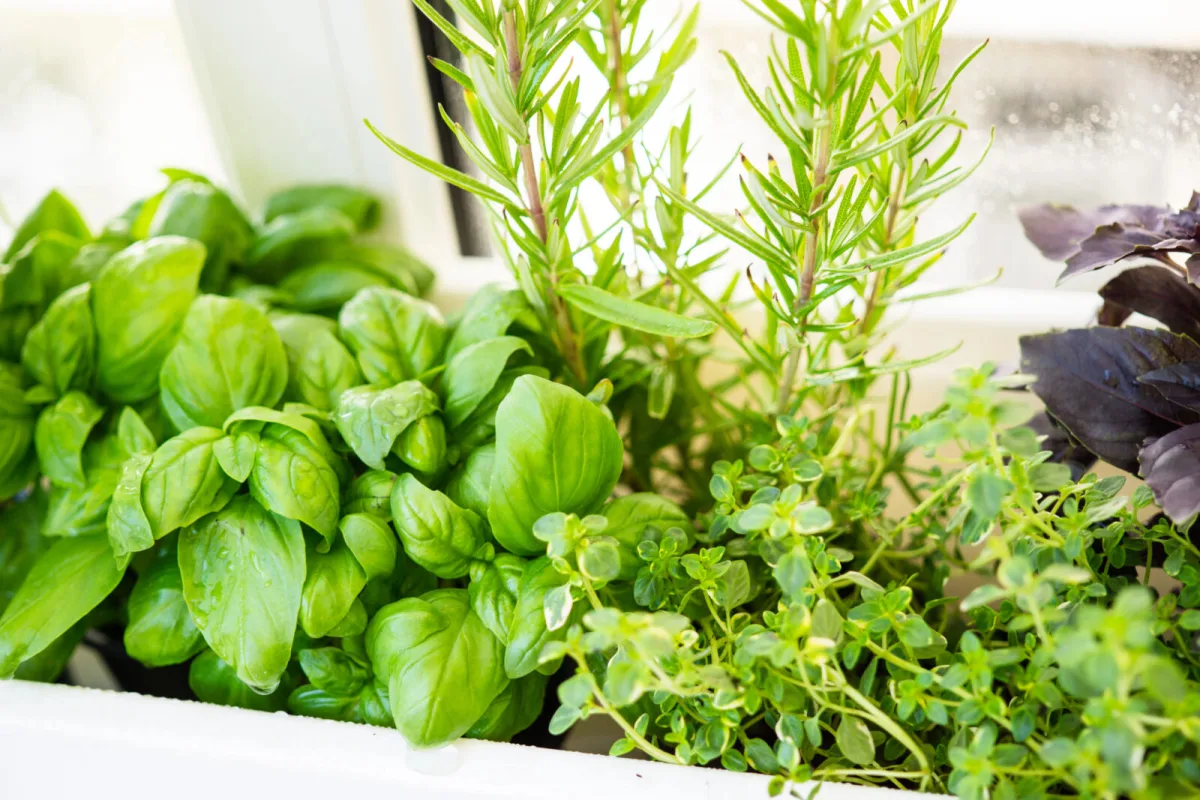
Herbs aren’t just green leaves for cooking. In the garden and on the balcony they bring fragrance, usefulness and often surprisingly easy care. They suit beginners, benefit nature, and can even save you money. Whether you have a large bed, a few pots or just a windowsill, there’s always a herb that will adapt to your conditions.
1. Easy to grow, even for complete beginners
Most herbs are among the least demanding plants you can grow. You can buy them as small plants or sow them from seed, and they often do well with straightforward care and no complicated rules. Many species are happy in limited space and can be tucked in among other plants without causing problems.
Another advantage is how easy they are to propagate. Some herbs can be left to flower and then you can collect seed for the next season. Others are reliably increased from cuttings, where a clipped piece quickly roots into a new plant. This way you can gradually build your own supply of herbs without having to buy them again every year.
2. There’s a suitable herb for every spot
It’s not true that herbs only need full sun. Yes, Mediterranean types usually love warmth and light, so they thrive in a sunny courtyard, on a terrace or against a south-facing wall. But there are also herbs that cope well in shadier, damper corners.
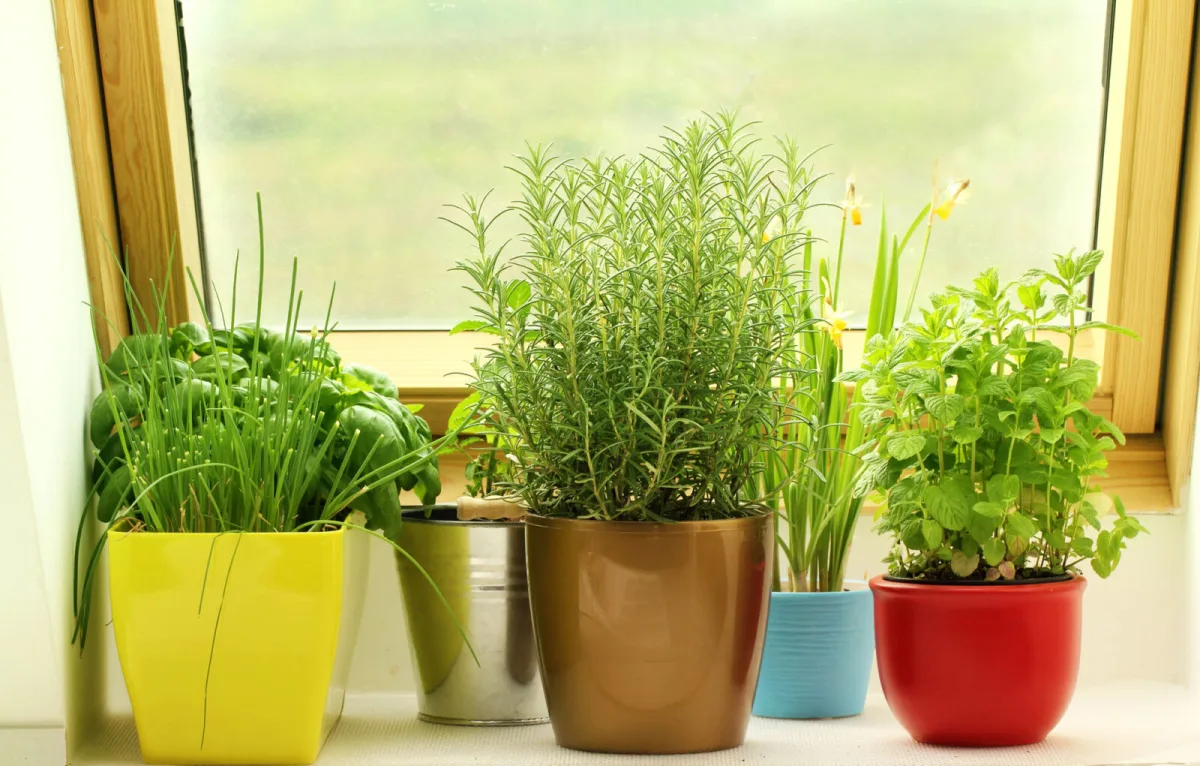
Mint is best placed where there’s more moisture and less direct sun. Because it spreads quickly, it’s practical to restrict its roots, for example by growing it in a sunk-in container. Parsley or chervil will manage in partial shade and, when grown in a pot, appreciate good drainage and evenly moist compost. Chervil can also grow indoors on a windowsill, as long as you give it light and don’t let the compost dry out.
Perennials such as lemon balm are especially rewarding because they wake up again each year and provide fresh leaves with very little effort. After flowering, it helps to cut the plant back so it resprouts and the stems don’t gradually become too woody.
3. More life in the garden thanks to herbs
Flowering herbs can significantly increase a garden’s diversity. Their seeds are a welcome food source for birds, especially finches and other seed-eating species. Stems and plant leftovers can also serve as winter shelter for various insects, helping to maintain a natural balance.
Some herbs also act as host plants for butterflies, which lay their eggs on them. And if you don’t keep herbs isolated in a separate herb bed but plant them among vegetables, you’ll support pollination and overall biodiversity. Oregano, thyme or fennel are strong magnets for bees. Visitors such as hoverflies can help reduce certain pests, so vegetables may grow more healthily.
4. Ideal for small spaces and container growing
Herbs are a great choice even where there isn’t a traditional garden. Many species thrive in pots, window boxes or hanging containers. Basil, rosemary and sage tolerate drier conditions, so they work well on a sunny balcony where compost dries out faster.
Creeping thyme can be grown in rock gardens, in paving gaps or allowed to spill over the edge of a container, where it forms a fragrant carpet. If you use peat-free compost, it’s worth mixing in a little horticultural grit to improve drainage. After flowering, it’s practical to trim plants back to keep their shape and stay compact.
5. Saving money and reducing needless waste
Fresh herbs from the shop can be expensive, especially if you only need a few leaves. Growing your own lets you harvest repeatedly and in exactly the amount you’ll use. That also cuts down on waste, because herbs won’t wilt in the fridge before you manage to use them.
Home growing has other benefits too. You reduce long-distance transport and you have more control over what the plants take in as they grow. For many people it also matters that they can avoid unwanted chemical residues that can accompany intensive production.
6. Better flavour when you harvest straight from the plant
Herbs taste best when you use them freshly picked. With home harvesting you don’t have to make do with limp leaves that have already lost some of their aroma. Picking in the morning is especially valued, when the leaves are rich in essential oils and the flavour is at its most intense.
Herbs grown for commercial sale often grow in conditions where speed and a uniform appearance are prioritised. That approach, including intensive feeding, can mean the final flavour isn’t as pronounced as in plants you grow more slowly and naturally at home.
7. Health support and a wide range of uses
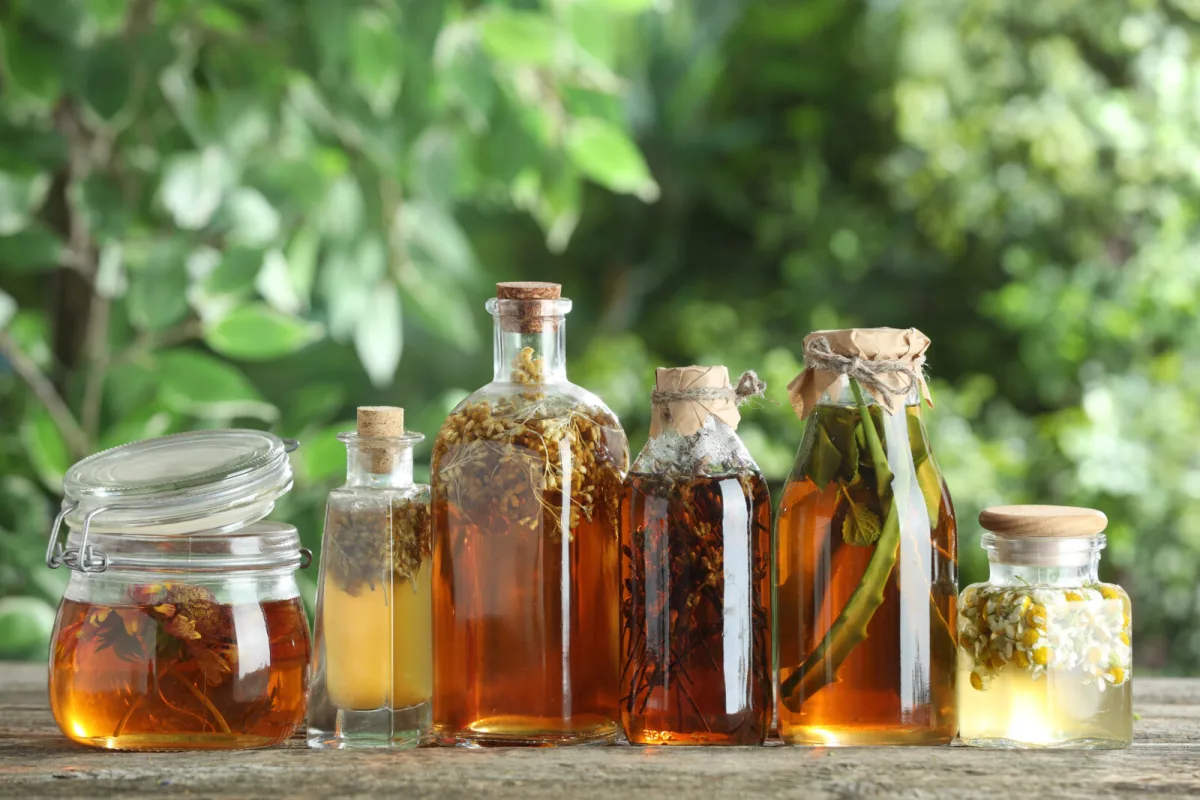
Herbs aren’t only beneficial on the plate. Many contain high levels of antioxidants and are traditionally used in home care as well. From some you can make teas, macerations, infused oils, tinctures or salves. Depending on the species, herbs can support digestion, have antifungal effects, and some are also associated with a positive influence on mood.
Herbs bring together easy growing, usefulness in the kitchen, support for nature, and a boost to wellbeing at home.
Why start with herbs right now
It doesn’t matter whether you have a large garden or just a few containers by the window. Herbs adapt, reward your first efforts quickly, and gradually offer fresh flavour, fragrance and a stronger connection with nature. Simply choose species based on light and moisture, give them basic care, and harvest regularly. The result is a livelier space around you and a kitchen that tastes more vibrant than before.
Source: Gardenorganic, Rhs , Pestrazahrada.cz
Related articles

Fighting moles tempts you into a quick fix that can put you on the wrong side of the law
Fresh molehills can ruin a lawn, but the common mole is a protected species and lethal control can be illegal. Learn how to tell a mole from a vole and which lawful, effective methods actually encourage it to move on.
Why the Tree That Feeds a Family for Generations Is Disappearing from Czech Gardens
The English walnut used to be a staple of larger gardens and farmyards, valued for its nutritious nuts and many practical uses. With the right site and variety, it remains one of the most rewarding long-lived trees you can plant.

How to Get Rid of Mice and Rats in the House, Loft and Garden Effectively
Mice and rats don’t leave quietly—scratching sounds, droppings and gnaw marks are clear warnings. A lasting solution comes down to three steps: block entry points, remove food sources, then use traps or professional control.
Comments (0)
Be the first to comment.