
 English
  Polski
  Deutsch
  Nederlands
  Svenska
  Norsk
Norsk  Dansk
Dansk  Français
  Italiano
  Español
  Português
  Slovenčina
  Suomi
Suomi  Gaeilge
 How to Grow Ranunculus Like a Florist and Enjoy Abundant Blooms
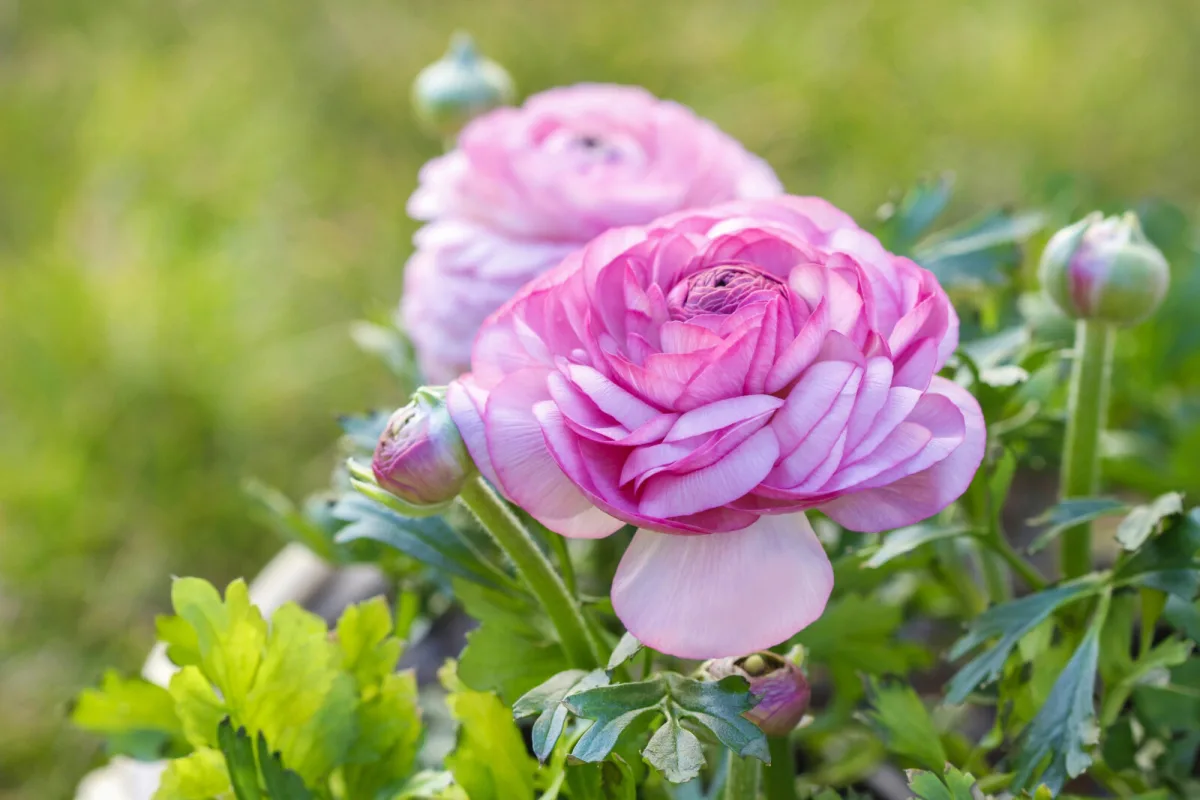
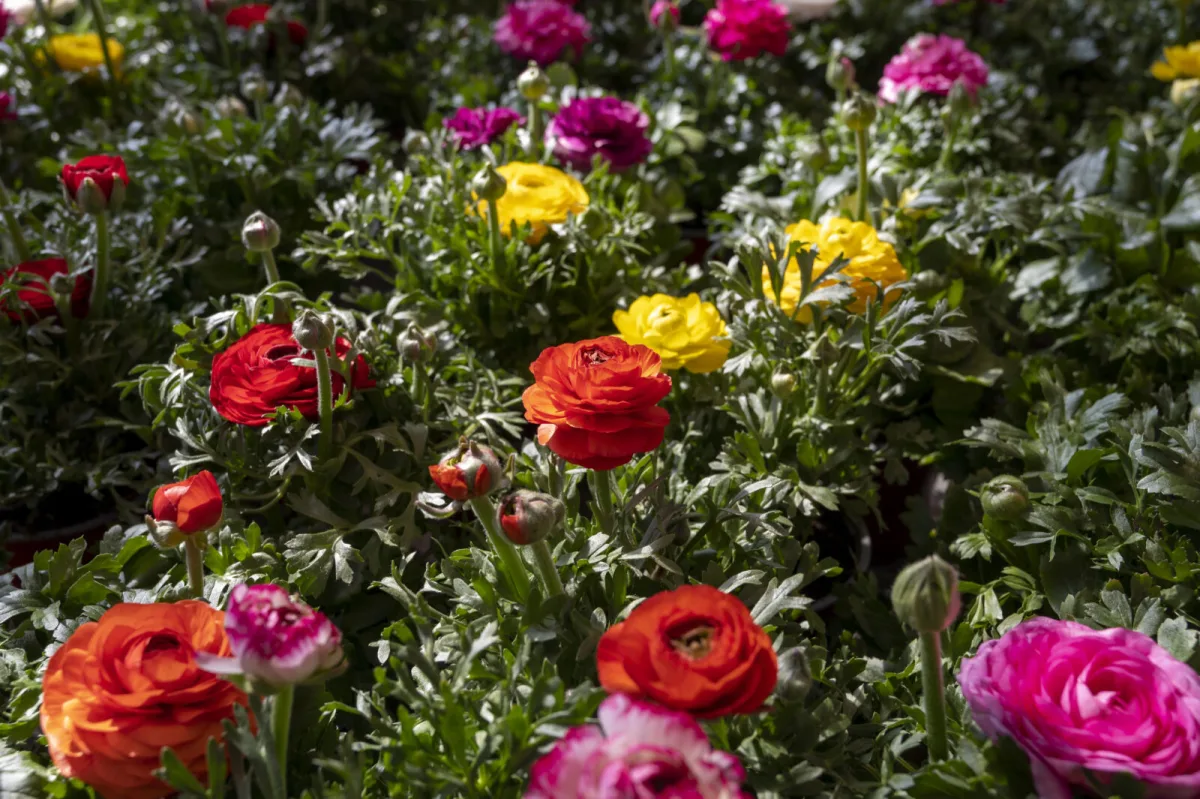
Ranunculus (Ranunculus) is one of those plants gardeners and florists adore for its saturated colours and strikingly layered petals that resemble small roses. Flowers appear from early spring into early summer, and commonly come in shades of yellow, pink, orange, red, purple and white. This shared name covers a huge range of species, from wild meadow buttercups to bred cultivars grown specifically for cutting.
In garden practice, it’s important to distinguish ornamental tuberous ranunculus (most often Ranunculus asiaticus and its hybrids) from certain native or naturalised species that can behave aggressively. Ranunculus can also be toxic to people and pets, especially if ingested, so it’s worth taking care when handling it and when planting where children or dogs spend time.
Basic requirements for site and soil
For abundant flowering, ranunculus needs as much light as possible. Full sun is ideal, around 6 to 8 hours a day. In partial shade it flowers more weakly and stems tend to be less sturdy, which is especially noticeable with cut flowers.
The key to success is the soil. Ornamental tuberous ranunculus requires humus-rich, fertile and, above all, well-drained ground that doesn’t stay waterlogged. In heavy clay soils the tubers rot easily. By contrast, some wild species tolerate wetter sites, such as pond edges, but that applies more to meadow buttercups than the “florist” types.
Planting tubers step by step
Planting time varies depending on winter conditions in your area. In warmer regions, tubers are planted in autumn so plants bloom earlier and for longer from late winter into spring. In colder locations, spring planting is safer, often after starting them off under cover, because ranunculus doesn’t cope well with prolonged frozen soil.
A practical approach for spring growing starts with the fact that tubers are usually dried out. Before planting, they’re often soaked in settled, room-temperature water for a few hours so they rehydrate. After that, you can pre-sprout them briefly in a lightly moist potting mix in a cooler, darker place, where roots and small shoots form within a couple of weeks. Plant out to a depth of about 5 cm, spacing roughly 20 to 25 cm apart, always with the tuber “claws” pointing down.
The most common cause of failure isn’t cold, but waterlogging: ranunculus likes moisture, not standing water.
Watering, temperature and airflow
After planting, keep the soil evenly moist but never muddy. Once leaves and buds appear, increase watering only according to the weather and how quickly the soil dries. After flowering, gradually reduce watering, especially if you plan to lift and store the tubers.
Ranunculus loves cooler spring temperatures and dislikes the combination of high heat and stuffy conditions. In summer, during prolonged hot spells, flowering ends and the foliage often dies back. Good airflow between plants is also important, as it reduces the risk of powdery mildew and other issues when humidity is high.
Feeding for longer, fuller flowering
For show-quality blooms, regular feeding through the growing season helps. In practice, it works well to feed about twice a month with a fertiliser for bulbs or flowering plants. Even more important than high doses is balance, and not overdoing nitrogen, which encourages leafy growth at the expense of flowers. If your soil is on the poor side, work in compost or well-rotted organic matter before planting and keep the bed mulched to stabilise moisture.
After-flowering care and deadheading
During the season, ranunculus generally doesn’t need any shaping. It’s enough to remove spent blooms, which limits seed production and allows the plant to keep putting energy into new buds for longer. Once the leaves yellow and begin to dry, it’s best to let them finish naturally for a while, as they feed the tuber for the next season. Only then should you cut the foliage back to ground level.
For species that spread by creeping growth and form colonies, more thorough control is appropriate. Regular mowing or pulling helps prevent them from taking over at the expense of more delicate perennials.
Propagation by division and growing from seed
The most reliable method is propagation by dividing the tubers at the end of the season. After the foliage dies back, lift the tubers carefully, clean them, and separate the smaller side tubers. Let them dry, then store them somewhere cool and dry until the next planting. This preserves the cultivar’s characteristics, which is crucial for bred ranunculus with a specific colour and flower form.
Growing from seed is possible, but slower and less predictable. Seeds are sown well in advance in trays in a cooler environment, germination takes longer, and the first season may produce fewer blooms. For cultivated florist types, tubers are therefore used more often because they deliver more reliable results.
Overwintering by region
In mild areas, tubers can sometimes be left in the ground, provided the bed doesn’t stay waterlogged in winter. In wet winters, though, rot is a real risk, so lifting them is safer. In colder regions, it’s recommended to lift the tubers after the foliage dies back, dry them, and store them in a dry place, ideally in a breathable bag or crate at around 10 to 13 °C. In spring, soak them again and plant after pre-sprouting or directly once hard frosts have passed.
Pests and diseases to watch for
Ranunculus isn’t usually extremely pest-prone, but aphids can be troublesome, especially on young shoots. Early rinsing with water, encouraging natural predators, and, as a last resort, a targeted spray can help. Small mammals may nibble the tubers, so some physical protection after planting is worthwhile if you’ve had similar damage before.
Among diseases, the biggest risk is tuber rot from overwatering and mould problems where airflow is poor. Good drainage, correct spacing and sensible watering are more effective than any later “rescue” measures.
How to encourage flowering and extend vase life
The most important condition for flowering is plenty of sun. If ranunculus doesn’t bloom, the cause is usually shade, waterlogging, or temperatures that are too high while buds are forming. With plants grown from seed, it’s common for heavier flowering to come in the following season.
For cutting, it’s best to harvest flowers early in the morning when stems are well hydrated. They last longer in a vase if you change the water regularly and re-cut the stems. Thanks to its firm, long stems and rose-like appearance, ranunculus is one of the most rewarding spring flowers for bouquets.
Source: The Spruce, Almanac , Pestrazahrada.cz
Related articles
Next year you can harvest better if you don’t sow carrots where they won’t thrive
Carrot root fly can ruin carrots, parsley and celery from the inside out, often without obvious warning until harvest. Better site choice, rotation, later sowing and simple physical barriers can dramatically cut damage next season.
How to Propagate Roses from Cuttings at Home and Fill Your Garden with Blooms Almost for Free
Want more roses without paying for new plants? With a few healthy cuttings and a simple plastic-bottle mini greenhouse, you can root new bushes at home in just a few weeks.
Heathers can cope where other plants won’t, but one soil detail decides everything
Heathers and heaths are tough evergreen shrubs that can flower across the seasons when you choose the right types. Success hinges on matching the plant to your soil pH and ensuring free drainage.
Comments (0)
Be the first to comment.