
 English
  Polski
  Deutsch
  Nederlands
  Svenska
  Norsk
Norsk  Dansk
Dansk  Français
  Italiano
  Español
  Português
  Slovenčina
  Suomi
Suomi  Gaeilge
 Why Blueberry Leaves Turn Rusty and How to Save the Plant for a Heavy Crop
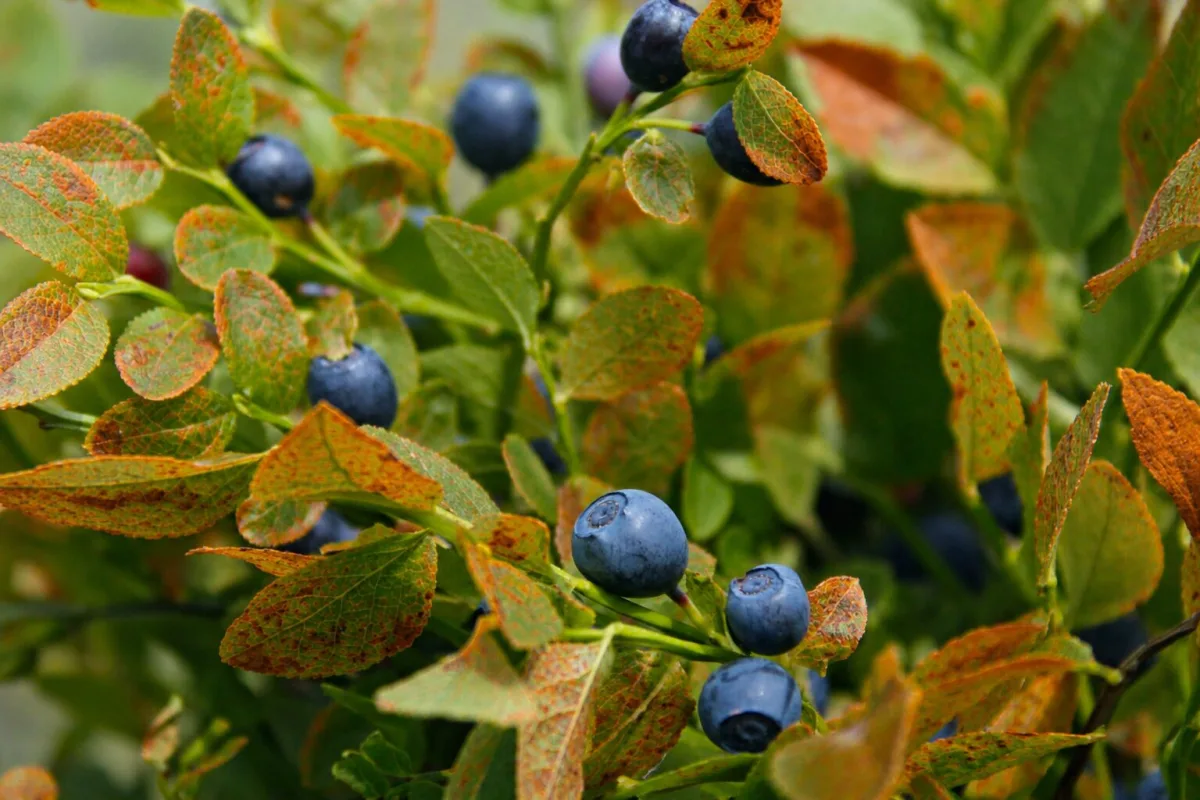
The most common cause is soil and nutrients that aren’t available
Blueberries are among the plants with very specific requirements. For their root system to work properly, they need acidic soil. The ideal pH range is roughly between 4.5 and 5.5. If the soil is more alkaline, the plant may still have nutrients in the ground, but it can’t take them up efficiently. This very often shows up as a change in leaf colour, including rusty tones.
A typical problem is a lack of iron and magnesium. When these are missing, the mineral balance is disrupted and the leaves gradually change colour, may fade and then develop rusty staining. So it’s not just about feeding, but mainly about making sure nutrients become available to the blueberry in an acidic environment.
How to check pH and what to do if it’s too high
It’s worth measuring soil pH regularly with a simple tester. If you find the pH has crept outside the suitable range, you’ll need to acidify the soil. Substrates intended for acid-loving plants or specialist blueberry fertilisers can help. The key is to work gradually and avoid aggressive quick fixes, because sudden changes can stress the plant even further.
Watering can weaken blueberries just as much as a lack of nutrients
Another common reason for leaf rusting is stress from incorrect watering. Blueberries need plenty of water, especially during dry spells and as the fruit is forming. At the same time, they don’t tolerate permanently waterlogged soil, because roots then suffer from lack of oxygen and the risk of disease increases.
The best approach is to water so the moisture reaches the root zone. In practice, that means watering less often but thoroughly, then letting the top layer dry slightly between waterings. If leaves are turning rusty in hot weeks, it’s often a combination of drought and fluctuating moisture that exhausts the plant.
Diseases and pests often attack weakened plants
Rusty spots and declining leaves can also be caused by fungal diseases. Poor air circulation, waterlogging, or long-term unsuitable growing conditions all contribute to the problem. Besides disease, pests can damage leaves too, such as aphids, which suck sap and weaken the plant. A weakened blueberry then struggles more with nutrient and water management, which can show up as changes in leaf colour.
Regular checks are the foundation of prevention
It pays to inspect blueberries regularly, especially the undersides of leaves and young shoots. If you catch a problem early, the solution is usually much simpler. Where disease occurs, you can use an appropriate fungicide; for pests, an insecticide—always with regard to the stage of the season and safe practice when growing edible fruit. In many cases, gentler options help as well, such as biological control or organic sprays that suppress aphids without putting unnecessary strain on the surrounding environment.
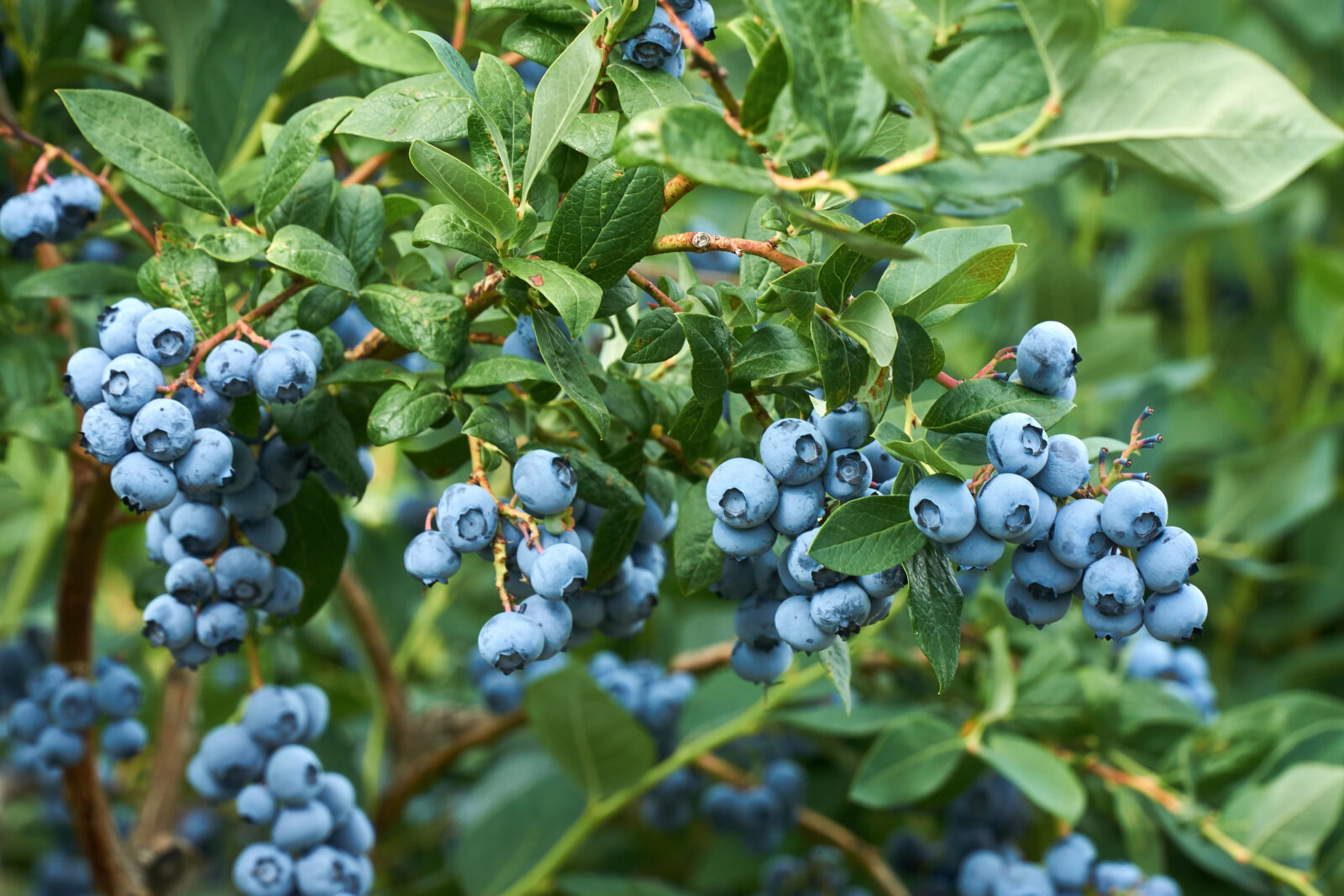
Mulch helps maintain acidity, moisture, and keeps weeds down
A practical step that solves several things at once is mulching. Around the bushes you can use acidic materials, such as peat or pine needles. Mulch keeps moisture more stable, prevents the soil from overheating, and also supports the acidic conditions blueberries need. Another benefit is reduced weeds, which would otherwise compete with the plants for water and nutrients.
What to do so the leaves improve and the crop is sweet
If blueberry leaves are turning rusty, focus on three things at the same time. Check the pH and, if needed, adjust it towards the acidic range. Support plants with fertilisers formulated for blueberries, ideally containing iron and magnesium to replenish the elements most commonly lacking. And adjust watering so it’s consistent, but without long-term waterlogging. Add ongoing monitoring for disease and pests, and protect as needed.
When you give blueberries the right conditions, they usually recover gradually and new leaves grow in healthier. With careful but straightforward care, you can look forward to a generous summer harvest that won’t be spoiled by rusting leaves.
Source: Houzz, University of Maine, RHS, Pestrazahrada.cz

A lover of nature, gardens, and everything that moves, blooms, or grows. He literally grows everything, from herbs to rare species, and he enjoys caring for animals just as much. In his work, he connects modern technology with tried-and-tested grandmotherly methods and is happy when both paths lead to the same goal.
Related articles
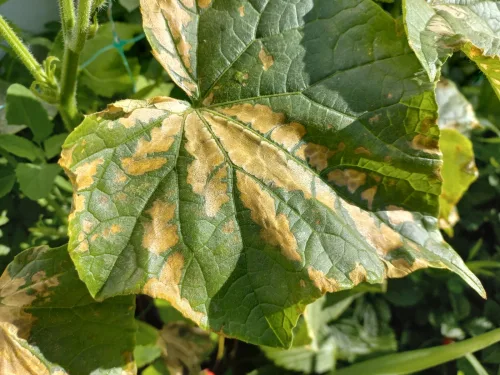
Yellowing cucumber leaves have a clear cause and with the right response plants recover quickly
Cucumber leaves turn pale and yellow when the plant is under stress—most often from watering mistakes, nutrient imbalance, or sudden temperature swings. Spot the pattern early and you can restore growth and protect your harvest fast.
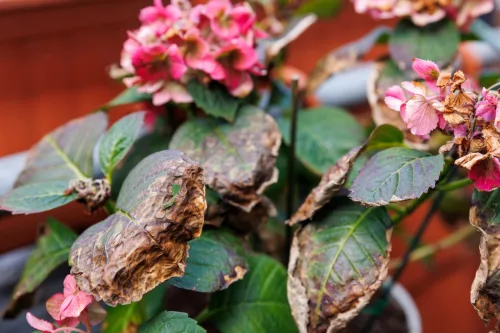
How to Get Browning Hydrangeas Back on Track Without Chemicals
Brown leaf edges or spots on hydrangeas usually point to a simple mismatch in light, watering, or airflow rather than a lost cause. Learn how to read the symptoms and restore your shrub quickly with gentle, practical fixes.
Turn Ground Cinnamon Into a Secret Weapon for Stronger, Tougher Plants
Ground cinnamon isn’t just for baking—it can help protect houseplants and garden plants from mould and fungal issues, support cuttings, and even act as quick first aid for minor wounds. Used lightly, it’s an affordable, gentle, natural add-on to good growing practice.
Comments (0)
Be the first to comment.