
 English
  Polski
  Deutsch
  Nederlands
  Svenska
  Norsk
Norsk  Dansk
Dansk  Français
  Italiano
  Español
  Português
  Slovenčina
  Suomi
Suomi  Gaeilge
 The Most Common Cucumber Growing Mistakes and How to Prevent Bitterness
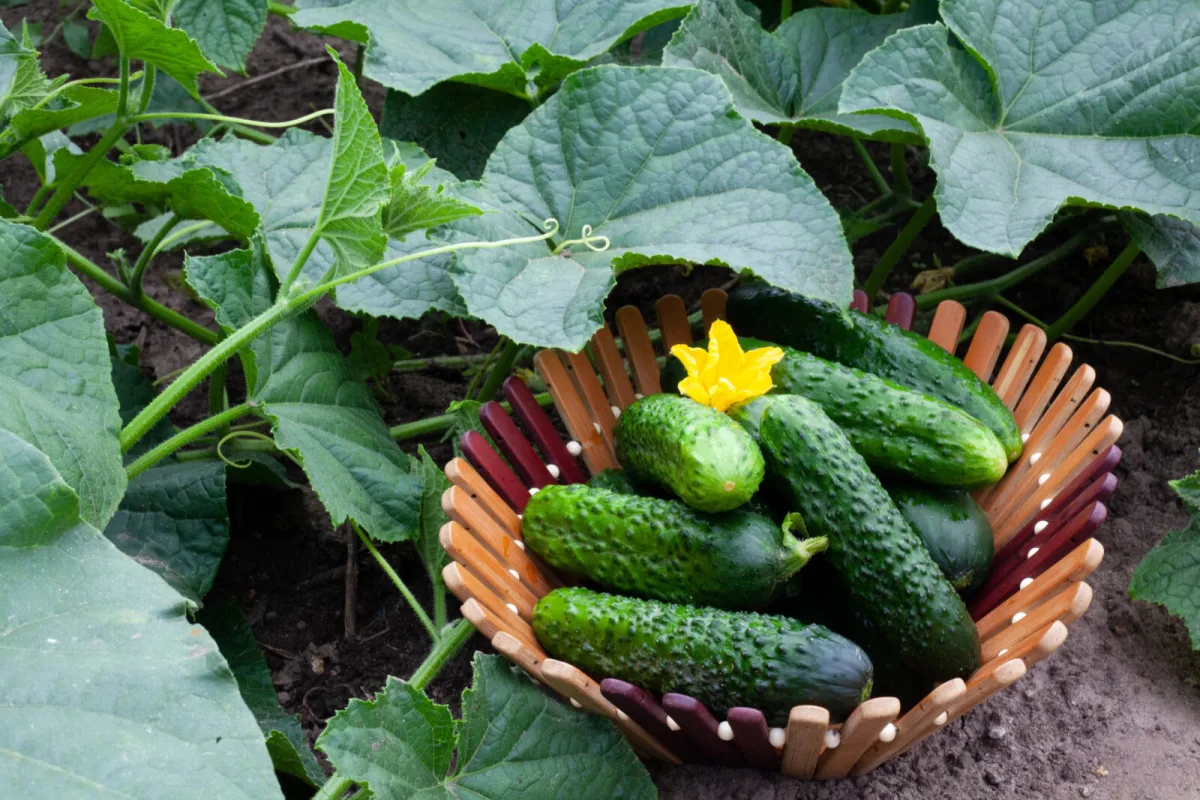
Cucumbers are among the most rewarding crops for a kitchen garden. If you meet their basic needs, they’ll repay you with fast growth, plenty of flowers, and above all a steady harvest of crisp fruit. The real magic of home-grown cucumbers is freshness: a cucumber picked in the morning is often sweeter, juicier, and more fragrant than one that has spent days in storage and transit.
Growing them isn’t pointless even in a small space. A well-trained plant on a support takes up very little room, has better airflow, and the fruit is easier to spot. And that regular picking is one of the keys to why cucumbers are so worth growing at home.
Is a cucumber a fruit or a vegetable
Botanically speaking, a cucumber is a fruit, because it develops from a flower and contains seeds. In the kitchen, though, we treat it as a vegetable because we use it in savoury dishes, salads, tzatziki, sandwiches, or for pickling. For gardeners, it helps to think of cucumber as a fruiting vegetable: like tomatoes, it needs plenty of light, warmth, water, and nutrients for flowers to become good-quality fruit.
Why cucumbers are relatively easy to grow
Cucumbers germinate quickly, climb willingly, and with good watering they seem to grow before your eyes. They don’t demand complicated care, but they are sensitive to two things: cold and inconsistent moisture. As soon as the soil cools down or the plant dries out badly even once, you’ll see slower growth, dropped flowers, or bitter fruit. Keep warmth and moisture steady, and cucumbers will reward you with a long harvest.
Choosing a variety based on what you want from your cucumbers
Slicing cucumbers and long types
Long slicing types usually have a thinner skin and are best for eating fresh. They’re often grown on supports, where the fruit is less likely to distort and stays cleaner. In a smaller garden, it makes sense to choose varieties with better mildew resistance and reliable cropping in changeable weather.
Mini and “seedless” types
Smaller cucumbers tend to be sweeter, often marketed as “non-bitter” or “burpless.” With these types, it’s easier to keep a mild flavour even if you make everyday growing mistakes, but water management still makes the difference.
Pickling cucumbers
For preserving, choose shorter, firm cucumbers with bumpy skin. If you harvest them small and often, you’ll get crisp fruit of a uniform size that packs neatly into jars. Pickling cucumbers also benefit from being grown up a support, because they stay cleaner and are easier to find.
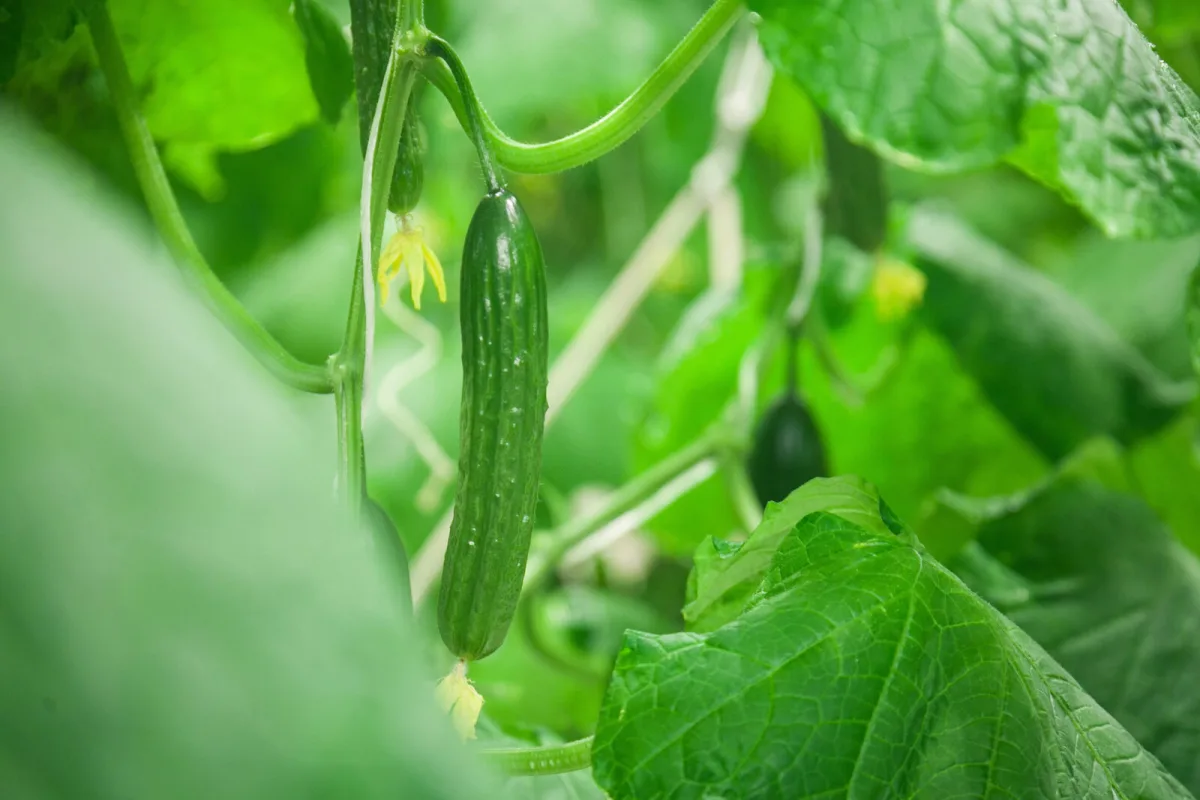
Cucumber growing basics, step by step
Sun for at least six hours a day
Cucumbers love light. For heavy flowering and good fruit set, aim for 6 to 8 hours of sun daily. In partial shade the plant will survive, but harvest will be later and usually lighter.
Direct sowing and the right timing
Cucumbers dislike cold and the stress of transplanting. In practice, direct sowing into the bed often works best once there’s no risk of late frost and the soil has warmed up. If you do start them in pots, handle them very gently so you don’t damage the roots. One cold night can set young plants back significantly.
Nutrient-rich, free-draining soil
Ideal soil is humus-rich and crumbly, holding moisture without becoming waterlogged. Before sowing or planting, it helps to work in compost, or even make a slight mound so roots aren’t sitting in wet soil. Cucumber is a hungry crop, and without ongoing additions of organic matter it often runs out of steam at the most important part of the season, when it’s growing, flowering, and fruiting all at once.
Support, tying-in, and airflow are half the battle
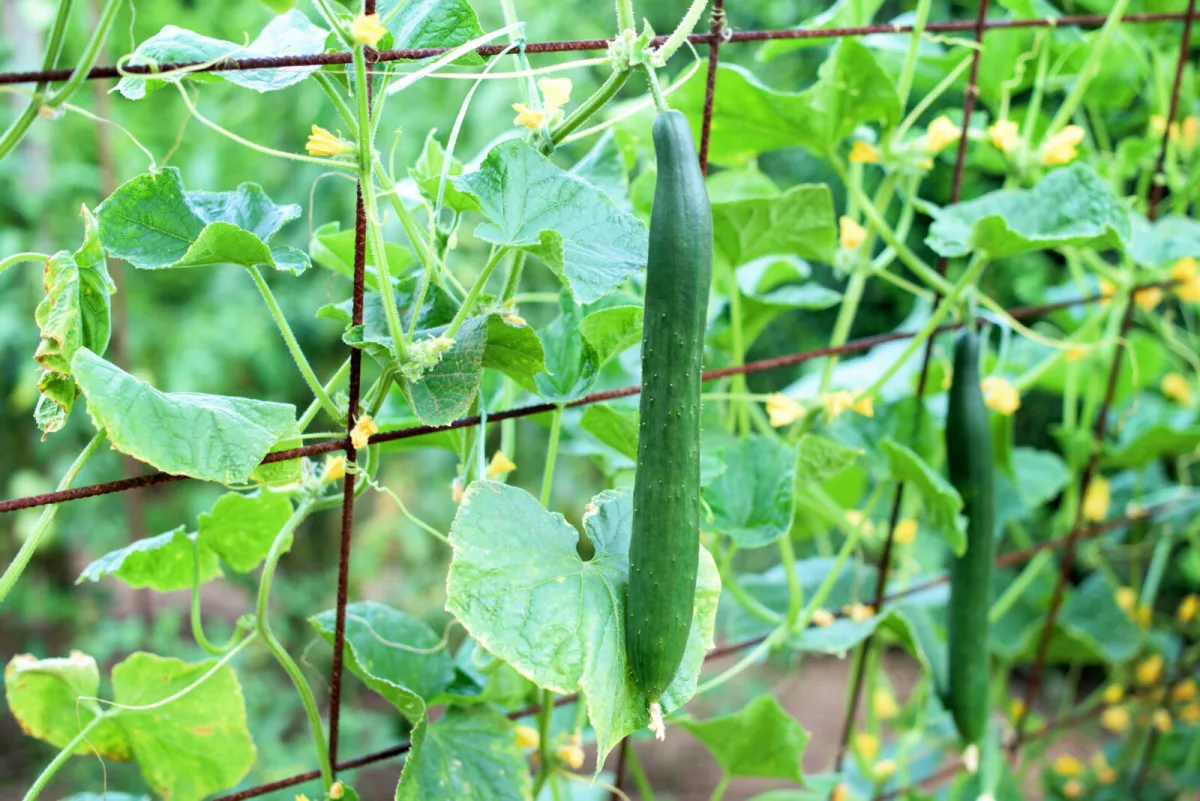
Training cucumbers up a trellis, netting, or a sturdy frame saves space and reduces disease risk because leaves dry faster. Sometimes a shoot won’t latch on and ends up dangling; then it’s better to tie it in loosely so it doesn’t snap and can keep climbing. Check regularly that the plant isn’t tangling into itself and that fruit isn’t sitting on the ground for too long.
Watering determines flavour and whether cucumbers turn bitter
Cucumber is over 90% water, so it needs evenly moist soil. The worst scenario is swinging between extremes: dry one moment, then a heavy soak. The plant responds with stress; fruit may split, become misshapen, or turn bitter. Water deeply at the base and keep the soil covered with mulch so moisture doesn’t evaporate so quickly. If leaves wilt noticeably during the day and perk up again in the evening, it’s a sign your cucumber is already right on the edge.
A bitter cucumber is most often the result of stress from irregular watering. If it happens, try peeling the fruit or pickling it; the bitterness is usually concentrated mainly in the skin.
Feeding according to growth stage
Early on, cucumbers need support for leaf and shoot growth; later, it’s important that they put energy into flowers and fruit. In practical terms, don’t overdo nitrogen once flowering begins, otherwise you’ll get lush foliage but fewer cucumbers. If you don’t want to juggle multiple fertilisers, regular top-dressing with compost around the plants works well: it improves soil structure, helps retain moisture, and releases nutrients gradually without the risk of “burning” roots.
Pollination and why tiny fruit sometimes shrivel
Cucumbers produce male and female flowers. If there are few pollinators or the weather is cool and wet, female flowers may appear but the tiny fruit won’t develop and will drop off. In a small garden you can help by hand: transfer pollen from a male flower to a female one with a gentle touch or a small brush. It also helps to grow nearby plants that attract bees.
Harvest often and on time so the plant keeps producing
Cucumbers need regular harvesting. If you let even a few fruits grow oversized, the plant shifts energy into ripening them and slows the production of new ones. Pick smaller, crisp cucumbers instead, and use clean scissors or pruners so you don’t tear and damage the fragile vines. When you grow cucumbers on a support, fruit is easier to spot and fewer cucumbers will “age” unnoticed under the leaves.
The most common problems and how to prevent them
A typical issue is powdery mildew and other fungal diseases, made worse by crowded growth and wet foliage. An airy support, lightly thinning the lower growth, and watering at the roots all help. Another problem is irregularly shaped fruit, often linked to fluctuating moisture or incomplete pollination. If you keep an eye on warmth, moisture, support, and harvesting, you’ll do well without complicated interventions.
Why cucumbers deserve a place in every kitchen garden
Cucumber is a simple but very instructive “teacher” in the garden: it quickly shows how much depends on a steady watering routine, good soil, and plenty of light. And once it starts fruiting, it brings joy almost every day. Once you’ve tasted a cucumber picked fresh from your own bed, it’s easy to see why growers come back to it every summer.
Source: Gardenary, Rhs , Pestrazahrada.cz
Related articles
Next year you can harvest better if you don’t sow carrots where they won’t thrive
Carrot root fly can ruin carrots, parsley and celery from the inside out, often without obvious warning until harvest. Better site choice, rotation, later sowing and simple physical barriers can dramatically cut damage next season.

How to Propagate Roses from Cuttings at Home and Fill Your Garden with Blooms Almost for Free
Want more roses without paying for new plants? With a few healthy cuttings and a simple plastic-bottle mini greenhouse, you can root new bushes at home in just a few weeks.
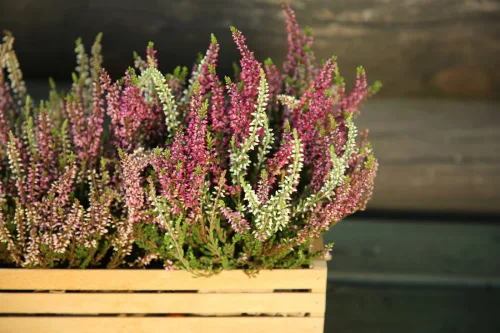
Heathers can cope where other plants won’t, but one soil detail decides everything
Heathers and heaths are tough evergreen shrubs that can flower across the seasons when you choose the right types. Success hinges on matching the plant to your soil pH and ensuring free drainage.
Comments (0)
Be the first to comment.