
 English
  Polski
  Deutsch
  Nederlands
  Svenska
  Norsk
Norsk  Dansk
Dansk  Français
  Italiano
  Español
  Português
  Slovenčina
  Suomi
Suomi  Gaeilge
 How to Save Wilted Seedlings After Planting and Help Them Bounce Back
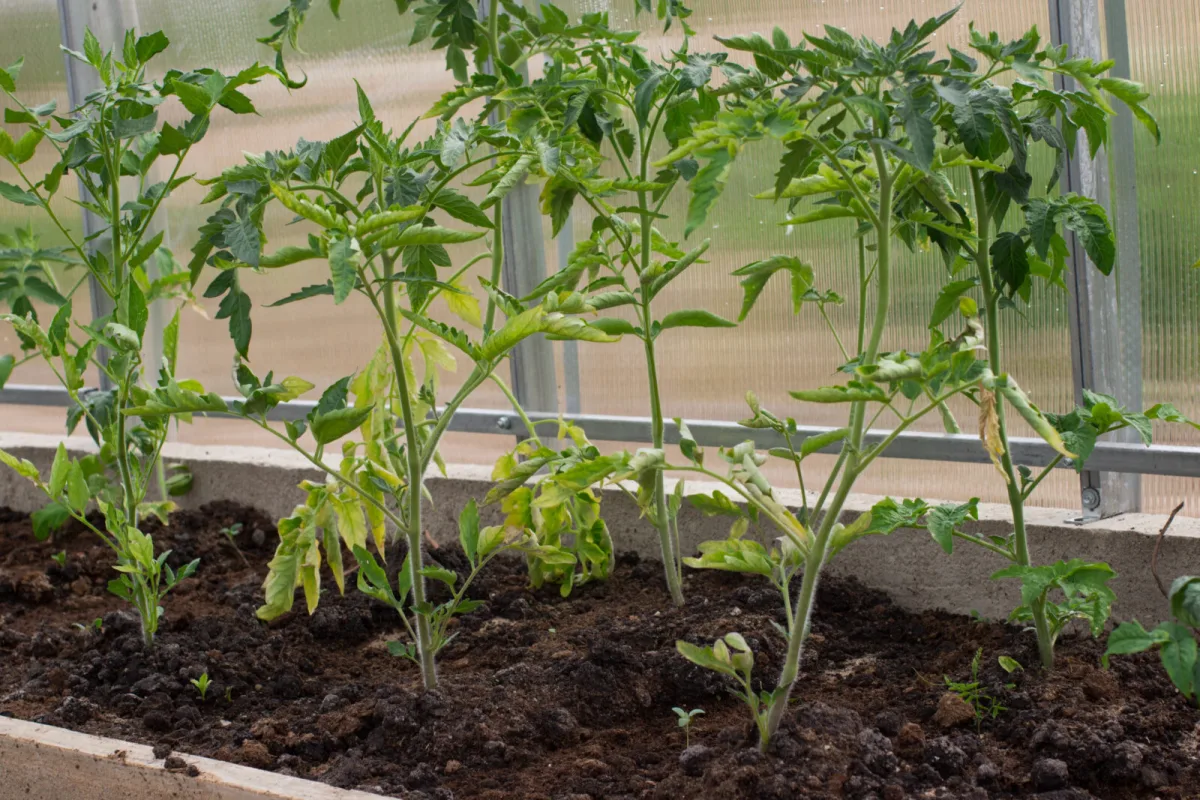
After moving from a pot into a bed, plants can lose their firmness in a short time, droop their leaves and look as if they no longer have the strength to grow. Most often it isn’t a disease, but so-called transplant shock. A seedling goes from carefully controlled conditions into a different environment, where temperature, airflow, sun intensity and soil moisture all change. The plant is trying to survive, so it reduces water loss through the leaves and temporarily slows down. The problem is that the roots still can’t deliver moisture to the above-ground growth as efficiently as they did before transplanting.
The most common mistake is adding water right away
When we see limp leaves, the first reaction is usually to water heavily. But with seedlings in shock, that can backfire. After transplanting the roots are weakened, and waterlogged soil reduces air in the root zone, increasing the risk of rot. In extreme cases the plant may not recover at all. At this stage it’s therefore more important to reduce stress and water loss from the leaves than to rush to increase watering.
Shading is the quickest help for the leaves
The easiest way to relieve seedlings is to temporarily limit direct sun. When leaves aren’t exposed to harsh light, they overheat less and the plant doesn’t have to fight transpiration so hard. A makeshift cover of white horticultural fleece works well: it lets light through but softens the heat. Just as effective can be anything that creates short-term dappled shade, such as a pot with a larger plant placed next to the seedlings. Within a few days the root system usually begins to recover, growth resumes and the leaves gradually firm up.
Supporting rooting with mycorrhiza
If you want to make the start easier, you can add mycorrhizal fungi around the seedlings. They support the partnership between roots and the soil environment and can help improve the uptake of water and nutrients. It’s important to place them as close to the roots as possible, while working carefully so the roots aren’t damaged. At this stage, a gentle touch pays off, because any unnecessary disturbance can prolong the shock.
How to water after planting so roots strengthen
If you put water into the planting hole and only then settled the seedling in, there’s no need to rush the next watering. You can comfortably wait a few days, roughly five, depending on the weather and your soil type. If the plant still looks limp after that, choose a targeted deep watering rather than a surface sprinkle.
A simple trick with a deeper hole
About ten centimetres from the stem, make a small hole in the soil. It doesn’t need to be wide; around five centimetres is enough, the important thing is a depth of about twenty centimetres. Pour water into this hole. This gets moisture to the roots in depth more quickly, where conditions are more stable, and it also encourages the plant to root deeper.
Why to avoid frequent misting and shallow watering
Light surface watering may look gentle, but it often leads to roots staying in the top layer of soil, which heats up and dries out the fastest. Deeper, more deliberate watering supports the formation of stronger roots that cope better with heat and short dry spells.
Give seedlings peace and time to recover
After transplanting, the hardest thing is often to take your hands away. We often feel like fertilising right away, pinching out, or hoeing the soil around plants to “help” them. In reality, that can increase stress even more. Fertiliser for a weakened seedling is like a heavy meal for a person who feels unwell. If the seedling went into decent soil, it usually has everything it needs for the first few days. If you provide shade and keep watering well managed, the leaves should begin to lift and regain a healthy colour after a few days.
The best help shortly after planting is surprisingly simple: fewer interventions, temporary shade and thoughtful deep watering.
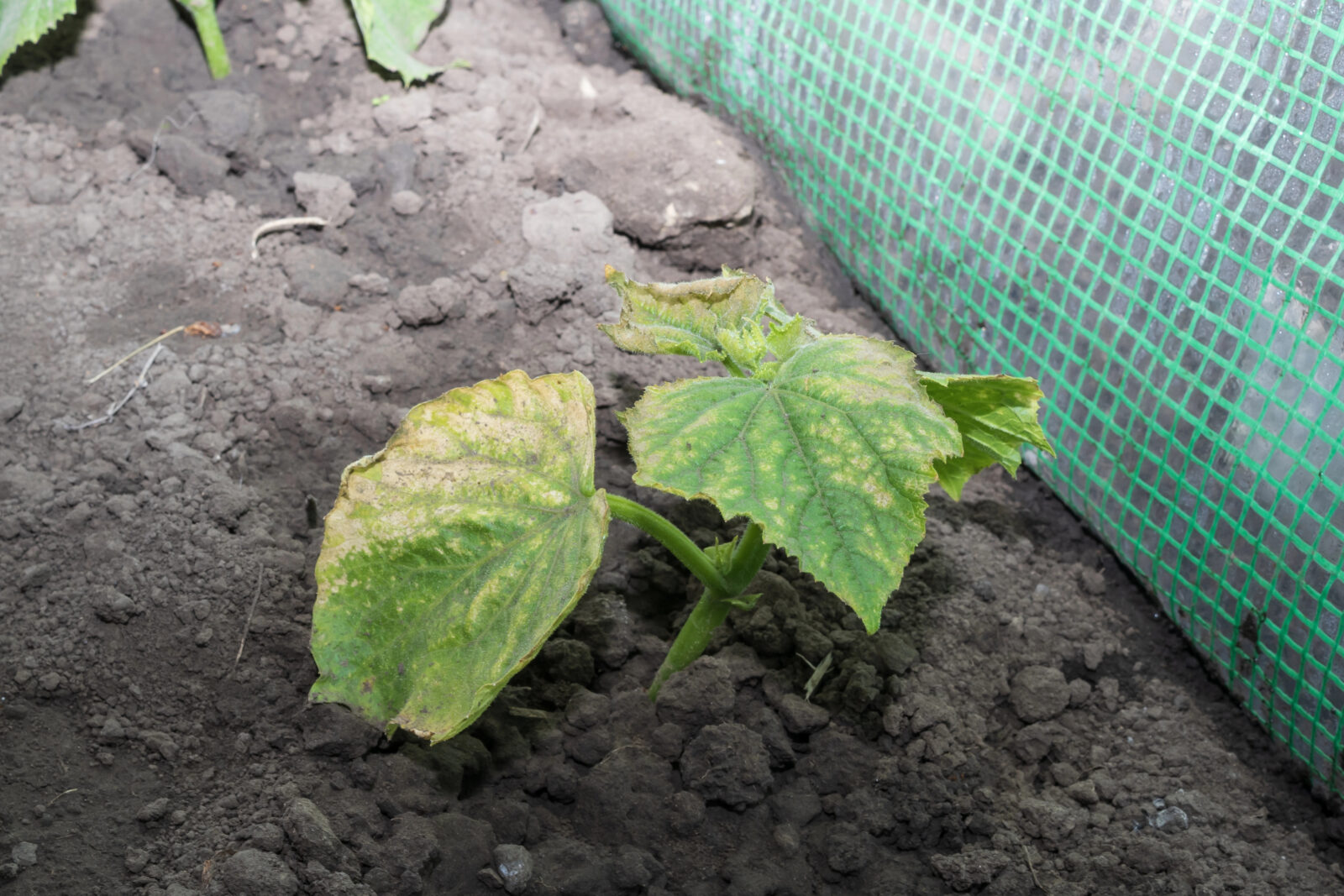
Check for pests that can finish seedlings off
Even if seedlings are wilting mainly due to shock, it’s worth checking whether pests are also attacking them. Ants and slugs can both cause problems. With ants, it can happen that they damage the stem right at soil level. Gently pull back the soil at the base of the stem and check whether it’s been chewed or weakened at the surface line.
What can help against ants and slugs
As a simple preventative measure after planting, you can lightly work Ceylon cinnamon into the soil around the seedlings and moisten it slightly. Against slugs, reusable plant guards that physically protect the plant during the most vulnerable period are effective. If you’re also providing shade and keeping watering under control, you’ll reduce the risk of pests reaching the plants at a time when they’re weakened.
Source: Zahrada, Chilli forum, RHS, Pestrazahrada.cz

A lover of nature, gardens, and everything that moves, blooms, or grows. He literally grows everything, from herbs to rare species, and he enjoys caring for animals just as much. In his work, he connects modern technology with tried-and-tested grandmotherly methods and is happy when both paths lead to the same goal.
Related articles
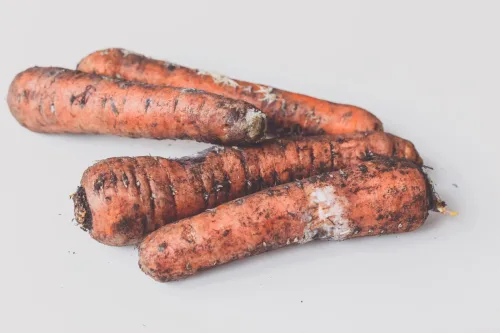
Next year you can harvest better if you don’t sow carrots where they won’t thrive
Carrot root fly can ruin carrots, parsley and celery from the inside out, often without obvious warning until harvest. Better site choice, rotation, later sowing and simple physical barriers can dramatically cut damage next season.
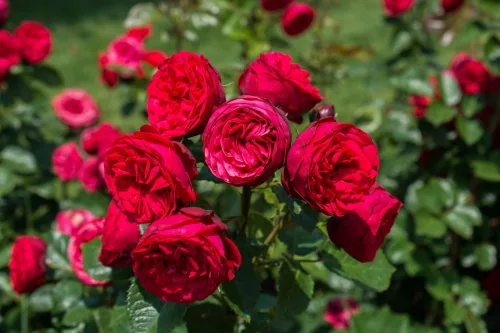
How to Propagate Roses from Cuttings at Home and Fill Your Garden with Blooms Almost for Free
Want more roses without paying for new plants? With a few healthy cuttings and a simple plastic-bottle mini greenhouse, you can root new bushes at home in just a few weeks.
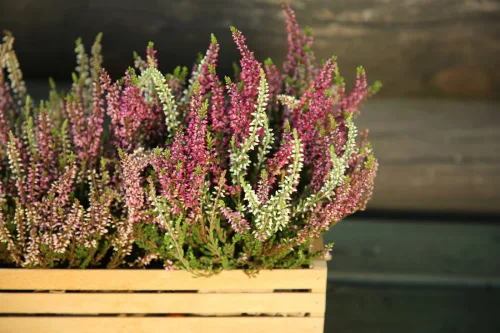
Heathers can cope where other plants won’t, but one soil detail decides everything
Heathers and heaths are tough evergreen shrubs that can flower across the seasons when you choose the right types. Success hinges on matching the plant to your soil pH and ensuring free drainage.
Comments (0)
Be the first to comment.