
 English
  Polski
  Deutsch
  Nederlands
  Svenska
  Norsk
Norsk  Dansk
Dansk  Français
  Italiano
  Español
  Português
  Slovenčina
  Suomi
Suomi  Gaeilge
 Planting tomatoes sideways can help but sometimes reduces yield
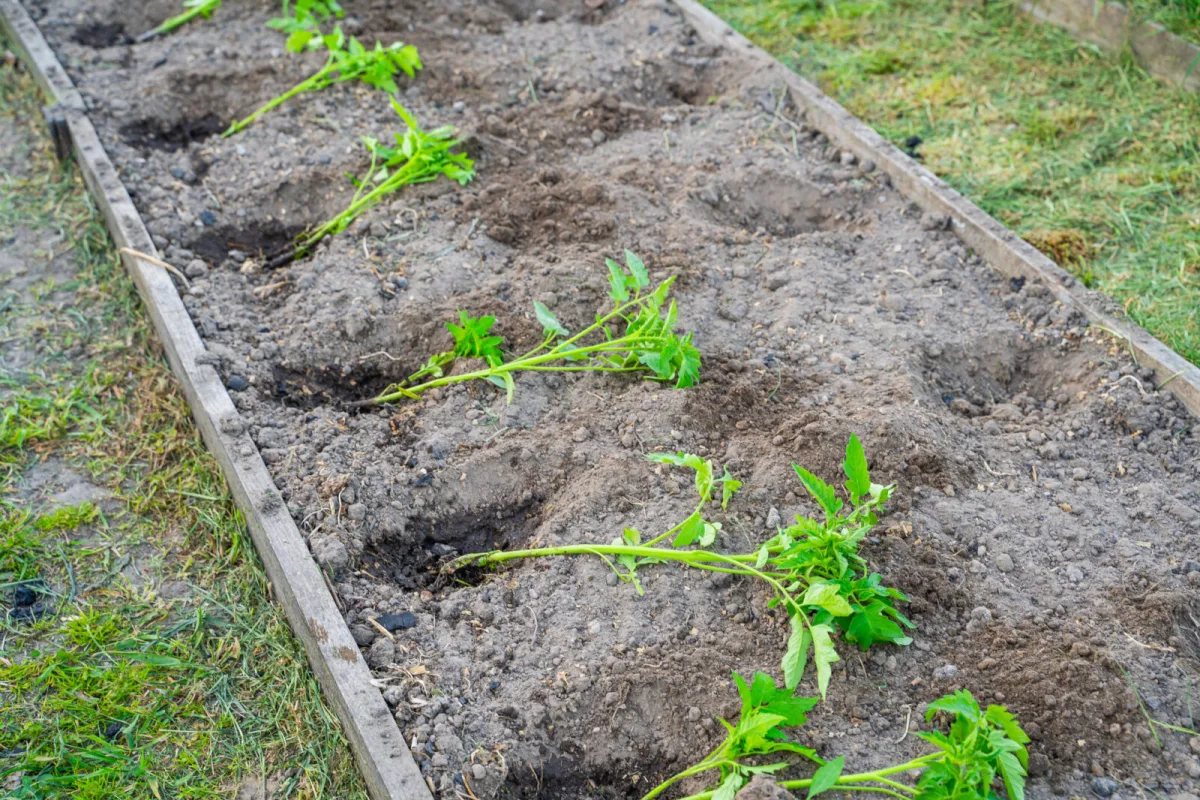
Gardeners often pass along the tip that if, when transplanting, you set a tomato seedling at an angle or even completely on its side, you’ll harvest more fruit. This method is sometimes called trench planting, because you dig a shallow trench for the plant, lay part of the stem into it, and cover it with soil. In certain conditions it really can work, but the same approach won’t be an advantage for every garden, soil type, or season length.
The key is that tomatoes need enough time after transplanting, in favourable weather, to strengthen first, then set flowers, and for the fruit to have time to ripen. A common rule of thumb is about 60 days from transplanting to the first harvest, but in reality that can shift depending on the variety and on how steady your daytime and night-time temperatures are.
How the trench method works
Tomatoes can produce what are known as adventitious roots, meaning roots that form on parts of the plant that aren’t originally roots. On a tomato stem you may notice tiny bumps; once they contact moist soil, they readily develop into new roots. When you bury a longer section of stem at planting, in theory you encourage the plant to build a larger root system.
This makes the most sense when the plant has time to cash in on that investment. First the new roots have to actually grow, and only then can the plant fully switch to flowering and fruit production.
Main benefits of planting on its side
A faster, fuller root system in the warmer soil layer
With trench planting, the stem usually ends up in the top layer of soil, which warms up more quickly. In warmer soil, adventitious roots often form more readily than in the cooler, deeper layers. A stronger root system then improves access to water and helps the plant manage moisture better, which is crucial for tomatoes in summer.
Greater stability in wind and storms
More extensive roots can act like a better anchor. In places where windy days alternate with sudden downpours in spring or early summer, tougher rooting can be a real advantage. With indeterminate varieties this obviously doesn’t replace staking or support, but the plant tends to sit more firmly in the soil and is less likely to get rocked loose.
Potential for higher yields
When a tomato has more roots, it usually takes up nutrients and water more effectively. That can show up as more flowers and, subsequently, more fruit. This effect is most often seen where the season is long enough and temperatures stay reliably tomato-friendly, so the plant has time to build roots and still keep producing for a long stretch.
When planting on its side can actually reduce the harvest
The plant invests time in roots, but the fruit no longer has time
The biggest catch with trench planting is time. Building extra root mass costs something—energy, yes, but also days to weeks of growth. If you garden in an area where you only get a short window that’s truly suitable for tomatoes, the plant may spend a large part of the season developing roots and only move into fruit set and ripening later. The result can be a smaller harvest, even if the plant looks strong, leafy, and green.
A short season and cool nights make trench planting a risk
Tomato season isn’t just a date on the calendar, but the period when daytime temperatures are pleasantly warm and nights don’t drop too low. Once nights turn cool, growth slows and ripening drags on. If, after transplanting, you have only about the minimum time-to-harvest window left, it may be wiser to choose a method that doesn’t delay the plant with extra rooting work.
A method that brings an advantage in a long season can mean a delay—and fewer ripe fruits by the end of summer—in a short season.
Alternatives that make sense in different conditions
Deeper upright planting
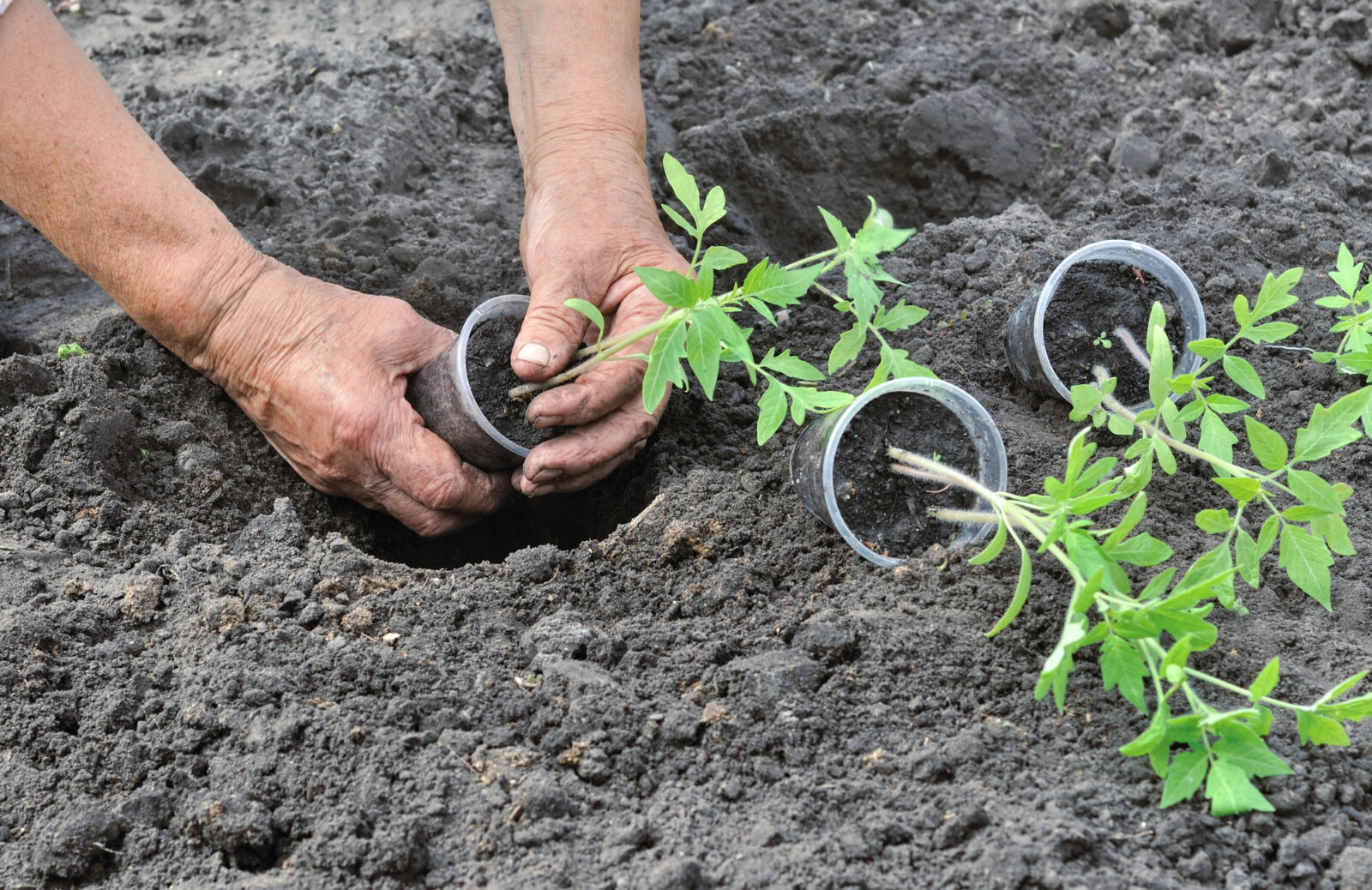
A good compromise can be planting the seedling deeper while keeping it upright. The lower leaves are removed and part of the stem is covered with soil so adventitious roots can form there as well. Compared with planting on its side, there’s usually less handling of the whole plant, and often less time lost, because the plant settles into its normal growth pattern sooner.
Planting at the same depth as in the pot
If you’re not sure how many warm weeks you truly have left, the simplest option is to plant the tomato at the same depth it grew in the cell tray or pot. With good care, regular watering, suitable feeding, and a stable support, you can get a very respectable crop without any special tricks. This method is often the safest where the weather changes quickly and time for experimentation is limited.
How to decide for your garden
Before you get excited about planting on its side, consider what your biggest limitation is. If you have a long summer, the soil warms quickly, and you typically keep picking tomatoes well into the season, trench planting can noticeably improve rooting and overall vigour. But if you grow in an area with a shorter summer, late cool nights, or you often start planting later, a fast start into flowering and fruiting may matter more.
A practical rule: the less time you have left before suitable temperatures end, the more cautiously you should use methods that push the plant to build extra roots first.
Key takeaways
Planting tomatoes on their side can be a useful technique, but it isn’t universal. In a long season it helps create a broader root system, improves stability, and can contribute to higher yields. In a short season, however, the same approach can slow the plant down, because energy goes into roots at the moment it should be focusing on flowers and fruit. If you don’t want to risk a delay, consider deeper upright planting or the classic approach of planting at the same depth the seedling grew in its pot.
Source: Epic Gardening, Pestrazahrada.cz

A lover of nature, gardens, and everything that moves, blooms, or grows. He literally grows everything, from herbs to rare species, and he enjoys caring for animals just as much. In his work, he connects modern technology with tried-and-tested grandmotherly methods and is happy when both paths lead to the same goal.
Related articles
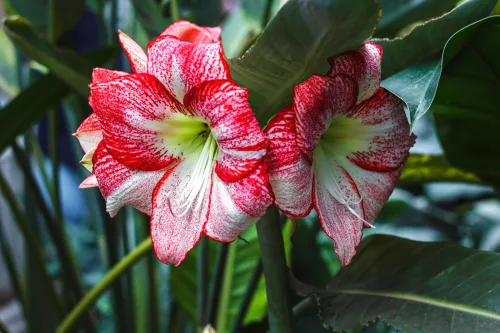
The Christmas Amaryllis That Can Bloom for Years but Most People Throw It Away After Flowering
Hippeastrum is a spectacular winter-blooming bulb that, with the right care, will flower again year after year. Learn how to plant it correctly, look after it after flowering, and bring it into dormancy so it reliably reblooms.
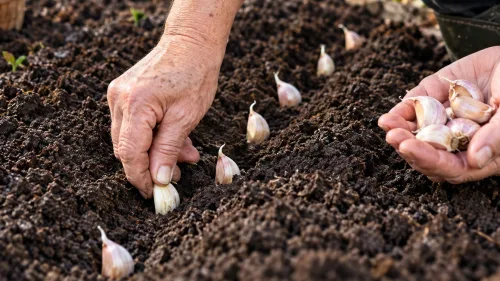
How to Grow Winter Garlic for a Much Bigger Harvest
Autumn planting is the key to strong, healthy winter garlic, but the details make all the difference. With the right timing, bed choice, seed-clove treatment and a simple bicarbonate trick, you can noticeably boost yield.
A tree or shrub planted properly in autumn can outpace spring stock and improve fruiting
Many fruit trees and soft-fruit shrubs establish better when planted in autumn, because roots keep growing while the top is dormant. Done well, this head start means stronger spring growth, less watering, and a healthier first year.
Comments (0)
Be the first to comment.