
 English
  Polski
  Deutsch
  Nederlands
  Svenska
  Norsk
Norsk  Dansk
Dansk  Français
  Italiano
  Español
  Português
  Slovenčina
  Suomi
Suomi  Gaeilge
 Nettle as a quiet treasure for health, the garden and the kitchen
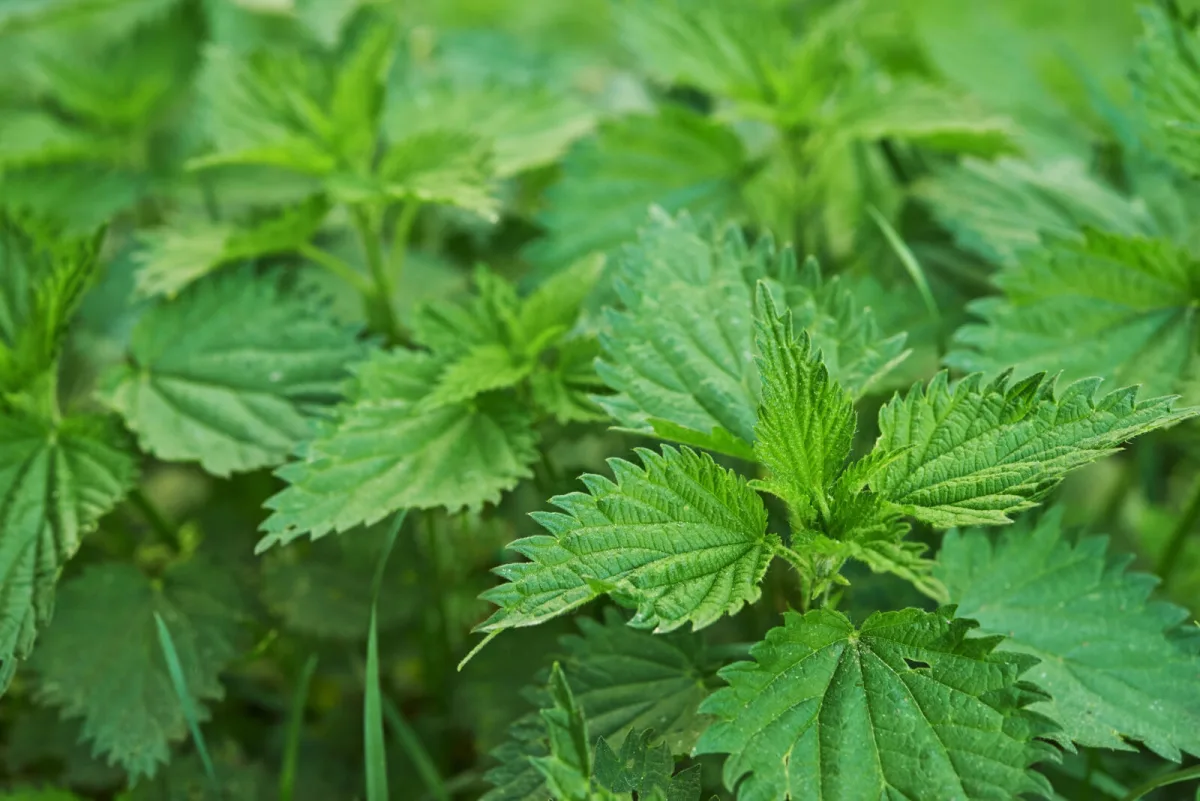
Nettle often gets a bad reputation because it stings and spreads through beds faster than we’d like. That’s exactly why many people treat it as nothing more than a weed that needs removing. But once you take a closer look at what it can do, it becomes clear why people have valued it for centuries. It’s a plant you can use in the home herbal cupboard, for body care, in the kitchen, and in the garden as a helper for soil and plants.
Where to find nettle and what it looks like
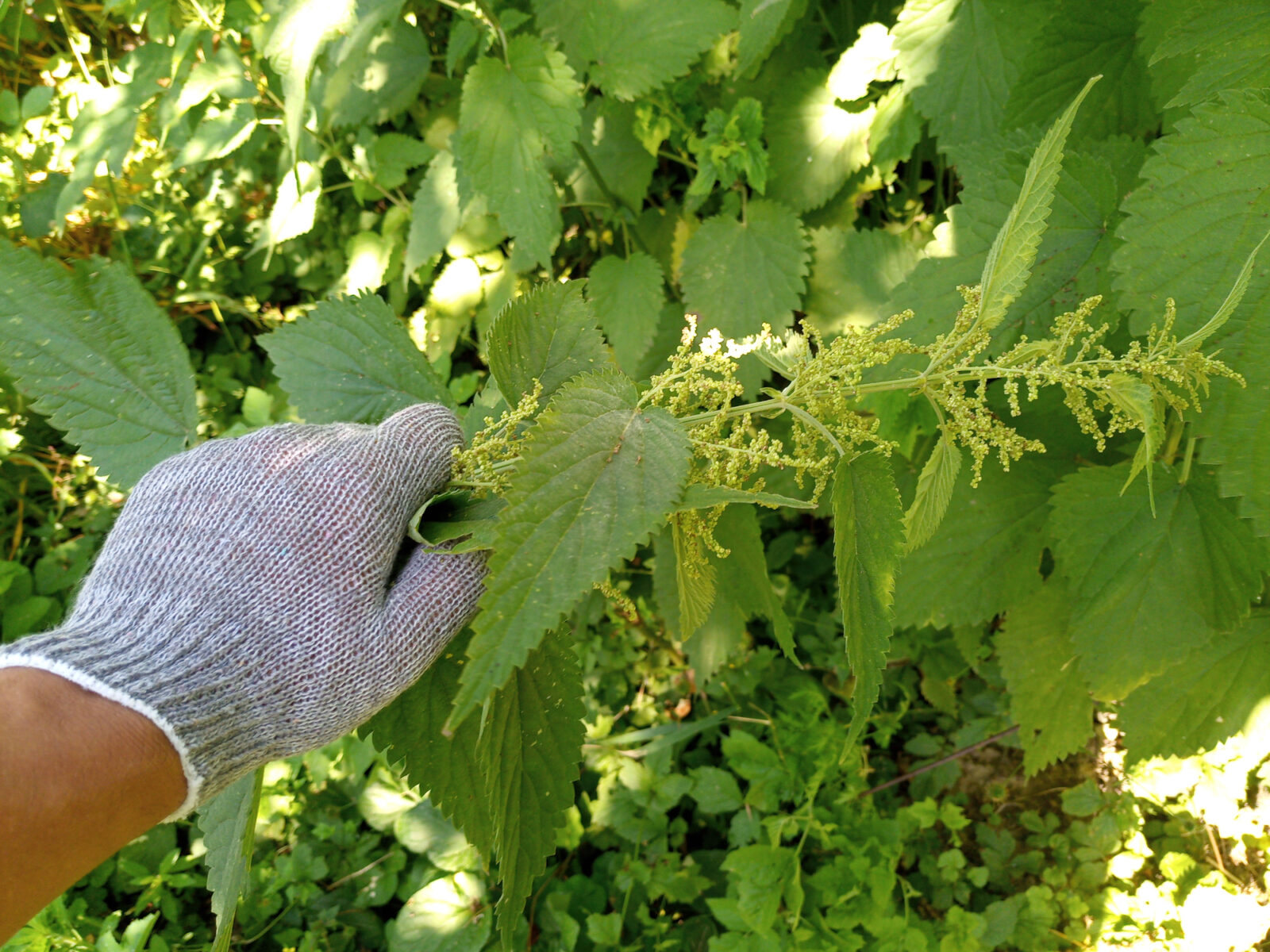
The best-known species is stinging nettle, Urtica dioica. It’s a perennial, fairly robust herb that thrives across much of the temperate Northern Hemisphere. It often grows in nutrient-rich places, typically along fences, paths, on waste ground, near waterways, in woodland, on clearings, or by pasture. It copes well with higher elevations and can appear up to around 2000 metres above sea level. It commonly grows to about 0.5 m to 1.5 m, and in exceptional cases can be taller.
In our conditions you may also come across its smaller relative, small nettle, which stings just as much but is usually more delicate and tends to grow as an annual.
What nettle contains
Nettle is literally packed with substances the body and the garden can put to use. It contains vitamins, especially vitamin C and some B vitamins, as well as a range of minerals and trace elements. It also includes organic acids, flavonoids, and other plant compounds commonly associated with supportive effects on the body.
An interesting detail is the presence of substances linked to the nervous system. Nettle is reported to contain, for example, tryptophan and also serotonin. Nutritionally, it’s also valuable for its protein content, which is one reason it appears in traditional cooking in many forms.
Why nettle stings and how it works
The Latin genus name Urtica refers to the sting that almost everyone knows. The sting is a clever defence. The plant’s surface is covered in stinging hairs, so-called trichomes, which work like tiny needles. When touched, their brittle tip breaks off and creates a minute puncture in the skin, through which a cocktail of irritating substances enters.
In this mix, histamine plays a role in itching and redness, acetylcholine contributes to the burning sensation, and other compounds intensify the effect. The result is familiar: an unpleasant sting with a single purpose, to discourage us and animals from further contact.
Nettle for health support and prevention
Nettle has a long tradition in folk medicine. In the past, people even used the method of flogging with fresh stems, because skin irritation leads to strong blood flow and local warming. This supports circulation and metabolism in the tissues, and people tried the technique mainly for rheumatic complaints and joint pain. Today you’ll see it only rarely, because the sting is simply too uncomfortable for most.
More practical is using nettle in teas and herbal blends. It’s often mentioned for supporting metabolism and certain bodily processes, including promoting elimination. That’s why it’s traditionally included in spring “cleansing” routines, when people want to top up vitamins and minerals after winter.
Nettle also appears in tea blends intended for respiratory discomfort. In practice it’s often combined with other herbs so the overall effect is balanced and gentle.
Nettle and blood-building
One frequently cited benefit of nettle is its connection with blood-building, especially supporting the formation of red blood cells. For this reason it was traditionally recommended in states linked to weakness or after significant blood loss. In everyday life, people also use it preventively, for example during exhaustion, prolonged strain, demanding work, or mental stress.
Nettle in cosmetics and hair care
Nettle has a firm place in homemade cosmetics too. Most commonly it’s used for hair, as it’s associated with strengthening and reducing hair shedding. A stronger decoction is used as a rinse after washing or as a wrap. It can also help with an itchy scalp, and people reach for it when they tend to get dandruff.
Regular use of a nettle rinse can add shine, and with lighter shades a slight darkening is traditionally mentioned. The advantage is how easy it is to make and how inexpensive it is, provided you have access to nettles from a clean area.
Nettle in the kitchen surprises with flavour and versatility
Young spring nettle leaves can be used much like leafy greens. They’re often added to stuffing, pasta dishes, or even salads if they’re briefly prepared beforehand. Nettle soup is a favourite, and nettle can also be cooked like spinach, gently wilted and seasoned in the classic way.
To keep things safe and comfortable, the leaves are usually stripped from the stems, rinsed in a sieve, ideally non-metal, and then blanched with boiling water. This greatly reduces the sting and softens the leaves for further use.
Nettle in the garden as fertiliser and pest help
In the garden, nettle is useful not only as an indicator of nitrogen-rich soil but also as a raw material for natural plant care. It contains elements such as nitrogen, phosphorus, potassium, iron, and zinc, which is why it’s used to make infusions and fermented feeds for fertilising. Nettle also supports soil life and can attract earthworms, which improve soil structure.
Besides feeding, nettle is also used as part of natural sprays. Gardeners use it for mulching or as an addition to compost, where it helps improve the compost’s quality.
How to make nettle feed for fertilising
For fermented nettle feed, use a non-metal container. Put chopped nettles into it and cover with water, roughly at a ratio of 10 litres of water to 1 kilogram of nettles. Stir the mixture every day so fermentation proceeds evenly and more quickly. The maturing time is usually about two weeks to a month, depending on temperature.
Before use, dilute the finished feed, commonly at a ratio of about 10 parts water to 1 part feed. You can water with this diluted solution. If the mixture is too strong or you’re feeding more sensitive plants, increase the dilution further. Any surplus can also be used to water the compost, adding extra nutrients and supporting earthworm activity.
Nettle in compost and what to watch out for
Nettles are easy to add to compost because they grow in fertile places and naturally carry plenty of valuable nutrients. Mown nettles can go straight onto the heap. With pulled plants, it’s sensible to let them wilt or dry first so they don’t re-root.
It’s important not to add nettles that are already flowering or setting seed to the compost. If you need to process them, it’s safer to scald them thoroughly first to prevent further spread around the garden.
Nettle spray against aphids
Nettle can also be used as a natural spray, especially when tackling aphids and other unwanted insects. Make a short steeped infusion by putting nettles and water into a sealable plastic container at a ratio of 1 to 10 and leaving it for about 24 hours. Then strain the liquid and dilute it with water before use, often at a ratio of 1 part infusion to 5 parts water.
The spray needs to be applied carefully to all above-ground parts of the plant, because pests often hide on the underside of leaves as well. Effectiveness depends mainly on consistency, so it’s recommended to apply preventively or at the first signs of infestation. It’s commonly noted that nettle infusions aren’t suitable for all plants; for example, they may be more of a drawback for bulb plants and legumes.
A plant that deserves more respect
Nettle is a perfect example of an herb that’s easy to overlook simply because it can defend itself and often grows where we don’t want it. Yet it’s an exceptionally versatile plant: it can support wellbeing, simplify homemade hair care, enrich the menu, and in the garden serve as both a fertiliser and a helper in plant protection. Once you learn how to handle it, it stops being an enemy and becomes a useful ally.
Source: GrowVeg, Deník, Pestrazahrada.cz

A lover of nature, gardens, and everything that moves, blooms, or grows. He literally grows everything, from herbs to rare species, and he enjoys caring for animals just as much. In his work, he connects modern technology with tried-and-tested grandmotherly methods and is happy when both paths lead to the same goal.
Related articles
Why the Tree That Feeds a Family for Generations Is Disappearing from Czech Gardens
The English walnut used to be a staple of larger gardens and farmyards, valued for its nutritious nuts and many practical uses. With the right site and variety, it remains one of the most rewarding long-lived trees you can plant.

How to Get Rid of Mice and Rats in the House, Loft and Garden Effectively
Mice and rats don’t leave quietly—scratching sounds, droppings and gnaw marks are clear warnings. A lasting solution comes down to three steps: block entry points, remove food sources, then use traps or professional control.
Two Mistakes When Harvesting Onions Can Cut Your Supply by Months
With good growing and the right handling, onions can turn into a near year-round pantry staple. These simple harvest and curing steps determine whether they keep for weeks or for months.
Comments (0)
Be the first to comment.