
 English
  Polski
  Deutsch
  Nederlands
  Svenska
  Norsk
Norsk  Dansk
Dansk  Français
  Italiano
  Español
  Português
  Slovenčina
  Suomi
Suomi  Gaeilge
 How to Make the Most of Pick Your Own Strawberries and Bring Home Full Baskets
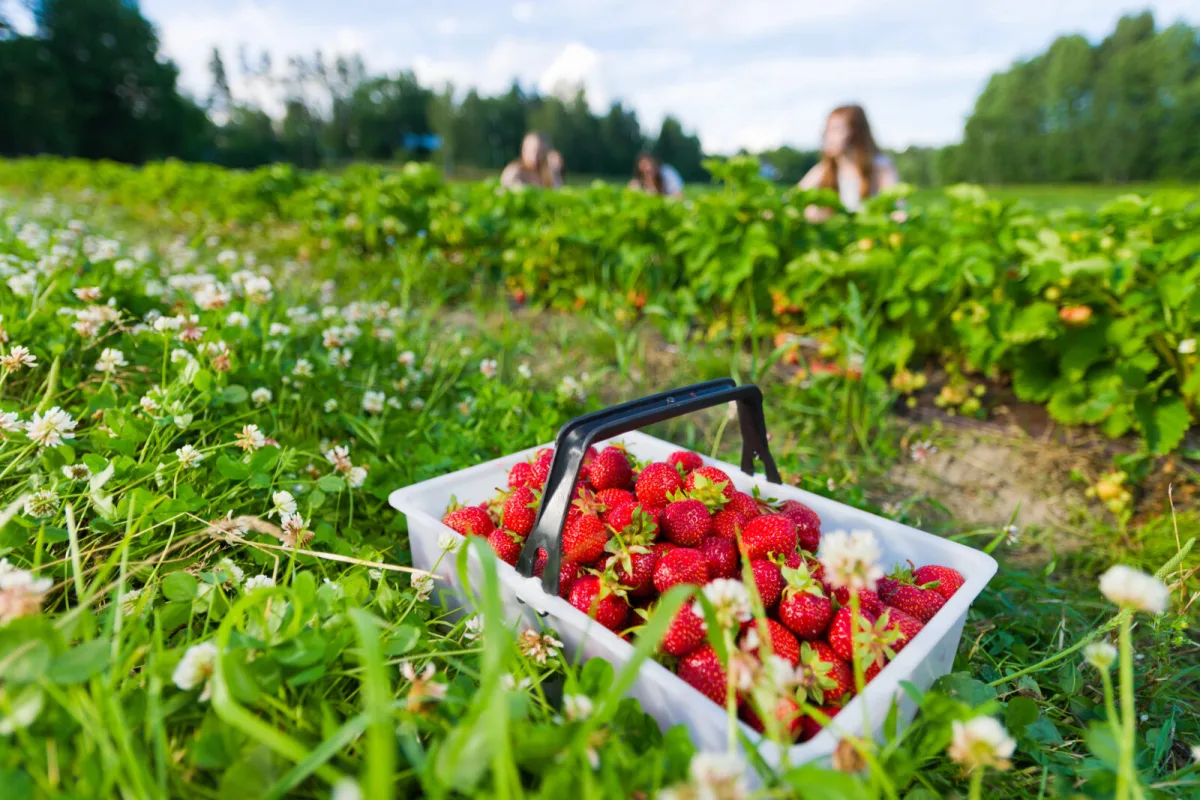
Pick-your-own strawberry season is one of the most popular times of year for anyone who wants truly fresh fruit straight from the field. To keep a pleasant outing from turning into a tiring battle with heat, squashed berries or avoidable mistakes, it pays to follow a few simple rules. It’s not only about picking as much as possible, but also about berry quality, comfort while picking, and being considerate of the plantation and other visitors.
Go early, when the fruit is firm and the field is comfortable
Timing is everything. It’s best to arrive in the morning, once the night dew has dried but before the sun warms the strawberries too much. In the cooler morning air the fruit is firmer, bruises less easily and copes better with the journey home. You’ll also find picking more comfortable, because it’s not yet as hot in the field and there’s usually less of a crowd.
Field-ready clothing and hydration aren’t small details
A field can surprise you. In the morning the soil may be damp, while in the afternoon it can turn into a baking-hot space with no shade. Wear sturdy footwear, ideally something that can handle a bit of moisture. A hat, sunscreen and plenty of fluids are essential, because in the sun you lose water faster than you expect. When you feel good, you can pick for longer with fewer mistakes.
The right containers determine what you bring home
It’s better to bring your own containers and choose them wisely. The best options are airy baskets, low crates or shallow trays where strawberries don’t sit in deep layers. If you pile them up, the berries at the bottom bruise easily under the weight and start to leak juice. The result isn’t beautiful strawberries, but a soft mash that’s only good for immediate processing.
The shallower the layer in the container, the lower the risk of bruising and quick spoilage.
Follow the rules on the plantation and pick only in your assigned row
On arrival, empty containers are usually weighed so you pay at the end only for the actual weight of the fruit. Staff will then assign you a row to pick in. It’s important to stay in your space, not drift into neighbouring rows and to work through your section properly. Watch your footing, because ripe fruit and plants are easy to damage. If you’re careful, the field stays in good condition for the next visitors too.
Children yes, but supervised; pets are best left at home
For families, pick-your-own can be a wonderful experience. Children often get excited, but they need supervision so they don’t trample the crop in nearby rows while running about. With dogs it’s different. Strawberry fields often prohibit pets for hygiene reasons, so it’s better to leave them at home and avoid any hassle.
Don’t squeeze strawberries—gently twist and pick
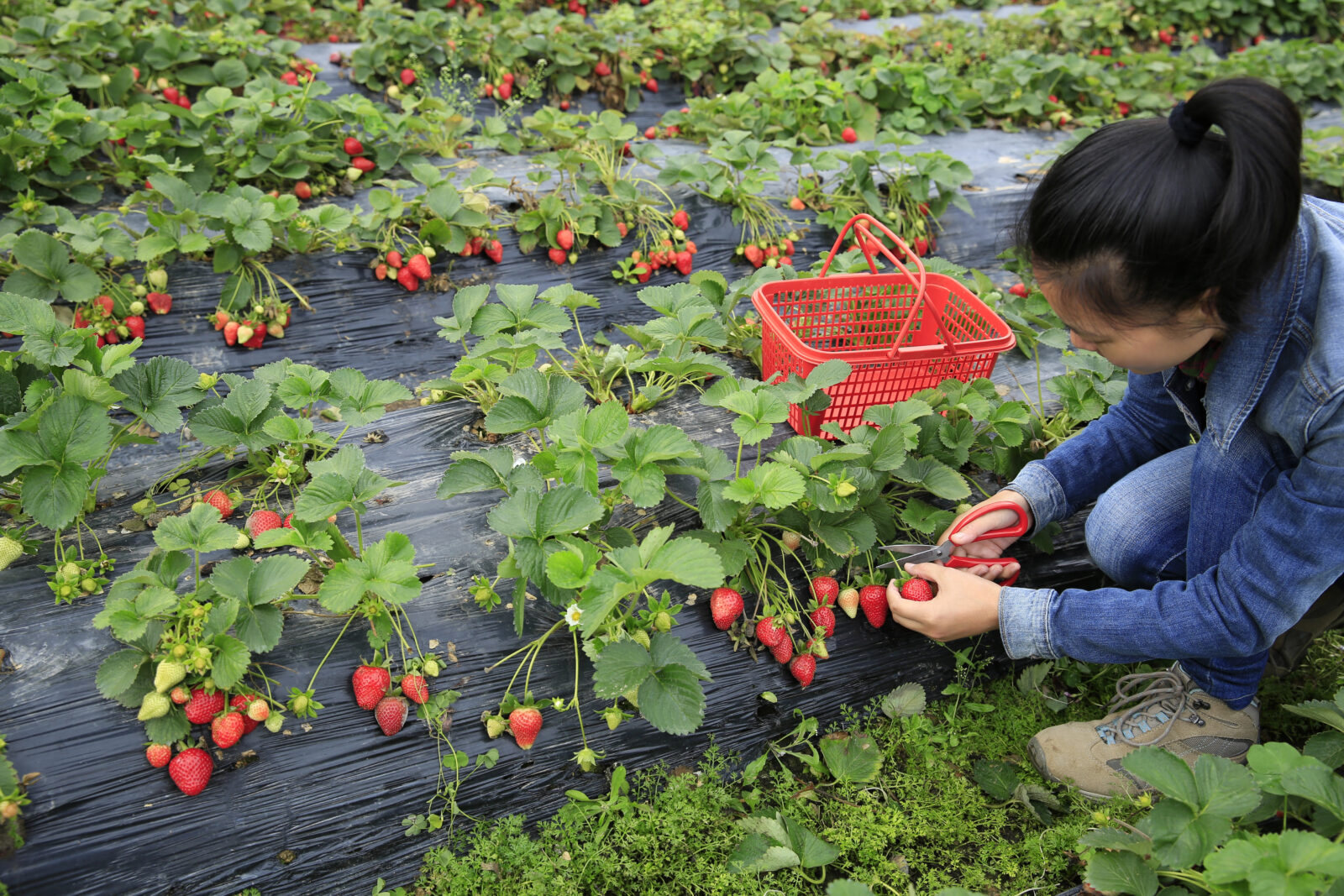
Your picking technique affects how long strawberries will keep. Never squeeze the fruit in your whole hand. Hold it gently between thumb and forefinger by the stem just above the berry, give it a slight twist and detach it. It’s important that the green calyx stays firmly attached, because without it the strawberry loses juice more quickly and wilts. Pick only fully red berries and remember to look under the leaves or under straw, where the biggest and best fruit often hides.
Don’t wash them in advance at home—you’ll keep them fresh longer
Once you’re home, don’t rinse the strawberries “just in case”. When they absorb water, spoilage speeds up and the fruit softens. Spread unwashed strawberries ideally in a single layer on a flat dish or tray and store them in the fridge, where they usually keep for one to two days depending on ripeness. Wash and hull them only just before eating or processing.
Small details make a big difference
When you combine the right arrival time, suitable gear, gentle handling of the fruit and respect for the plantation’s rules, your reward will be full baskets—and strawberries that taste and look fantastic. Pick-your-own then becomes more than just buying fruit; it’s a pleasant outing that brings home quality and a good feeling.
Source: Záhrada, original text, Pestrazahrada.cz

A lover of nature, gardens, and everything that moves, blooms, or grows. He literally grows everything, from herbs to rare species, and he enjoys caring for animals just as much. In his work, he connects modern technology with tried-and-tested grandmotherly methods and is happy when both paths lead to the same goal.
Related articles
Why the Tree That Feeds a Family for Generations Is Disappearing from Czech Gardens
The English walnut used to be a staple of larger gardens and farmyards, valued for its nutritious nuts and many practical uses. With the right site and variety, it remains one of the most rewarding long-lived trees you can plant.

How to Get Rid of Mice and Rats in the House, Loft and Garden Effectively
Mice and rats don’t leave quietly—scratching sounds, droppings and gnaw marks are clear warnings. A lasting solution comes down to three steps: block entry points, remove food sources, then use traps or professional control.
Two Mistakes When Harvesting Onions Can Cut Your Supply by Months
With good growing and the right handling, onions can turn into a near year-round pantry staple. These simple harvest and curing steps determine whether they keep for weeks or for months.
Comments (0)
Be the first to comment.