
 English
  Polski
  Deutsch
  Nederlands
  Svenska
  Norsk
Norsk  Dansk
Dansk  Français
  Italiano
  Español
  Português
  Slovenčina
  Suomi
Suomi  Gaeilge
 Tricks for Sowing Carrots So They Germinate Quickly and Evenly
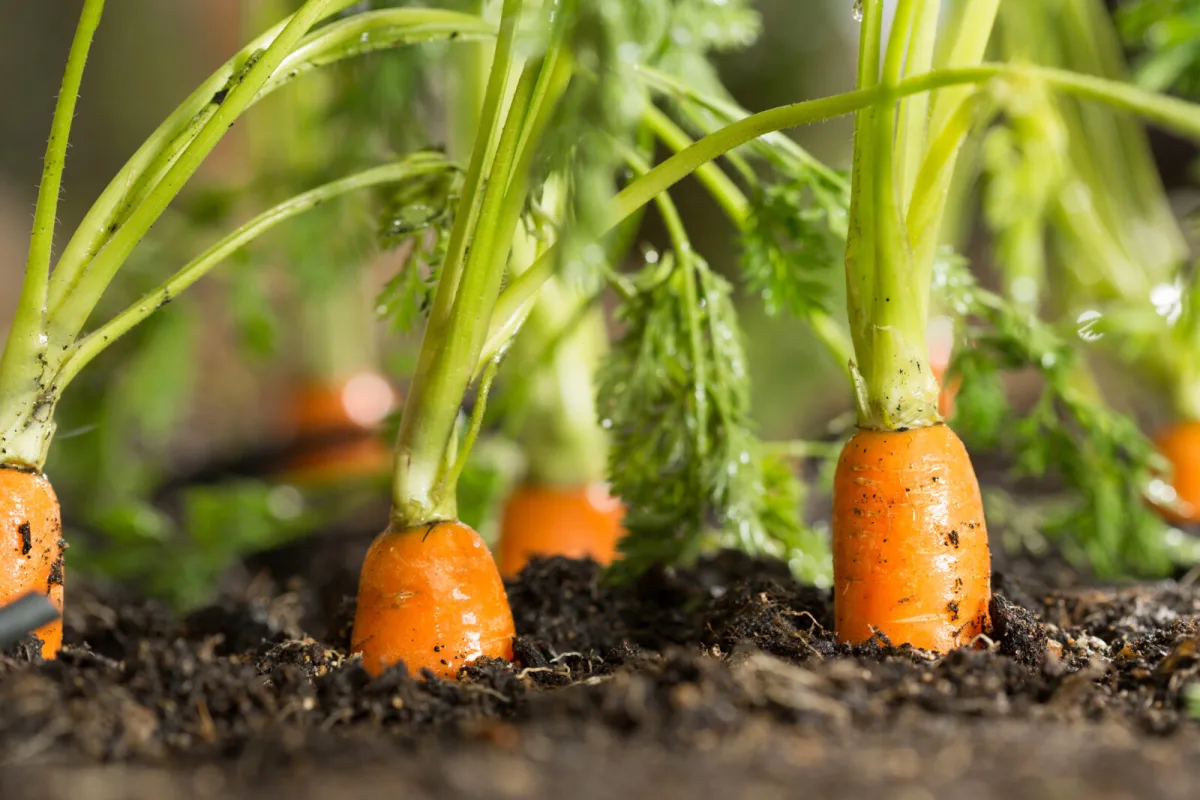
Carrots are one of those vegetables almost everyone wants in the bed, but sowing can challenge even experienced gardeners. The seeds are nearly dust-fine, they stick easily to damp fingers, and when you sow they often end up scattered unevenly. Add to that the long germination time, so it can look like nothing is happening in the row, and you’re tempted to poke about—or accidentally tread on the bed. If you follow a few simple steps, though, you’ll get straight rows, even emergence and good roots without unnecessary disappointment.
When to sow carrots and the conditions they like
You can sow very early. In sheltered conditions, such as a cold frame, you can start as early as the beginning of March. Outdoors, carrots are usually sown from March to April depending on the weather, and for storage it’s better to use later sowings that can continue until mid-July. The basis of success is loose soil free of clods and stones so the root can develop straight and without distortion. Before sowing, it pays to level the soil and break it down into a fine tilth, because in a coarse seedbed the seed has poorer contact with the soil and germinates less reliably.
Sowing in rows and why sand helps
The classic method is to sow the seeds into shallow drills. It helps to make a straight sowing groove about 1 cm deep alongside a batten or board. Leave roughly 30 cm between rows so you can hoe comfortably and so the foliage later doesn’t thicken the crop too much.
Because the seed is so fine, it’s practical to mix it beforehand with dry horticultural sand. The mixture sprinkles more evenly and prevents clumps where seedlings would crowd together. After sowing, cover the row with soil, gently firm the surface so the seed makes good contact, and water thoroughly with a fine rose. A hard jet of water can wash the seed out or shift it into one spot.
Germination takes weeks and thinning is normal
Carrots typically germinate in about two to three weeks, depending on temperature and moisture. Once the seedlings are strong enough to handle safely, it’s time to thin. The aim is to leave about 5 cm between plants so each has enough room to form a good root. Pull out surplus seedlings carefully, ideally after watering or rain when the job is easier and you disturb the roots of the remaining plants less.
A marker crop helps you find the rows sooner
Because carrots get going slowly, a so-called marker mix can be useful—something that comes up fast and shows exactly where the row is. Radishes are ideal because they germinate within a few days. Just add one radish seed about every 10 cm along the row and then cover the drill with soil. That way you’ll see the sowing line very quickly, keep the bed weed-free more easily, and won’t accidentally damage the slowly waking carrot seedlings when hoeing.
Sowing with seed tape and why it saves work
If you want the most even sowing possible and to avoid later thinning, you can use seed tape. These are narrow cellulose strips with seed already positioned at the correct spacing. The advantage is accurate placement and steady growth through to harvest without having to pull out excess plants. It’s also a good option for anyone who struggles to sow fine seed at an even depth and density.
Preparing the bed for seed tape
First, rake the soil thoroughly to create a level, fine, crumbly seedbed. If the soil is on the poor side, you can lightly work in well-rotted compost at a sensible rate so the crop has enough nutrients, but the ground isn’t freshly overfed.
A taut line ensures straight rows
For accuracy, it helps to stretch a garden line and run the row along it. With carrots, straight rows are especially useful for aftercare, because hoeing and watering are easier and you don’t waste space.
The right trench, placing the tape and watering
Make a trench about 2 cm deep and wide enough for the tape to sit comfortably. If you don’t want to compact the soil, it’s a good idea to stand on a board while you work to spread your weight. Unroll the tape gradually, lay it without creases, and if needed pin it down in a few places with small crumbs of soil so it doesn’t lift.
An important step is to moisten the tape before covering it, using a fine rose on a watering can or a sprayer. Moisture improves contact between seed and soil and supports even germination. Then cover the tape with a layer of soil no deeper than 2 cm and gently firm the surface so there are no air pockets. Finally, water the bed thoroughly again so the soil settles and the seed has consistent moisture.
Carrots on ridges as a solution for heavy soils
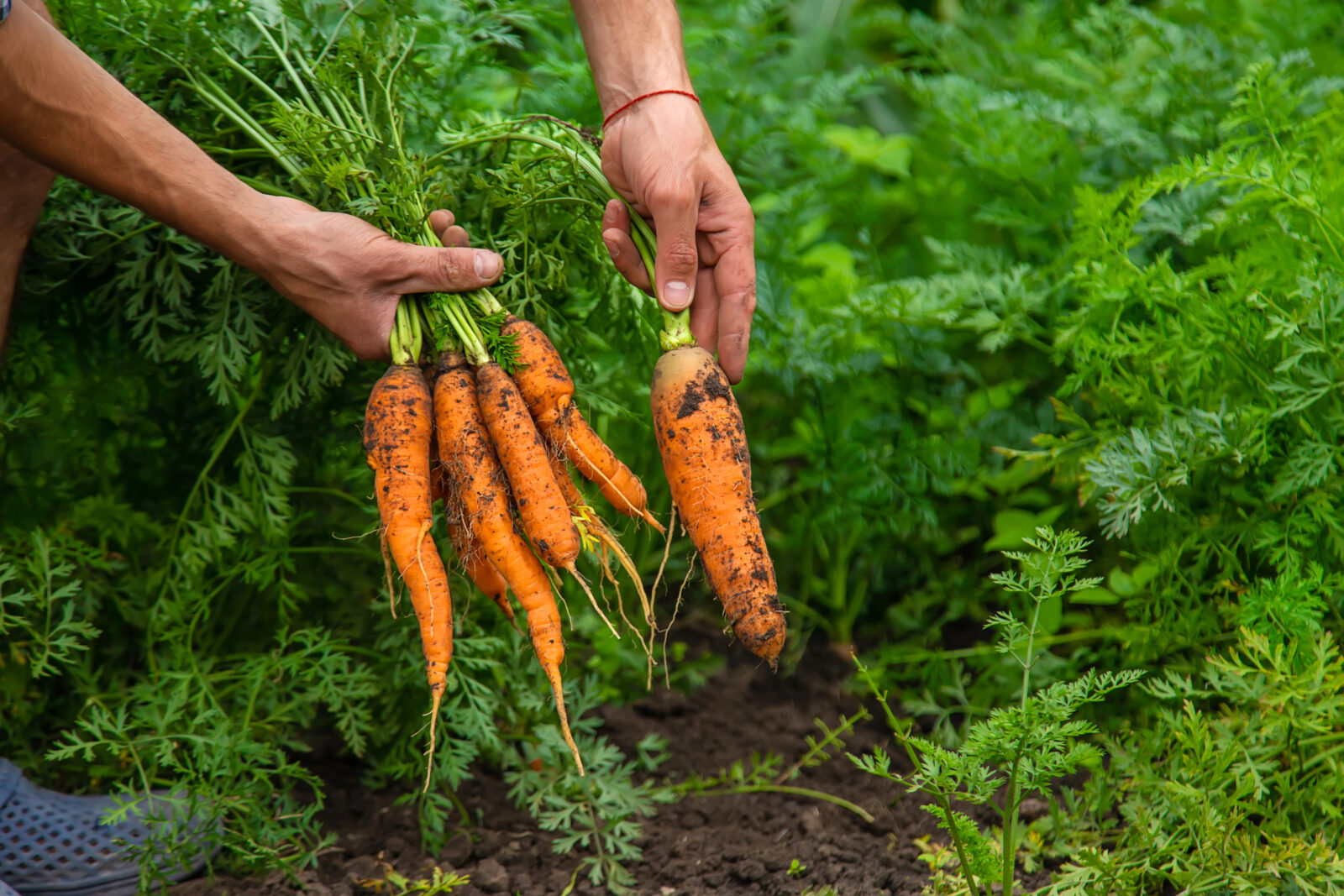
On heavier, compacted soils, carrots are more prone to forking and deformities because the root can’t penetrate as deeply as it needs to. In that case, growing on low ridges (raised mounds of soil) made from more humus-rich, sandier earth can help. Roots then grow straighter and the harvest is usually better quality. Do bear in mind that ridges dry out faster, especially in areas with dry summers. Regular, even watering is therefore essential; otherwise the roots may stay small, turn woody, or split.
What determines success from sowing to harvest
Most often it comes down to a combination of three things: a finely prepared seedbed, the correct sowing depth, and steady moisture during germination. With traditional sowing, mixing the seed with dry sand helps greatly, followed by careful thinning to about 5 cm. With seed tape, the key is moistening it before covering and then watering thoroughly. Add straight rows and gentle care without unnecessary disturbance of the soil during the long germination period, and your carrots will reward you with an even stand and attractive roots suitable for eating fresh as well as storing.
Source: Mein schöner Garten, The Spruce, Pestrazahrada.cz

A lover of nature, gardens, and everything that moves, blooms, or grows. He literally grows everything, from herbs to rare species, and he enjoys caring for animals just as much. In his work, he connects modern technology with tried-and-tested grandmotherly methods and is happy when both paths lead to the same goal.
Related articles

The Christmas Amaryllis That Can Bloom for Years but Most People Throw It Away After Flowering
Hippeastrum is a spectacular winter-blooming bulb that, with the right care, will flower again year after year. Learn how to plant it correctly, look after it after flowering, and bring it into dormancy so it reliably reblooms.
How to Grow Winter Garlic for a Much Bigger Harvest
Autumn planting is the key to strong, healthy winter garlic, but the details make all the difference. With the right timing, bed choice, seed-clove treatment and a simple bicarbonate trick, you can noticeably boost yield.
A tree or shrub planted properly in autumn can outpace spring stock and improve fruiting
Many fruit trees and soft-fruit shrubs establish better when planted in autumn, because roots keep growing while the top is dormant. Done well, this head start means stronger spring growth, less watering, and a healthier first year.
Comments (0)
Be the first to comment.