
 English
  Polski
  Deutsch
  Nederlands
  Svenska
  Norsk
Norsk  Dansk
Dansk  Français
  Italiano
  Español
  Português
  Slovenčina
  Suomi
Suomi  Gaeilge
 How to Stop Thuja Turning Brown in Summer and Restore Healthy Green Growth
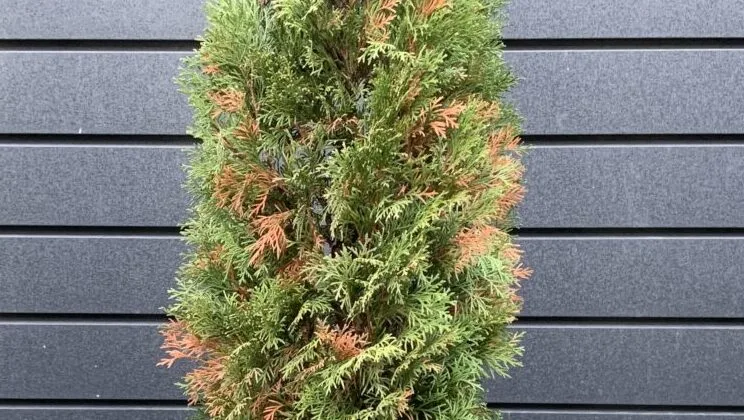
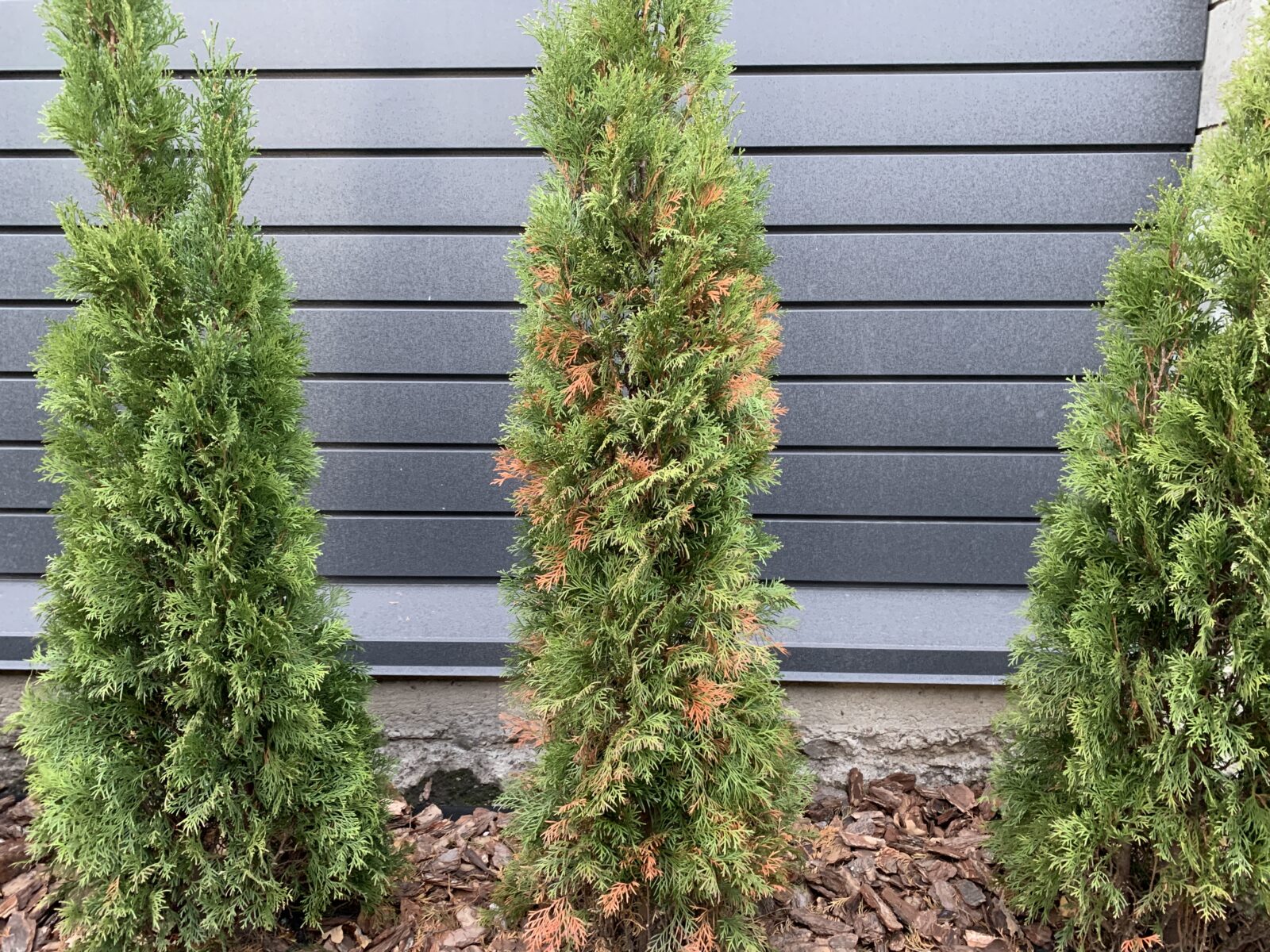
Thuja are among the most popular evergreen conifers because they usually cope well with typical garden conditions and come in many cultivars. Even these undemanding plants, however, can develop yellowing, browning, or dieback. Some changes are natural, while others signal a problem that needs dealing with in time.
It’s normal for older foliage inside the plant to dry out gradually. The centre of the shrub gets less light, so thuja naturally renew themselves. A warning sign, by contrast, is browning on the outer branches or rapid drying of whole sections, especially if the problem is spreading.
Planting thuja and the spacing that determines their health
Thuja can be planted from spring to autumn, roughly from March to November, as long as the soil isn’t frozen. In practice, the most comfortable time is when you can keep a close eye on watering and the plant isn’t exposed to extremes. During warm weeks it’s crucial that newly planted thuja never dry out completely.
A common mistake is planting too densely. If young plants are too close, over time they begin to crowd each other, have less room for roots and air circulation, and can dry out more easily. A safe baseline is a spacing of at least 50 cm, depending on the cultivar often more.
Site, soil, and the six-week rule after planting
Thuja do well in sun and partial shade. They will survive in shade, but grow more slowly and can be more open. Besides light, the deciding factor is soil, which should be loose, humus-rich, and evenly moist. If the ground is heavy, compacted, or chronically dry, browning can appear even without pests.
After planting, it’s best to avoid fertilising immediately. The roots need time to establish. A practical rule is to wait at least six weeks. Feeding too early can stress the root system and worsen establishment.
Fertilising is generally planned from spring into summer, or at most into early autumn. Later on, the plant shouldn’t be pushed into strong new growth before winter.
Pruning older thuja and the best timing
If you want to rejuvenate an older thuja hedge or maintain its shape, regular trimming is the most important thing. Pruning at least once a year is recommended from late June to August, when sap flow gradually settles and new growth still has time to harden before winter.
Better is a light, ongoing trim that preserves shape and density. A one-off, hard cut back into old wood can weaken thuja and leave permanently thin patches.
How to tell whether it’s drought, pests, or sun scorch
The most common summer issue is lack of moisture. In hot weather, thuja need more water than many growers realise, especially if they have shallow roots or are growing in free-draining soil. Watering should be deep enough to reach the roots, not just wet the surface.
Another cause can be overly intense sun, particularly when the soil is dry and the plant can’t replenish water fast enough. On the other hand, too little light can also lead to poorer colour and vitality. Pollution can play a role as well, because conifers are sensitive to toxins and stress often shows up as browning.
If you suspect pests, examine the twigs and bark. Typical clues can include tiny tunnels or localised dieback of specific shoots. In that situation it’s usually necessary to remove affected parts and improve the plant’s overall condition.
What to do when watering isn’t enough and thuja keep browning
If things don’t improve even after adjusting watering and checking for pests, the issue may be a nutrient deficiency. In older plantings it can happen that the soil around the roots becomes depleted over time and thuja start to lose their characteristic green colour.
Magnesium is often mentioned, topped up using so-called Epsom salts. It’s available in granulated and liquid forms and should be used according to the manufacturer’s instructions. The aim is to supply an element that may be lacking and that contributes to healthy foliage colour.
Important: even when using Epsom salts, consistent care and correct watering are what matter most. A one-off treatment usually isn’t enough if the soil remains dry or compacted for the long term.
Proven grower experience for faster growth
In practice it’s repeatedly confirmed that thuja love water and in dry spells need watering more often and more generously. Some growers report that Epsom salts helped when the foliage was browning, but they had to repeat the treatment and adjust watering at the same time so the plants stabilised over the long term.
Another often overlooked factor is weeds. Especially around young thuja, weeds can steal nutrients and water and significantly slow growth. It helps to keep the area around the plants clear, or cover the soil so weed growth is reduced and the ground doesn’t dry out as quickly.
In individual cases, less typical causes also appear, such as damage from ants around the roots or long-term damage from dog urine, which can severely weaken parts of a hedge. In these situations it’s necessary to remove the source of the problem and give the plants time, water, and suitable nutrition so they can push healthy new growth again.
When you focus on correct spacing, an appropriate site, regular watering, gentle pruning, and replenishing missing nutrients, browning usually stops and thuja begin to put on noticeably better growth even during the season.
Source: To je nápad, Gardening Know How, The Spruce, Pestrazahrada.cz

A lover of nature, gardens, and everything that moves, blooms, or grows. He literally grows everything, from herbs to rare species, and he enjoys caring for animals just as much. In his work, he connects modern technology with tried-and-tested grandmotherly methods and is happy when both paths lead to the same goal.
Related articles
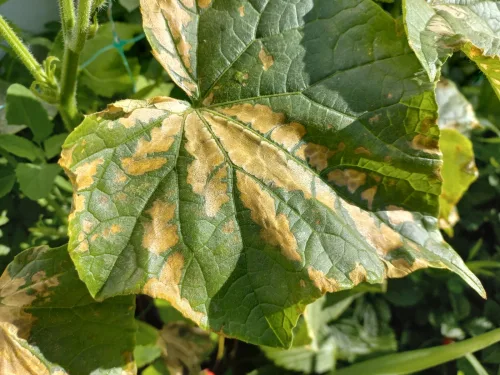
Yellowing cucumber leaves have a clear cause and with the right response plants recover quickly
Cucumber leaves turn pale and yellow when the plant is under stress—most often from watering mistakes, nutrient imbalance, or sudden temperature swings. Spot the pattern early and you can restore growth and protect your harvest fast.
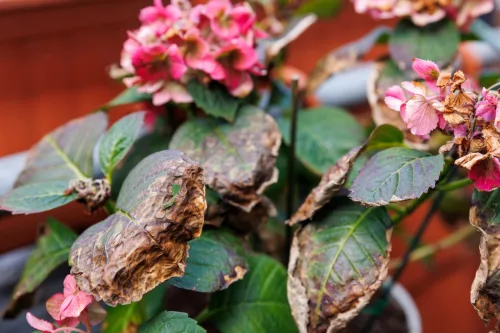
How to Get Browning Hydrangeas Back on Track Without Chemicals
Brown leaf edges or spots on hydrangeas usually point to a simple mismatch in light, watering, or airflow rather than a lost cause. Learn how to read the symptoms and restore your shrub quickly with gentle, practical fixes.
Turn Ground Cinnamon Into a Secret Weapon for Stronger, Tougher Plants
Ground cinnamon isn’t just for baking—it can help protect houseplants and garden plants from mould and fungal issues, support cuttings, and even act as quick first aid for minor wounds. Used lightly, it’s an affordable, gentle, natural add-on to good growing practice.
Comments (0)
Be the first to comment.