
 English
  Polski
  Deutsch
  Nederlands
  Svenska
  Norsk
Norsk  Dansk
Dansk  Français
  Italiano
  Español
  Português
  Slovenčina
  Suomi
Suomi  Gaeilge
 The Secret to a Big Strawberry Harvest
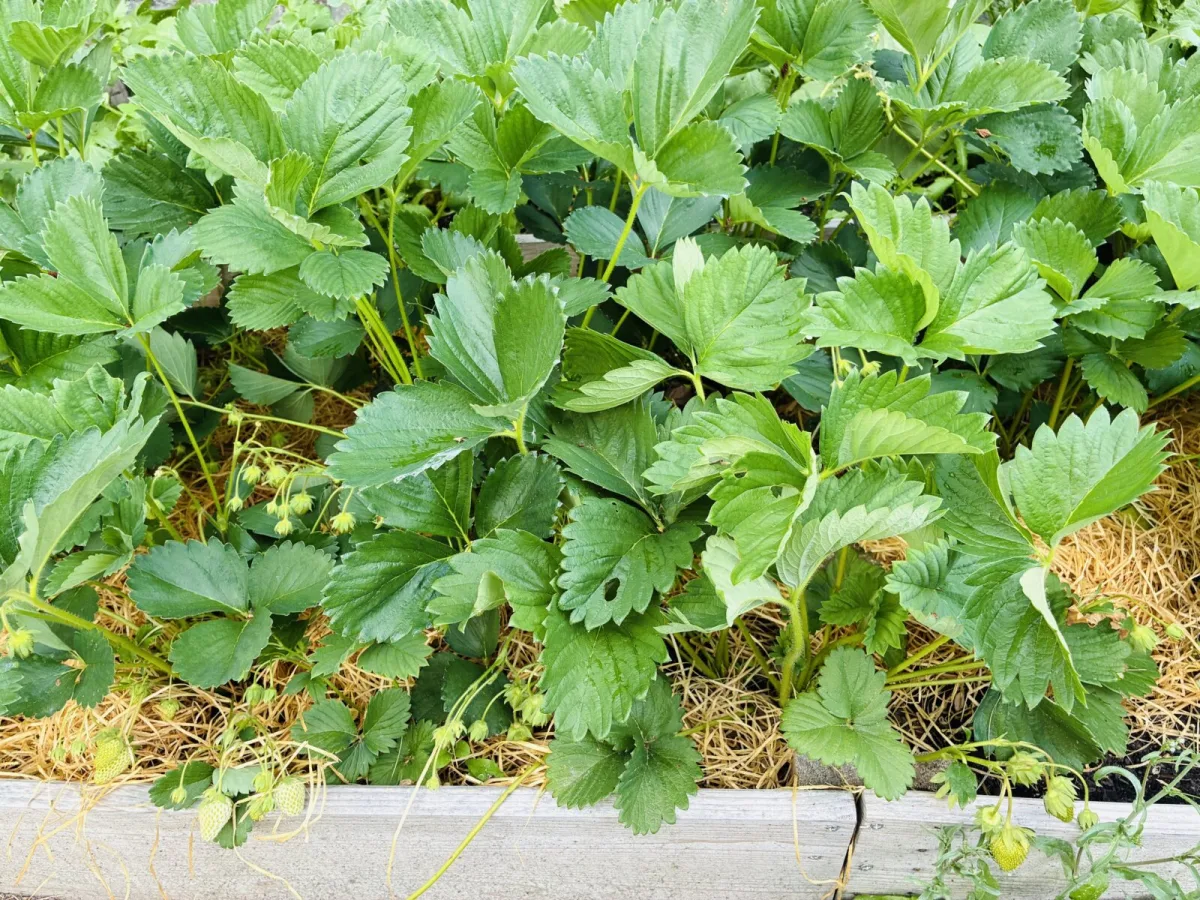
Strawberries are among the most popular soft fruits to grow at home. They’re fragrant, sweet, and freshly picked they taste nothing like shop-bought berries. Even so, many people assume strawberry plants are “maintenance-free”. In reality they’re undemanding, but a few steps are crucial: the right position, correct planting, sensible watering, a clean bed, and prevention of fungal diseases. If you don’t cut corners on these basics, strawberries will reward you not only with a bigger crop, but also with a bed that improves the following year instead of weakening.
Position and soil: the foundation that makes the difference
Strawberries love full sun. The more light they get, the sweeter the fruit and the lower the risk of moulds. The ideal soil is free-draining, preferably a sandy loam that warms up quickly in spring and doesn’t stay wet for long after rain. If your garden is exposed, it helps if plants are at least partly sheltered, because wind dries the soil surface and foliage and increases how often you’ll need to water.
Soil pH is often given as around 6.0 to 6.5. There’s no need to turn it into a science project, but extremes don’t suit strawberries. In very acidic or, conversely, very chalky soil, plants tend to be weaker and take up nutrients less efficiently. More important than an exact number is good soil structure and plenty of organic matter.
Preparing the bed: compost as a simple trick
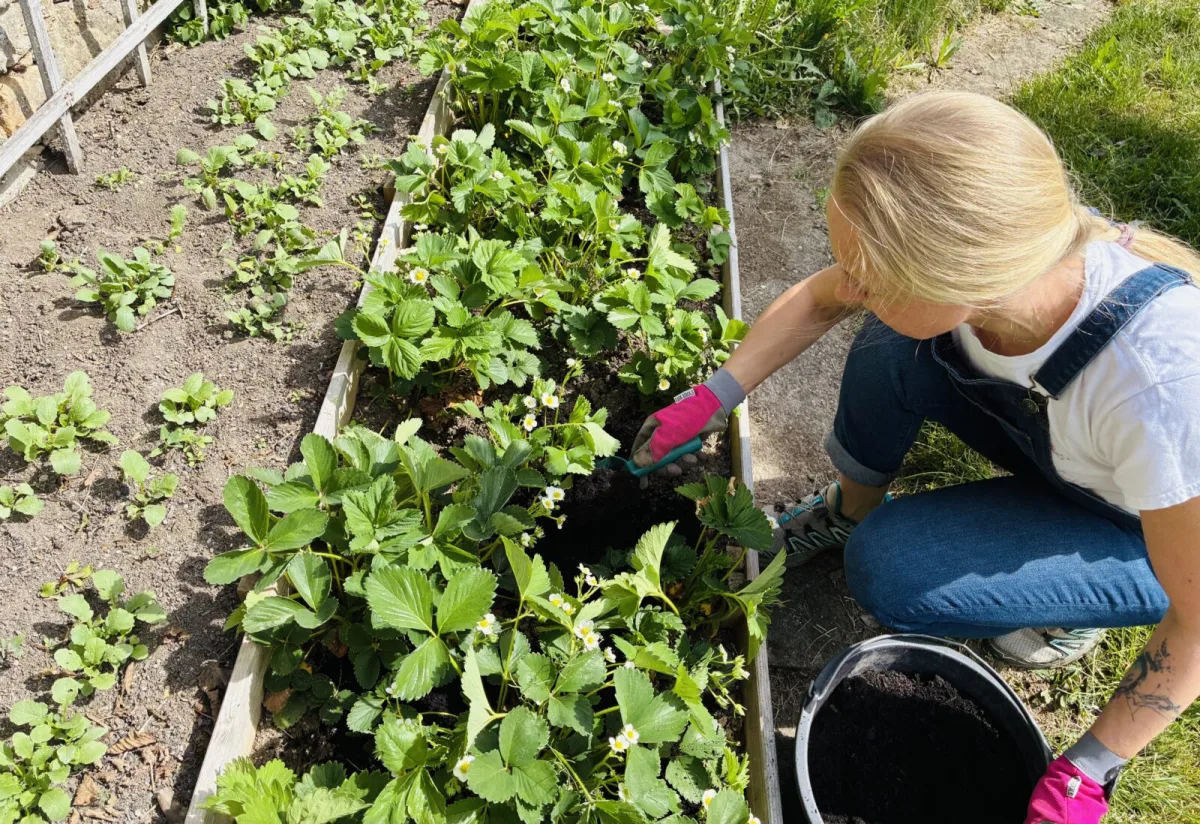
Before planting, it pays to work well-rotted compost into the soil. A reliable approach is to mix a layer a few centimetres deep into the top of the bed, so the roots get off to a strong start in a loose, living soil. Compost doesn’t just supply nutrients; it also helps regulate moisture and supports beneficial soil microorganisms. That matters a lot for strawberries, because they don’t have a deep root system and suffer when conditions swing quickly between waterlogging and drought.
Choosing the type of strawberry plant and what to expect from the crop
When you’re planning, it helps to know that different types of strawberry behave differently. June-bearing varieties produce their main crop in a short window, often in the year after planting, and are ideal if you want a big batch for preserving. Ever-bearing and so-called day-neutral types can crop more continuously, often from summer into autumn, and are excellent if you want strawberries for snacking over a longer period. In practice, a mix is often best, because you get a generous main harvest plus a later bonus.
Planting: the make-or-break detail is the crown height
The most common mistake with strawberries is planting depth. Getting it right is critical: the crown (the “heart” of the plant) should sit level with the soil surface. Planting too deep can lead to rot and a higher risk of crown rot. Planting too shallow exposes the roots, which then dry out, and the plant struggles to establish.
The practical method is simple. Dig a hole and make a small mound in the centre. Gently spread the roots over it so they’re not bent or cramped, then backfill so the crown ends up exactly “halfway” between roots and leaves. Firm the soil lightly and water in to settle it and remove air pockets.
Watering: neither drought nor wet feet
Strawberries don’t like drying out completely, especially during flowering and fruit set. At the same time, they don’t tolerate waterlogging well, because standing water around the roots and crown encourages rots. The goal is even moisture. Water less often but thoroughly, and if possible direct water to the roots rather than over leaves and flowers. Wet foliage in the evening is an open invitation to fungal disease.
Weeds and spacing: why strawberries hate competition
Strawberries are shallow-rooted, so they’re easily outcompeted by weeds, especially perennial ones. Keep the bed clean, but hoe carefully so you don’t damage the roots. It’s also important to give plants enough space for air to move through. An overcrowded patch may look “lush”, but it often means more disease and smaller berries.
Mulch: fruit protection and disease prevention
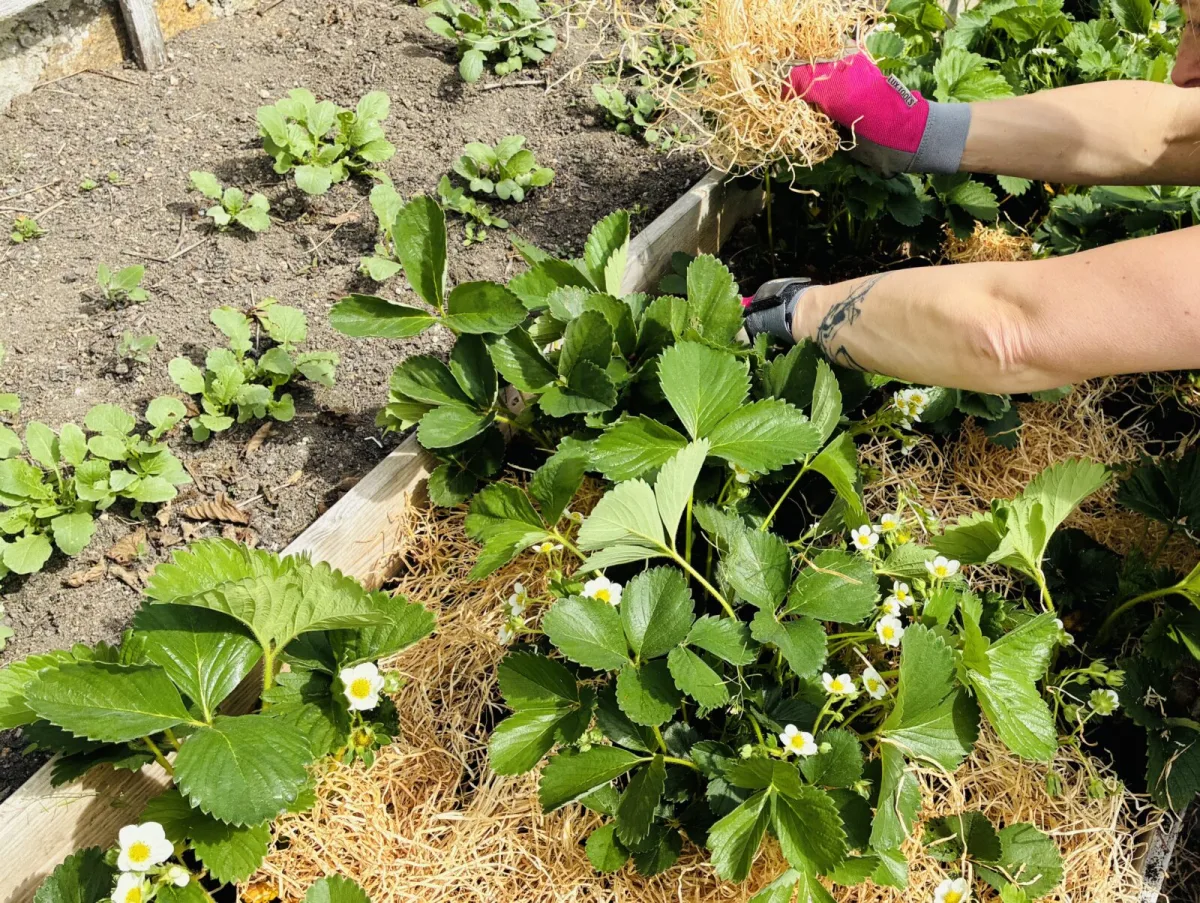
Mulching is one of the most important steps in strawberry care. A layer of composted mulch or other clean organic material helps conserve moisture, suppress weeds, and most importantly keeps the fruit off wet soil. It also reduces the splashing of dirt and fungal spores onto flowers and later onto fruit when you water or when it rains. Soil splash is a common route for infection to reach blossoms and then berries.
Botrytis and other moulds: how to make life harder for them
The classic strawberry menace is grey mould, botrytis. You’ll recognise it by the grey, “fluffy” growth on fruit, which quickly softens and rots. Spores often survive on old leaves and plant debris on the soil surface. That’s why it’s worth removing dead leaves as you go, not leaving overripe fruit in the patch, and keeping the plants open and airy.
The simplest mould prevention is a clean bed, mulch, and picking on time.
Sensible watering also helps, avoiding unnecessary wetting of leaves and flowers. If mould returns regularly, look closely at whether the plants are too crowded, whether the bed gets plenty of sun, and whether berries are sitting directly on the soil.
Harvest gently and often
Don’t tug the fruit, as it’s easy to damage the stem and the plant itself, and to bruise the berry, which then moulds quickly. It’s better to pinch the fruit off gently, ideally with a short piece of stalk attached. Pick frequently and don’t leave overripe or rotting berries in the bed. It’s not just about looks, but about plant health, because diseases spread fastest from overripe fruit.
Growing in containers: when it makes sense
Strawberries can also be grown very successfully in pots, window boxes, or hanging baskets. The advantages are cleaner fruit, fewer slug problems, and the option to keep strawberries close to the house. The key is to monitor watering carefully, because containers dry out faster, and to give roots enough space. If the root zone is too cramped, plants will run short of nutrients and the berries will be small. Hanging baskets are especially handy because you can pick “as you pass”, and the fruit suffers less from contact with soil.
A simple reward: how to enjoy strawberries at their best
A fresh harvest is the best reason not to neglect the basics. If you want to bring out the flavour without fuss, simply rinse the strawberries, remove the stalks, slice them and lightly sprinkle with fine sugar. In a covered bowl in the fridge, they’ll release juice and within a few hours you’ll have a natural syrup that’s wonderful over yoghurt or pancakes. And very often there’s no “storage” to worry about anyway, because the bowl is gone the same day.
The most important care steps
If you only remember a few points, make them these: sun and free-draining soil, compost when preparing the bed, correct crown height at planting, even watering without waterlogging, a clean and airy patch free of weeds, mulch as a barrier between soil and fruit, and regular harvesting. With that, strawberries will delight you not for just one season but again and again, because a healthy strawberry bed can reward you more each well-managed year.
Source: Fine gardening, Rhs , Pestrazahrada.cz
Related articles
Next year you can harvest better if you don’t sow carrots where they won’t thrive
Carrot root fly can ruin carrots, parsley and celery from the inside out, often without obvious warning until harvest. Better site choice, rotation, later sowing and simple physical barriers can dramatically cut damage next season.
How to Propagate Roses from Cuttings at Home and Fill Your Garden with Blooms Almost for Free
Want more roses without paying for new plants? With a few healthy cuttings and a simple plastic-bottle mini greenhouse, you can root new bushes at home in just a few weeks.
Heathers can cope where other plants won’t, but one soil detail decides everything
Heathers and heaths are tough evergreen shrubs that can flower across the seasons when you choose the right types. Success hinges on matching the plant to your soil pH and ensuring free drainage.
Comments (0)
Be the first to comment.