Grow Garlic at Home Without a Garden Using a Plastic Bottle
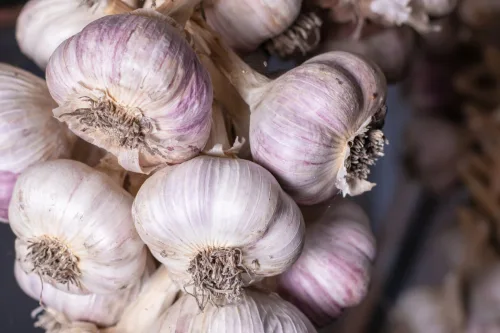
You can pre-sprout garlic quickly at home using nothing more than a plastic bottle and water. In just a few days you’ll see roots and green shoots, ready to pot on into compost.
Root vegetables demand careful timing, soil preparation and steady moisture to develop straight, well-sized roots. These practical tips help you avoid the most common pitfalls and grow a better, longer-storing harvest.
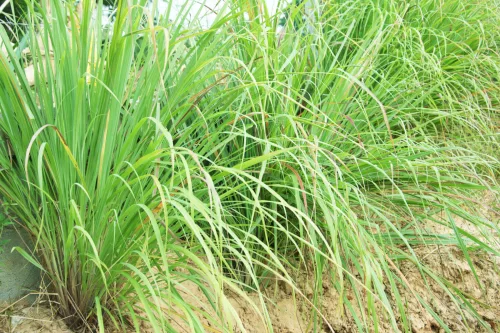
Ornamental grasses bring movement, texture and long-season interest to beds and containers. Learn how to choose the right type for your site, plant at the best time and keep them looking great with minimal maintenance.
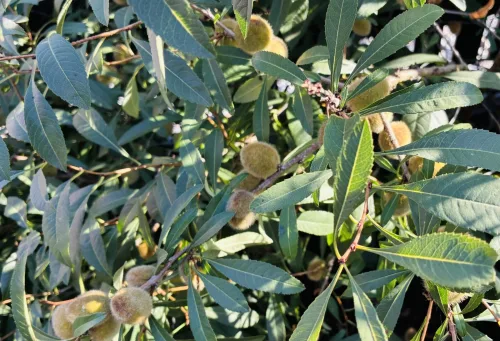
Nut trees and shrubs can give you a dependable harvest as well as shade, spring catkins, and wildlife value. Choose species that suit your space, pollination needs, and local frost risk for the best results.
A raised bed works best when it’s built in layers, not filled to the brim with heavy garden soil or costly bagged compost. Use smart materials from the bottom up to improve drainage, steady moisture, and feed plants gradually.
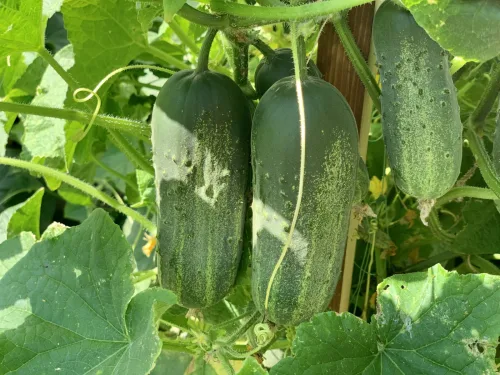
Cucumbers quickly slow down when conditions turn cool or unsettled, often showing pale leaves and weaker flowering. A simple yeast feed can perk plants up, supporting greener growth and better cropping when used correctly.
Geraniums can flower for months, but only when light, watering and pinching are balanced. Use a few proven techniques to keep plants compact, vigorous and continuously budded right through autumn.
Aphids can overwhelm young shoots and leaves in no time, but you don’t have to reach for harsh chemicals straight away. These simple homemade sprays can help keep colonies in check when applied regularly.
Winter leaves patios, paths and driveways stained with grit, moss and greasy marks. Choose the right cleaning method for your surface and avoid common mistakes that quietly ruin paving and joints.
Even a small balcony can produce an impressive amount of fresh veg, but containers come with their own set of challenges. Here are the most common problems and practical ways to prevent them so you can harvest more from less space.
Healthy-looking peonies that keep making leaves but never bloom are usually reacting to planting depth, lack of sun, or overly nitrogen-rich feeding. Fixing the underlying cause often brings them back to reliable flowering over time.
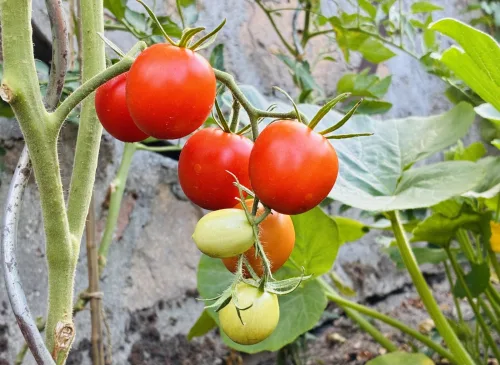
May is prime planting time for warm-season crops. Learn where tomatoes, cucumbers and peppers thrive, which companions to choose, and how to plant and care for them for a healthier harvest.
Currants are dependable, productive shrubs, but pests and diseases can take hold fast if you miss the early signs. With timely checks, good pruning and a few targeted, gentler treatments, you can keep plants healthy and crops high through harvest.
Moss may look like a soft green carpet, but in a lawn it nearly always signals weak turf and poor growing conditions. Learn how to remove it effectively and prevent it from coming back by improving the health of your grass.
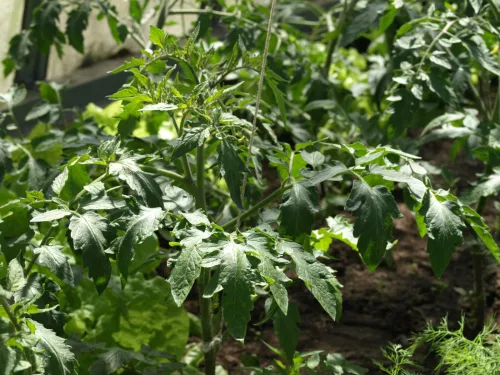
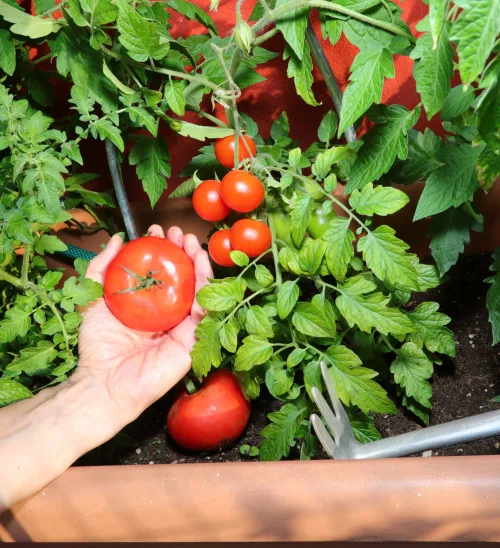
Tomatoes can be remarkably easy to grow when you support them with a few timely, practical steps. These nine proven tips improve pollination, strengthen roots and help keep plants healthy for a bigger, sweeter crop.
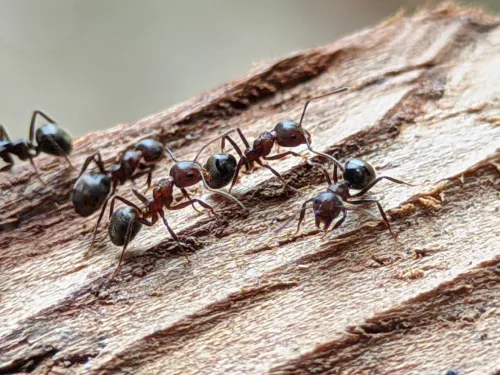
Ants and aphids form a surprisingly effective partnership based on sugary honeydew. In the garden, this alliance can make aphid outbreaks harder to control unless you support natural predators and disrupt ant traffic.
Woody, fibrous or cracked kohlrabi isn’t just the result of late harvesting. Most often it’s a stress response to uneven moisture and low light during growth.
Lavender is a sun-loving, drought-tolerant shrub that rewards you with beautiful blooms and a clean, calming scent. Learn how to plant it, prune it correctly, and harvest and dry the flowers for use at home.
Rhododendrons reward good care with spectacular spring blooms, but they are unforgiving of the wrong soil, poor drainage, and harsh exposure. Learn the common care mistakes that cause yellow leaves and weak flowering—and how to fix them.
Strawberries are a magnet for insects, slugs and birds, but you can keep damage to a minimum without harsh sprays. The key is layered prevention, regular checks and quick, targeted action.
Pumpkins love warmth, rich soil and space—so timing and bed preparation make all the difference when sowing straight into the ground. Follow these practical steps to get quick, reliable germination and a strong harvest from summer through autumn.
Asparagus is one of the most rewarding edible perennials, producing tender spring spears for 10–15 years when given the right start. Learn how to choose the site, prepare the soil, plant crowns, and harvest without weakening the plants.
Homegrown beetroot has outstanding flavour and is packed with valuable nutrients, and it’s easy to grow if you get the sowing right. Choose a sunny site, wait until the worst frosts have passed, and sow into warm, well-prepared soil through to early June.
Turn a 2-litre plastic bottle into a simple self-watering planter for tomatoes, herbs, and leafy greens. The wick-fed reservoir keeps moisture steady and cuts down on daily watering.
Brown leaves on rhododendrons after winter are most often caused by frost damage or winter desiccation. If you suspect dog urine, act quickly by flushing the soil and protecting the shrub from repeat visits.
Peas are a spring staple with a sweet flavour, quick growth and plenty of kitchen uses. With the right spot, timely sowing and basic care, they’ll reward you with crisp, juicy pods.
Growing carrots from seed is easier than you might think, and homegrown roots are often sweeter and juicier than store-bought. Follow these practical tips on sowing, thinning, watering and harvesting for straight, well-flavoured carrots.
Geraniums will flower far more freely when they get the right balance of light, watering and feeding. Try a simple yeast-based homemade feed, used sparingly, to encourage buds and keep plants vigorous all season.
A north-facing balcony can leave plants short on usable light, leading to weak growth and fewer flowers. A simple reflective surface can bounce daylight back onto foliage and noticeably improve results without expensive kit.
Currants are usually easy-care shrubs, but prolonged dry spells in May can quickly cut yield and berry quality. With targeted watering, mulching, timely aphid control and potassium feeding, you can hold onto the fruit set right through to harvest.
You don’t need pricey fertilisers to boost strawberries—ordinary yeast can noticeably strengthen plants and improve flowering and fruit size. Used correctly, it supports healthier, more productive strawberry beds with less reliance on chemicals.
Lilacs are spring showstoppers with richly scented flower panicles and surprisingly low demands. Learn how to choose the right species and variety, where to plant it, and how a little pruning keeps it blooming well for years.
Edible flowers can elevate everyday cooking with colour, fragrance and delicate flavour, while also supporting pollinators in the garden. Learn which blooms are reliable, how to grow them safely, and when to harvest for the best taste.
Lilacs set next year’s flower buds on last year’s growth, so what you do right after they finish blooming matters. Remove spent flower heads promptly and prune lightly and thoughtfully to keep the shrub vigorous and floriferous.
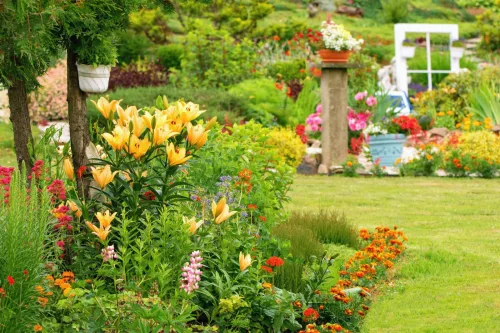
A border that stays colourful from early spring until autumn doesn’t happen by accident. With the right mix of bulbs, perennials and annuals, you can bridge flowering gaps and keep the display going for months.
Tomatoes are heavy feeders, and what you add to the planting hole can make a real difference to rooting, vigour and yield. Here are practical, garden-tested options for better growth, more flowers and fewer problems.
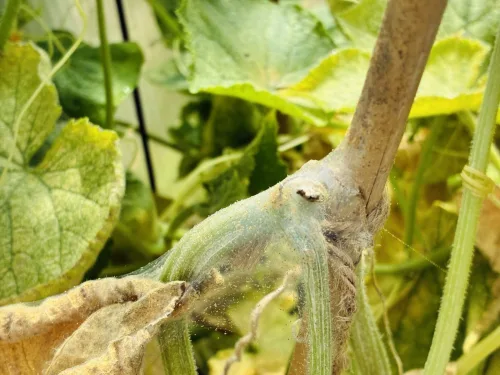
Cucumbers can succumb to fungal diseases fast, but smart prevention and the right companion plants can significantly reduce mildew pressure. Garlic, aromatic herbs, and calendula help create a healthier, airier growing environment.
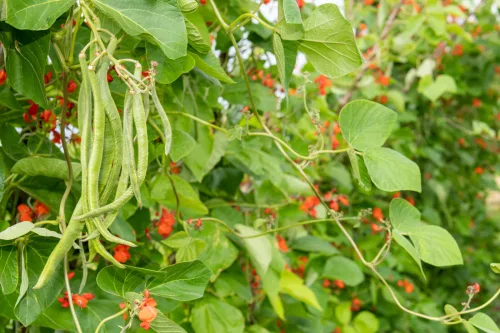
Beans are one of the most rewarding home-grown crops, whether you’re sowing a few pots on a balcony or filling a whole bed. With the right spot, steady moisture, and sensible care, you can harvest tender pods or dry beans over a long season.
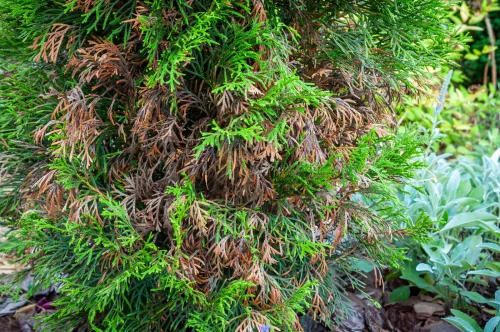
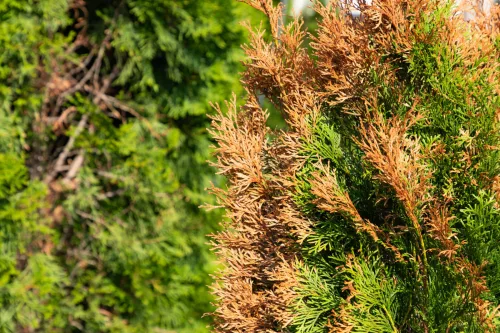
Brown patches on arborvitae hedges can have several causes, from drought stress and poor pruning to pests, fungal dieback, or root problems. Learn how to pinpoint what’s happening and keep your hedge dense, healthy, and reliably green year after year.
Hardy geraniums (cranesbills) are reliable, frost-hardy perennials that form dense, weed-suppressing groundcover and flower for months. Choose the right species for sun, part shade, or dry spots under trees and you’ll get long-lasting colour with minimal care.
Birch can light up a garden with striking bark and golden autumn colour, but choosing the right species makes all the difference. Learn which birch fits your space and how to plant and care for it so it thrives for years.
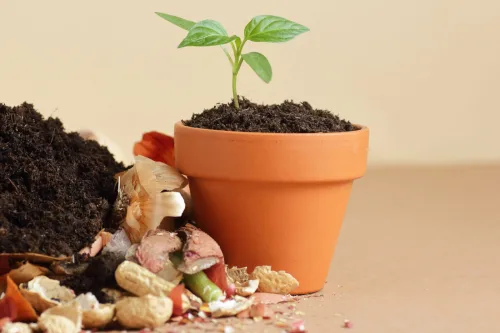
Natural feeding is back in favour, and many everyday kitchen scraps can nourish your vegetables surprisingly well. Use the right organic material for the right crop to boost growth, improve soil, and increase harvests without synthetic products.
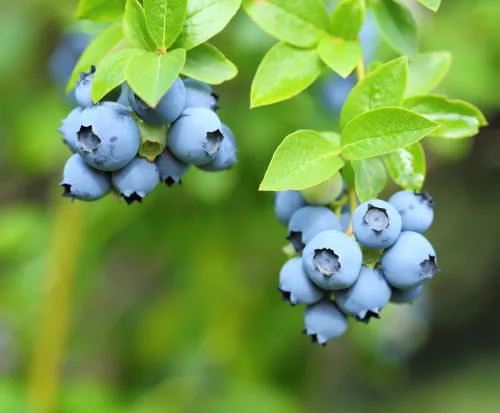
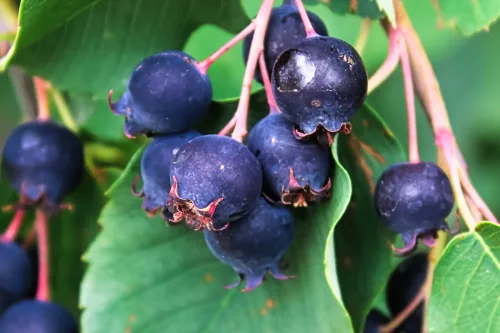
Aronia, also known as black chokeberry, is a tough, low-maintenance shrub that produces antioxidant-rich berries. With the right siting and a good start after planting, it will crop reliably for years.
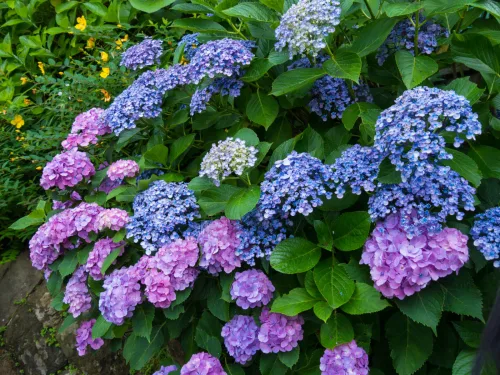
Hydrangeas are adaptable shrubs that reward you with lush flowers from summer into autumn. Get the basics right—site, watering and the correct pruning timing—and they’ll thrive for years.
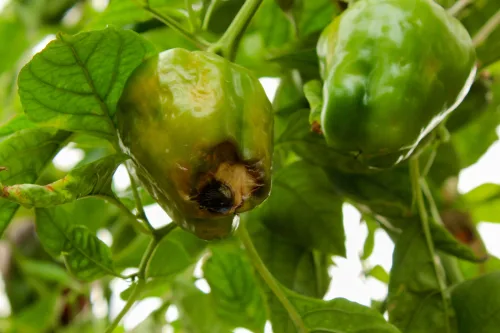
Peppers reward you with a long, colourful harvest when you give them steady warmth, sun and consistent watering. These practical tips will help you choose the right variety, raise strong plants and set fruit reliably in a greenhouse, bed or container.
In spring drought, fruit trees need consistent deep watering during flowering and fruit set. Getting the timing and amount right has a direct impact on fruit size, juiciness, flavor, and the tree’s overall vitality.
Composting turns garden and plant-based kitchen waste into rich organic matter that improves soil structure and fertility. Learn where to place your compost bin, how to balance materials, and how to troubleshoot common problems.
Boxwood is one of the most versatile evergreen shrubs, valued for its dense foliage, year-round colour and excellent tolerance of clipping. Learn where it thrives, how to plant it correctly and how to keep it healthy and well-shaped for years.
Daily watering is one of the most common mistakes with seedlings, often leading to weak roots and rot. Learn how to judge moisture correctly and water in a way that supports sturdy, resilient plants.
A community garden gives you space to grow vegetables, herbs, fruit, and flowers even if you live in a flat. Done well, it also becomes a welcoming neighbourhood hub that strengthens relationships and improves the local microclimate.