
 English
  Polski
  Deutsch
  Nederlands
  Svenska
  Norsk
Norsk  Dansk
Dansk  Français
  Italiano
  Español
  Português
  Slovenčina
  Suomi
Suomi  Gaeilge
 Geraniums Will Bloom to Their Fullest This Year
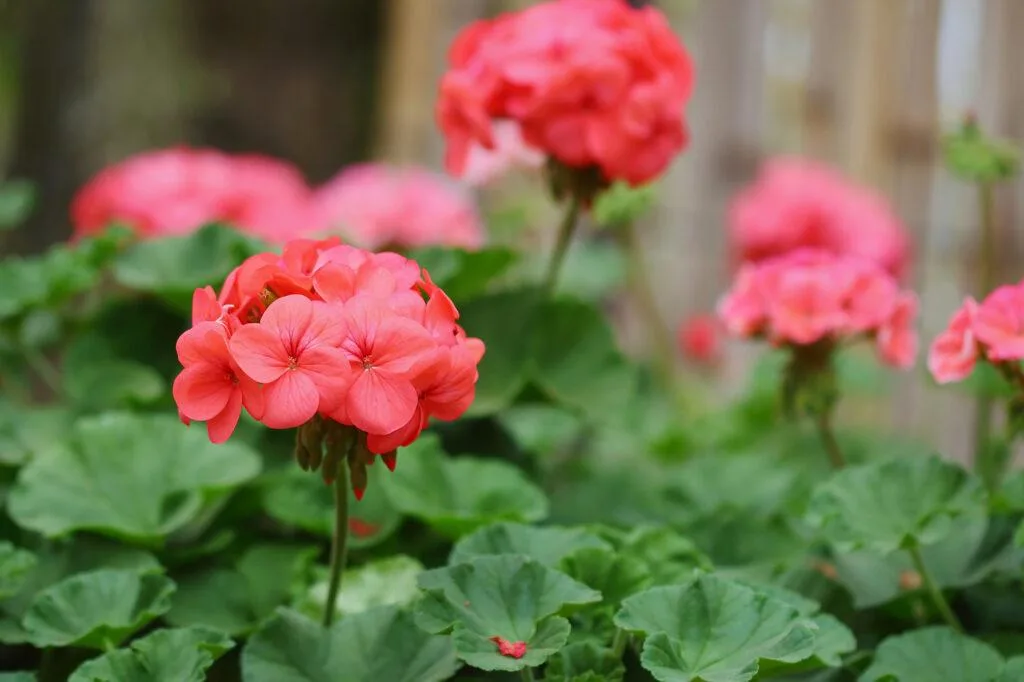
In spring, garden centres are packed with geraniums, but it pays not to treat the choice lightly. You can spot a healthy young plant straight away. The leaves should be deep green, firm, and free of spots, which often point to an emerging disease or pest problem. The plant should look compact, with no limp parts, and even if you can’t see into the pot, it must sit firmly in the compost and not wobble. A good start is exactly what decides whether your window boxes are full of flowers in summer, or just foliage.
Don’t put off repotting and give them room
Once you get them home, it’s best to move geraniums into their final window boxes as soon as possible. Even small plants need space because they grow quickly and soon fill the entire container. After repotting, they benefit from a calmer spell in warmth so they can root in well. A suitable spot is one with a steady temperature around 20C, where they won’t be exposed to draughts or sudden weather swings.
Drainage is essential; without it the roots suffer
Geraniums don’t tolerate constantly wet roots, so it’s important that excess water has somewhere to drain. Put a drainage layer in the bottom of the window box, for example expanded clay pellets or broken pieces from old pots. This prevents water from sitting around the roots and helps the compost breathe. Waterlogging is a common reason for yellowing leaves and weaker flowering.
Where to place geraniums so they truly flower at their best
Geraniums love light, but extreme, baking sun tends to do more harm than good. On a scorching south-facing balcony, the compost dries out quickly and the plant then puts most of its energy into survival instead of forming buds. The ideal is a bright place where the sun hits only part of the day, for example in the morning or later in the afternoon. A good compromise is light shade, where they still get plenty of light but aren’t exposed to the highest temperatures all day.
Shelter helps, especially with trailing varieties
Another important factor is wind. Strong gusts can snap more brittle stems, and trailing types are particularly sensitive to mechanical damage. If you choose a protected spot for your geraniums, they’ll reward you with more even growth and a neater shape. In shelter, it’s also easier to maintain consistent compost moisture because containers don’t dry out as quickly.
When to put them outside and why the ten-degree rule matters
Don’t rush to move them out onto the balcony or into the garden. The traditional timing around the May cold snaps still makes sense. It’s safest to put geraniums outside only once night-time temperatures stay consistently above 10C and there’s no risk of morning frost. Cold slows plants down, can damage young tissue, and typically results in a slower start to the season.
Hardening off as a gentle preparation for outdoor conditions
If you want to get geraniums ready for life outdoors sooner, gradual hardening off helps. About a week before their final placement, you can put them outside during the day in the shade so they get used to moving air and the change in environment. At night, however, keep bringing them back into warmth. This approach reduces the risk of shock from a sudden shift in conditions.
Watering without mistakes and small tricks for more flowers
It’s best to water thoughtfully. The compost should be lightly moist, but never left waterlogged for long periods. The best time to water is in the morning or evening, when the sun isn’t intense. It’s not a good idea to pour water over the leaves in full sun, because droplets can scorch the tissue. Regular but moderate watering is one of the biggest differences between average geraniums and truly showy ones.
When and how to use iodine to encourage bud formation
Alongside normal feeding, you can occasionally reach for a simple supportive option that growers often mention as a stimulus for bud formation. Iodine is added to the watering can at a very low concentration, typically one drop per litre of water. The key is not to overdo it and to treat it as an extra, not a replacement for balanced nutrition. It tends to make the most sense at the point when geraniums are gearing up for heavy flowering and need support for the next flush of buds.
Removing spent blooms extends the season
For abundant flowering, it’s essential to pinch off faded blooms regularly. Once a flower withers, the plant would otherwise invest some of its energy into seed production. If you remove the spent parts as you go, the geranium focuses on setting new buds and flowering is noticeably longer and fuller. This simple habit often makes a bigger difference than one-off miracle products.
Source: Plant Addicts, Gardening Know How, Pestrazahrada.cz

A lover of nature, gardens, and everything that moves, blooms, or grows. He literally grows everything, from herbs to rare species, and he enjoys caring for animals just as much. In his work, he connects modern technology with tried-and-tested grandmotherly methods and is happy when both paths lead to the same goal.
Related articles
Next year you can harvest better if you don’t sow carrots where they won’t thrive
Carrot root fly can ruin carrots, parsley and celery from the inside out, often without obvious warning until harvest. Better site choice, rotation, later sowing and simple physical barriers can dramatically cut damage next season.
How to Propagate Roses from Cuttings at Home and Fill Your Garden with Blooms Almost for Free
Want more roses without paying for new plants? With a few healthy cuttings and a simple plastic-bottle mini greenhouse, you can root new bushes at home in just a few weeks.
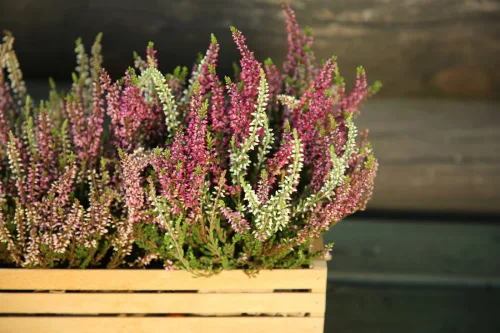
Heathers can cope where other plants won’t, but one soil detail decides everything
Heathers and heaths are tough evergreen shrubs that can flower across the seasons when you choose the right types. Success hinges on matching the plant to your soil pH and ensuring free drainage.
Comments (0)
Be the first to comment.