
 English
  Polski
  Deutsch
  Nederlands
  Svenska
  Norsk
Norsk  Dansk
Dansk  Français
  Italiano
  Español
  Português
  Slovenčina
  Suomi
Suomi  Gaeilge
 You Can Sow Dill Almost Anytime, Depth and Site Matter Most
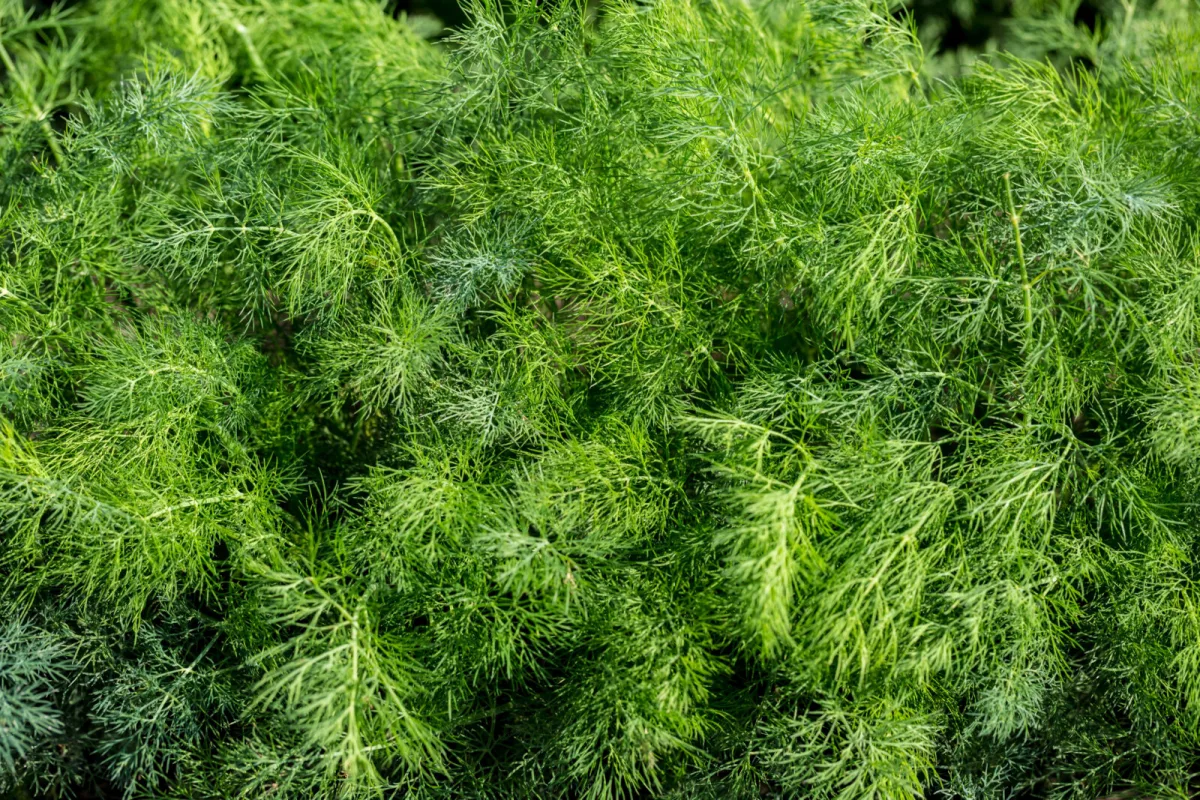
Garden dill is one of the most rewarding vegetables and herbs to grow, and it fits into almost any bed. In the kitchen it’s prized for its strong aroma and flavour, and it also contains a range of vitamins. It’s practical from a growing standpoint too, because its presence can benefit nearby plants and help reduce certain diseases and pests. It grows well in beds, but it will also do fine in containers as long as it has enough root room.
When to sow dill during the year
In spring you can start sowing from about mid-April, typically around 15 April, once the soil is gradually warming up. Dill is one of the few crops that can be sown almost all season. If you want to harvest continuously, it pays to repeat sowings regularly, ideally every 2 to 3 weeks. That way you’ll have fresh leafy growth for longer and you’ll reduce the risk that part of your sowings fail due to the weather.
April can be risky because, after germination, even light late frosts can damage young seedlings. In August, on the other hand, drought and high temperatures can be the problem; dill bolts quickly in heat and gives you less usable leaf. An autumn sowing is done from about mid-October, roughly from 15 October, aiming for a very early harvest the following year. In mild winters, it’s possible to sow even in winter as long as the soil isn’t frozen.
Sowing in May for flowers
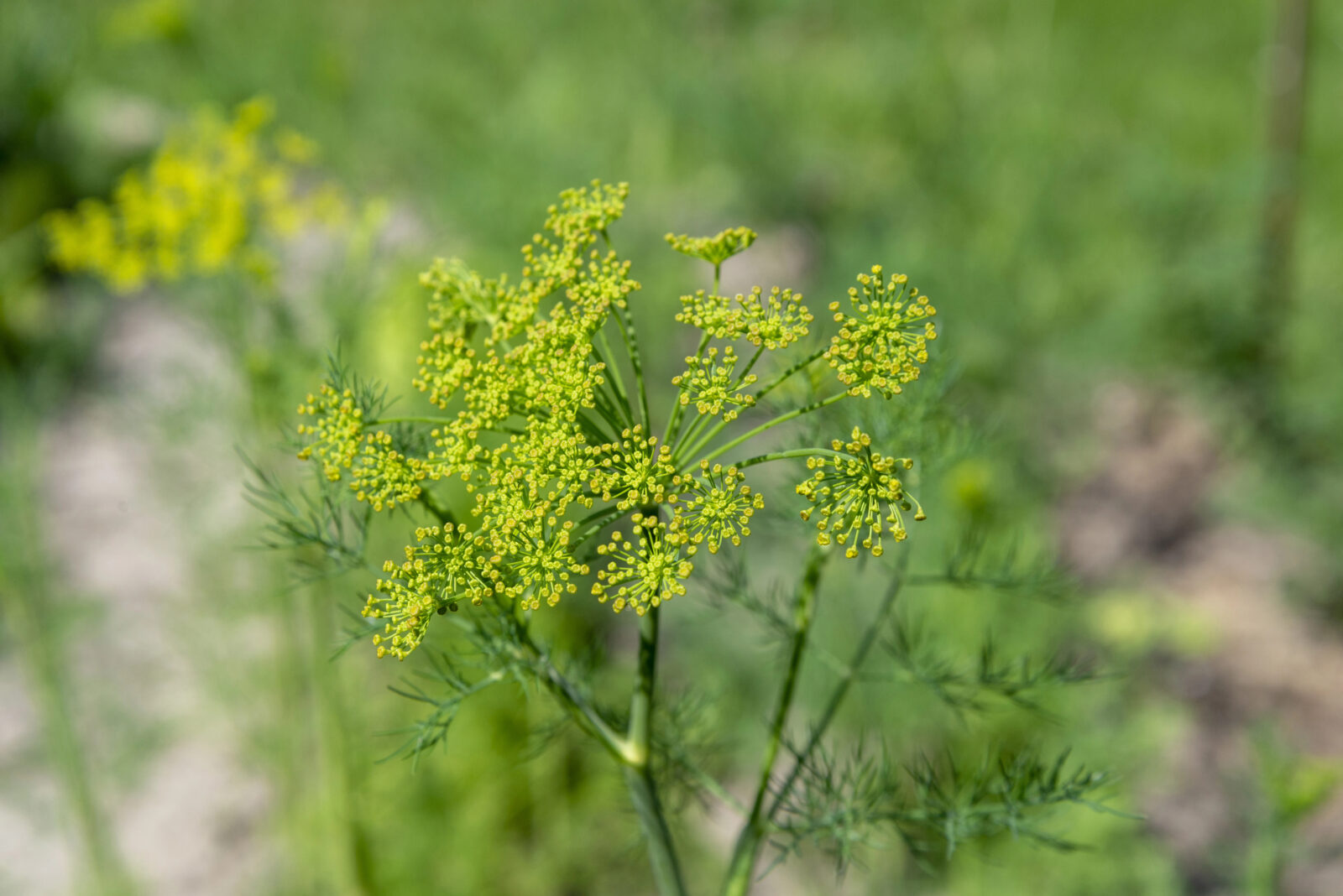
If you mainly need dill for its flowers and umbels, for example for pickling or fermenting cucumbers, the most reliable sowing time is May. At this time the plant usually has suitable conditions for growth and for setting flower heads later on.
How deep to sow the seeds
Dill seeds are relatively large and flat, so they’re easy to handle. The most common recommendation is to sow about 1 to 2 cm deep. Sowing too deep slows emergence and increases the risk of uneven or weak plants, while sowing too shallow can lead to the seeds drying out in warmer weather.
Where to place dill and what site to choose
Dill is best sown directly where it will grow to maturity, straight into open ground, in a sunny position. In the vegetable garden it has a firm place, because other crops often benefit from being grown nearby. One interesting option is to sow dill along the row with cucumbers, where it can support better emergence and overall healthier growth.
Growing in containers is also possible, but choose a larger pot or window box. As a minimum, a volume of at least 5 litres works well so the root system has enough space and the compost doesn’t dry out too quickly.
How to sow in a bed
In practice, dill is often sown in rows by sprinkling the seeds lightly and evenly, much like salting food. Placing each seed individually would be accurate, but it’s unnecessarily time-consuming. If dill comes up too thickly, simply thin it out, and you can use the thinnings straight away in the kitchen. Spacing between rows is most often about 15 to 30 cm, depending on how much room you want to give the plants.
The second option is broadcasting, where the seeds are scattered over the soil surface and only lightly covered with soil. Some people even leave the seeds uncovered among vegetables because dill self-seeds readily, but then germination is less regular and the result tends to be uneven.
Soil for dill and basic care
Dill isn’t demanding about soil type and usually does fine in ordinary garden soil. It grows best in beds that are in the second to third year after being manured with well-rotted farmyard manure. It also responds very well to soil improved with compost, and it likes a lightly moist substrate that doesn’t dry out. The optimal soil reaction is roughly pH 6.5 to 7, close to neutral.
Germination, temperature, and the risk of frost
Dill germinates best when the soil is at least about 10 °C. The usual germination time is roughly 14 to 20 days, and it can be longer in cooler weather. Seeds can overwinter well in the ground, which is why late autumn sowing also works. Once seedlings emerge, however, even light late frosts can destroy them. They usually tolerate chills just above 0 °C, but problems start when temperatures truly drop below freezing.
If frost is forecast, you can temporarily cover the bed with horticultural fleece, although this won’t always guarantee full protection. The best insurance for a steady harvest is to resow every 2 to 3 weeks, so that part of your sowings always succeeds in ideal conditions.
Source: Niepodlewam, Gardening Know How, Pestrazahrada.cz

A lover of nature, gardens, and everything that moves, blooms, or grows. He literally grows everything, from herbs to rare species, and he enjoys caring for animals just as much. In his work, he connects modern technology with tried-and-tested grandmotherly methods and is happy when both paths lead to the same goal.
Related articles
The Christmas Amaryllis That Can Bloom for Years but Most People Throw It Away After Flowering
Hippeastrum is a spectacular winter-blooming bulb that, with the right care, will flower again year after year. Learn how to plant it correctly, look after it after flowering, and bring it into dormancy so it reliably reblooms.
How to Grow Winter Garlic for a Much Bigger Harvest
Autumn planting is the key to strong, healthy winter garlic, but the details make all the difference. With the right timing, bed choice, seed-clove treatment and a simple bicarbonate trick, you can noticeably boost yield.
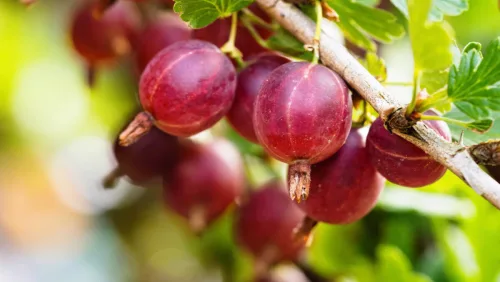
A tree or shrub planted properly in autumn can outpace spring stock and improve fruiting
Many fruit trees and soft-fruit shrubs establish better when planted in autumn, because roots keep growing while the top is dormant. Done well, this head start means stronger spring growth, less watering, and a healthier first year.
Comments (0)
Be the first to comment.