
 English
  Polski
  Deutsch
  Nederlands
  Svenska
  Norsk
Norsk  Dansk
Dansk  Français
  Italiano
  Español
  Português
  Slovenčina
  Suomi
Suomi  Gaeilge
 How to Grow Cauliflower in the Garden for Firm, Tight Heads
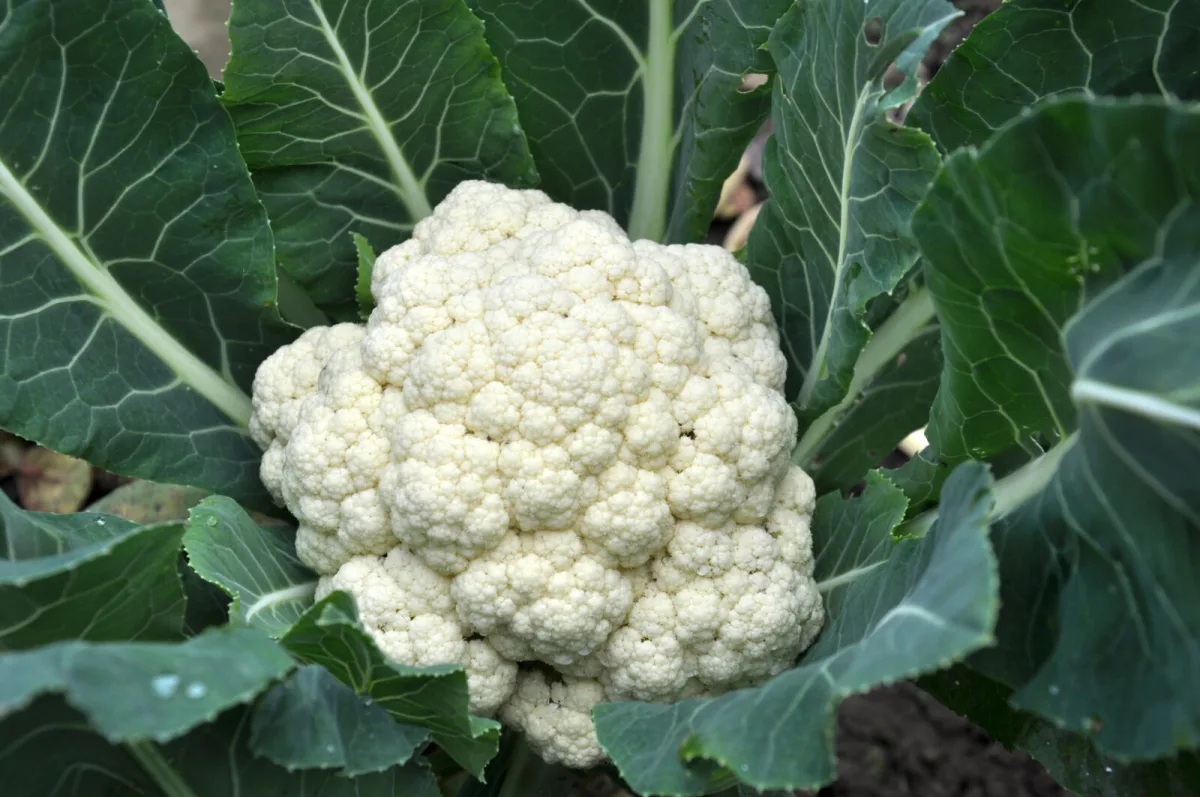
Cauliflower belongs to the brassica family and is botanically known as Brassica oleracea. In the garden it is usually grown as an annual vegetable, although it is actually biennial and only flowers in its second year. In our conditions, however, it typically won’t overwinter in the bed. The edible part is mainly the head (curd), meaning shortened flower shoots, which can be white, green, purple, or orange. The leaves can also be used. Plants are usually about 40 cm tall and carry green foliage.
Site and temperature conditions
A sunny position is essential for success. In shade, heads often fail to develop properly, or may not form at all. Cauliflower does best in moderate temperatures, and long-term fluctuations can set it back. Briefly it can tolerate light frost to about -5 °C, but the heads themselves are more sensitive and can be damaged at around -2 °C.
If temperatures drop below 10 °C, cauliflower may respond by forming very small curds or by bolting early. On the other hand, in heat above 25 °C it tends to make lots of leaves while the heads stay small. That’s why it pays to plan planting so the main head-forming period doesn’t fall in the hottest weather.
What soil is best for cauliflower
Cauliflower needs a fertile, humus-rich soil that holds moisture but doesn’t become waterlogged. Ideal is soil improved with a generous amount of compost. It suits a reaction from slightly acidic to slightly alkaline, roughly pH 6.4 to 7.5. On poor or fast-drying soils it often sets small heads and harvest quality declines.
Sowing and raising transplants
Cauliflower is most commonly grown from transplants. In the cooler part of the year, seeds are sown into pots; in warmer periods you can also use an outdoor cold frame or a nursery bed for raising plants. Sowing dates vary depending on whether you are aiming for a greenhouse crop, growing under fleece, or planting straight into open ground. For very early crops, sowing can start as early as January; standard spring sowings continue from February to May; and for summer or autumn harvests, sow again at the end of May and in the first half of June.
Planting out and where to grow it
It does well in the vegetable garden, in raised beds, in a greenhouse, and in a polytunnel. Planting under horticultural fleece is also useful, as it helps stabilise the microclimate and partly protects against some pests. In general, early and mid-early varieties are harvested fastest, but their heads are usually smaller than those of mid-late and late types.
Watering and maintaining even moisture
Watering should be regular and on the moderate side, but above all consistent. Even though cauliflower has a fairly well-developed root system, it reacts sensitively to drought, and a typical result is small, loose heads. The soil should stay evenly moist, not muddy. Fluctuations in moisture often show up in head quality too.
Feeding and key nutrients
Cauliflower is one of the more nutrient-demanding vegetables, so preparing the bed before planting is crucial. It performs best in the first year after manuring. You can use fresh manure dug in during autumn, or pelleted manure that can be applied in spring as well. During cultivation it’s a good idea to feed roughly every 7 to 14 days, especially in periods of vigorous growth.
In home gardens, slow-release natural feeds such as vermicompost also work well. For the formation of quality heads, trace elements are important too, especially boron and molybdenum. A shortage can show up as poor head development and overall plant stress.
Diseases, pests, and the most common problems
Cauliflower is only moderately resilient and can be troubled by a range of diseases and pests. Diseases include Alternaria leaf spot (black spot), clubroot, or damping-off in seedlings. Often, though, it’s not only pathogens but environmental stress. Lack of water, temperatures that are too low or too high, commonly lead to stunted heads.
Among pests, plants can be damaged by caterpillars, aphids, flea beetles, cabbage root flies and other brassica pests. In beds, grazing by wildlife can sometimes be an issue too, for example hares. That makes prevention, sound crop rotation, and not growing cauliflower repeatedly in the same spot at short intervals all the more important.
Kitchen uses and nutritional benefits
Cauliflower is suitable for boiling, braising, and roasting, and is often used in soups and baked dishes. Thanks to the shape of the florets, it also works well as a decorative element on the plate. Nutritionally, it is valued for B vitamins, as well as vitamins C and K, and minerals such as potassium, iron, magnesium, phosphorus, and zinc. It also contains sulphur, which is responsible for the characteristic aroma during cooking.
Interesting varieties and colourful heads
When choosing, you can go for classic white types as well as colourful cultivars. Popular choices include the purple Di Sicilla Violetto, the white Igloo or Pionier, the decorative yellow-green Romanesco Natalino, or the green Verde di Macerata. Head colour is not only striking, but often adds variety in the kitchen as well.
Origin and practical experience handed down
Cauliflower is thought to originate from the Mediterranean region. In Czech and Polish areas it was already known in the 18th century, and growers noticed it didn’t perform equally well every year. Old gardening knowledge emphasised the value of fresh ground and recommended not planting cauliflower in the same place again until roughly three years had passed. This advice still holds today, because it helps reduce soil fatigue and the pressure of brassica-specific diseases.
Source: Niepodlewam, RHS, Pestrazahrada.cz

A lover of nature, gardens, and everything that moves, blooms, or grows. He literally grows everything, from herbs to rare species, and he enjoys caring for animals just as much. In his work, he connects modern technology with tried-and-tested grandmotherly methods and is happy when both paths lead to the same goal.
Related articles
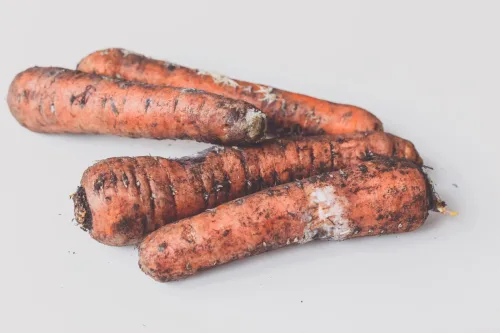
Next year you can harvest better if you don’t sow carrots where they won’t thrive
Carrot root fly can ruin carrots, parsley and celery from the inside out, often without obvious warning until harvest. Better site choice, rotation, later sowing and simple physical barriers can dramatically cut damage next season.
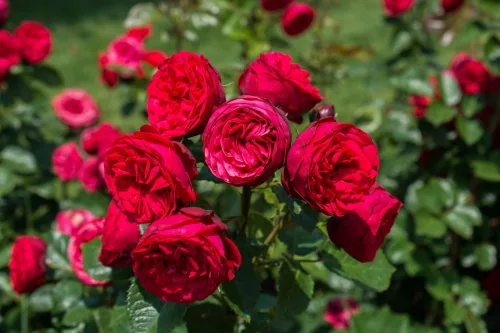
How to Propagate Roses from Cuttings at Home and Fill Your Garden with Blooms Almost for Free
Want more roses without paying for new plants? With a few healthy cuttings and a simple plastic-bottle mini greenhouse, you can root new bushes at home in just a few weeks.
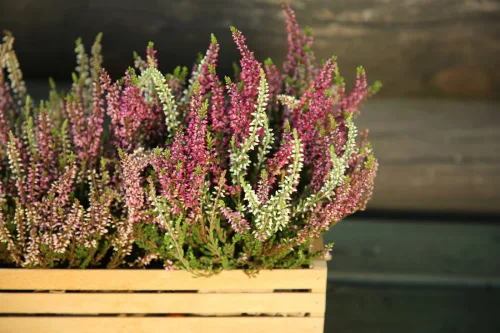
Heathers can cope where other plants won’t, but one soil detail decides everything
Heathers and heaths are tough evergreen shrubs that can flower across the seasons when you choose the right types. Success hinges on matching the plant to your soil pH and ensuring free drainage.
Comments (0)
Be the first to comment.