
 English
  Polski
  Deutsch
  Nederlands
  Svenska
  Norsk
Norsk  Dansk
Dansk  Français
  Italiano
  Español
  Português
  Slovenčina
  Suomi
Suomi  Gaeilge
 Have Experts Been Giving the Wrong Advice for Years The Truth About Tomatoes Will Surprise Many Gardeners
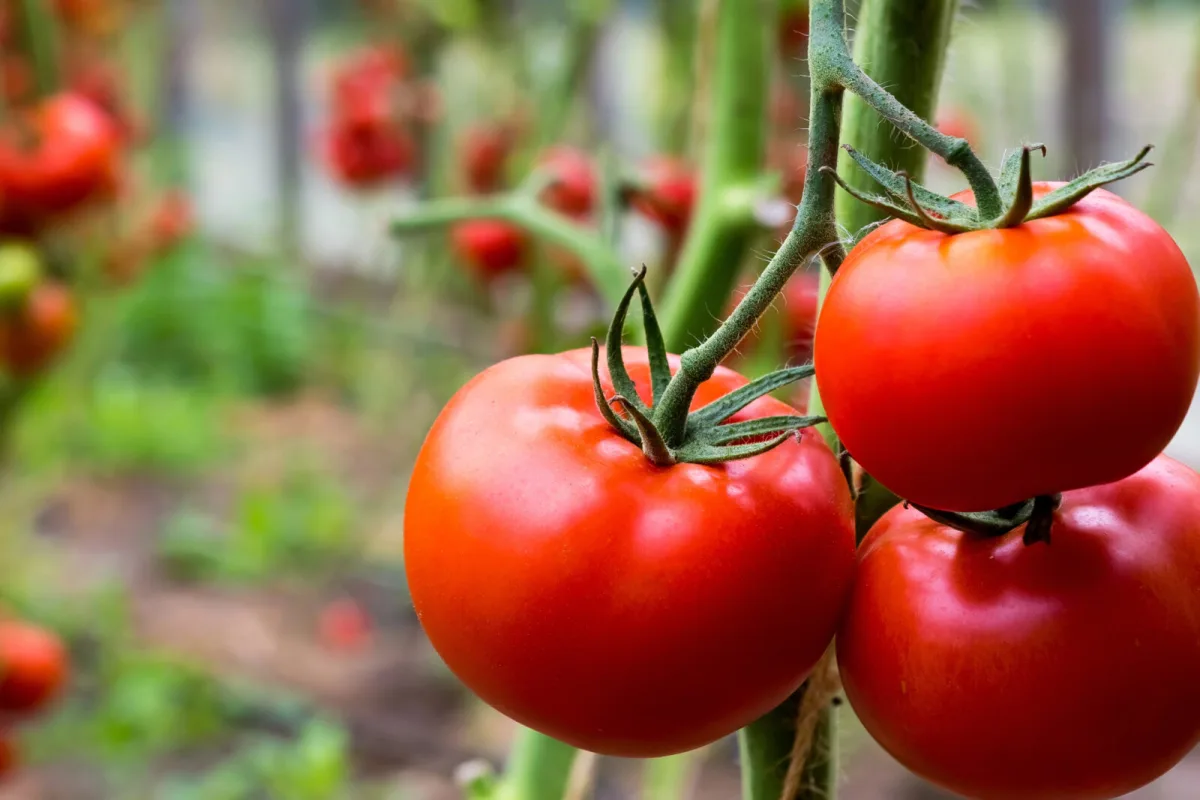
Anyone who has ever grown tomatoes has probably heard dozens of recommendations about where to plant them and what to avoid. Online, that’s followed by another avalanche of how-tos and warnings. The most common advice is repeated again and again: tomatoes need plenty of sun, fertile soil that doesn’t stay waterlogged for long, and enough space to grow. Alongside these basics, though, one rule often pops up that many people treat as gospel: you supposedly must not plant tomatoes in the same spot year after year. In smaller gardens, however, that can be more unnecessary stress than a real necessity.
Why crops are rotated and when it makes the most sense
Crop rotation makes sense from a soil-care perspective. According to standard guidance, it improves nutrient management, prevents one-sided depletion of the soil, helps limit pests and diseases, supports diversity, and can even reduce the risk of erosion. This is hardly a modern invention; farmers around the world have used the principle for centuries. In intensive agriculture, it’s often a key tool for keeping fields in good condition.
Home gardens, however, work differently from large areas planted to a single crop. The difference is mainly scale and the diversity of planting. Where only one species is grown long-term, the same nutrients are repeatedly drawn down and the same pests are encouraged. In beds where several types of vegetables and fruit are grown, pressure on the soil and on pests is often spread more naturally, and the need for strict rotation can be lower.
How wartime recommendations became a gardening rule
What’s interesting is that the strong emphasis on crop rotation spread widely among home growers thanks to historical circumstances as well. In the United Kingdom during the Second World War, the government encouraged gardeners to rotate crops. In the USA at the same time, commercial production without breaks was expanding on one hand thanks to more widely available herbicides, while on the other, so-called Victory Gardens were being established and rotation principles made their way into magazines and educational materials. Many people followed the advice willingly, and over time it became a habit that outlasted the period, even as conditions changed dramatically.
In a small garden, rotation often won’t stop pests or diseases
With home growing, the issue can be that even if you move tomatoes to a different spot, pests usually find them anyway on a relatively small plot. The same goes for diseases, because spores and sources of infection can persist in the garden environment even outside a specific bed. Rotation can then feel like extra work without a matching payoff, especially if you don’t have the option to rotate to a sufficiently distant site.
In a smaller garden, it’s often more effective than strict rotation to focus on soil condition and the ongoing health of the plants.
What to do instead so tomatoes thrive every year
Far more practical is to focus on soil care, especially outside the season. Before you start adding compost, mulch, or fertiliser, it’s worth testing the soil so you know what it lacks and what it already has plenty of. That way you won’t overfeed blindly, and you’ll support steady growth as well as flavour. Tomatoes appreciate balanced nutrition and soil that is both biologically active and well-drained.
A well-planned mix of plants can help too. So-called companion planting can attract beneficial insects that feed on pests that threaten tomatoes. Just as important, though, is keeping an eye on the plants themselves and responding early. When pinching out and pruning, remove dead or infected leaves so the problem doesn’t spread further. Where you put that material is crucial. If plant parts are clearly diseased, they belong in the bin, not on the compost heap, where diseases could persist and return to your beds.
You can rotate, but there’s no need to be afraid of it
Of course, nothing stops you from moving tomatoes now and then if you have the space and want to try it. But there’s no need to panic if you grow them in the same spot for several years in a row. If you keep the soil in good condition, top up nutrients sensibly, limit the spread of disease with good hygiene as you grow, and support natural helpers in the garden, you can achieve reliable, heavy crops even without strict rotation. For many home growers, it’s a simpler—and ultimately more effective—approach.
Source: Mein schöner Garten, Pestrazahrada.cz

A lover of nature, gardens, and everything that moves, blooms, or grows. He literally grows everything, from herbs to rare species, and he enjoys caring for animals just as much. In his work, he connects modern technology with tried-and-tested grandmotherly methods and is happy when both paths lead to the same goal.
Related articles
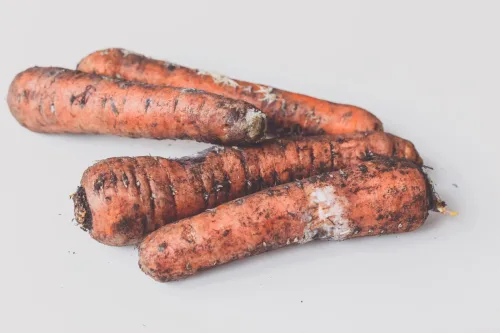
Next year you can harvest better if you don’t sow carrots where they won’t thrive
Carrot root fly can ruin carrots, parsley and celery from the inside out, often without obvious warning until harvest. Better site choice, rotation, later sowing and simple physical barriers can dramatically cut damage next season.
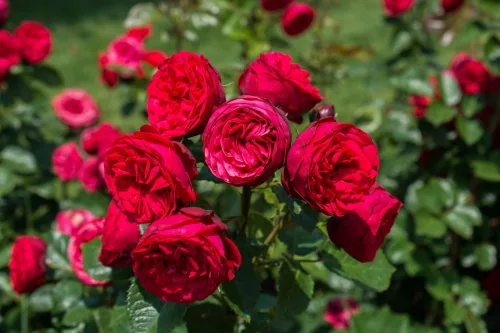
How to Propagate Roses from Cuttings at Home and Fill Your Garden with Blooms Almost for Free
Want more roses without paying for new plants? With a few healthy cuttings and a simple plastic-bottle mini greenhouse, you can root new bushes at home in just a few weeks.
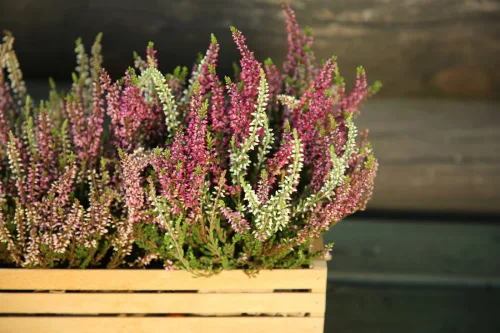
Heathers can cope where other plants won’t, but one soil detail decides everything
Heathers and heaths are tough evergreen shrubs that can flower across the seasons when you choose the right types. Success hinges on matching the plant to your soil pH and ensuring free drainage.
Comments (0)
Be the first to comment.