
 English
  Polski
  Deutsch
  Nederlands
  Svenska
  Norsk
Norsk  Dansk
Dansk  Français
  Italiano
  Español
  Português
  Slovenčina
  Suomi
Suomi  Gaeilge
 Bigger, Sweeter Raspberries Without Expensive Fertiliser
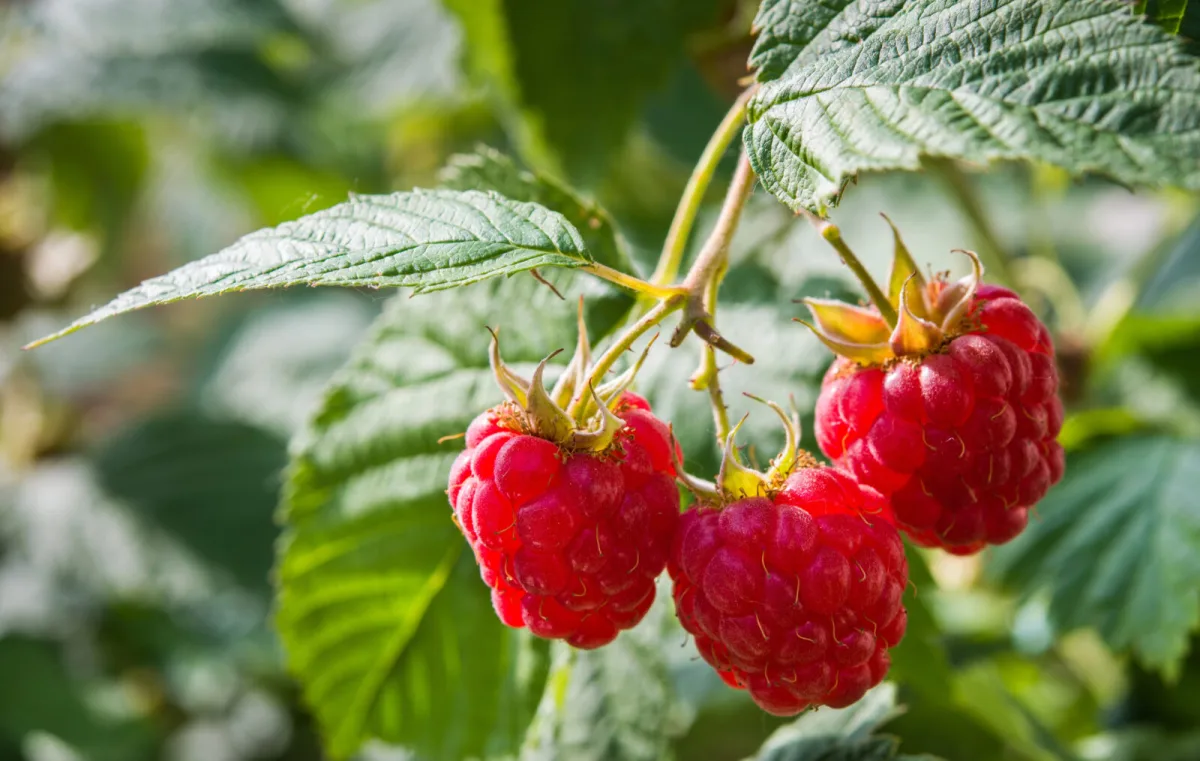
Raspberries, like other fruiting shrubs, need a steady supply of nutrients through the season. With the right feeding, they can set more flowers, develop fruit better, and the final crop is not only larger but also tastier. When nutrients are lacking, berries are often small and more tart, and the plants may be weaker overall.
Feeding shows most during flowering and the fruiting that follows. This is when the plant uses a great deal of energy and pulls a larger amount of essential substances from the soil. Without topping up nutrition, it’s hard to get truly high-quality fruit, especially if the canes have been growing in the same spot for years.
A natural alternative to mineral fertilisers
Mineral products don’t suit everyone. If you’re among those who prefer gentler methods, you can also use simple natural fertilisers. Some work surprisingly well and give raspberries exactly what they need during peak demand.
One proven home method is feeding from leftovers that would otherwise end up in the bin or compost. Specifically, potato peelings, which can be used to make a liquid feed or a dry top-dressing. It’s easy, inexpensive, and with regular use many gardeners report a noticeable difference in cane strength and berry size.
What potato peelings contain and why raspberries benefit
Potato peelings aren’t just waste. They naturally contain a range of substances that can help both soil and plant. These include organic acids, starch and also ascorbic acid. They also contain important elements such as phosphorus and potassium, and in smaller amounts fluoride.
Potassium and phosphorus are particularly valuable during flowering and fruit formation because they support vigour, water regulation and overall plant condition. Well-fed raspberries tend to be more resilient, grow better and can crop more heavily. Many growers also notice the fruit has a fuller flavour and is sweeter.
A peel infusion as a quick feed
The simplest way to use peelings is to make a steeped infusion that you then water onto the plants. Put the peelings into a pot and pour over hot water at a ratio of roughly one part peelings to three parts water. Leave the mixture to stand until it cools so some of the compounds can move into the water.
Then strain the contents and use the liquid to water your raspberry plants at the roots. Aim the feed onto the soil, not the leaves, so you don’t unnecessarily raise the risk of issues in damp weather. This is a useful top-up during flowering or as the berries are starting to form.
How often to use the feed
As a rule, it’s better to feed sensibly than too often. Watch how the plants respond and keep an eye on the soil. If the canes are vigorous and growing well, one application in the main flowering period and then again as fruit set ramps up may be enough.
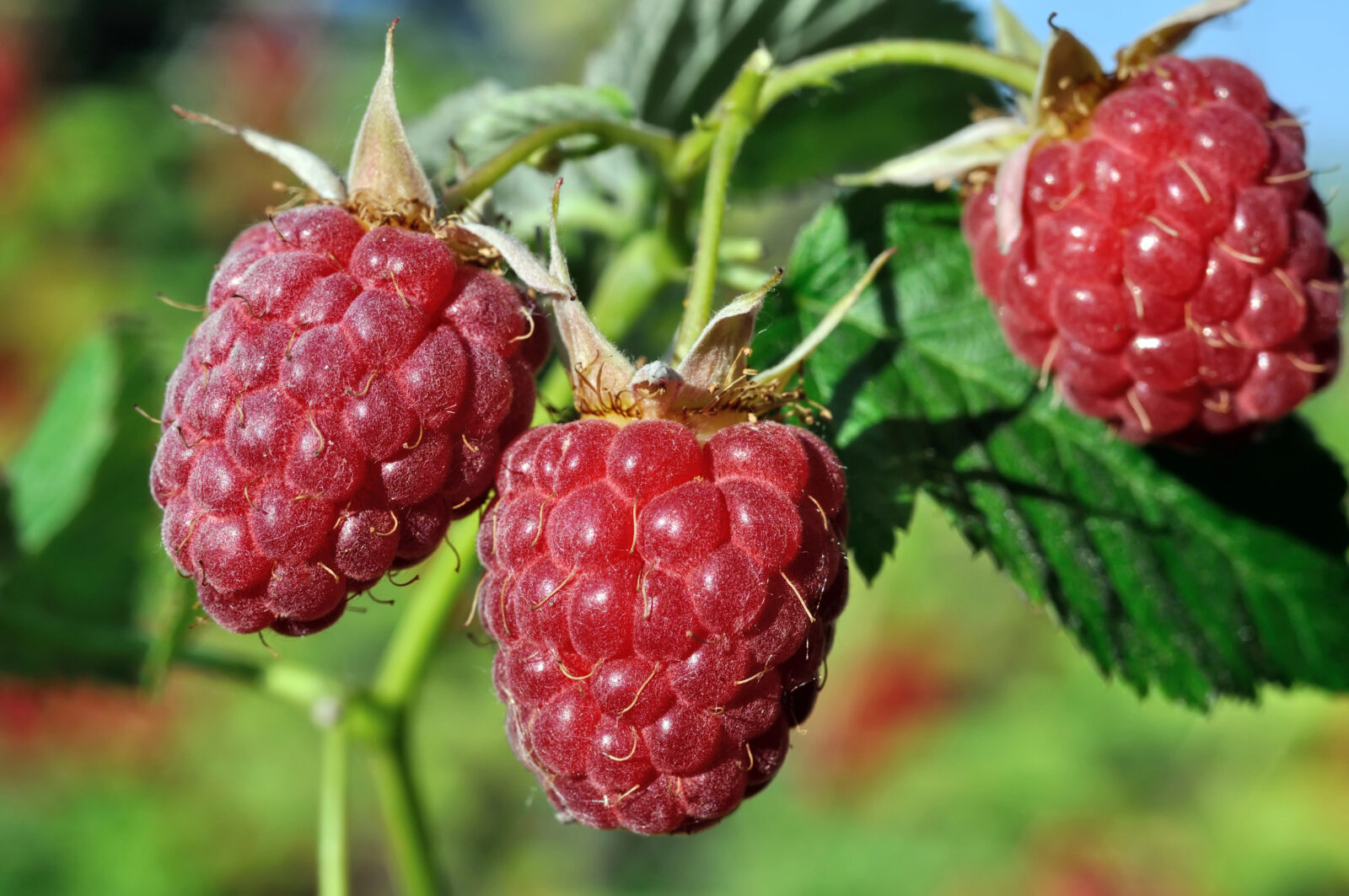
Dried peelings as a slow-release fertiliser
The second option suits anyone who wants nutrients to be released more slowly and gradually. First, dry the peelings for about ten days in a well-ventilated place out of direct sun. Once they are fully dry, crush them or grind them into smaller pieces.
Sprinkle the prepared material onto the soil around the raspberries, ideally over the root zone, and lightly work it into the top layer of soil. With normal watering, the material will gradually release nutrients and enrich the area around the roots. It’s an easy way to use a kitchen leftover while supporting your crop without chemicals.
What to watch out for so the trick really works
When using peelings, it’s important to work with clean material free of mould and without traces of oil or salt. If the peelings are spoiled, they could introduce unwanted microorganisms into the soil. Also remember that feeding is only one part of success. Raspberries also need sufficient moisture, a suitable site and ongoing care for their full potential to show.
But when you combine the right conditions with a simple homemade feed from potato peelings, you can look forward to a noticeably better harvest. The plants are often stronger and reward you with more well-developed, juicy and sweeter berries.
Source: Gardening Know How, To je nápad, Pestrazahrada.cz

A lover of nature, gardens, and everything that moves, blooms, or grows. He literally grows everything, from herbs to rare species, and he enjoys caring for animals just as much. In his work, he connects modern technology with tried-and-tested grandmotherly methods and is happy when both paths lead to the same goal.
Related articles
A Simple Autumn Trick Will Protect Your Hibiscus Over Winter and Bring a Flush of Flowers
A thick mulch layer in autumn can be the deciding factor in whether hardy hibiscus comes through winter unscathed. Combine root protection with smarter watering and feeding, and you’ll be rewarded with stronger growth and heavier flowering next season.
Be careful with hydrangeas in autumn or one mistake will cost you blooms
Tidying up hydrangeas in autumn can be tempting, but cutting at the wrong time can remove next year’s flower buds. Everything depends on whether your hydrangea blooms on old wood or new wood.
Raspberries Need Gentle Feeding or You Can Damage Roots and Lose Up to a Third of the Crop
Raspberries have very shallow roots and don’t respond well to heavy, nitrogen-rich feeding worked into the soil. Choose a potassium-forward fertiliser and apply it gently on the surface to protect roots and improve flavour and yield.
Comments (0)
Be the first to comment.