
 English
  Polski
  Deutsch
  Nederlands
  Svenska
  Norsk
Norsk  Dansk
Dansk  Français
  Italiano
  Español
  Português
  Slovenčina
  Suomi
Suomi  Gaeilge
 Don’t Throw Away Tomato Side Shoots Cook Up a Cheap Spray
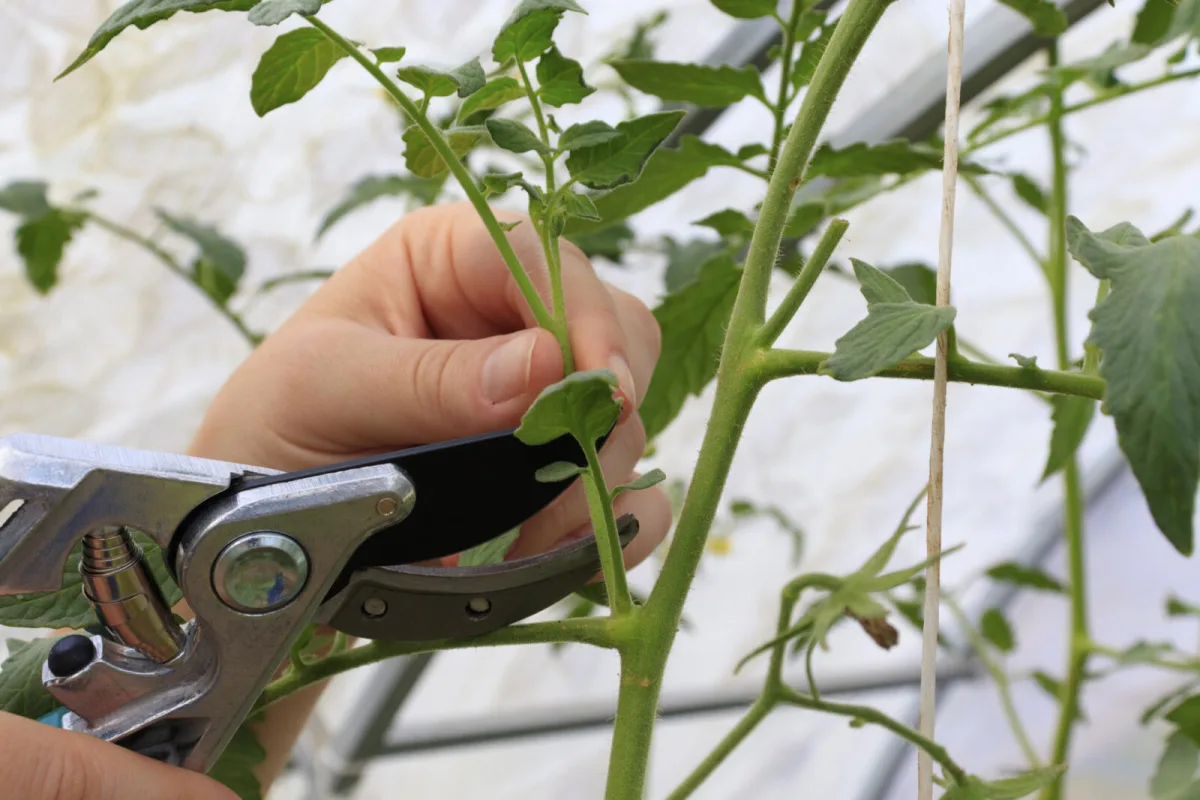
Anyone who grows tomatoes knows that without regular checking and pinching out side shoots, the plant wastes energy and the harvest is often lighter. Most growers automatically take the snapped-off side shoots to the compost heap or leave them on the ground. But by doing that, you’re missing a simple way to make an effective homemade pest spray—without having to buy expensive chemical products.
Young green tomato growth contains compounds the plant uses for its own protection. If you steep it properly, you’ll get a natural remedy that can help safeguard other crops in the garden as well.
Solanine and tomatine as the natural defence of the nightshade family
Tomatoes belong to the nightshade family, and it’s typical for them to produce protective alkaloids. The most often mentioned are solanine and the related tomatine. The highest levels of these compounds are found in green stems, leaves and unripe fruits. In large doses they’re not suitable for eating, but in the garden they can serve as a purely natural insecticide.
An infusion made from tomato leaves acts like a nerve toxin on a range of pests and can significantly reduce their numbers.
It’s most commonly used against sap-sucking and chewing pests, for example aphids of various colours, caterpillars, small larvae of some true bugs, and also mites. With sensible application it’s usually not a problem for beneficial insects such as bees or ladybirds, as long as you don’t hit them directly with the spray.
Homemade spray from tomato side shoots
The preparation is straightforward and takes only a few minutes of work; the most important part is letting it stand afterwards. It’s especially handy when you’re pinching out side shoots and want to put them to good use straight away.
What you’ll need
You’ll need roughly two to three handfuls of freshly snapped side shoots (and optionally some lower leaves), 1 litre of water, and a few drops of liquid plant-based soap or an ordinary washing-up liquid. The soap acts as a wetting agent, helping the solution cling to the leaves instead of running off.
Method
First, chop the green shoots into smaller pieces so as much sap as possible is released. Then put them into a container, pour over 1 litre of boiling water and cover. Leave the mixture to steep for about twelve to twenty-four hours, until the water turns a deep green and develops a strong tomato smell.
Finally, strain the infusion carefully through a fine sieve or cheesecloth so you don’t clog the sprayer nozzle. Add a few drops of soap, stir, and pour into a sprayer. This solution is not diluted any further; use it at the stated strength.
When and how to apply the infusion so it works
It’s best to spray in the early evening, when plants are no longer in harsh direct sun. This reduces the risk of leaf scorch. Focus on affected areas and spray thoroughly—especially the undersides of leaves, because that’s where aphids most often hide and breed.
The infusion can be used not only on tomatoes but also on roses, peppers, brassicas, currants, or young fruit trees. If the infestation is heavy, it makes sense to repeat the treatment after a few days, because new insects can move in from nearby.
A practical tip for heavy aphid pressure on trees
With fruit trees, it often happens that aphids return even after spraying. The reason is usually ants, which deliberately carry and protect them because they feed on the sweet honeydew aphids produce. So it’s sensible to block the ants’ access to the trunk first—for example with a physical sticky barrier—and only then treat the tree with the tomato infusion. The spray’s effect is then noticeably better and lasts longer.
Source: Urob si sám, Gardening Know How, Pestrazahrada.cz

A lover of nature, gardens, and everything that moves, blooms, or grows. He literally grows everything, from herbs to rare species, and he enjoys caring for animals just as much. In his work, he connects modern technology with tried-and-tested grandmotherly methods and is happy when both paths lead to the same goal.
Related articles
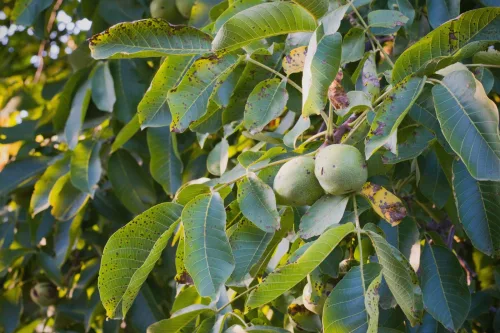
Why the Tree That Feeds a Family for Generations Is Disappearing from Czech Gardens
The English walnut used to be a staple of larger gardens and farmyards, valued for its nutritious nuts and many practical uses. With the right site and variety, it remains one of the most rewarding long-lived trees you can plant.
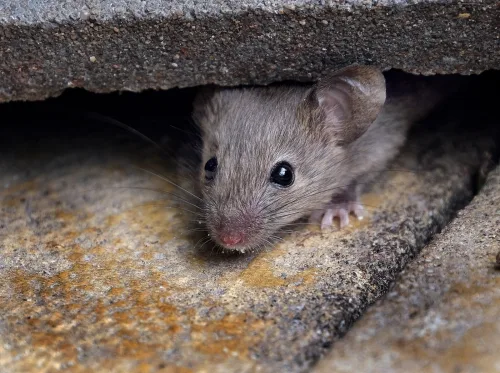
How to Get Rid of Mice and Rats in the House, Loft and Garden Effectively
Mice and rats don’t leave quietly—scratching sounds, droppings and gnaw marks are clear warnings. A lasting solution comes down to three steps: block entry points, remove food sources, then use traps or professional control.
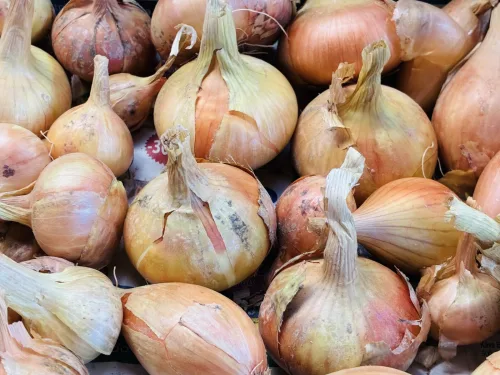
Two Mistakes When Harvesting Onions Can Cut Your Supply by Months
With good growing and the right handling, onions can turn into a near year-round pantry staple. These simple harvest and curing steps determine whether they keep for weeks or for months.
Comments (0)
Be the first to comment.