
 English
  Polski
  Deutsch
  Nederlands
  Svenska
  Norsk
Norsk  Dansk
Dansk  Français
  Italiano
  Español
  Português
  Slovenčina
  Suomi
Suomi  Gaeilge
 Problems Growing Ivy in the Garden and Around the House and How to Fix Them
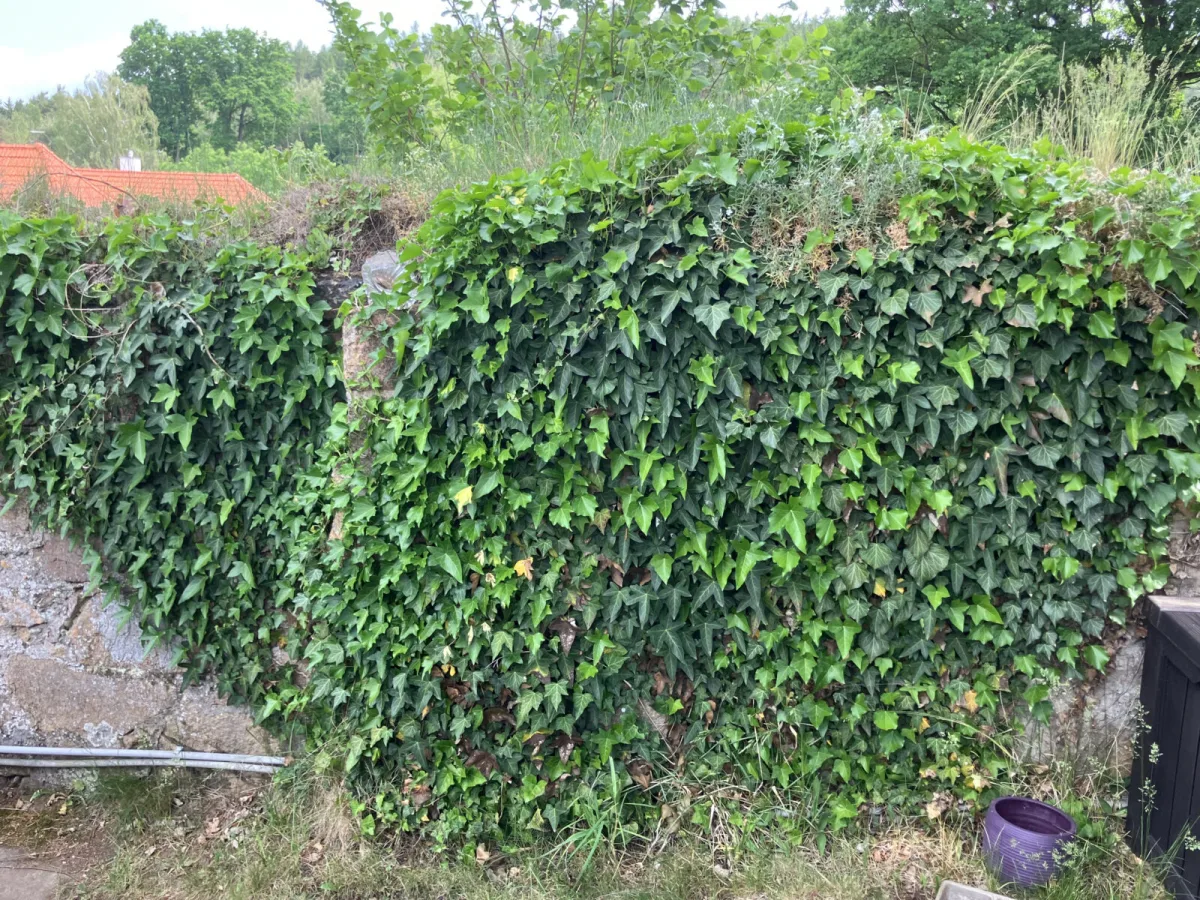
Ivy (Hedera helix) is popular for its evergreen foliage, its ability to quickly hide unsightly spots, and to create a “green wall” even in winter. But that very vigour is often the source of problems. In one garden it’s an undemanding screen against dust and prying eyes; elsewhere it turns into an aggressive invader, creeping into borders, climbing trees, and rooting where nobody expects it. On top of that come the usual growing mistakes: waterlogging, the wrong light, and dry indoor air.
Ivy isn’t a maintenance-free climber. If it isn’t cut back for a few seasons, it can engulf a fence, creep under paths, and push into nearby plantings so thoroughly that getting things “back in order” becomes hard work.
Damage to walls and render
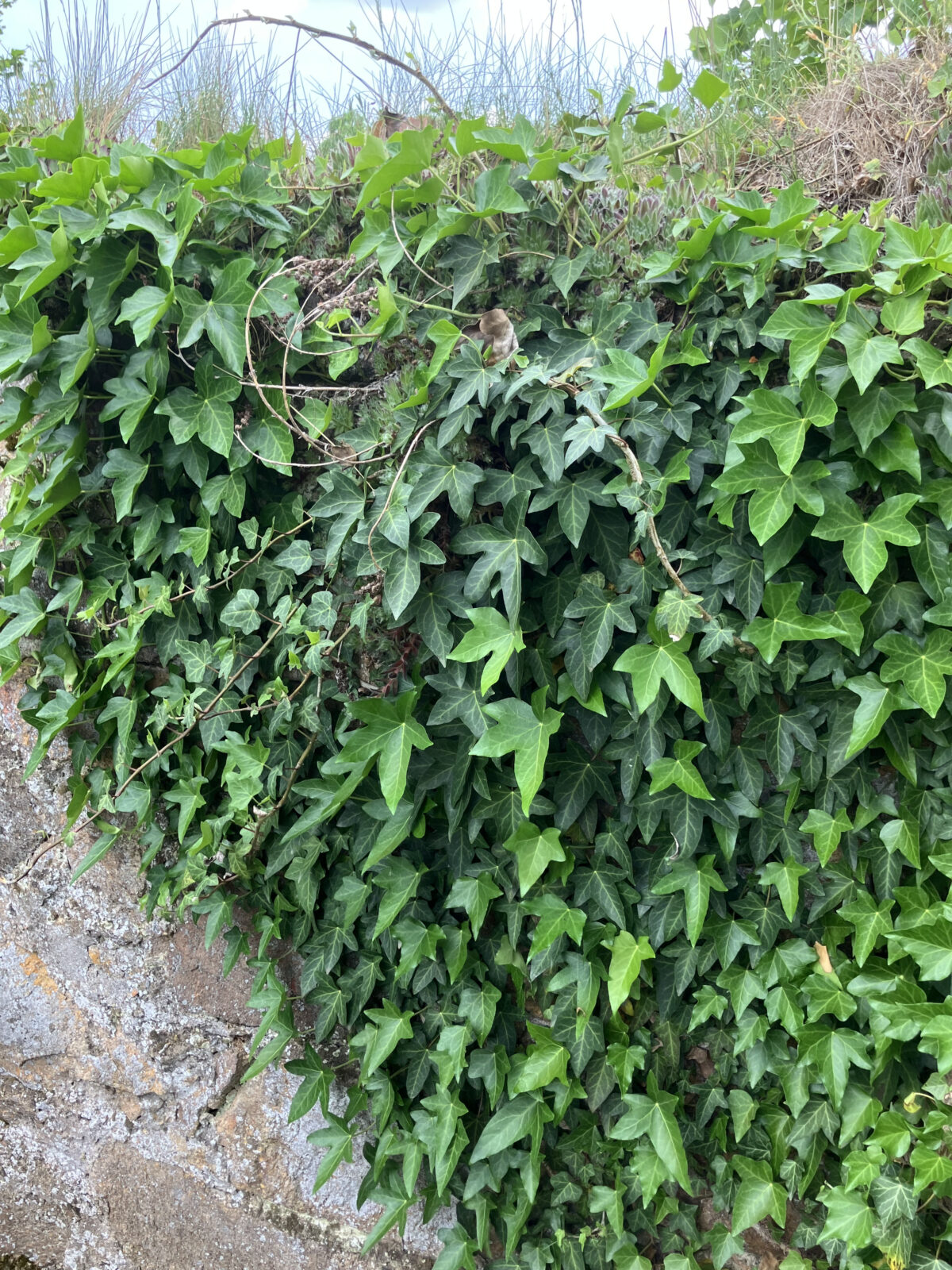
The most common worry when growing it on a house is damage to the render. Ivy clings with tiny aerial rootlets that grip well in uneven surfaces. If the wall is old, weathered, cracked, or already flaking in places, the plant can gradually pull loose areas away, or when you strip the greenery off you may lose render along with the rootlets. On sound, solid masonry the risk is much lower, but you still need to expect that removing ivy later will leave marks.
A practical solution is simple: only plant ivy against stable walls, or better still, train it on a separate support structure or trellis set slightly away from the façade. You’ll get the greenery, but reduce contact with the render and make maintenance access easier too.
Fences under strain and a “self-supporting” mass of greenery
On chain-link and lightweight fence panels, the weight can be the issue. Over time ivy becomes woody, forms thick “stems”, and in combination with wind, snow, or rain-soaked foliage it can heavily load the structure. For some people the fence literally disappears under a green wall; elsewhere the support needs strengthening. With wooden fences, growth can also make repairs and repainting difficult, because the shoots mesh so tightly with wire and slats that dismantling becomes a nuisance.
If you want ivy as a living fence, plan for a sturdier support and regular trimming from both sides. Along a property boundary this matters for neighbourly relations too: shoots happily thread through gaps and root in lawns or beds on the other side.
Yellowing leaves, brown patches, and winter damage
Yellowing leaves and brown patches have several common causes. A classic is overwatering and subsequent root rot—typically in heavy soil without drainage or in containers where water sits. Another frequent scenario is a sudden move from shade into full sun: leaves scorch and dry, browning areas appear. Brown patches can also show up after a harsh winter, when the plant is damaged by frost or winter sun, especially on exposed walls.
The fix is to adjust watering and the site. The compost or soil should be moist, but not waterlogged. Outdoors, mulch helps retain moisture and moderates temperature swings. Damaged leaves often drop gradually, but the plant can reshoot; you can help by removing the worst-affected shoots and being patient until spring.
Pale leaves and leaf drop due to light and nutrition
Ivy tolerates partial shade to shade, but with a long-term lack of light it can become sparse, make smaller leaves, and shed foliage. With variegated cultivars (white or yellow markings), light is even more important: in low light the colouring fades and the plant weakens. Poor soil without added nutrients can show in a similar way, especially with plants that have been growing in the same spot for many years.
It helps to move it to a brighter position without harsh midday sun and to feed in spring with compost. For indoor ivy, occasional feeding during the growing season at a sensible rate is also useful, helping avoid weak, leggy growth.
Indoor pests: spider mites and thrips
Indoor ivy is often troubled by pests, mainly spider mites and thrips. You’ll recognise them by fine webbing, silvery streaks, distorted leaves, and gradual yellowing. The trigger is usually dry, warm air indoors, especially during the heating season.
The basics are to raise humidity, for example by misting or moving the plant further from the radiator. With heavier infestations, an appropriate spray is needed; plant-based oil products often work well. Checking nearby plants is important too, because pests spread easily.
Aggressive growth and how to keep it under control
In the garden, the biggest problem is often simple expansion. Ivy can creep along the ground unnoticed, root at the nodes, and “steal” space from lawns and borders. It also climbs into shrubs and trees, which it can weaken by thickening and shading. It’s not just about looks; neglected growth is harder to renovate and harder to remove.
The good news is that ivy tolerates pruning extremely well. Do renovation pruning in spring and throughout the season regularly shorten shoots that head “where they shouldn’t”. If you want gentler growth, choose slower cultivars; some variegated forms grow noticeably more calmly than the basic green-leaved type.
Toxic berries and risk to animals
Ivy berries are poisonous to humans and can be a risk for sensitive animals. In practice, though, ivy often flowers only when it is older and has produced adult, fertile shoots, which tend to appear on well-established plants. If you keep livestock by a fence, it’s sensible to bear in mind that when grazing is scarce they may nibble plants they would normally ignore. The safest approach is to keep the growth trimmed so berries don’t form, or at least aren’t within reach.
When it’s better to choose a different climber
If you need a fast, low-effort long-term solution without regular intervention, ivy may disappoint you. It causes the most trouble on weak fences, on neglected façades, and wherever there’s no room to control its spread. But if you have a solid support, a suitable site, and you’re prepared to prune, it will reward you with a dense evergreen screen that also provides a valuable food source for insects in autumn.
Source: Gardener’s World, Gardening Know How, Záhrada, Original text, Pestrazahrada.cz

A lover of nature, gardens, and everything that moves, blooms, or grows. He literally grows everything, from herbs to rare species, and he enjoys caring for animals just as much. In his work, he connects modern technology with tried-and-tested grandmotherly methods and is happy when both paths lead to the same goal.
Related articles
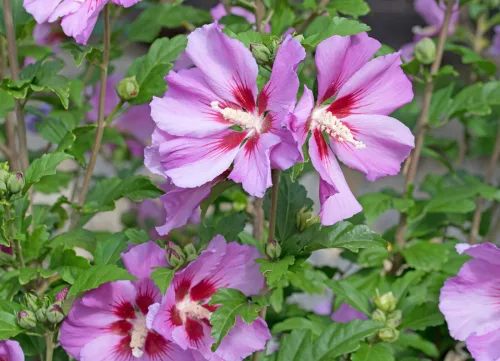
A Simple Autumn Trick Will Protect Your Hibiscus Over Winter and Bring a Flush of Flowers
A thick mulch layer in autumn can be the deciding factor in whether hardy hibiscus comes through winter unscathed. Combine root protection with smarter watering and feeding, and you’ll be rewarded with stronger growth and heavier flowering next season.
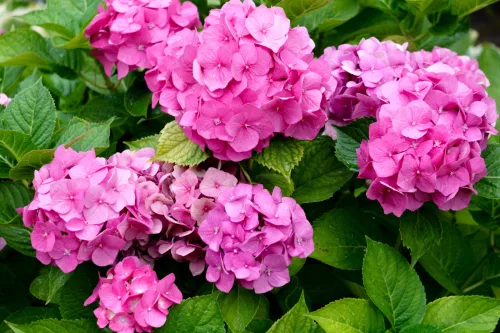
Be careful with hydrangeas in autumn or one mistake will cost you blooms
Tidying up hydrangeas in autumn can be tempting, but cutting at the wrong time can remove next year’s flower buds. Everything depends on whether your hydrangea blooms on old wood or new wood.
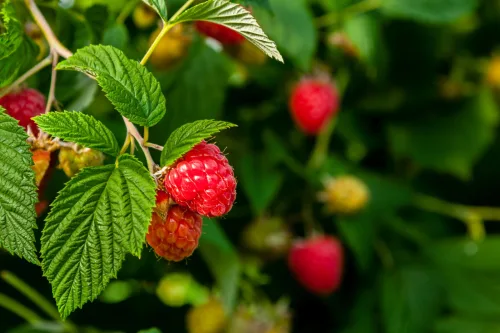
Raspberries Need Gentle Feeding or You Can Damage Roots and Lose Up to a Third of the Crop
Raspberries have very shallow roots and don’t respond well to heavy, nitrogen-rich feeding worked into the soil. Choose a potassium-forward fertiliser and apply it gently on the surface to protect roots and improve flavour and yield.
Comments (0)
Be the first to comment.