
 English
  Polski
  Deutsch
  Nederlands
  Svenska
  Norsk
Norsk  Dansk
Dansk  Français
  Italiano
  Español
  Português
  Slovenčina
  Suomi
Suomi  Gaeilge
 Want to Grow Your Own Mushrooms in the Garden Giant Wine Cap Is a Sure Bet
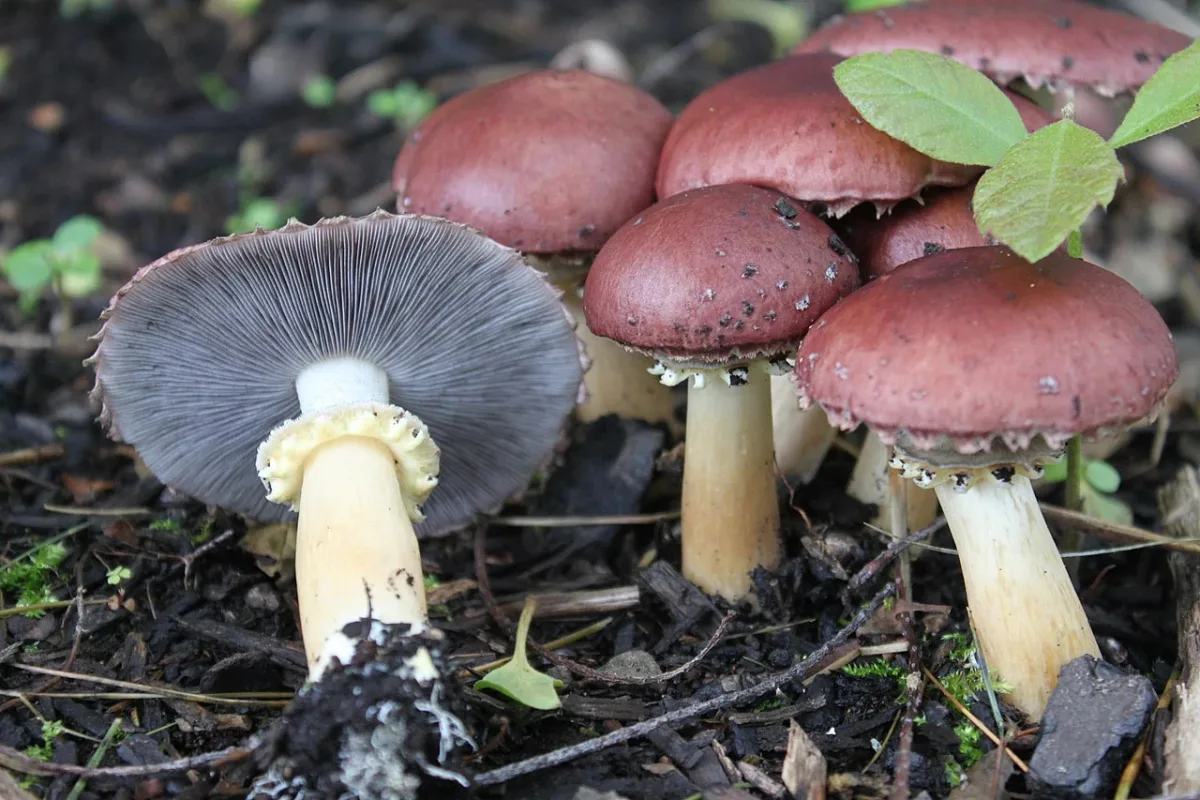
Giant wine cap, also known as the wrinkled ring stropharia (Stropharia rugosoannulata), is rather rare in the wild, but in the garden even a beginner can grow it successfully. It doesn’t require a dedicated grow room or complicated technology, and it gets by without fussy substrate preparation. All you need is a small space, suitable plant material, and high-quality spawn. That simplicity is exactly why this mushroom is so popular with home growers.
It’s one of the species that can colonise fresh, unfermented plant material. The key is not to heat-treat the straw unnecessarily, because high temperatures can paradoxically slow mycelial growth. Most likely this suppresses the natural microorganisms that, in a normal environment, help the fungus access nutrients.
Big fruiting bodies and yields that can surprise
Wine cap earned the “giant” nickname not only for its harvests, but also for the size of its mushrooms. In ideal conditions the cap can reach around 40 cm, and a single mushroom can weigh several hundred grams. In practice, though, results can vary. Sometimes the mycelium colonises the substrate poorly, or fruiting bodies don’t form at all, without any obvious reason. That’s why it’s so important to choose the right material, keep moisture steady, and protect the bed from drying out.
Which substrate to choose and what to avoid
Fresh, well-stored wheat or rye straw works best. You can also use fresh hardwood wood chips—poplar is often recommended—or hemp shives. On the other hand, material that has already started to decompose or ferment isn’t suitable, because competing microorganisms already have a head start and the mycelium establishes itself more slowly.
Before planting, the straw needs watering so it reaches roughly 70 to 75% moisture content. With smaller amounts, it’s practical to soak one or two bales in a barrel of clean water for several days. With wood chips, a few days’ soak in cold water is usually enough for the material to take up water and give the mycelium a stable start.
Spawn, storage, and choosing a strain
For planting, grain spawn grown through wheat or rye grain is used. Store it at home in the cold, ideally between 2 and 4 °C, and don’t keep it for long—usually no more than a few weeks. In practice, growers commonly encounter two strains. The Vinnetou strain tends to have a reddish-brown cap and grows more slowly. The Gelbschopf strain is more yellowish and is valued for faster colonisation and a more reliable crop.
Starting a culture in a bag or in a bed
When growing in bags, the substrate is mixed with grain spawn at roughly a 50:1 ratio and filled into larger plastic bags. The surface is then protected from drying out, for example with layers of paper and a cover of film. Shade from direct sun is essential, and you should aim to keep the substrate temperature for colonisation roughly in the 24 to 28 °C range, using ventilation or extra covering depending on the weather.
Outdoors, you can start a culture in a garden bed, in a cold frame, or in a polytunnel. The site should be sheltered from wind and harsh sun. It’s practical to edge the bed and protect it with a simple cover or a cold-frame light set at an angle about 30 to 40 cm above the surface, so the mushrooms have room to rise while still allowing easy watering and harvesting.
The right planting time and mycelium colonisation
Outdoors, the culture is started no earlier than mid-May, when it’s usually possible to maintain temperatures suitable for mycelial growth. If you want to harvest in the same year, it’s best to get it established by the end of July at the latest. Such a bed often fruits from summer into autumn, and sometimes continues in the following spring. With summer start-ups, you must watch for drying and keep moisture up regularly.
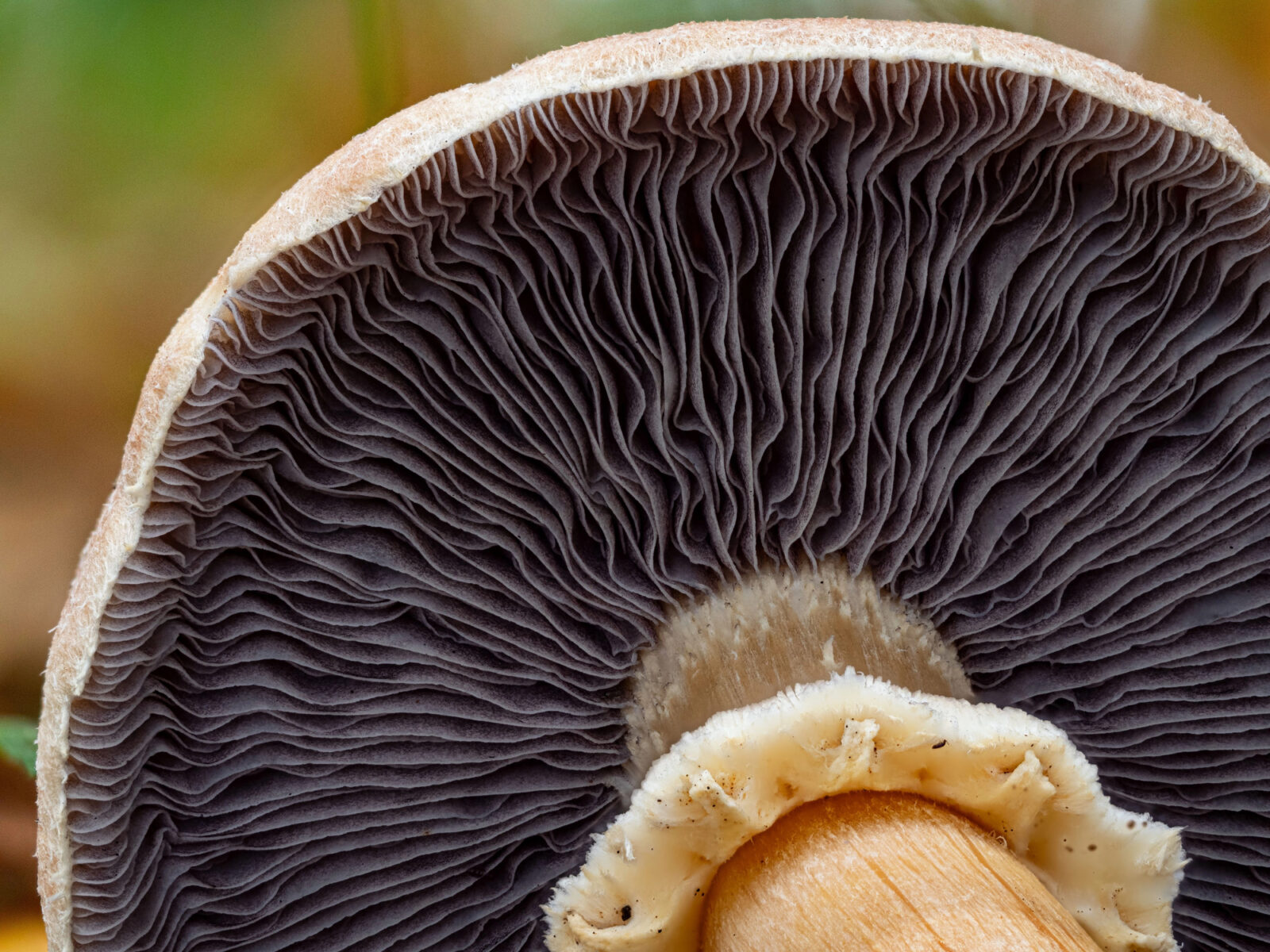
For an early spring crop, you can also start the culture in autumn, usually from mid-September to the end of October. Depending on temperatures, the mycelium will colonise the substrate in about 4 to 6 weeks. Unlike some other cultivated mushrooms, a casing layer is added soon after inoculation so moisture transfers gradually and steadily. A crumbly soil that holds water well is best.
Conditions for fruiting and watering
During fruiting, wine cap doesn’t have special light requirements, but higher humidity is crucial, often around 80 to 85%. It fruits across a fairly wide temperature range, roughly from 10 to 25 °C. Temperatures above 25 °C can hinder development, while at 10 to 12 °C growth is markedly slow.
Before mushrooms appear, and also during harvests, you need to keep the bed surface consistently moist. Water so the casing soil stays damp, but excess water doesn’t needlessly drain down into the lower substrate layer. Steady moisture is more often the deciding factor than a single heavy watering.
Harvest comes in flushes, and the bed can overwinter
The first mushrooms usually appear about 7 to 10 weeks after starting, depending on weather and time of year. When harvesting, gently twist the mushrooms out. Wine cap fruits in flushes: one flush lasts a few days, and the next follows after roughly two to three weeks. In autumn, when temperatures drop below 10 °C, development stops, but if the culture is in good condition it can resume in spring.
If the bed hasn’t finished fruiting by autumn, it’s worth protecting it from frost. A proven method is a layer of leaves or dry straw about 30 cm deep, covered with film that should be weighed down so wind can’t lift it. In spring, after uncovering, another harvest may follow. Autumn-started beds that haven’t fruited yet are protected the same way.
What yields to expect and what to watch out for
Yields can vary widely. A typical harvest is about 3 to 4 kg per 1 m2; a good yield is around 6 to 10 kg, and in very favourable conditions it can be higher. It’s important to keep in mind that the biggest risk to success is competing organisms in the substrate. A common issue is green moulds of the genus Trichoderma, or the appearance of weedy inkcaps. Using fresh, unfermented material, maintaining correct moisture, and preventing the substrate from overheating or drying out all help.
Source: Brooklyn Botanic Garden, iZahrádkář, Mushroom Growers, Pestrazahrada.cz

A lover of nature, gardens, and everything that moves, blooms, or grows. He literally grows everything, from herbs to rare species, and he enjoys caring for animals just as much. In his work, he connects modern technology with tried-and-tested grandmotherly methods and is happy when both paths lead to the same goal.
Related articles
Next year you can harvest better if you don’t sow carrots where they won’t thrive
Carrot root fly can ruin carrots, parsley and celery from the inside out, often without obvious warning until harvest. Better site choice, rotation, later sowing and simple physical barriers can dramatically cut damage next season.
How to Propagate Roses from Cuttings at Home and Fill Your Garden with Blooms Almost for Free
Want more roses without paying for new plants? With a few healthy cuttings and a simple plastic-bottle mini greenhouse, you can root new bushes at home in just a few weeks.
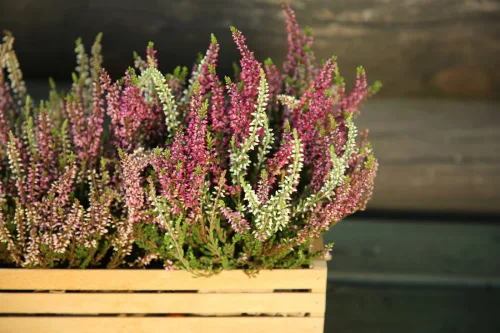
Heathers can cope where other plants won’t, but one soil detail decides everything
Heathers and heaths are tough evergreen shrubs that can flower across the seasons when you choose the right types. Success hinges on matching the plant to your soil pH and ensuring free drainage.
Comments (0)
Be the first to comment.