
 English
 Polski
 Deutsch
 Nederlands
 Svenska
 Norsk
 Dansk
 Français
 Italiano
 Español
 Português
 Slovenčina
 Suomi
 Gaeilge
Time for the final rose prune, do it now and overwinter properly for a June flush of blooms
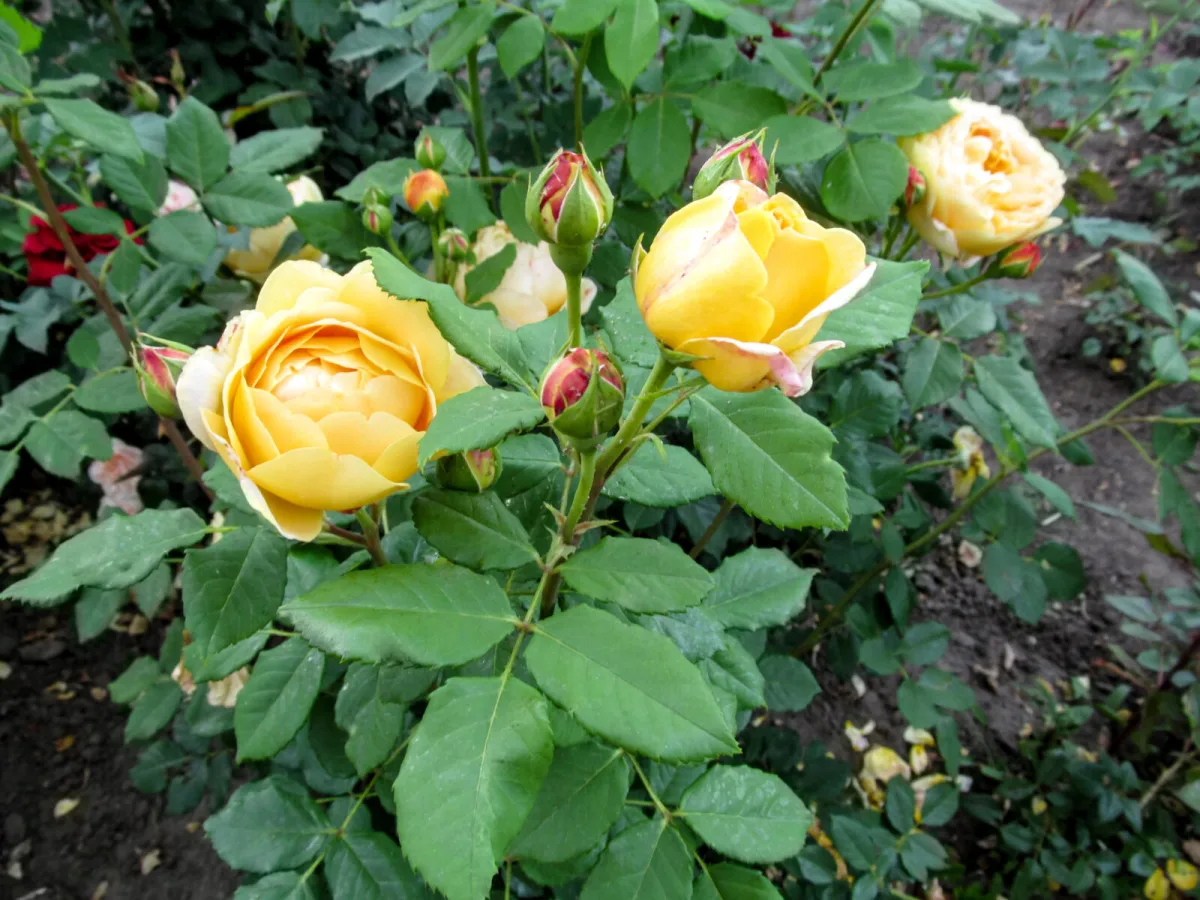
Roses are among the most striking plants in the garden, but they only show their full beauty when they’re given the right care even at the end of the season. Autumn is exactly the time to prepare bushes for the cold months so they come through winter without weakening and can power back into growth in spring. A key part of this care is the final prune and the protection that follows to guard against frost.
When to prune roses and why not to put it off
Autumn pruning is usually done in October or in the first half of November. It depends on the weather and the region where you grow your roses. The goal isn’t to shape the plant hard as you would in spring, but to shorten it at a time when it won’t be producing new shoots. The bush is then better prepared for winter and it’s also easier to handle when you’re getting it ready for the cold.
Before you start protecting the base or wrapping the plant, it’s worth removing spent blooms, leftover leaves and any parts that could rot over winter or unnecessarily weaken the rose. This autumn job isn’t just about tidying up; it’s above all a practical step for the plant’s health.
How much to shorten the stems
Among growers, two common approaches tend to appear. One recommends shortening shoots only enough to make the bush easy to look after and protect for winter, leaving the main shaping for spring. The second approach opts for a more noticeable cut in autumn, often to about one third of the stem length. With shrub and standard roses, shoots are often shortened to five to eight buds.
Whether you choose a lighter or a stronger option, what matters is making the cut correctly. Cut about 1–2 cm above a bud that points outward from the centre of the bush. This encourages a more open, airy framework and prevents the crown from becoming needlessly congested. It’s also always a good idea to remove dead, damaged and weak stems, as well as any suckers that do nothing but drain the plant’s energy.
Checking plant health is just as important as the prune itself
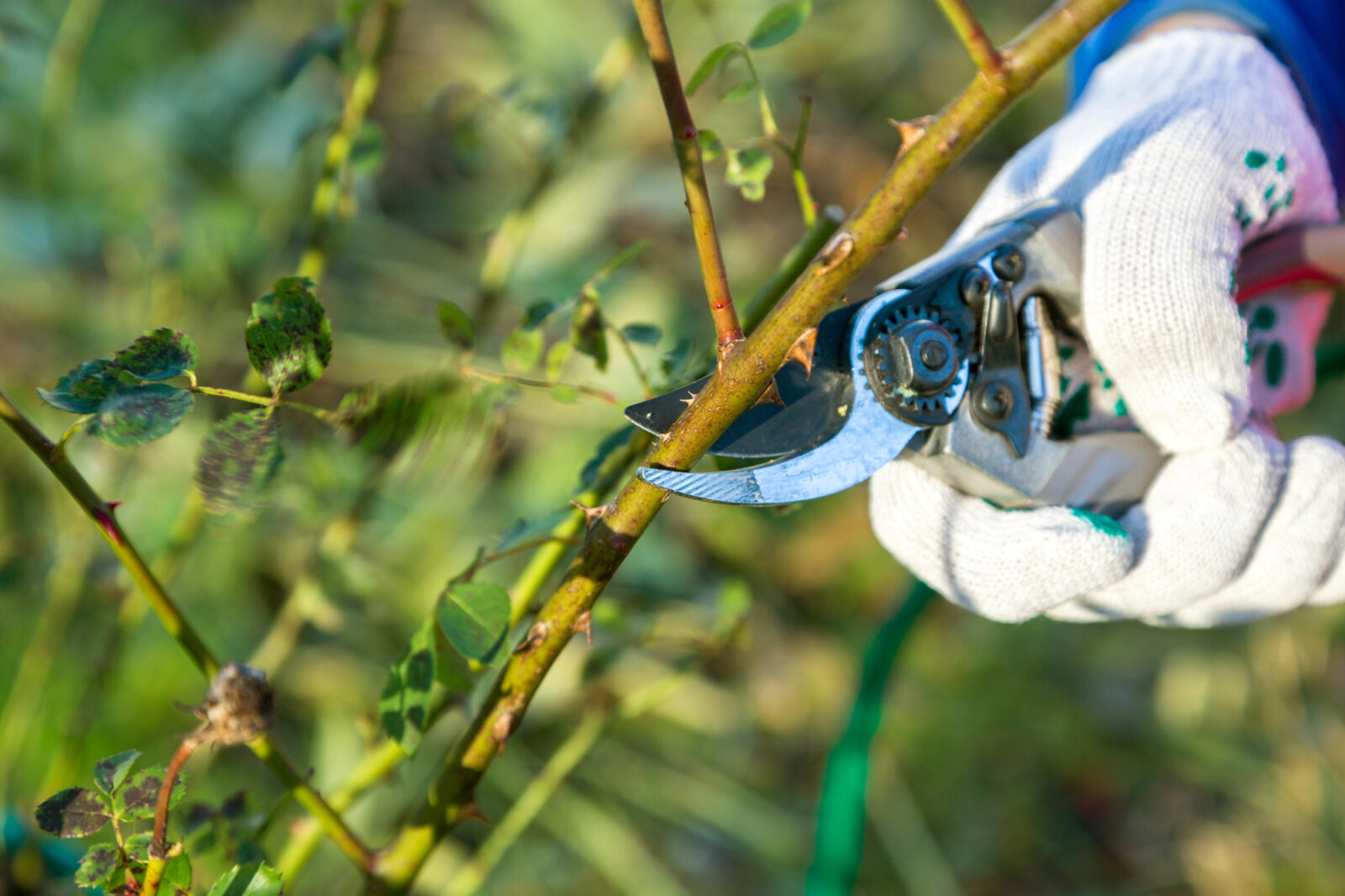
During autumn care, it’s wise to inspect the rose carefully. Leaves and shoots can tell you whether the plant is fully healthy or whether it’s been affected by disease or pests. At this time of year, the temperature swings between day and night can be pronounced, creating conditions that favour the spread of fungal problems.
Black spot in particular deserves close attention. If it has appeared in your garden before, or there’s a risk of it coming in from nearby, it’s sensible to use a preventative fungicide treatment. Even where the disease hasn’t shown itself yet, prevention can be a reasonable step, because spores spread quite easily and weakened plants are often more vulnerable in spring.
How to overwinter roses properly
After pruning comes protection from frost. The foundation is to mound compost or garden soil up around the centre of the bush. This layer helps protect the sensitive graft union and the roots, which are usually the most at risk in winter. It’s the simplest and also a very effective way to help a rose overwinter safely.
In colder areas or in exposed, windy spots, you can also add evergreen boughs. Some growers choose to wrap the bush in white horticultural fleece, which helps soften sudden temperature swings. It always depends on local conditions, though. Not every garden needs the same level of protection, and covering too tightly can actually do more harm than good.
Autumn care pays off in the new season
Roses may seem tough, but it’s often the careful end of the season that decides how they’ll look in spring and how generously they’ll flower in summer. The final prune, removing damaged parts, checking plant health and sensible overwintering are straightforward steps with a big impact. If you don’t skip them, you give your roses the best chance to come into their own next season and reward the garden with masses of flowers in June.
Source: RHS, David Austin Roses, Růže Blog, Pestrazahrada.cz

A lover of nature, gardens, and everything that moves, blooms, or grows. He literally grows everything, from herbs to rare species, and he enjoys caring for animals just as much. In his work, he connects modern technology with tried-and-tested grandmotherly methods and is happy when both paths lead to the same goal.
Related articles

An Unkillable ZZ Plant Is Dying in Homes Because of a Mistake That Looks Like Care
The ZZ plant is famous for coping with neglect, but one well-meaning habit can slowly ruin it. Learn the light, soil and watering routine that keeps it thriving, plus how to use banana peel feed safely.
When autumn liming of soil makes sense and how it helps vegetable beds in the garden
Autumn soil liming can markedly improve soil structure and balance pH for healthier vegetables next season. It’s most worthwhile on heavy or overly acidic soils where nutrient uptake and disease resistance suffer.
Don’t Throw Away Pepper Plants After Harvest They Can Crop Again Next Year
Peppers aren’t just a one-season crop. With a simple overwintering routine, you can keep your plants alive indoors and enjoy earlier, heavier harvests next year.
Comments (0)
Be the first to comment.