
 English
  Polski
  Deutsch
  Nederlands
  Svenska
  Norsk
Norsk  Dansk
Dansk  Français
  Italiano
  Español
  Português
  Slovenčina
  Suomi
Suomi  Gaeilge
 How to Prune a Plum Tree After Harvest So It Stays Healthy and Crops Better
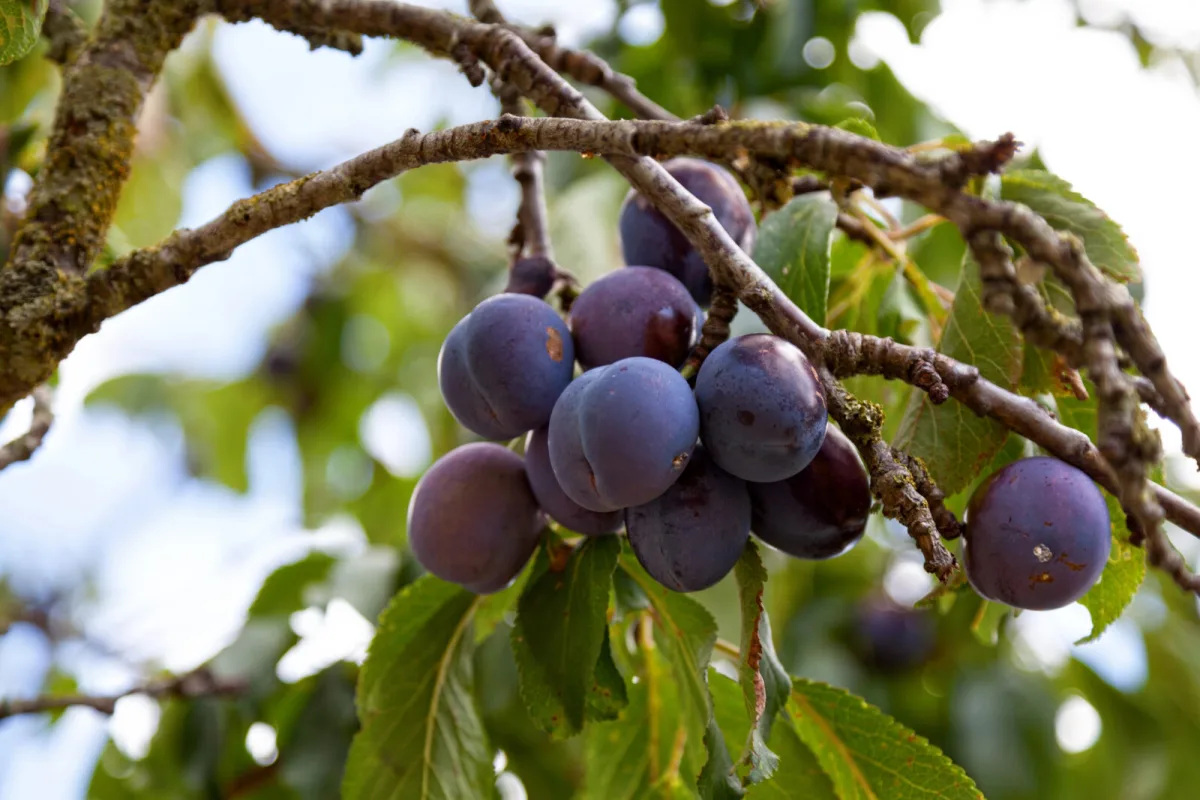
Summer pruning of plum trees after harvest is often debated among gardeners. One group sees it as a useful way to lighten and brighten the canopy, while the other prefers to avoid it for fear of weakening the tree. In practice, the truth tends to lie somewhere in between. After harvest you can carry out a light tidy-up that usually benefits the tree, but hard renovation pruning or heavy shortening of thick branches is better left for spring.
Timing matters too. Late autumn pruning—typically in October and beyond—is generally not recommended for plums. The tree is gradually settling into dormancy, wounds seal more slowly, remain open longer, and frost can then damage tissues around the cut. So if you want to help the tree, yes—prune after harvest, but gently and without major cuts.
When is the best time for summer pruning after harvest
With plums, gardeners usually distinguish between spring pruning and summer pruning. Summer thinning is most often done after harvest, usually in July or August depending on the cultivar and the season. At this time the tree still has enough energy to close small wounds quickly, and you can clearly see which branches are needlessly crowding the canopy or growing in the wrong direction.
The point of summer pruning is not to rebuild the whole framework of the crown, but to remove what has proved problematic during the season. Typically these are shoots that rub, cross, shade each other, grow too upright, or unnecessarily fill the centre of the canopy.
What to remove in summer pruning and why it helps fruiting
After harvest, it’s best to cut out dry, diseased and damaged branches first, because they pose a risk for spreading infection. It also pays to remove surplus shoots that thicken the canopy, and branches that have crossed over the summer or grown inward. When the crown is thinned, airflow improves and light reaches deeper into the branching.
Better light and ventilation have practical benefits. Fruit buds for the next season form under better conditions, the wood ripens more thoroughly, and less moisture lingers in the canopy—reducing pressure from fungal diseases. The tree also doesn’t have to feed so many unproductive shoots and can direct energy into building quality fruiting wood and recovering after harvest.
How to proceed so you don’t weaken the tree unnecessarily
The foundation is well-prepared tools. For thinner branches, sharp secateurs are ideal; for thicker wood, use a clean pruning saw. A blunt or dirty tool makes ragged wounds and increases the chance of infection, so it’s worth cleaning and disinfecting the blade beforehand.
When shortening shoots, cut just above a bud facing outwards from the canopy. This encourages the crown to spread sideways and limits the formation of a dense tangle of branches inside. In summer it’s often worth removing strongly upright shoots as well—these sap strength while contributing little to fruiting—along with branches that cross and would eventually rub.
On new growth along the main limbs, you can opt for a mild shortening of about one third of the length if growth is overly vigorous and the canopy would quickly become crowded. Still, summer pruning should be mainly cosmetic and for tree health. In a single go, don’t remove more than roughly a quarter of the branches, because too severe a cut can weaken the tree and trigger even stronger growth of unfruitful shoots.
Annual consistency and removing suckers
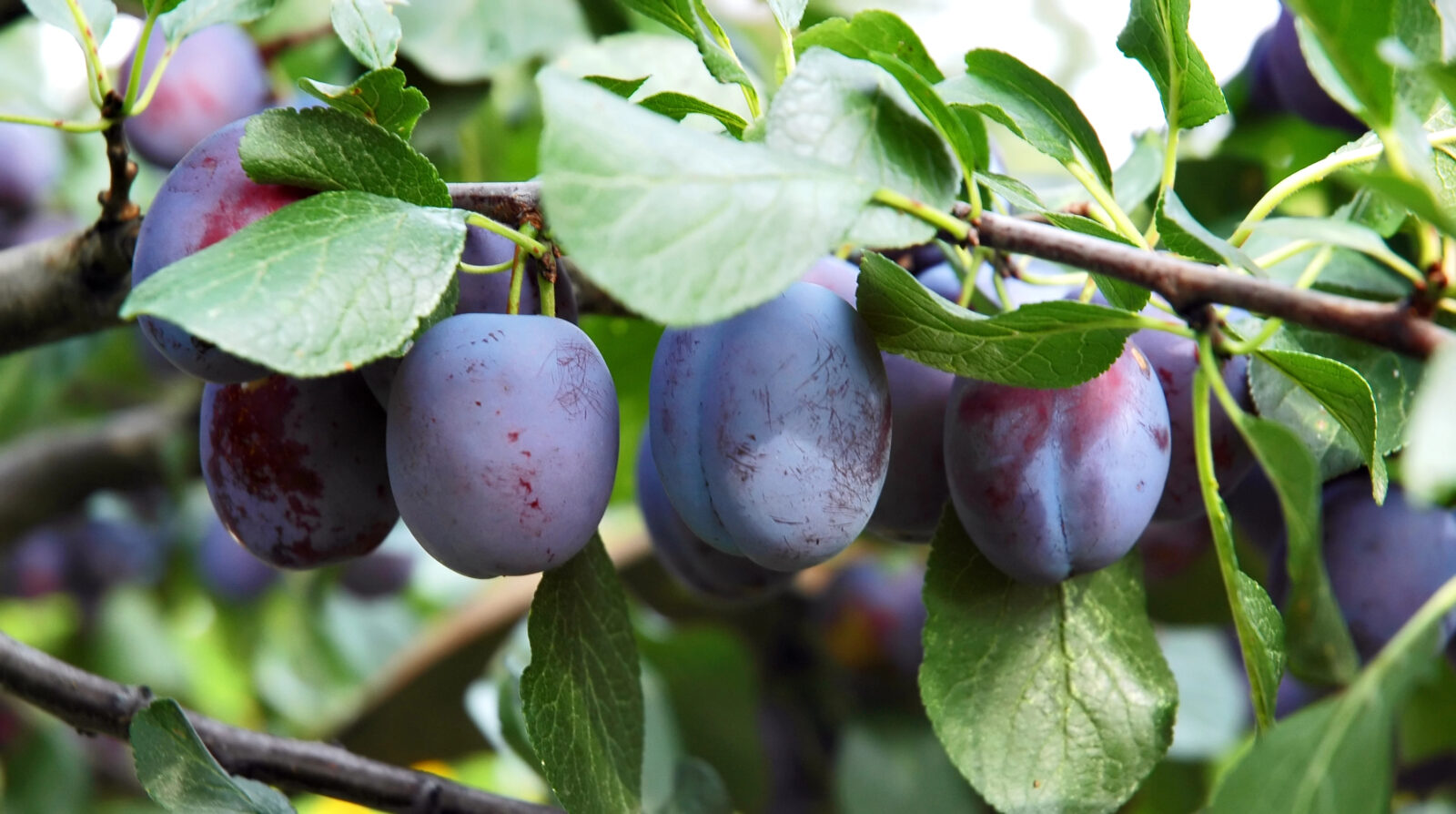
Plums respond better to regular, gentle care than to occasional drastic interventions. If pruning is skipped for several years, the canopy thickens, light can’t reach the fruiting spurs, and the tree may gradually crop less or produce smaller, poorly coloured fruit. An annual summer thin-out therefore helps keep the tree vigorous over the long term.
Care should also include removing root suckers around the trunk. These shoots steal nutrients and water and tire the tree for no benefit to the fruiting of the main canopy.
Conditions for pruning and aftercare
Prune on a dry day, ideally when it hasn’t been persistently damp. Cuts dry faster and the risk of disease infection drops. After finishing, it makes sense to clean the tools again, especially if you removed any suspicious or diseased parts.
After summer pruning, you can support the plum with a fertiliser higher in potassium and phosphorus, which help wood ripen and improve resilience going into winter. By contrast, nitrogen fertilisers are not suitable at this time, because they encourage lush, soft growth that may not have time to harden off before winter.
Why a light summer prune is worthwhile even after harvest
Pruning after harvest is not just about the look of the tree. It’s a practical step that keeps the canopy airy, improves light conditions and limits an environment that favours disease. As a result, the plum regenerates better, crops more reliably, and enters the next season in stronger condition.
If you want your tree to thrive long-term and produce regular, high-quality harvests, give it a little time shortly after picking. Gentle thinning, removing problem branches and consistent yearly care are often exactly what a plum needs—without exposing it to the risks of late or overly severe pruning.
Source: Zemědělec, Hodinový ovocnář, Gardening Know How, Pestrazahrada.cz

A lover of nature, gardens, and everything that moves, blooms, or grows. He literally grows everything, from herbs to rare species, and he enjoys caring for animals just as much. In his work, he connects modern technology with tried-and-tested grandmotherly methods and is happy when both paths lead to the same goal.
Related articles
Ten Minutes in Autumn Decide Your Currant Crop
Currants crop best on younger wood, while old stems drain the plant and shade out productive new growth. A quick autumn prune keeps the bush open, healthy, and reliably fruitful next season.
White Painted Trunks in Orchards Protect Trees from a Hidden Winter Threat
Whitewashing tree trunks in winter isn’t decoration. It helps prevent bark cracking caused by sharp day-to-night temperature swings and reduces the risk of disease entering through wounds.
What to do for currant bushes in October so they’re loaded with fruit next year
October is the best time to set currant bushes up for a strong spring and a heavy crop. With the right pruning, protection and autumn feeding, you’ll encourage more flower buds and better winter hardiness.
Comments (0)
Be the first to comment.