
 English
  Polski
  Deutsch
  Nederlands
  Svenska
  Norsk
Norsk  Dansk
Dansk  Français
  Italiano
  Español
  Português
  Slovenčina
  Suomi
Suomi  Gaeilge
 Picking Apples Without Mistakes Helps Keep Your Harvest Fresh and Rot-Free for Longer
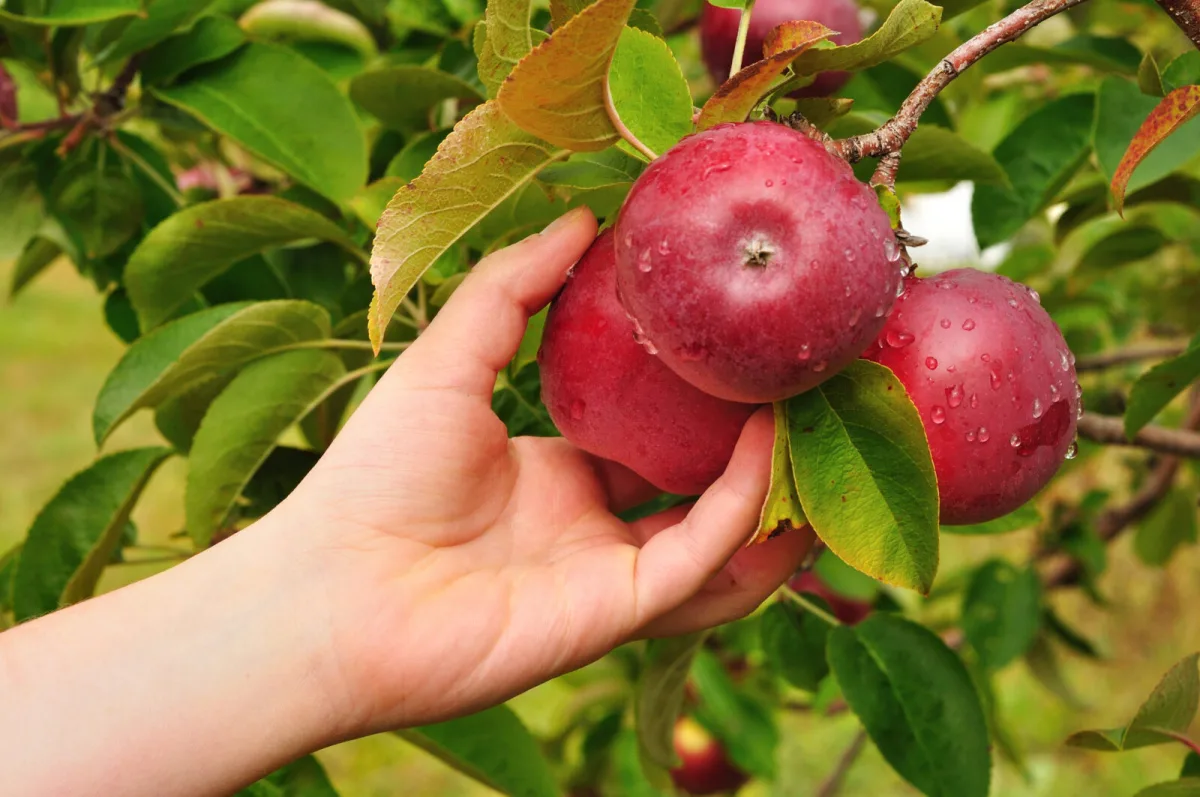
Whether you’re picking apples in your own garden or heading to a pick-your-own orchard, their keeping quality isn’t decided only by the variety and your cellar. A lot also depends on how the fruit is handled during harvest. It’s often small mistakes that cause even apples that looked sound and unblemished at picking time to start rotting later.
The stem protects the fruit from spoiling quickly
A common mistake is pulling off the stem. It may seem minor, but it leaves a small wound behind. Later, that can become an entry point for fungi and other microorganisms. The result is faster rot during storage.
A properly ripe apple should come away from the tree easily and without force. There’s no need to tug hard or twist it for ages. The best method is to cradle the fruit in your palm, lift it slightly and give it a gentle turn. If it’s ready to pick, it will release fairly quickly with the stem still attached.
Only flawless apples belong in the cellar
It’s a good idea to sort apples as you pick. Only fruit without bruises, cracks, insect punctures or any other break in the skin is suitable for long-term storage. Even small damage can shorten shelf life and put the rest of the stored fruit at risk.
Just one damaged apple can speed up spoilage of the other fruit in a crate or in the cellar.
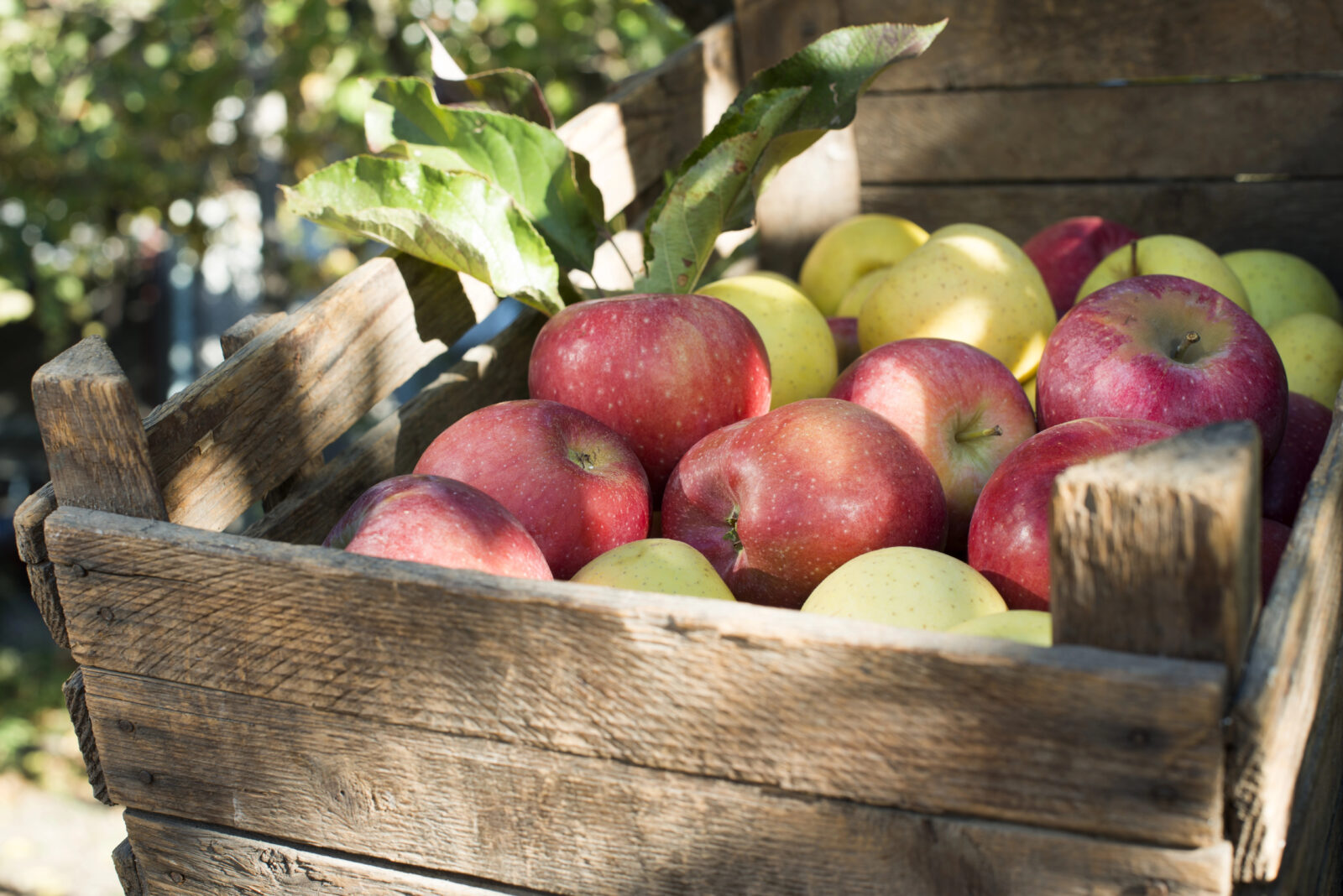
Fruit that isn’t perfect doesn’t have to be thrown away. It’s ideal for juice, apple purée, cakes or other quick processing shortly after harvest.
Rough handling shows up only after weeks
Apples that look healthy but took a knock during picking also aren’t suitable for storage. A drop to the ground, a bump against the edge of a container or careless tipping from one box to another is enough. The damage often doesn’t show right away, but the weakened spot later softens and starts to rot. If you want your harvest to keep as long as possible, handle it very carefully and avoid unnecessary impacts.
Moisture after rain increases the risk of mould
Harvesting wet fruit is another common problem. If apples are picked soon after rain or in heavy dew, they shouldn’t go straight into a closed cellar. A damp surface creates ideal conditions for mould and rot. First, let them dry naturally in an airy place with good airflow.
The best environment for storing apples
Apples usually keep longest in a cool cellar with regular ventilation. The ideal temperature is roughly 2 to 6 °C. At these temperatures, the fruit stays firm and juicy for longer. Higher humidity, around 85 to 90 percent, also helps by reducing moisture loss and preventing the skin from shrivelling.
Air exchange matters too. Apples release ethylene, a gas that promotes ripening. If it builds up in the cellar, it can speed up ageing and spoilage of the whole stash. Even in a typical home cellar, you can improve conditions with regular airing and careful checks of the stored fruit.
Careful harvesting means fewer losses in winter
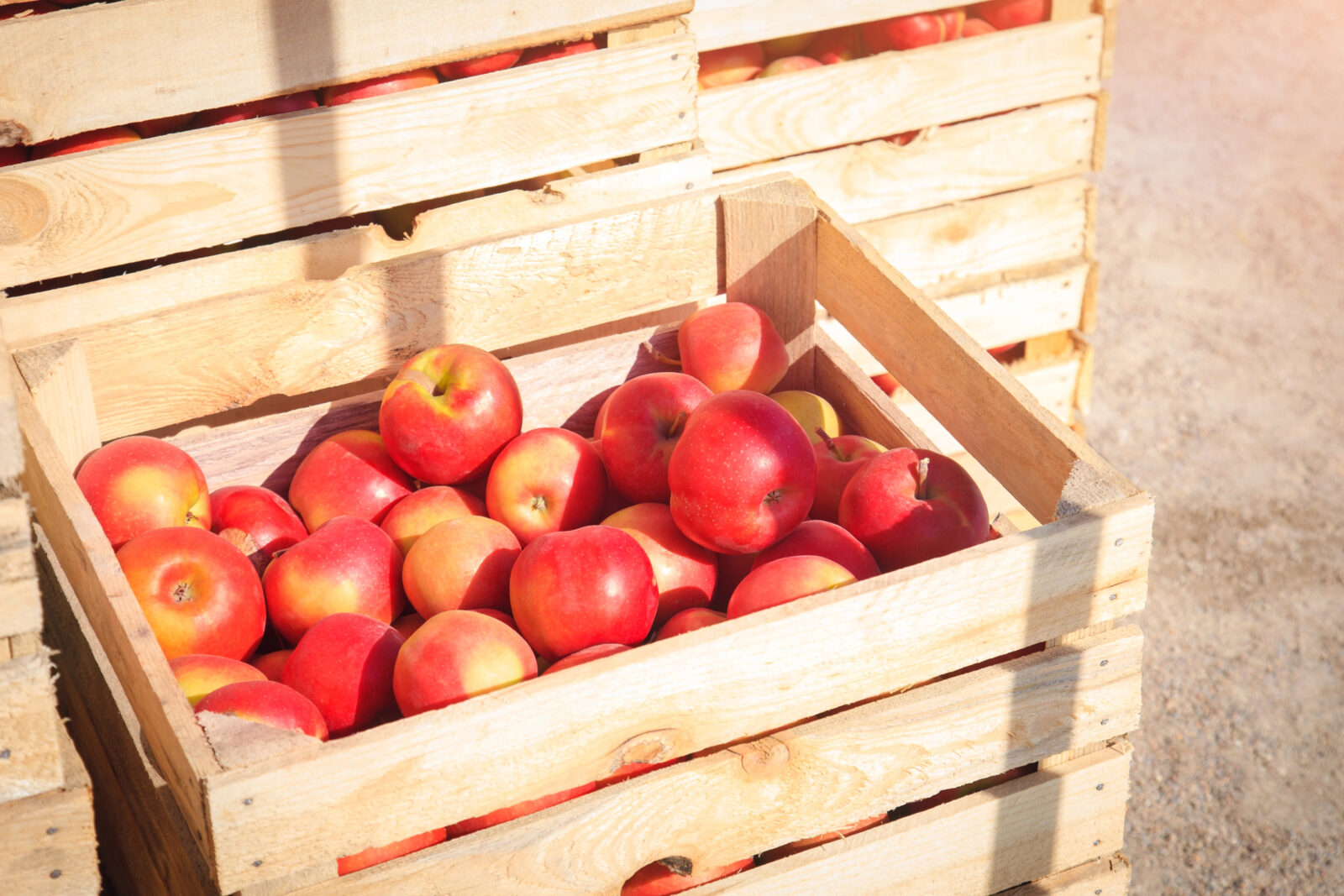
A good harvest doesn’t end when the fruit comes off the tree. How many apples stay sound through to winter depends on gentle picking, careful sorting, dry fruit and the right storage conditions. Avoid a few easy-to-miss mistakes and you can keep your apples fresher, tastier and free from unnecessary losses for much longer.
Source: Plantura Magazin, GrowVeg, Pestrazahrada.cz

A lover of nature, gardens, and everything that moves, blooms, or grows. He literally grows everything, from herbs to rare species, and he enjoys caring for animals just as much. In his work, he connects modern technology with tried-and-tested grandmotherly methods and is happy when both paths lead to the same goal.
Related articles
In September, One Simple Step Decides Whether Your Christmas Cactus Blooms in Winter
With Christmas cactus, winter flowering isn’t mainly about watering or feeding—it’s about uninterrupted darkness after dusk. Start in September to trigger bud set and enjoy a full display in December.
A Simple Trick to Help Geraniums Survive Winter Without Water or Soil
Store geraniums bare-root in a cardboard box over winter—no watering, no pots, and hardly any space needed. With the right cool, frost-free spot, they’ll wake up quickly in spring and flower strongly again.
A Lawn Without Bare Patches Depends on Two Things People Rarely Mention
Sowing a lawn from seed is affordable and flexible, but success hinges on careful soil preparation, the right seed mix, and patient aftercare. Follow proven timing and sowing techniques to get a dense, even sward without bare patches.
Comments (0)
Be the first to comment.