
 English
  Polski
  Deutsch
  Nederlands
  Svenska
  Norsk
Norsk  Dansk
Dansk  Français
  Italiano
  Español
  Português
  Slovenčina
  Suomi
Suomi  Gaeilge
 Gardeners Start Compost in Autumn for a Benefit Many Overlook
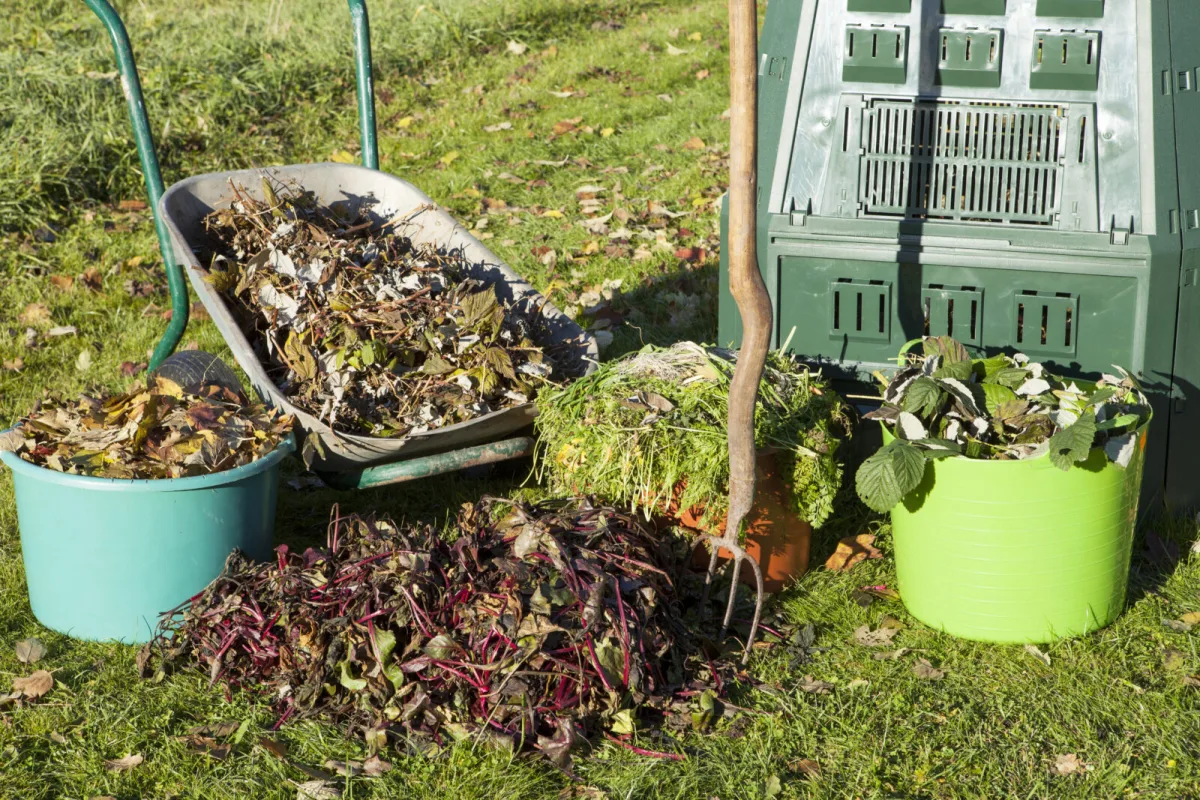
Autumn is the season when the garden naturally slows down, but for the soil a very important phase is just beginning. Falling leaves, post-harvest plant debris, grass clippings and even kitchen scraps can all be turned into valuable compost that noticeably improves the condition of beds and lawns alike. Composting works year-round, of course, but autumn comes with a few special advantages. There’s a huge amount of organic material available, and at the same time you have a chance to prepare the soil for winter and the spring ahead.
Compost is a natural way to return nutrients back into the cycle. Instead of throwing biodegradable waste into the bin, you can create a high-quality soil conditioner that helps plants grow healthier, stronger and more resilient. Autumn composting also fits neatly into nature’s rhythm, because decomposition carries on more slowly through winter and by spring the ground is usually far better prepared for the new season.
Compost as a source of nutrients and better soil structure
One of compost’s main benefits is enriching the soil with essential nutrients. It contains the elements plants need to build roots, leaves and flowers, especially nitrogen, phosphorus and potassium. When you work compost into the soil in autumn, it starts to break down gradually and nutrients are released right when plants will appreciate them most.
Just as important is the improvement to soil structure itself. Compost helps heavy, compacted soils become more open and airy, while in light soils it improves water-holding capacity. The result is a crumbly, friable soil that roots can move through easily. That’s an advantage not only for vegetable beds, but also for lawns, shrubs and fruit trees.
Supporting soil life and better winter preparation
Adding compost in autumn also benefits the unseen life in the soil. Microorganisms, fungi and other helpful soil organisms break down organic matter and convert it into plant-available nutrients. Even though their activity slows during colder months, compost provides a suitable habitat and food source so the soil is active and alive come spring.
Compost also works as a protective layer. It helps hold moisture in the soil and partly insulates roots from sharp temperature swings. Perennials, newly planted trees and shrubs, and more sensitive plants that need steadier conditions over winter will benefit most. Autumn composting, then, isn’t just tidying the garden, it’s effective protection against winter stress.
Less waste and a gentler approach to gardening
Composting is also a practical way to reduce waste. In autumn the garden produces a large volume of organic leftovers that would otherwise end up in landfill or green-waste collection. When you use them at home, you gain valuable material for your own soil and close the natural nutrient cycle right on your plot.
What was waste a moment ago can, within a few months, become one of the most valuable ingredients of a healthy garden.
Fallen leaves, spent plants, vegetable trimmings, fine twigs and grass clippings are especially useful. But not everything needs processing immediately. Some leaves only start to break down well after prolonged exposure to rain and weather. Autumn and winter give them the ideal time for that.
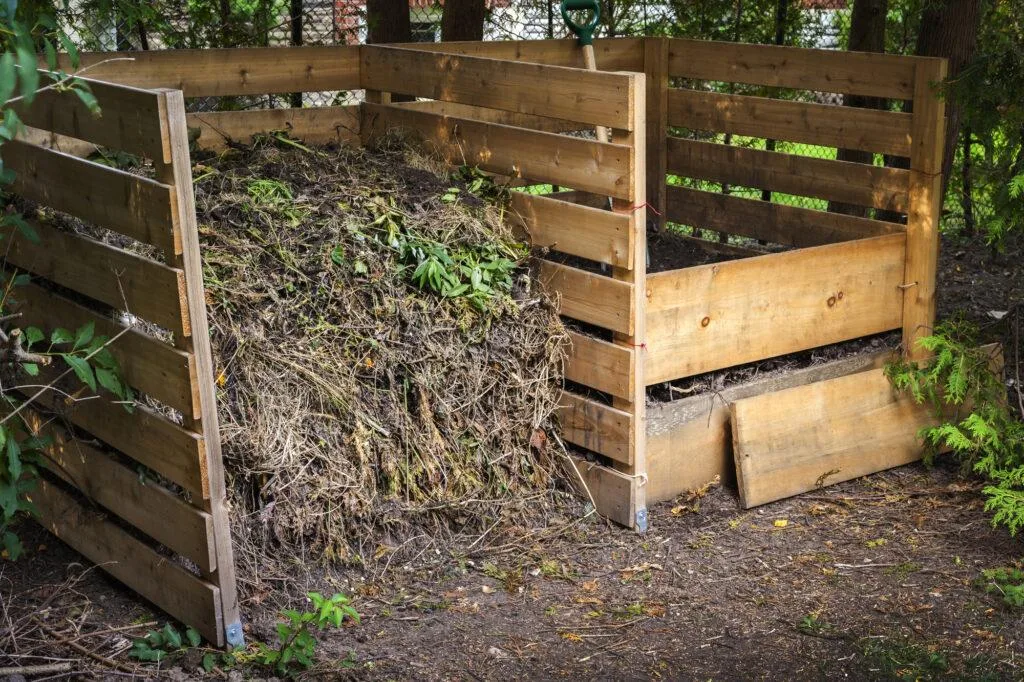
How to start an autumn compost heap step by step
Remove finished plants
Plants that have finished their growing season and won’t produce any more should be removed from beds. Stems, leaves and roots can all go into the compost. If they were affected by pests, handle them carefully so insects don’t spread further. For heavily infested parts, it’s sensible to keep the material sealed in a bag in the sun first, and only then add it to the compost.
Start a new heap or fill your compost bin
Autumn is the perfect time to start a new compost heap. If you use a compost bin or tumbler, there’s no need to wash it spotless. Residues of older compost on the walls contain microorganisms that help kick-start fresh decomposition. An outdoor heap should sit where it can be in contact with the soil, because the soil will also benefit from the nutrients and soil life.
Collect leaves thoughtfully
Fallen leaves are a valuable ingredient, but they’re also shelter for many small creatures. Where they aren’t in the way, you can leave some in place. From paths, steps or driveways, though, it’s best to gather them and move them to the compost or to a separate leaf pile. Leaves break down slowly, especially if they’re thick and tough, so patience pays off.
Add nitrogen-rich material
For compost to break down properly, it helps to combine dry material with moister, more nutrient-rich inputs. Suitable options include chicken or rabbit droppings, or other safe manures. These add nitrogen and help balance a large amount of leaves or dry stems. With some manures, though, it’s important to know the source, because they can contain residues that may harm sensitive crops.
Don’t be afraid of a larger heap
A larger compost heap usually works better than a small one. It holds heat and moisture more easily, and decomposition tends to be more even. In autumn the material also settles gradually, so it’s not unusual for the heap to shrink noticeably. That’s not a problem, it’s simply part of the normal process.
Let the compost mature
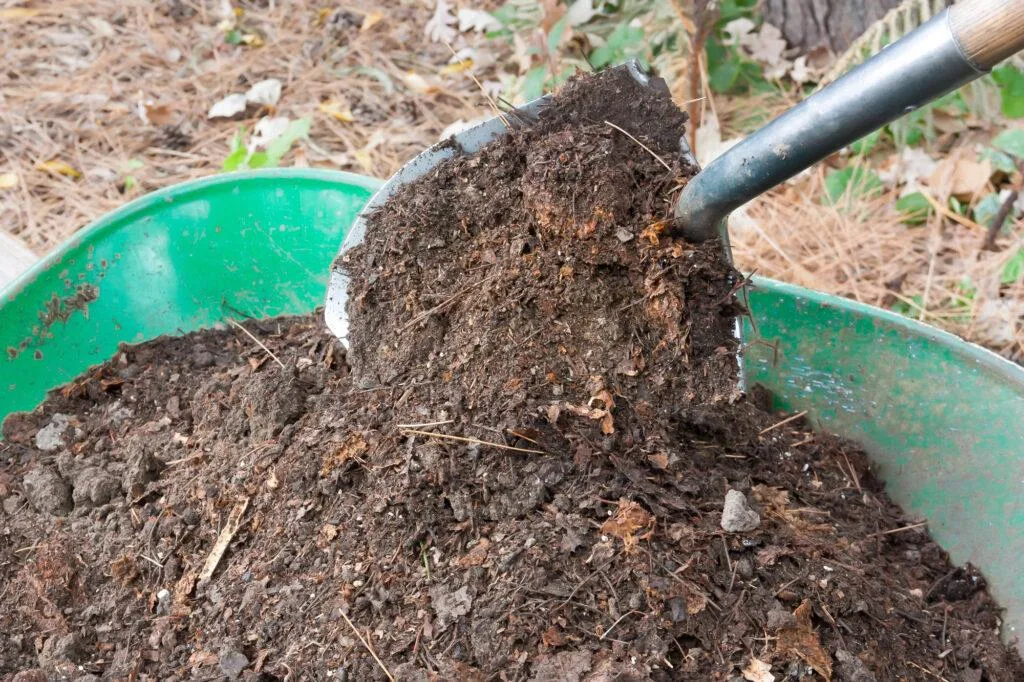
Fresh compost is useful, but well-matured compost that has rested for a while in slightly drier conditions is often even better. If you have finished compost from earlier, it’s worth storing it in a sheltered spot for spring use. At the start of the new season it’s ideal for preparing beds and containers.
Autumn work with an eye on a strong spring
Autumn composting isn’t just a seasonal chore, it’s a long-term investment in the health of your garden. Through winter, organic material gradually changes, frost breaks down tough plant tissues, and by spring the soil is richer, looser and better prepared for sowing and planting. Plants can get going faster, root more readily and produce more abundant flowers and higher yields.
Anyone who starts composting in autumn gives their garden a head start long before the first spring warm spell arrives.
If you want to improve soil quality naturally, cut waste and make use of everything the garden offers at the end of the season, autumn is the ideal time to compost. All it takes is gathering the right materials, building a heap and giving nature time to do the work.
Source: Grow Veg, Southern Lawns , Pestrazahrada.cz
Related articles
Which Flowers Can Survive Frost Outdoors and Which Must Come Inside
As autumn arrives, some patio and balcony plants can stay outside through chilly nights, while others need bringing in before the first real frost. The key is a plant’s origin, hardiness, and the forecast—not the calendar.
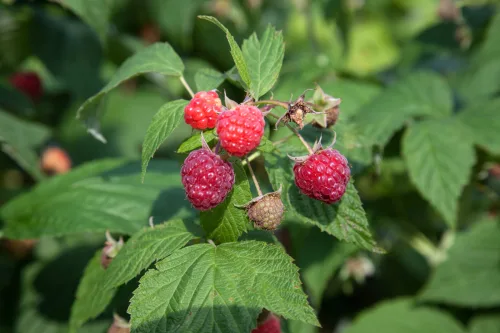
Your Pruners Decide the Fate of Raspberries, Blackberries and Currants
Autumn pruning is the key moment for raspberries, blackberries and currants. Remove old, weak or diseased wood now and you’ll get healthier plants and a bigger crop next season.
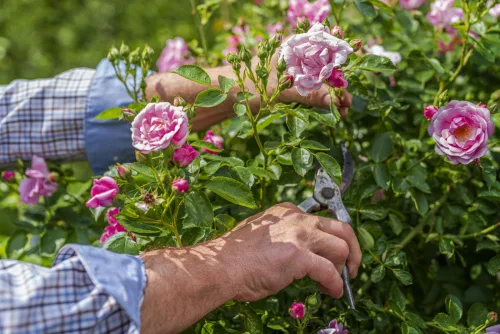
Winterise Roses at the Right Time
Your roses’ performance next season depends on timely pruning and proper winter protection. Temperature, hygiene around the bush, and keeping the graft union safely covered are the key details that make the difference.
Comments (0)
Be the first to comment.