
 English
 Polski
 Deutsch
 Nederlands
 Svenska
 Norsk
 Dansk
 Français
 Italiano
 Español
 Português
 Slovenčina
 Suomi
 Gaeilge
How to Turn Eggshells into Valuable Help for the Garden
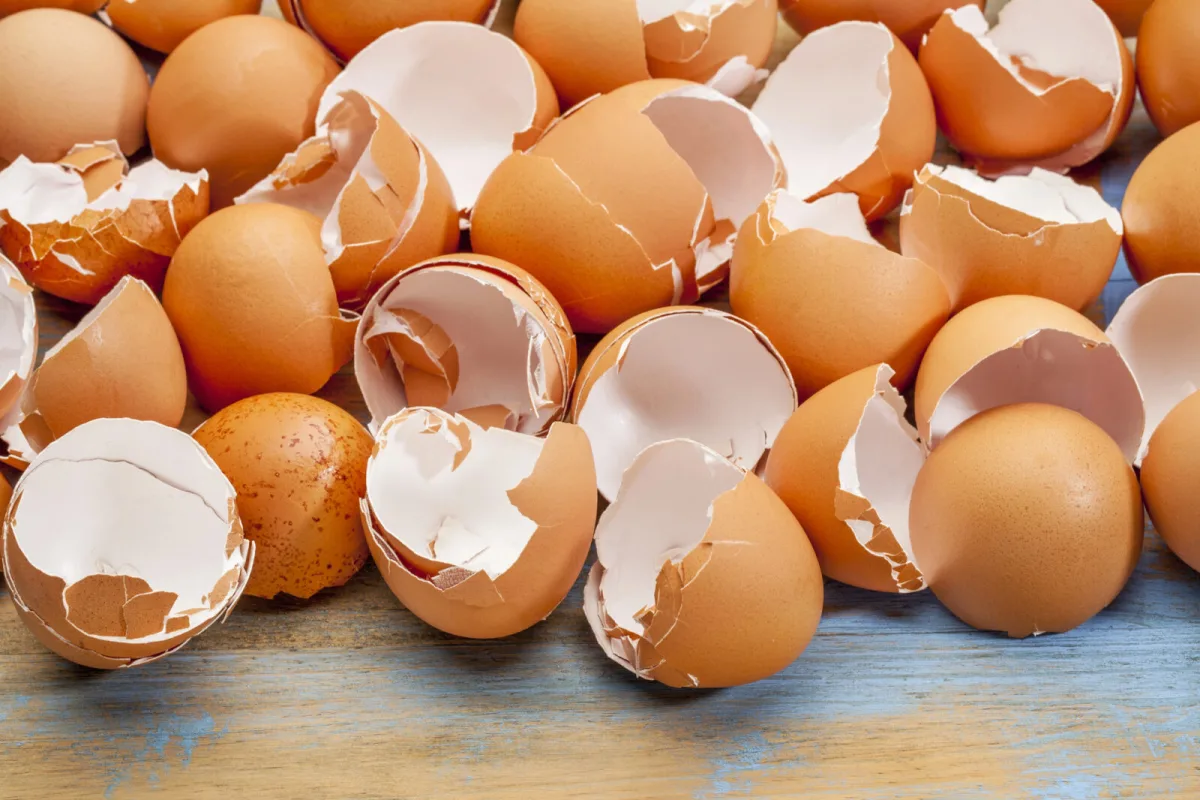
Eggshells often get tossed straight into the bin, yet they can be genuinely useful in the garden. They contain important minerals that benefit both soil and plants. If you start returning them to your beds, you’ll gain an easy natural soil amendment, reduce kitchen waste, and support healthier plant growth at the same time.
Their biggest advantage is their high calcium content, specifically calcium carbonate. This helps replenish substances in the soil that some plants may be short on. But shells aren’t only useful as nutrition. They can also slightly adjust soil acidity and, in certain situations, discourage a few unwanted pests.
What benefits eggshells bring
Less household waste
One of the simplest advantages is reducing unnecessary waste. What would otherwise end up in landfill can get a second life right in the garden. At a time when many people are trying to use resources as efficiently as possible, eggshells are a practical, readily available helper.
Natural support for plant growth
Crushed shells can help strengthen the root system and contribute to healthy plant development. Fast-growing plants with higher nutrient demands tend to benefit the most. Soil enriched with calcium is often more balanced for many crops and can help them cope better during intense growth periods.
Topping up calcium in the soil
Calcium is an essential nutrient for plants. When it’s lacking, some crops can develop problems with fruit formation. Eggshells are a straightforward way to add this element back into the soil naturally. They’re especially useful where you grow plants that are more sensitive to calcium deficiency.
Adjusting soil acidity
Because eggshells contain calcium carbonate, they can help reduce overly acidic soil. It’s not an instant miracle fix, but with regular use they can contribute to more balanced conditions. This is particularly helpful where plants that prefer less acidic soil do better.
Protection from some pests
Another well-known benefit is discouraging soft-bodied pests such as slugs and snails. The sharp edges of crushed shells aren’t pleasant for them, so they often choose to avoid the area. It’s also worth noting that their smell may not suit some larger garden visitors. The effect won’t be 100%, but as part of an overall natural approach they can be useful.
How to prepare eggshells properly
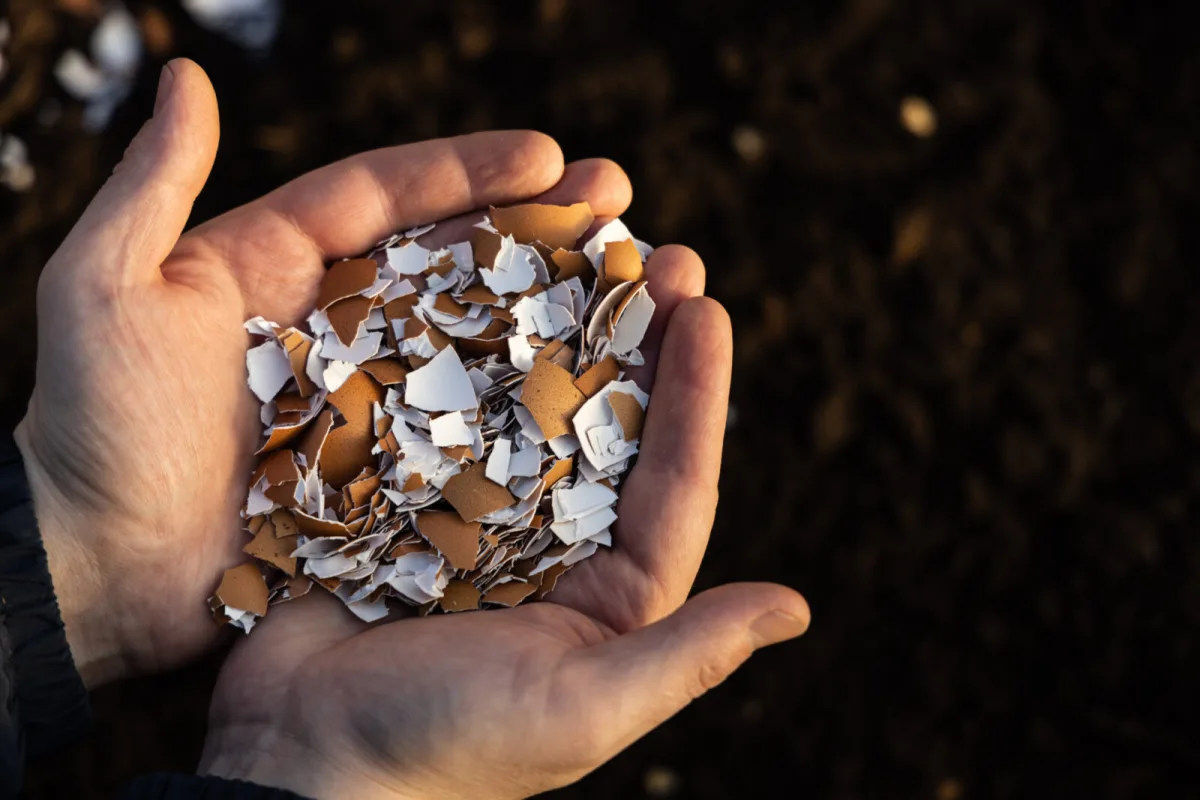
Before using shells, it’s best to rinse them first. This removes any leftover egg white or yolk, which could attract unwanted animals in the garden or cause odours. After washing, let them dry thoroughly. Dry shells are easier to handle and can be crushed into a finer material.
Then you can grind them in a food processor, crush them with a mortar and pestle, or even use a rolling pin. The finer the powder, the more easily nutrients can get into the soil. When grinding, take care with the dust and avoid breathing it in.
How to use them directly in beds
The simplest method is to sprinkle crushed shells around plants. Even better is to lightly work them into the top layer of soil so they break down faster and become available to plants sooner. This approach works for in-ground beds as well as raised planters or larger containers.
If you have more shells, you can also make a homemade infusion. Add roughly one to two dozen clean shells to a larger amount of boiling water, let it steep overnight, then strain the liquid. This prepared water can be used for watering a few times a month. It’s an easy way to deliver some of the minerals to the root zone without scattering solid material over the surface.
Which plants may benefit the most
The biggest benefit tends to be for fast-growing plants that use more calcium than other types. For these, regular top-ups of this nutrient can support better growth and overall condition. That doesn’t mean eggshells are pointless elsewhere, though. They’re also useful as part of compost, where they help create a more diverse and valuable organic mix.
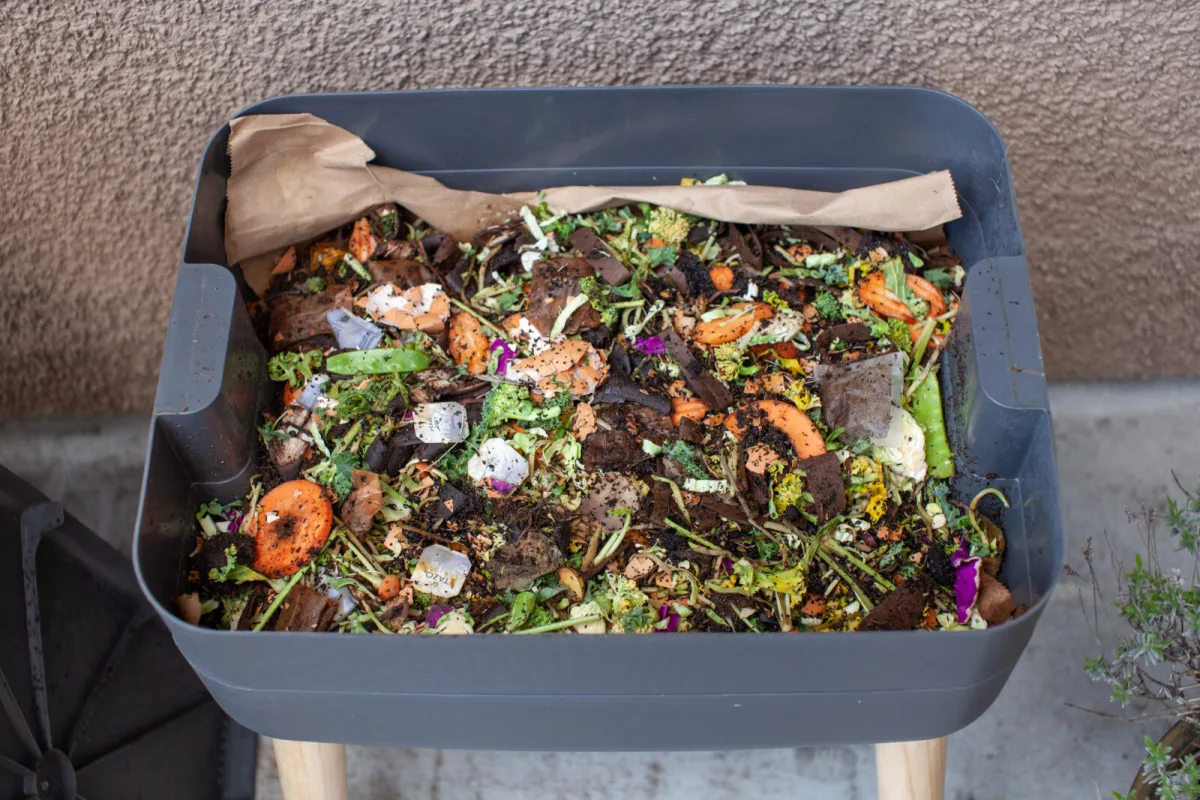
They also have a place in worm composters. Small soil organisms—especially earthworms—can benefit from finely crushed shells when digesting food. This indirectly helps the soil too, because it supports high-quality breakdown of organic matter.
What to keep in mind when using them
It’s best to think of eggshells as a supplement, not the only solution for feeding the garden. They work gradually, and their benefits show up over time. That’s why it pays to combine them with compost, mulch, and overall good soil care. A major advantage, however, is that they’re free—and almost everyone has them at home.
Eggshells are a simple example of how everyday kitchen waste can be turned into a useful source of nutrients for soil and plants.
So the next time you’re making breakfast or baking, you don’t have to throw the shells away automatically. With a little basic preparation, they can become a valuable part of garden care—supporting plant nutrition, gently reducing soil acidity, and limiting some pests. A small step in the kitchen can bring a visible benefit out in the garden bed.
Source: The Spruce, Martha Stewart , Pestrazahrada.cz

A nurse by profession, she is passionate about healthy living, nature, and everything that benefits both people and the world around them. In her free time, she enjoys gardening, cooking, sewing, and caring for her family. In her articles, she loves combining professional expertise with practical experience from the garden and everyday life.
Related articles
Five Shrubs Autumn Pruning Will Ruin Even After Flowering
Autumn tidy-ups can be tempting, but cutting the wrong shrubs now can remove next year’s flower buds. Learn which popular ornamentals should be left alone until after flowering or spring.
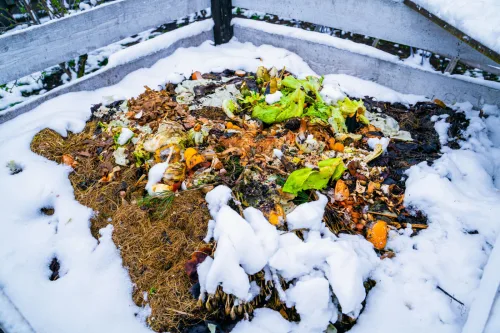
Your compost freezes in winter and you needn’t throw peelings away
Winter slows composting, but it doesn’t mean you have to stop. Use a lidded container near the back door to store kitchen scraps until the pile thaws and spring warmth restarts decomposition.
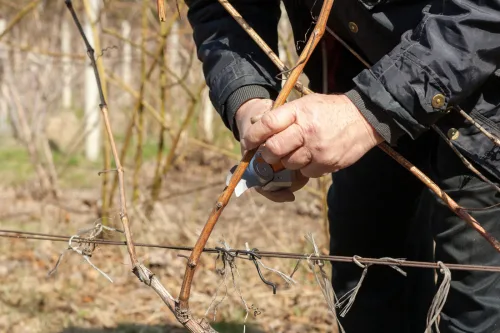
Autumn Grape Vine Pruning Shapes Next Year’s Harvest
Autumn pruning is one of the key jobs that determines how well your grapevine will grow and crop next season. The most common mistake is leaving too much wood, which leads to a dense canopy and smaller, slower-ripening bunches.
Comments (0)
Be the first to comment.