
 English
  Polski
  Deutsch
  Nederlands
  Svenska
  Norsk
Norsk  Dansk
Dansk  Français
  Italiano
  Español
  Português
  Slovenčina
  Suomi
Suomi  Gaeilge
 How to Make the Most of a Big Tomato Harvest and Stock Up for the Whole Year
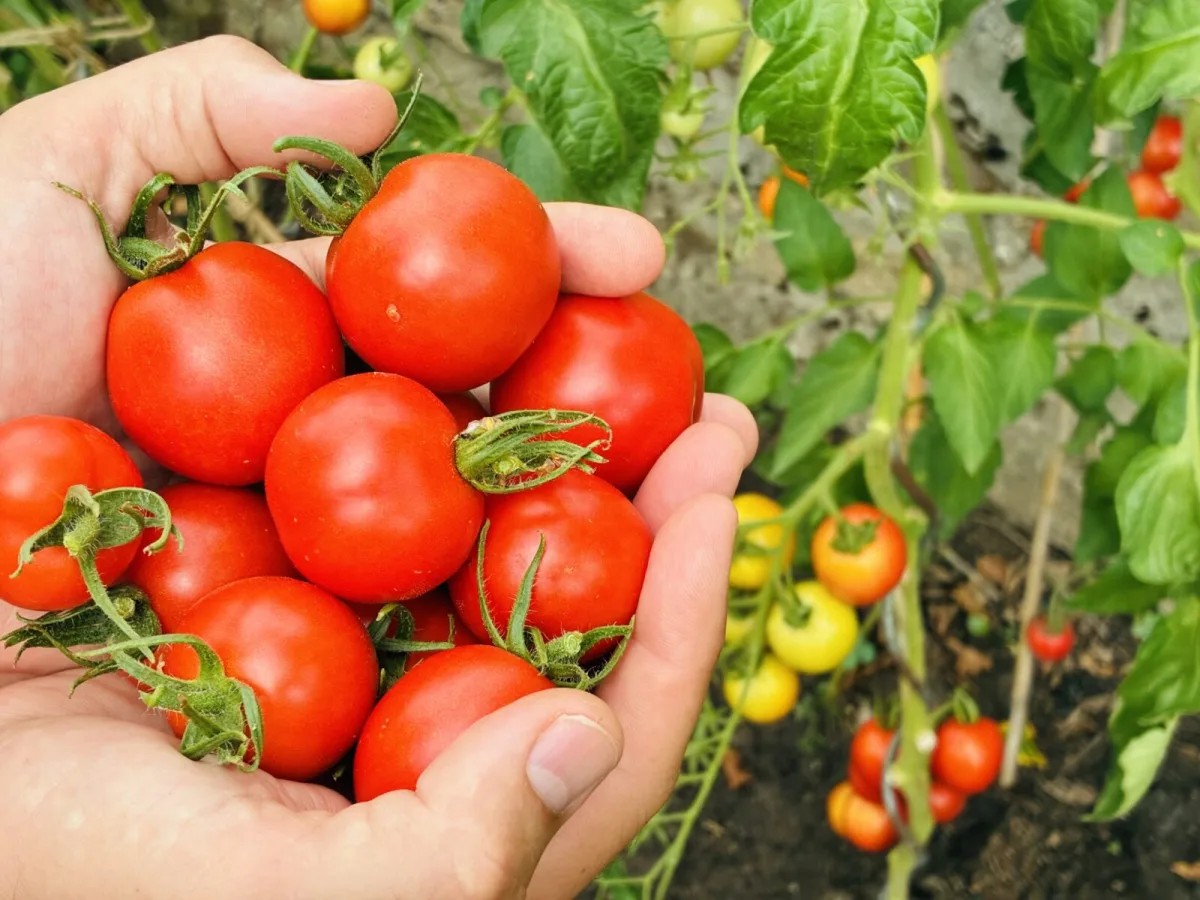
Hot, dry summers often suit tomatoes, and the reward can be a genuinely generous harvest. When plants thrive both in the greenhouse and outdoors, ripe fruit seems to appear almost daily. A freshly picked, sun-warmed tomato tastes wonderful, but even the biggest fan soon finds that salads and sandwiches won’t use it all up. That’s exactly when it pays to think through ways to preserve tomatoes so they’re just as useful in winter. Processing the harvest is also one of the most satisfying parts of growing your own, because the result isn’t just bowls piled high, but stores that come in very handy later on.
A roasted base for sauces, made your way
One of the most versatile methods is to make a tomato base similar to passata. There’s no need to stick rigidly to tradition; what matters is that the end result suits the way you cook. It’s brilliant for pasta dishes, soups, bean and lentil meals and all sorts of curries—any time in winter when you’ll appreciate a concentrated taste of summer.
The method can be surprisingly simple. Tomatoes can be roasted with onion, garlic, herbs, a pinch of salt and a little olive oil. Baking at around 180 °C for roughly three quarters of an hour (or until soft) brings out sweetness and deepens the aroma. Once cooled, push the mixture through a fine sieve to create a smooth purée free of skins and seeds. It’s a bit of work, but the texture is worth it. The finished base can be portioned into containers and frozen so it’s ready whenever you fancy a quick sauce.
What to do with the skins left after sieving
The leftovers don’t need to be thrown away. The skins left in the sieve can be spread on a baking tray and dried further in a low oven or in a dehydrator. Once completely dry, they can be blitzed into a fine powder. It’s punchy in flavour and, in winter, adds a tomato lift to soups, sauces or vegetable mixes when fresh tomatoes taste bland.
Freezing and bottling, when freezer space is tight
Freezer capacity is often the limiting factor, especially when other produce is being stored alongside tomatoes. If you need a quick approach, simply chop tomatoes and freeze them raw. It’s practical when there’s no time for longer cooking. More space-efficient, though, is to heat the tomatoes first, because some water evaporates and the finished mixture takes up less room. Another option is to bottle some of the harvest in jars, which frees up the freezer and creates shelf-stable stores for the pantry.
Tomato chutney, a classic that never gets dull
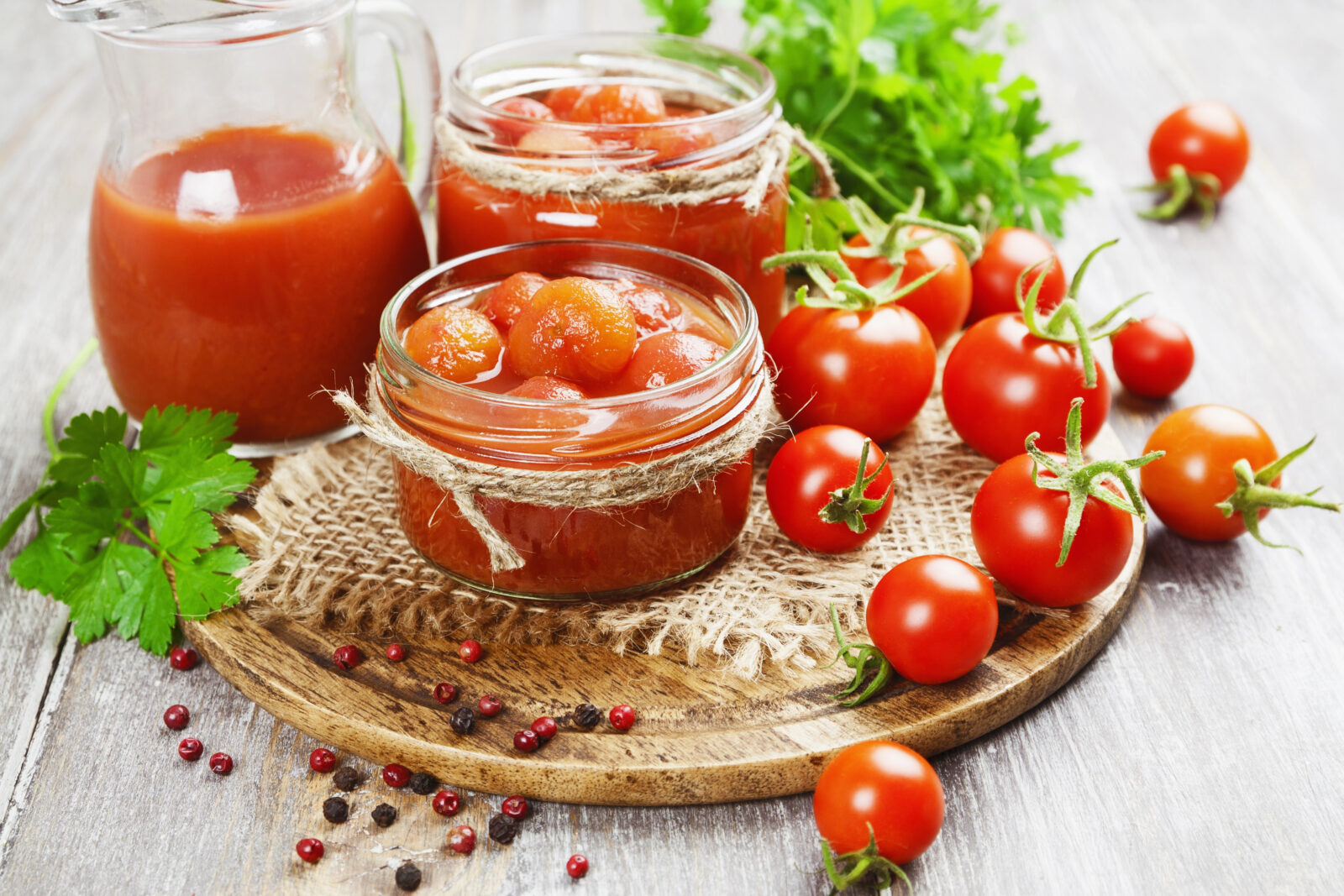
Tomato chutney is a tried-and-tested way to use up large quantities of fruit. It’s worth cooking only as much as you’ll realistically eat over the year, so jars don’t sit around for ages. On the other hand, homemade chutney also makes a brilliant edible gift for family and friends, because it tastes far more individual than shop-bought versions.
A popular combination is tomato and pepper. The peppers are roasted first to develop a sweeter, lightly smoky flavour, then cooked with onion, sugar, vinegar and tomatoes until thick. The right finish is dense, glossy and slightly syrupy, making it ideal with cheese, roast meat or in sandwiches.
Green tomatoes aren’t a problem—quite the opposite
Not all tomatoes have time to ripen, especially towards the end of the season. Green fruit is made for chutney because it has firmer flesh and a sharper tang that mellows beautifully as it cooks. If you like trying something new, you can also go for hotter versions by adding chilli. A tomato-and-chilli jam is pleasantly spicy and works wonderfully with cheese, where the sweet-heat contrast really shines.
Drying for concentrated flavour
Another practical method is drying. A dehydrator works well, but an oven set to a low temperature does the job too. Cherry tomatoes are especially suited to drying. Halve them, place cut-side up and lightly sprinkle with sugar and salt, which boosts flavour and helps balance acidity. After about an hour, you can turn them and continue drying until they’re as dry as you want—either as softer sun-dried style tomatoes or almost crisp.
The finished pieces can be stored in airtight containers, or packed in oil. In households where dried tomatoes are happily nibbled as they are or often added to pasta and salads, they rarely last long. With proper storage, however, they can theoretically keep for several months.
Turning your harvest into winter reassurance
There isn’t a single best way to deal with a tomato surplus. The most effective approach is to combine methods based on your time, space and what you cook most at home. A roasted passata-style base is a quick fix for winter sauces, drying delivers big flavour in a small volume, chutneys and spicy jams shine on a cheese board and make great gifts, and bottling takes the pressure off the freezer. When part of the harvest is turned into long-lasting stores, tomato season doesn’t end with the first cool days—it continues on your plate all year round.
Source: Jidlo.cz, Rhs , Pestrazahrada.cz
Related articles

Time for the final rose prune, do it now and overwinter properly for a June flush of blooms
Roses look their best when they’re properly prepared for winter. A timely autumn prune, health check and sensible frost protection will set plants up for vigorous spring growth and a strong June display.

An Unkillable ZZ Plant Is Dying in Homes Because of a Mistake That Looks Like Care
The ZZ plant is famous for coping with neglect, but one well-meaning habit can slowly ruin it. Learn the light, soil and watering routine that keeps it thriving, plus how to use banana peel feed safely.
When autumn liming of soil makes sense and how it helps vegetable beds in the garden
Autumn soil liming can markedly improve soil structure and balance pH for healthier vegetables next season. It’s most worthwhile on heavy or overly acidic soils where nutrient uptake and disease resistance suffer.
Comments (0)
Be the first to comment.