
 English
  Polski
  Deutsch
  Nederlands
  Svenska
  Norsk
Norsk  Dansk
Dansk  Français
  Italiano
  Español
  Português
  Slovenčina
  Suomi
Suomi  Gaeilge
 A Simple Trick to Help Geraniums Survive Winter Without Water or Soil
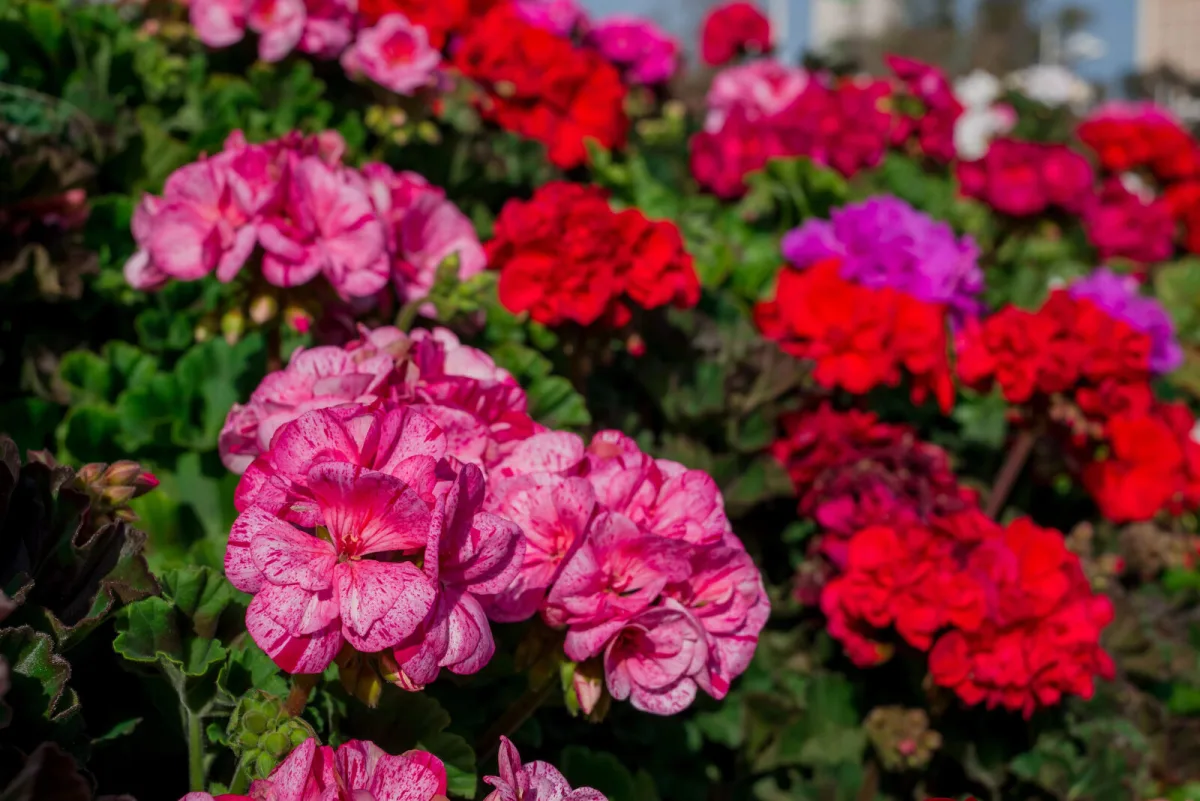
Many growers face the same problem in autumn. Where to put all the geraniums so they make it through winter, don’t take up too much space, and you don’t have to buy new plants in spring. There’s a surprisingly easy solution that requires almost no care. You don’t need to water them over winter, tidy them up, or store them in pots. All you need is a cardboard box and a cool place where it won’t freeze.
A method that saves space and hassle
This overwintering method has become popular mainly because it’s exceptionally practical. Geraniums are stored without soil, so they take up hardly any room. You won’t have to squeeze past pots in the cellar or regularly check for dry leaves and spent growth. Although the plants won’t look their best after winter, once potted up they usually bounce back quickly and, during the season, tend to grow strongly and flower abundantly.
The box method step by step
The key to success is preparing the plants properly before storing them. First, stop watering the geraniums and let the compost in window boxes or pots dry out thoroughly. The compost must not be wet when you store them, otherwise mould or rot can develop.
Then carefully remove the plants from their containers. Gently shake excess compost from the roots, but don’t try to clean them perfectly. The important thing is not to snap anything off unnecessarily at this stage. Don’t pull off leaves, flowers, or buds, even if the plant doesn’t look perfect.
Place the prepared geraniums into a larger cardboard box with the roots facing up and the top growth pointing down. The plants can be packed closely side by side. If the box is tall enough, you can add another layer. Finally, cover everything with newspaper, close the box, and take it to a cellar or another room that’s cool and dry, where the temperature doesn’t drop below freezing.
What to do in spring
At the end of winter, roughly in late February, it’s time to take the geraniums out of the box. At first glance they can look very battered, which is an unpleasant surprise for many people. But there’s no need to worry. Even now, it’s not worth cutting them back hard straight away or snapping off everything that looks unattractive.
Simply pot the geraniums into fresh compost, water them, and give them time to wake up. The first signs of life usually appear after about two weeks, when new leaves begin to push through. After four to five weeks, you can remove what is truly dry and dead. After about eight weeks, it’s a good idea to start feeding so the plants have enough strength for further growth and flower production.
Why this can be better than buying new plants
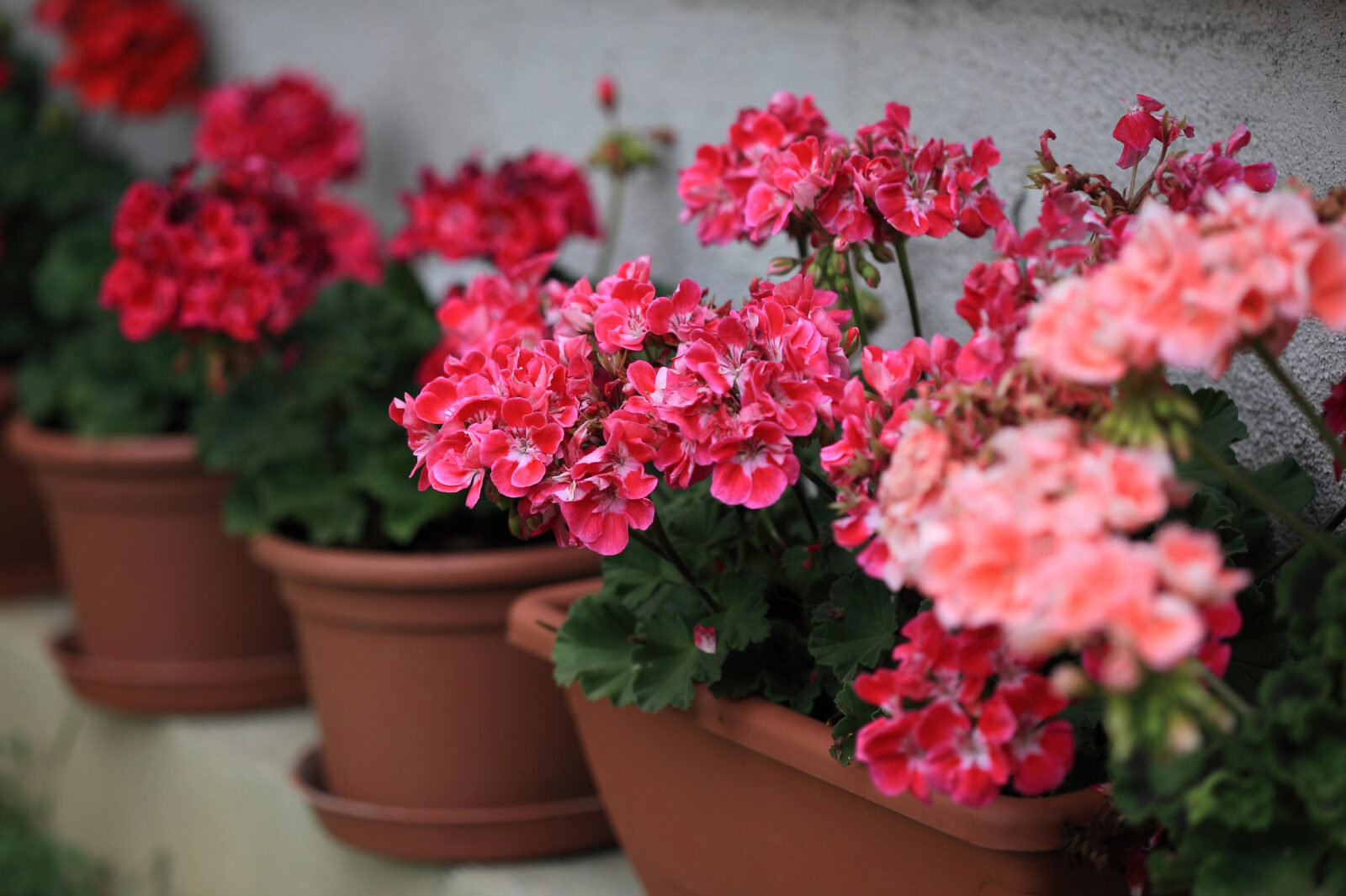
Growers’ experience shows that geraniums overwintered this way are often surprisingly vigorous in spring. Once they start growing again, they’re frequently tougher and flower more profusely than newly purchased plants from the garden centre. Another benefit is that you keep your tried-and-tested varieties—the ones that performed well for you last season.
Even though geraniums look anything but pretty when you take them out of the box, after a few weeks they can be strong, bushy, and covered in flowers again.
What to watch out for
The most important thing is to store only healthy plants and keep moisture out. The box must be kept somewhere frost-free, but not too warm either. If the environment is damp, the geraniums may rot over winter. Likewise, it’s not suitable to store them in a room that freezes.
So if you’re looking for an easy, space-saving way to keep geraniums for the next season, the cardboard box method is well worth trying. You don’t need much room or regular care, and your reward can be beautiful plants that come back to life in spring and brighten your balcony or windows all summer long.
Source: Shiplap and Shells, The Spruce, Pestrazahrada.cz

A lover of nature, gardens, and everything that moves, blooms, or grows. He literally grows everything, from herbs to rare species, and he enjoys caring for animals just as much. In his work, he connects modern technology with tried-and-tested grandmotherly methods and is happy when both paths lead to the same goal.
Related articles
In September, One Simple Step Decides Whether Your Christmas Cactus Blooms in Winter
With Christmas cactus, winter flowering isn’t mainly about watering or feeding—it’s about uninterrupted darkness after dusk. Start in September to trigger bud set and enjoy a full display in December.
Picking Apples Without Mistakes Helps Keep Your Harvest Fresh and Rot-Free for Longer
How you handle apples at harvest has a huge impact on how long they keep. Gentle picking, careful sorting and the right storage conditions will help prevent rot and unnecessary losses.
A Lawn Without Bare Patches Depends on Two Things People Rarely Mention
Sowing a lawn from seed is affordable and flexible, but success hinges on careful soil preparation, the right seed mix, and patient aftercare. Follow proven timing and sowing techniques to get a dense, even sward without bare patches.
Comments (0)
Be the first to comment.